For more information about senior living options: (866) 208-4318
2.8 from 65 reviews
5 stars
22
4 stars
7
3 stars
4
2 stars
0
1 stars
32
Overall Review of Helia Southbelt Healthcare
common11 reviews mention this
Staff care and responsiveness
Many residents and families describe the staff as attentive and caring.
Several reviews say the CNAs and nurses pay close attention and work to keep residents comfortable, with families thanking staff for handling admission, referrals, and day-to-day support. Positive comments also highlight friendliness and feeling at ease when visiting. A few reviews specifically single out the nursing staff as supportive throughout longer stays.
common2 reviews mention this
Rehabilitation support stands out
Residents in rehab describe therapy staffing that helps with goals.
Two reviews mention rehab in a positive way, describing therapy help aimed at returning home and strong therapy staffing. One review also notes pairing between therapy and CNAs during the rehabilitation process. These comments focus on the rehab department and how it supports recovery during a stay.
caveat16 reviews mention this
Calls and staffing get criticized
Some reviews report problems getting timely answers and support from staff.
A substantial number of negative reviews describe difficulties reaching staff by phone, including unanswered calls, calls that were disconnected, or delays when concerns were raised. Several reviews also say staffing was inadequate, leaving residents without help when needs came up. A few reviews connect these issues to missed follow-through on care needs, especially during urgent moments.
caveat7 reviews mention this
Cleanliness is a recurring concern
Some reviewers describe serious cleanliness and hygiene issues.
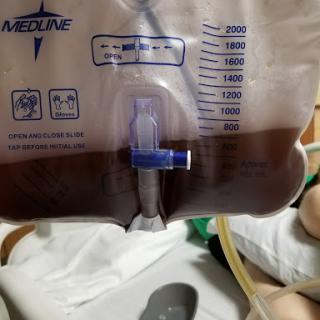
Multiple reviews mention residents left in unpleasant conditions, including reports of urine or feces, cold food, or dirty spaces. There are also specific cleanliness-related claims such as bed bugs and complaints about waste in common areas. These concerns appear alongside accounts of inadequate personal care when family members say they were forced to intervene.
How we summarize
Counts show how many written reviews mention each theme; a review can touch several themes, and only frequently mentioned themes are displayed.
Features
Housing
156 resident community capacity
Types of Care
Skilled Nursing Facility
Amenities
Air-conditioning
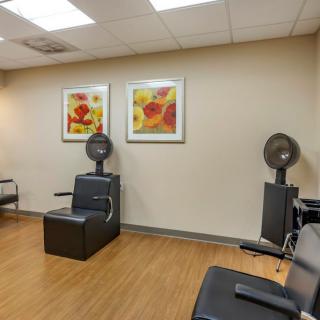
Beauty salon
Cable or satellite TV
Computer center
Dining room
Fitness room
Fully furnished
Gaming room
Garden
Housekeeping services
Kitchenette
Move-in coordination
Outdoor space
Private bathrooms
Restaurant-style dining
Small library
Telephone
Wellness center
Wi-Fi/high-speed internet available
Transportation
Community operated transportation
Transportation arrangement
Transportation arrangement (non-medical)
Transportation to doctors appointments
Care Services
12-16 hour nursing
24-hour call system
24-hour supervision
Activities of daily living assistance
Assistance with bathing
Assistance with dressing
Assistance with transfers
Diabetes diet
Meal preparation and service
Medication management
Mental wellness program
Special dietary restrictions
Dining
Diabetes diet
Special dietary restrictions
Activities
Community-sponsored activities
Concierge services
Fitness programs
Planned day trips
Resident-run activities
Scheduled daily activities
Nearby Places of Interest
Restaurants
BEAST Craft BBQ (0.1 miles)
McDonald's (0.2 miles)
Friday's South (0.3 miles)
The Corner Chill & Grill (0.6 miles)
Seven Restaurant & Lounge (0.7 miles)
Tavern On Main (0.8 miles)
Casa Maria Mexican Grill (0.8 miles)
Hospitals
St Elizabeth's Hospital (0.5 miles)
Physical Therapy Center of Belleville (3 miles)
Memorial Hospital (3.7 miles)
Physicians
Stephen A Schmidt (0.6 miles)
Primetime Belleville (0.6 miles)
Saint Louis University Belleville Family Practice Center (0.6 miles)
Southern Illinois Healthcare Foundation (0.6 miles)
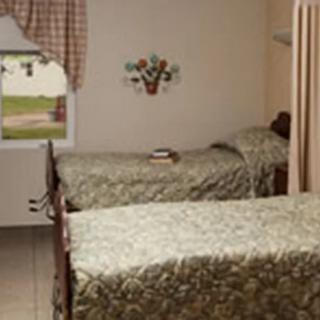
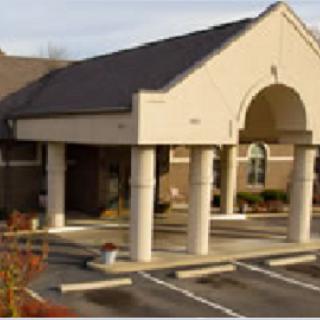
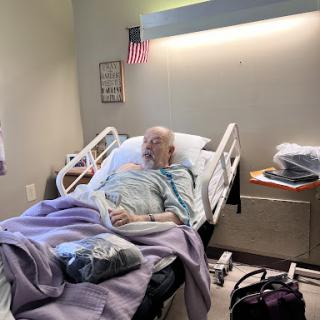
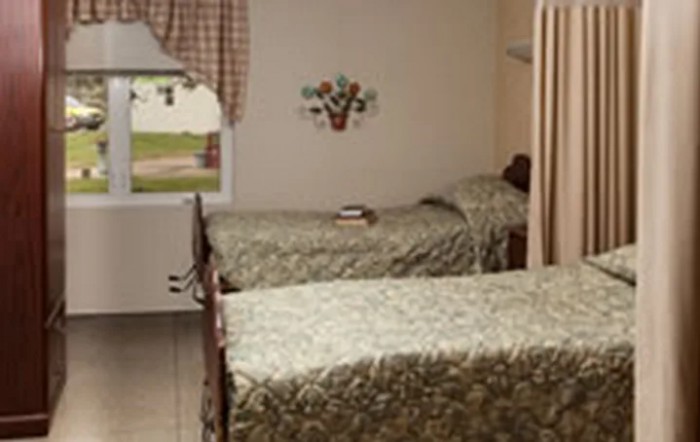
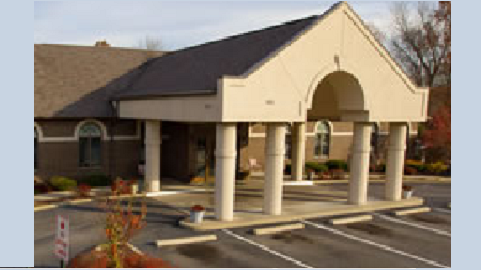
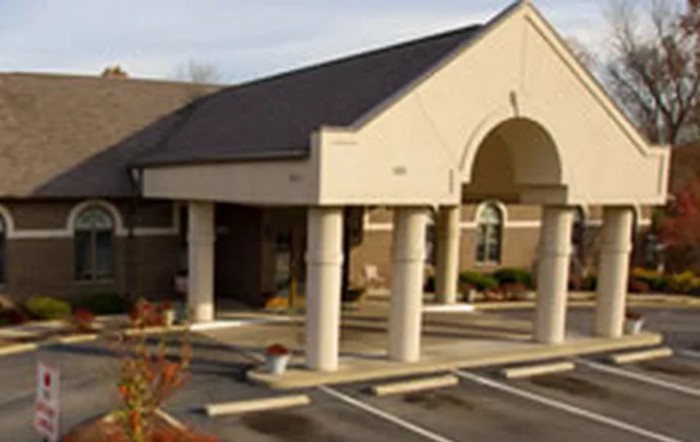
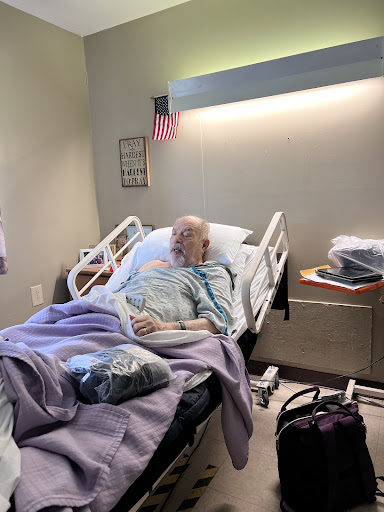
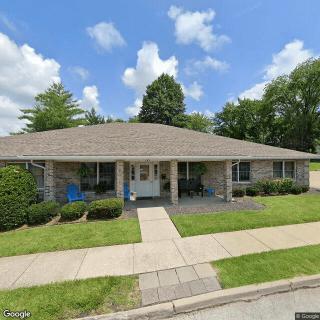
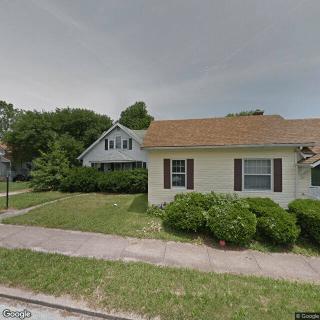
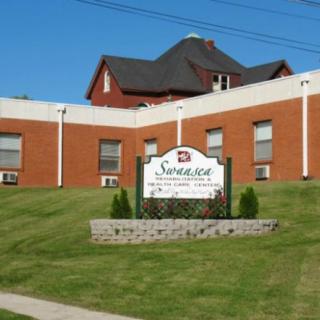
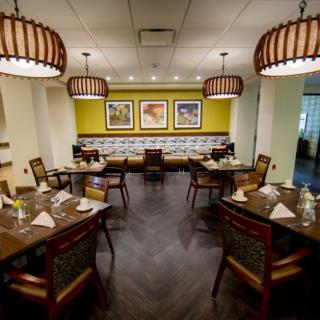
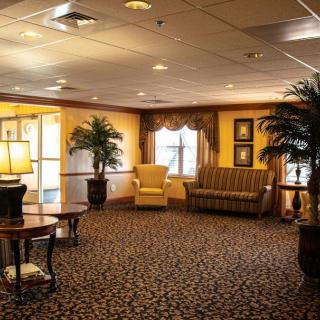
Helia Southbelt Healthcare on seniors.fyi includes 5 photos including images showing bedroom, architecture, healthcare, building, entrance, parking, exterior, flag, and more.
Nearby Communities
The Atrium Of Belleville
Belleville, IL
4.5 from 70 reviews
$2,450 to $2,930 / month
Friendly staff, good dining, and a variety of resident activities.
Visiting Angels - Belleville
Belleville, IL
3.7 from 3 reviews
Excellent access to nearby healthcare and amenities.
Belle Manor
Belleville, IL
3 from 2 reviews
Amenity-rich area with easy access to healthcare, dining, and parks.
Joyous Home Health Care & Services
Belleville, IL
Near extensive amenities and healthcare resources.
St Pauls Senior Community
Belleville, IL
4.1 from 14 reviews
$2,295 to $3,995 / month
Friendly staff and residents in a close, active community with convenient transportation and newly renovated apartments.
Someone Special - Belleville, IL
Belleville, IL
4.8 from 19 reviews
Family involvement enhances support and safety in therapy and caregiving.
Swansea Rehab Health Care
Swansea, IL
3.5 from 50 reviews
24/7 nursing care with extensive on-site amenities
Sycamore Village
Swansea, IL
3.4 from 36 reviews
$3,802 / month
Caring staff and engaging activities.
Cambridge House Of Swansea
Swansea, IL
4.2 from 32 reviews
Friendly staff, clean environment, and an active, welcoming community with engaging activities.
The guide outlines the rising costs of 24/7 in-home care, ranging from $10,000 to over $20,000 monthly, driven by factors such as location and caregiver qualifications. It discusses the limited coverage by Medicare and private insurance, potential Medicaid support, and the emotional and living condition considerations influencing families' decisions on care arrangements.
Home health nursing is an expanding field where licensed professionals provide specialized medical care in patients' homes, addressing the needs of an aging population through personalized services like assessments and medication management. Effective collaboration with healthcare teams, cultural sensitivity, and quality assurance measures are essential for fostering trust and ensuring positive patient outcomes.
Medicare covers in-home health care services, which are medical and provided by licensed professionals under a physician's supervision, whereas non-medical personal assistance is generally not covered unless part of a broader skilled care plan. Eligibility for benefits depends on being homebound and needing intermittent skilled services from a Medicare-certified agency, with specific coverage limitations and additional resources available for navigating options.
Get PricingAsk A QuestionSchedule A TourContact Senior Advisor
By clicking submit, you agree to our Partner's Terms of Use. You
also consent to receive calls and texts, which may be autodialed, from our Partner. Your consent is not a condition to
using our Partner's service. Please visit our Partner's Privacy Policy for information about their privacy practices.

 156 resident community capacity
 Skilled Nursing Facility
 Air-conditioning
 Beauty salon
 Cable or satellite TV
 Computer center
 Dining room
 Fitness room
 Fully furnished
 Gaming room
 Garden
 Housekeeping services
 Kitchenette
 Move-in coordination
 Outdoor space
 Private bathrooms
 Restaurant-style dining
 Small library
 Telephone
 Wellness center
 Wi-Fi/high-speed internet available
 Community operated transportation
 12-16 hour nursing
 24-hour call system
 Activities of daily living assistance
 Assistance with bathing
 Assistance with dressing
 Assistance with transfers
 Diabetes diet
 Medication management
 Mental wellness program
 Special dietary restrictions
 Concierge services
 Planned day trips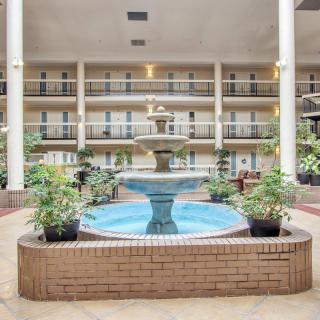
 Friendly staff, good dining, and a variety of resident activities.
 Understanding the Full Cost of 24/7 In-Home Care: A Detailed Overview
 Exploring the World of Home Health Nurses: Qualifications, Roles, and Hiring Tips
 Navigating Medicare Coverage for In-Home Care Services