For more information about senior living options: (866) 208-4318
2.6 from 85 reviews
5 stars
28
4 stars
8
3 stars
1
2 stars
1
1 stars
47
Overall Review of Bria Of Belleville
caveat17 reviews mention this
Staff responsiveness varies widely
Many reviewers say staff can be hard to reach or dismissive when help is needed.
A recurring complaint is that residents and families had to wait for assistance, including delays after calling for help or ringing devices. Several reviews describe staff using phones, giving rude or dismissive responses, or not following through after concerns were raised. A number of families also say they felt they had to stay on administration constantly for issues to get addressed. At the same time, other reviews describe the nursing staff and administrators as patient and responsive, so experiences appear inconsistent.
caveat18 reviews mention this
Care cleanliness and odors are cited
Cleanliness and odors are major concerns in many reviews.
Several reviewers describe strong urine smells, dirty hallways or rooms, and visible mess in bathrooms and floors. Multiple families mention issues like residents left in urine or feces for hours and broken or unclean bathroom conditions. Some also report clutter with equipment and a general lack of sanitation, describing the facility as not well maintained. A smaller set of reviews, however, say the building felt clean and well kept, again suggesting mixed day-to-day conditions.
caveat14 reviews mention this
Medication and meal support concerns
Some residents and families report problems with meds and basic daily care.
A common theme is lapses in getting timely medication or assistance with daily needs, including residents waiting for long periods and receiving help inconsistently. Food is also a recurring issue, with multiple reviewers describing meals as cold, plates as dirty, or food not being delivered when expected. Several accounts include failures around personal care and toileting, such as delays with showering or bedpan use. While there are reviews praising therapy and staff who addressed needs, the negative accounts frequently point to reliability gaps.
common6 reviews mention this
Therapy and wound-care are praised
Many reviews credit therapy for meaningful improvements during rehab.
Reviews that are positive often focus on therapy progress and the overall rehabilitation team, describing patients gaining function like standing and taking steps. One review specifically highlights wound-care and the therapy team as a standout. Others also mention social services and discharge support as helpful during transitions. Overall, therapy seems to be a bright spot even when other parts of the day-to-day experience draw criticism.
common2 reviews mention this
Convenient nearby medical options
The area includes nearby clinics, pharmacies, and hospitals for access.
For families planning visits or coordinating appointments, there are nearby medical and pharmacy options within roughly two miles. Hospital access is also close by, which can matter during rehab or care transitions. Reviews discuss communication and discharge experiences, and having local medical sites nearby may make follow-up easier for some families.
How we summarize
Counts show how many written reviews mention each theme; a review can touch several themes, and only frequently mentioned themes are displayed.
Features
Housing
140 resident community capacity
Types of Care
Skilled Nursing Facility
Amenities
Air-conditioning
Beauty salon
Cable or satellite TV
Computer center
Dining room
Fitness room
Fully furnished
Gaming room
Garden
Housekeeping services
Kitchenette
Move-in coordination
Outdoor space
Private bathrooms
Restaurant-style dining
Small library
Telephone
Wellness center
Wi-Fi/high-speed internet available
Transportation
Lambert-St Louis International (24 miles away)
Community operated transportation
Transportation arrangement
Transportation arrangement (non-medical)
Transportation to doctors appointments
Care Services
12-16 hour nursing
24-hour call system
24-hour supervision
Activities of daily living assistance
Assistance with bathing
Assistance with dressing
Assistance with transfers
Diabetes diet
Meal preparation and service
Medication management
Mental wellness program
Special dietary restrictions
Dining
Diabetes diet
Special dietary restrictions
Activities
Community-sponsored activities
Concierge services
Fitness programs
Planned day trips
Resident-run activities
Scheduled daily activities
Nearby Places of Interest
Physicians
Dermassociates (0.7 miles)
The Vein Clinic (1.5 miles)
Vascular & Hand Surgery (1.5 miles)
Belleville Family Medical Associates (1.5 miles)
Belleville Family Practice Clinic (1.5 miles)
Stephen A Schmidt (1.5 miles)
Southern Illinois Healthcare Foundation (1.5 miles)
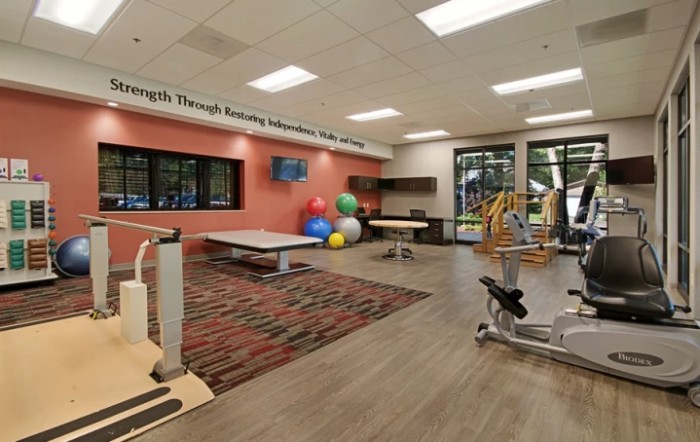
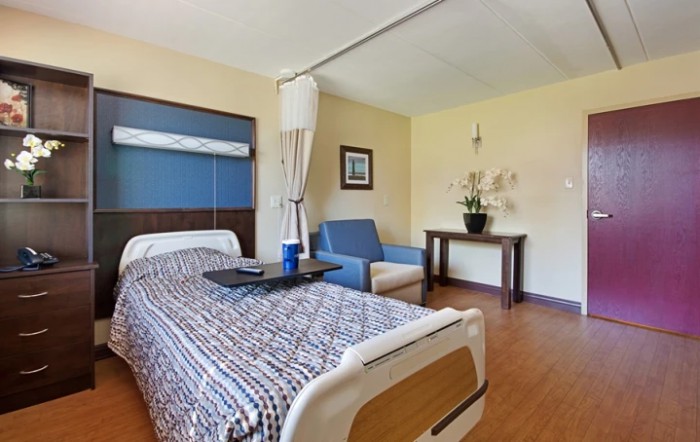
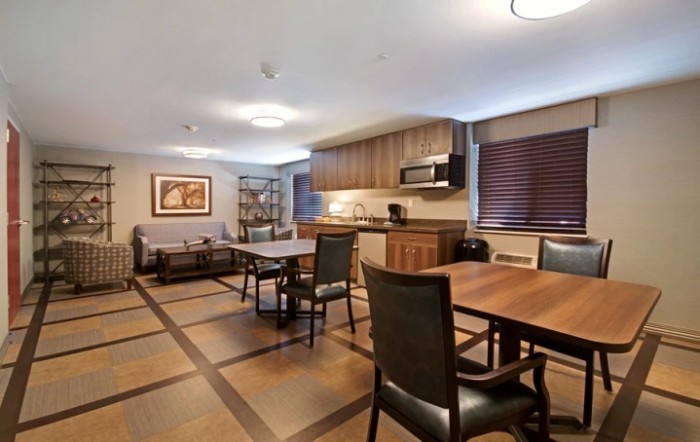
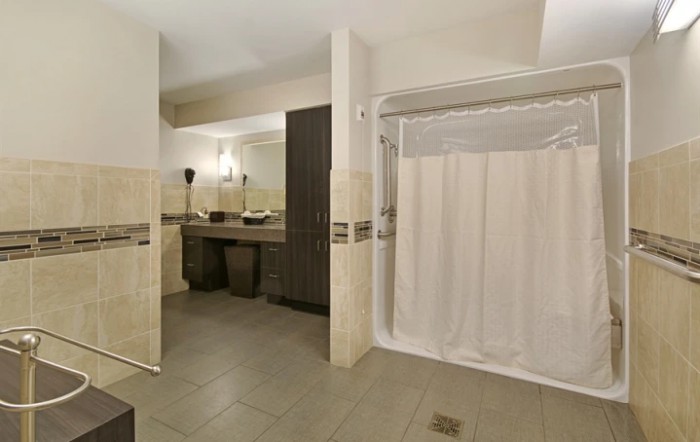
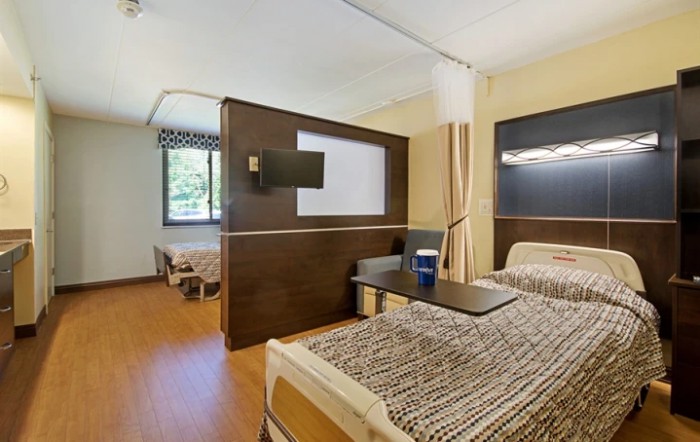
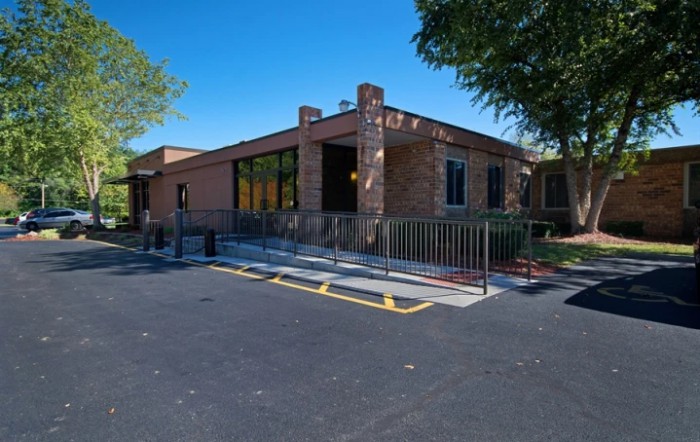
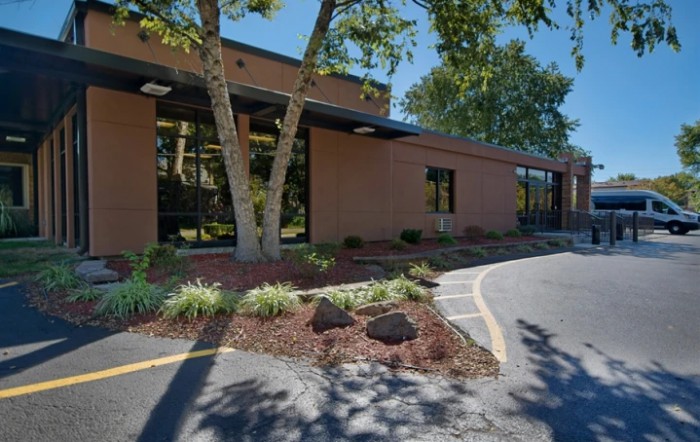
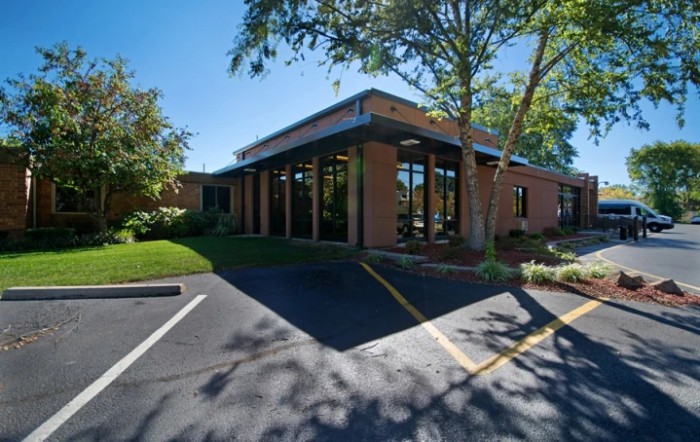
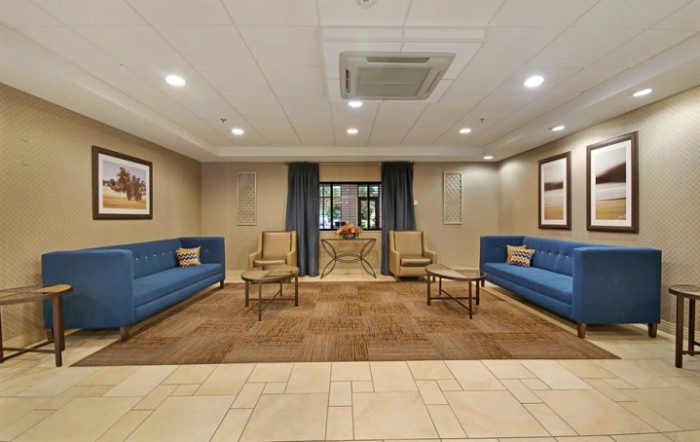
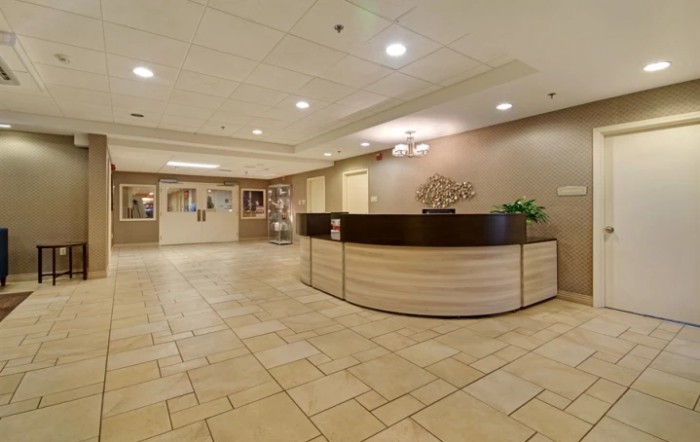
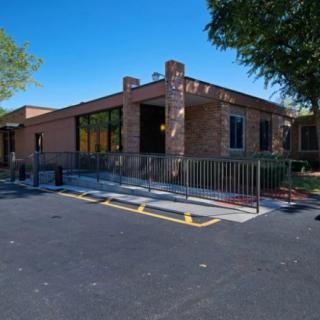
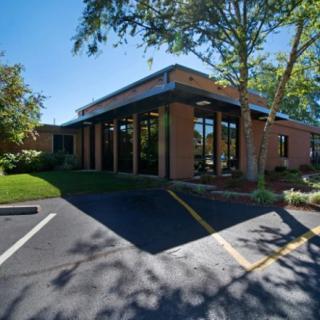
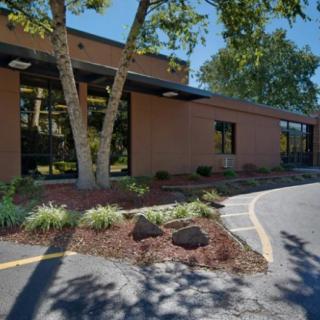
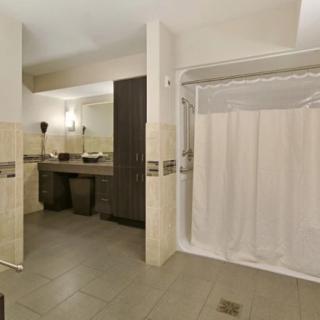
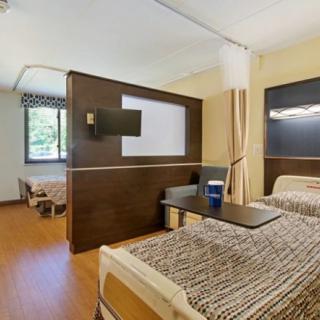
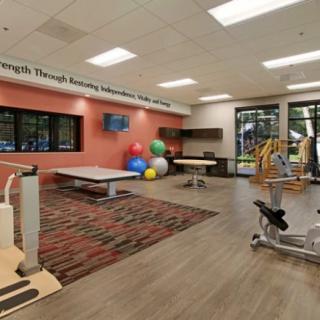
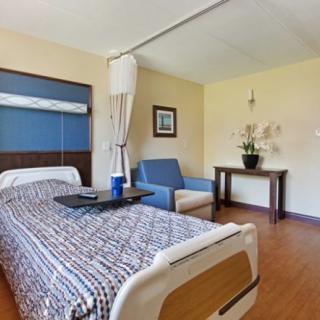
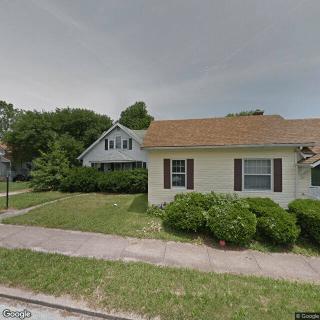
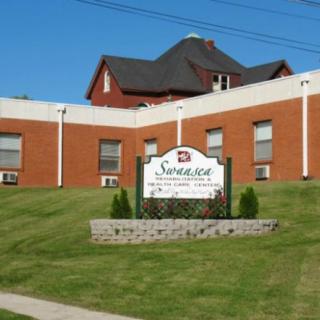
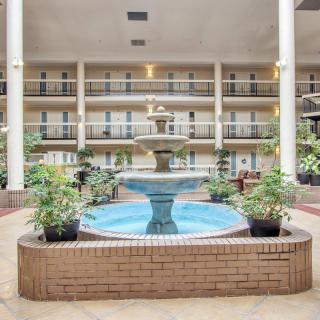
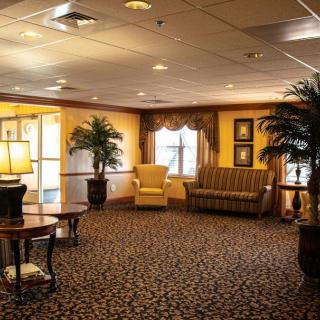
Bria Of Belleville on seniors.fyi includes 10 photos including images showing interior, building, trees, decor, parking, bathroom, lobby, waiting area, and more.
Nearby Communities
Integrity Health Care Of Belleville
Belleville, IL
3.5 from 40 reviews
Comprehensive care with extensive on-site amenities and transportation support.
Calvin Johnson Care Ctr
Belleville, IL
3.4 from 42 reviews
Some staff are friendly and provide rehabilitation support.
St Pauls Senior Community
Belleville, IL
4.1 from 14 reviews
$2,295 to $3,995 / month
Friendly staff and residents in a close, active community with convenient transportation and newly renovated apartments.
Someone Special - Belleville, IL
Belleville, IL
4.8 from 19 reviews
Family involvement enhances support and safety in therapy and caregiving.
Joyous Home Health Care & Services
Belleville, IL
Near extensive amenities and healthcare resources.
Swansea Rehab Health Care
Swansea, IL
3.5 from 50 reviews
24/7 nursing care with extensive on-site amenities
Sycamore Village
Swansea, IL
3.4 from 36 reviews
$3,802 / month
Caring staff and engaging activities.
The Atrium Of Belleville
Belleville, IL
4.5 from 70 reviews
$2,450 to $2,930 / month
Friendly staff, good dining, and a variety of resident activities.
Cambridge House Of Swansea
Swansea, IL
4.2 from 32 reviews
Friendly staff, clean environment, and an active, welcoming community with engaging activities.
The Sandwich Generation comprises adults managing the dual responsibilities of caring for aging parents and raising children, leading to significant emotional, logistical, and financial challenges. This situation is exacerbated by longer life expectancies and cultural expectations, necessitating effective coping strategies and support resources to alleviate caregiver stress and burnout.
The article highlights eight essential assistive devices that improve the independence and safety of older adults, addressing issues related to mobility, balance, vision, hearing, and dexterity. It emphasizes the importance of proper selection guided by healthcare professionals to enhance seniors' quality of life while allowing them to age in place.
The article offers detailed guidance on the financial complexities of nursing home care, covering costs, payment methods, and alternative funding strategies while emphasizing the importance of proactive planning and legal considerations for individuals and families making care decisions.
Get PricingAsk A QuestionSchedule A TourContact Senior Advisor
By clicking submit, you agree to our Partner's Terms of Use. You
also consent to receive calls and texts, which may be autodialed, from our Partner. Your consent is not a condition to
using our Partner's service. Please visit our Partner's Privacy Policy for information about their privacy practices.


 140 resident community capacity
 Skilled Nursing Facility
 Air-conditioning
 Beauty salon
 Cable or satellite TV
 Computer center
 Dining room
 Fitness room
 Fully furnished
 Gaming room
 Garden
 Housekeeping services
 Kitchenette
 Move-in coordination
 Outdoor space
 Private bathrooms
 Restaurant-style dining
 Small library
 Telephone
 Wellness center
 Wi-Fi/high-speed internet available
 Lambert-St Louis International (24 miles away)
 Community operated transportation
 12-16 hour nursing
 24-hour call system
 Activities of daily living assistance
 Assistance with bathing
 Assistance with dressing
 Assistance with transfers
 Diabetes diet
 Medication management
 Mental wellness program
 Special dietary restrictions
 Concierge services
 Planned day trips
 Comprehensive care with extensive on-site amenities and transportation support.


 Understanding the Sandwich Generation: Stress and Responsibilities for Multigenerational Caregivers
 8 Essential Assistive Devices for Older Adults
 Navigating the Financial Road to Nursing Home Care: In-Depth Guidance and Resources