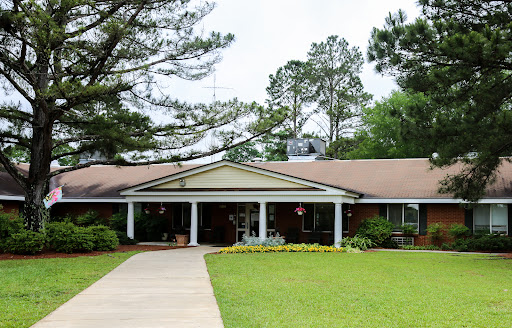

124 Overby Drive, Richland, GA 31825
For more information about senior living options: (866) 208-4318
Overall Review of Four County Health And Rehabilitation
Pros
 The facility has a new administrator who is doing a great job.
- The management team is great and available to help with all questions and concerns.
- The staff are very compassionate and love taking care of the residents.
- Four County Health and Rehab is highly recommended.
- The staff are helpful and respectful to families.
- The facility is clean and the staff are nice, professional, and helpful.
- The administrator and office personnel are helpful with paperwork and insurance questions.
- The staff across the team—office staff, nurses, dietitians, cleaning and maintenance—provide the best care.
Cons
 They report that nearly everything their father owned was missing after his death, including a box with a shoe that did not belong to him, which felt like a slap in the face.
- They warned that residents' personal belongings may not be respected and could be stolen after a death.
- They criticized the administration as ineffective, noting rude phone interactions and failure to follow through on appointments.
- They labeled the facility as the worst nursing home in Georgia and would discourage others from sending loved ones there.
- They described the nurses as excellent but said the administration sucks, signaling broader systemic problems.
- They noted some CNAs are unreliable or have a negative attitude, and that laundry items are often misplaced or not returned.
- They claimed there is a lack of disclosure of information to families.
Review
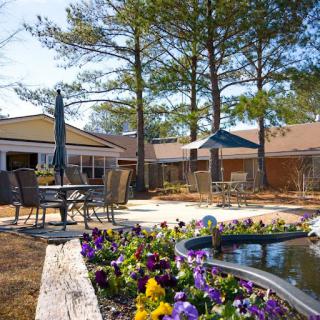
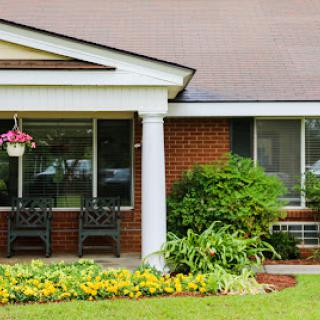
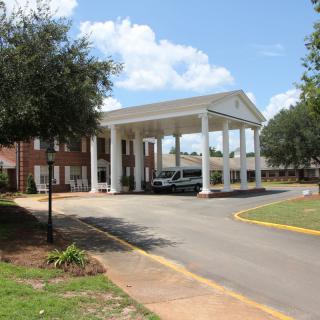
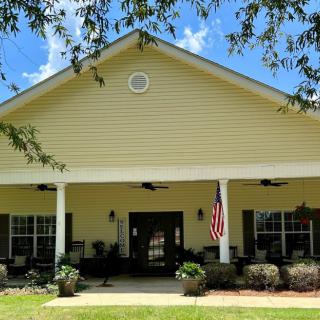
Four County Health And Rehabilitation in Richland, GA is best suited for families seeking hands-on rehab and long-term care with a clearly caring front-line team. This community tends to work well for residents who value a clean, well-maintained environment and staff who demonstrate genuine warmth and competence in daily caregiving. The combination of attentive nurses, therapists, and dietitians, along with an administrator and office team that residents’ families describe as helpful and reachable, makes it a practical anchor for ongoing recovery or extended stays when family involvement remains part of the plan. The facility’s proximity to local communities is a definite plus for families who want to stay engaged without far-travel burdens, and the overall tone from staff is consistently positive on a day-to-day basis.
That said, there is a clear need for alternatives to be considered by families with specific expectations around flawless administration, airtight transparency, and perfect handling of resident belongings. Several reviews flag concerns about administrative communication and reliability, including difficulties in obtaining timely information and missed follow-ups. A notable and distressing point is the report that a loved one’s personal belongings were not recovered after death, underscoring a real risk that some families are not comfortable accepting. Additionally, a subset of reviews describe staffing challenges, limited numbers of aides, turnover, and uneven responsiveness, which can amplify worry for families that require highly predictable service levels or who cannot tolerate sporadic contact when a loved one is in care.
The strongest offset to these concerns lies in the proven strength of direct caregiving: nurses, aides, and therapy teams who are described as compassionate, skilled, and deeply engaged with residents. Families repeatedly highlight how staff genuinely loves their work and shows up with warmth and competence, which translates into meaningful daily care and responsive medical attention. The clinical team’s competence is reinforced by positive remarks from a resident’s family member who is a veteran nurse, noting that the care level stands above most other facilities in the region. Cleanliness and a professional demeanor among staff across departments, office, dietary, and maintenance, also reinforce confidence that, when priorities are clear, residents receive solid, respectful treatment.
Yet the administration’s performance remains a live variable. The better-reported experiences emphasize a helpful administrative front desk, proactive assistance with insurance questions, and accessible communication when questions arise. Conversely, other reviews describe a different reality: one case cites a specific staff member who appeared dismissive and unavailable, and another points to gaps in meeting family needs or sharing information promptly. The laundry and belongings issues cited in some accounts, while not universal, signal a recurring theme: accountability and process consistency at the administrative level need ongoing attention. Families should be prepared to establish explicit lines of communication, with a designated point of contact and documented care plans that are reviewed regularly.
From a decision-making vantage point, Four County makes sense for families who can couple the strong caregiving culture with disciplined family engagement. Prospective residents should actively inquire about staffing ratios during peak hours, the cadence of progress notes and family updates, and the facility’s protocol for safeguarding resident belongings and personal items, especially around transitions and after transitions out of the facility. Scheduling a tour and requesting a hands-on interaction with the administrator, along with a care-planning meeting, can reveal whether real-time communication aligns with expectations. It’s prudent to request a sample care plan and a transparent outline of who oversees reviews of incident reports, inventory management, and family outreach so that potential gaps are spotted early.
In the end, the practical calculus comes down to trade-offs. Four County Health And Rehabilitation delivers dependable, compassionate care in a well-kept setting with a skilled clinical team that can produce excellent outcomes for rehab and long-term stays when families are prepared to participate actively in oversight and communications. The main cons, staffing variability, administrative obliqueness at times, and the troubling possibility of belongings not being treated with care, do not erase the positives, but they do alter the decision for families who require pristine consistency and flawless transparency. For those willing to implement structured communication, insist on clear accountability, and vigilantly protect personal items, this community represents a solid, pragmatic option. For families who prioritize uninterrupted administrative reliability and a near-certain guarantee that belongings and private information are handled with impeccable care, exploring alternatives with stronger governance and higher staffing consistency may be the wiser course.
 85 resident community capacity
 Skilled Nursing Facility
 Air-conditioning
 Beauty salon
 Cable or satellite TV
 Computer center
 Dining room
 Fitness room
 Fully furnished
 Gaming room
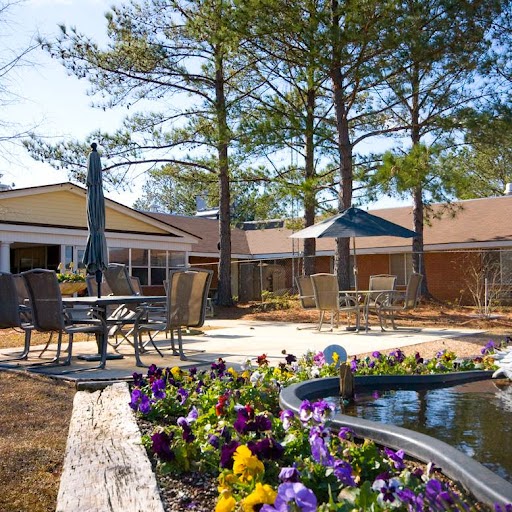
 Garden
 Housekeeping services
 Kitchenette
 Move-in coordination
 Outdoor space
 Private bathrooms
 Restaurant-style dining
 Small library
 Telephone
 Wellness center
 Wi-Fi/high-speed internet available
 Community operated transportation
 12-16 hour nursing
 24-hour call system
 Activities of daily living assistance
 Assistance with bathing
 Assistance with dressing
 Assistance with transfers
 Diabetes diet
 Medication management
 Mental wellness program
 Special dietary restrictions
 Concierge services
 Planned day trips




 Understanding the Nuances of Palliative Care and Hospice: A Comprehensive Exploration
 Is In-Home Healthcare Tax Deductible? Your Comprehensive Guide
 Nurturing Well-Being Through Gardening: A Detailed Guide for Senior Enthusiasts