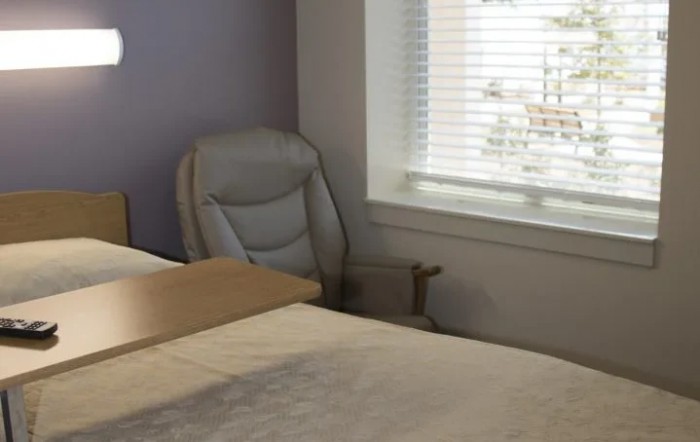

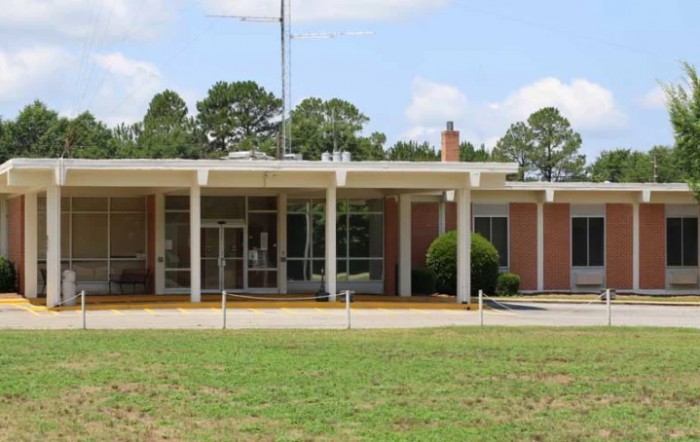
349 Geneva Road, Buena Vista, GA 31803
For more information about senior living options: (866) 208-4318
Overall Review of Magnolia Manor Of Marion County
Pros
 They were extremely impressed with the level of care and attention provided to all the residents.
- They observed an awesome activity surrounded by friendly and compassionate staff.
- It is described as a great place.
- They’ve recently remodeled, added more beds, and improved offices.
- The staff are nice and take good care of the residents.
- Magnolia Manor was an excellent choice for his uncle; it provides for his health, companionship, and a friendly, caring staff.
- They provide lots of projects to keep him busy, and he has access to the outside through visits and family day trips.
- He is well cared for and says he is the happiest he’s been in a long time.
Cons
 They have not been having a good feeling about tonight, given there is one CNA for 44 patients.
 - They question how one person can care for 44 patients in a twelve-hour shift.
- They feel this is not a good place for their mother.
Review
Magnolia Manor of Marion County in Buena Vista, Georgia is best suited for seniors who want an active, neighborly atmosphere where staff responsiveness and social programming underpin daily life. The community shines for residents who thrive on structured activities, friendly interactions, and reliable companionship from a caring team. It suits families seeking a welcoming setting that feels like home, with visible remodeling and a sense that staff are engaged in daily wellbeing. For those transitioning from independent living or needing assisted support with a strong emphasis on community life, Magnolia Manor offers a credible blend of care and connection.
However, there are clear caveats that may push some families toward alternatives. Residents requiring constant one-to-one supervision or high-acuity medical care may find the staffing model challenging, given reports of stretched caregiver coverage during long shifts. Those needing memory-care specific programming or more intensive clinical oversight may prefer communities with dedicated dementia units and higher nurse-to-resident ratios. Families seeking sophisticated rehabilitation, robust on-site therapy, or a larger campus with expansive resources might explore options elsewhere.
On the upside, the layout and amenities have seen meaningful upgrades. Remodels have added beds and improved offices, signaling ongoing investment in the facility. The staff are consistently described as nice, professional, and courteous, delivering care in a patient and compassionate manner. The daily routine centers on purposeful activities that keep minds and hands busy, and there is solid reassurance in opportunities to visit and participate in social days with family or friends. A strong throughline in family experiences is companionship and personal attention that helps residents feel seen and valued.
Yet the reality is not uniform, and staffing realities can temper the experience. A notable critique centers on insufficient staffing during extended shifts, raising concerns about the ability to meet all needs promptly. Reviewers stress that when caregiver coverage feels stretched, even well-intentioned teams cannot guarantee seamless, constant supervision. The mix of reviews, while many are highly favorable, suggests that the experience can vary by shift or unit. This inconsistency is a legitimate consideration for families evaluating risk tolerance around care intensity and safety.
Still, the strongest positives supply a meaningful offset. The warmth of the staff and the vibrant activity calendar translate into tangible daily-life benefits: residents remain engaged, sociable, and maintain a sense of purpose, which often correlates with improved mood and satisfaction. Facility upgrades contribute to a more comfortable, accessible environment that feels modern rather than clinical. The capacity for outside visits, day trips, and family days reinforces lasting connections with loved ones, a critical factor for long-term wellbeing. For many residents, these factors outweigh occasional staffing stress, particularly when families can supplement with planned visits or additional caregiving support.
Decision guidance: Magnolia Manor is a solid fit for families prioritizing warmth, conversation, and an active calendar, especially when a supported living option with social engagement is valued over relentless clinical intensity. For those unable to compromise on daily nurse presence or specialized dementia care, exploring alternatives with stronger staffing metrics will be prudent. Prospective residents should schedule a thorough tour, observe shift dynamics, and request current staffing ratios, care plans, and therapy options. Verify rehab services meet expectations and discuss how family involvement can complement care. When aligned, Magnolia Manor can deliver a home-like, engaging environment with dependable staff and a community that residents look forward to joining each day.
 70 resident community capacity
 Skilled Nursing Facility
 Air-conditioning
 Beauty salon
 Cable or satellite TV
 Computer center
 Dining room
 Fitness room
 Fully furnished
 Gaming room
 Garden
 Housekeeping services
 Kitchenette
 Move-in coordination
 Outdoor space
 Private bathrooms
 Restaurant-style dining
 Small library
 Telephone
 Wellness center
 Wi-Fi/high-speed internet available
 Community operated transportation
 12-16 hour nursing
 24-hour call system
 Activities of daily living assistance
 Assistance with bathing
 Assistance with dressing
 Assistance with transfers
 Diabetes diet
 Medication management
 Mental wellness program
 Special dietary restrictions
 Concierge services
 Planned day trips





 Exploring the World of Home Health Nurses: Qualifications, Roles, and Hiring Tips
 Navigating Medicare Coverage for In-Home Care Services
 In-Home Care Costs in 2025: A Detailed State-by-State Exploration