Magnolia Manor of Americus offers a competitive range of monthly costs for its accommodations, particularly when compared to local and state averages. For a studio apartment, residents can expect to pay $2,858, which is higher than the Sumter County average of $2,479 yet notably lower than the Georgia state average of $3,520. The one-bedroom option is priced at $3,364 - a figure that surpasses the county's average of $2,589 but remains slightly below the statewide average of $3,412. Interestingly, for two-bedroom units, Magnolia Manor aligns perfectly with the Sumter County cost at $4,765 while still being higher than the state average of $3,921. Overall, these pricing structures reflect Magnolia Manor's commitment to providing quality senior living solutions tailored to meet diverse needs within a competitive market landscape.
Floor plans
Magnolia Manor of Americus
Sumter County
Georgia
Studio
$2,858
$2,479
$3,520
1 Bedroom
$3,364
$2,589
$3,412
2 Bedrooms
$4,765
$4,765
$3,921
Overall Review of Magnolia Manor of Americus
common9 reviews mention this
Dining is consistently important
Dining quality and variety come up repeatedly across reviews.
Multiple residents and family members describe the food positively, including cafeteria meals that they say taste good. Several also mention meal appeal and choice, and at least one review says the meals fit well for their loved one. This lines up with the community offering restaurant-style dining and multiple dietary options like gluten-free, low- or no-sodium, and no-sugar meals.
differentiator4 reviews mention this
Wellness center and pool
The on-site wellness setup is a clear draw for residents and visitors.
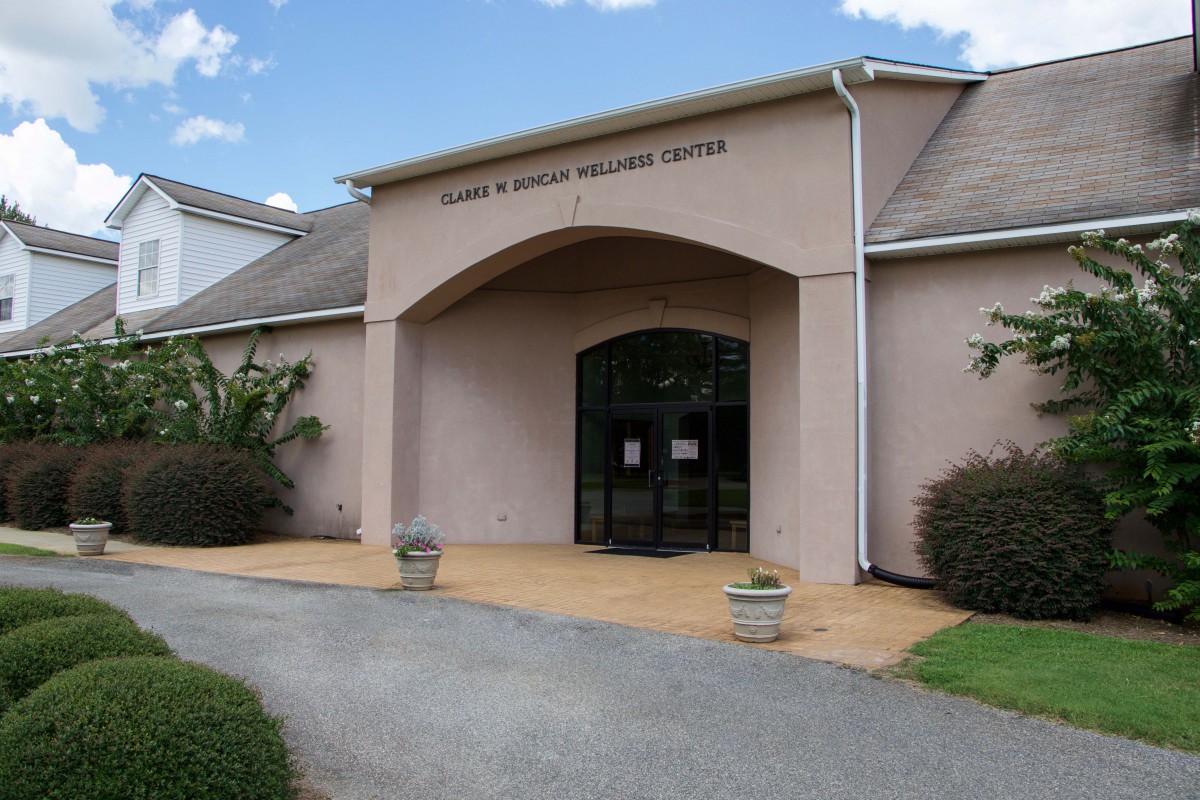
Several reviews highlight workouts and time in the community’s wellness space, with mentions of swimming and exercise. One review specifically describes the wellness center as well equipped, including pool and training areas, and another calls out clean facilities and helpful, kind staff. The community also lists a swimming pool or hot tub as part of its offered amenities.
caveat5 reviews mention this
Price and value vary by level
Pricing comes up often, with value emphasized but some assisted living costs criticized.
Some reviewers frame the community as more affordable and describe it as a simple, lower-cost option compared with places in bigger cities. Others also point to value when recommending the community. At the same time, one review says assisted living feels very expensive and depressing, while independent living is described more favorably. Across unit types, the listed pricing ranges sit at different margins versus county and state benchmarks in the provided pricing summary.
caveat7 reviews mention this
Care and communication concerns
A recurring concern is how care and communication are handled.
A number of the most critical reviews describe neglectful care and failures in communication, including issues tied to notifications, care plans, and medication handling. Some accounts also describe residents not being monitored adequately and incidents framed as preventable. While other reviews speak positively about nurses, aides, and being well cared for, the negative experiences create a clear split in resident-family feedback.
caveat9 reviews mention this
Cleanliness is a mixed signal
Reviews mention a clean campus, but cleaning quality is also criticized.
Many reviews say the facility is clean, well maintained, and well-kept, including bathrooms and the overall campus. Others still raise concerns that cleaning needs improvement or that certain areas feel older and dated. This combination matches the community’s upkeep-related mentions while also leaving room to verify current housekeeping standards during a visit.
caveat2 reviews mention this
Wi‑Fi and connectivity issues
Internet and phone reception are not consistent across reviews.
One review says residents and visitors can access free Wi‑Fi, but another describes slow dial-up internet and very limited cell reception. Because both types of experiences appear in the feedback, it’s worth checking connectivity in the unit or common areas you’d expect to use most.
How we summarize
Counts show how many written reviews mention each theme; a review can touch several themes, and only frequently mentioned themes are displayed.
Features
Types of Care
Assisted Living
Independent Living
Memory Care
Amenities
Activities on-site
Air-conditioning
Beautician on-site
Cable or satellite TV
Devotional services off-site
Devotional services on-site
Full kitchen
Ground floor units
Indoor common areas
Kitchenette
Outdoor common areas
Swimming pool / hot tub
Wi-Fi/high-speed internet available
Care Services
Ambulatory care
Incontinence care
Medication management
Dining
Gluten-free
Guest meals
Low / no sodium
Meals provided
No Sugar
Restaurant style dining
Activities
Art classes
Bible study group
Catholic services
Day trips and outings
Devotional activities offsite
Devotional activities on-site
Live dance or theater performances
Live musical performances
Other religious services
Protestant services
Visiting chaplain or priest
Nearby Places of Interest
This part of Americus, Georgia, offers a range of amenities within close proximity, making it a convenient and accessible location for senior living. With various places of worship nearby, including the General Conference Of Seventh-Day Adventists and Church of Jesus Christ of Latter Day Saints, residents have ample opportunities for spiritual engagement. Additionally, there are several dining options such as Pat's Place and Chick-Fil-A, providing seniors with diverse choices for meals. Transportation services like U-Haul Neighborhood Dealer and SAM Shortline Excursion Train are available for easy travel around the area. Medical facilities like Americus OBGYN and Regional Eye Center offer comprehensive healthcare services, ensuring seniors have access to quality medical care. Overall, this neighborhood provides a blend of convenience and essential services that make it a desirable location for senior living in Americus.
Places of Worship
General Conference Of Seventh-Day Adventists (0.1 miles)
Church of Jesus Christ of Latter Day Saints (0.2 miles)
Magnolia Manor of Americus offers a competitive range of monthly costs for its accommodations, particularly when compared to local and state averages. For a studio apartment, residents can expect to pay $2,858, which is higher than the Sumter County average of $2,479 yet notably lower than the Georgia state average of $3,520. The one-bedroom option is priced at $3,364 - a figure that surpasses the county's average of $2,589 but remains slightly below the statewide average of $3,412. Interestingly, for two-bedroom units, Magnolia Manor aligns perfectly with the Sumter County cost at $4,765 while still being higher than the state average of $3,921. Overall, these pricing structures reflect Magnolia Manor's commitment to providing quality senior living solutions tailored to meet diverse needs within a competitive market landscape.
Magnolia Manor of Americus offers medication management and incontinence care as essential features that significantly enhance the quality of life for residents with dementia or Alzheimer's disease. Effective medication management ensures that residents receive the correct dosages at the appropriate times, helping to stabilize their conditions and alleviate symptoms associated with cognitive decline. This careful oversight mitigates the potential for confusion or forgetfulness related to medications, which can exacerbate health issues. Incontinence care, on the other hand, provides dignity and comfort by addressing a common challenge faced by individuals with memory impairments. With trained staff available to assist residents discreetly, it reduces anxiety and promotes a sense of security, allowing them to focus on social engagement and cognitive activities rather than worry about personal hygiene. Together, these features create a supportive environment tailored to meet the unique needs of those living with memory-related challenges.
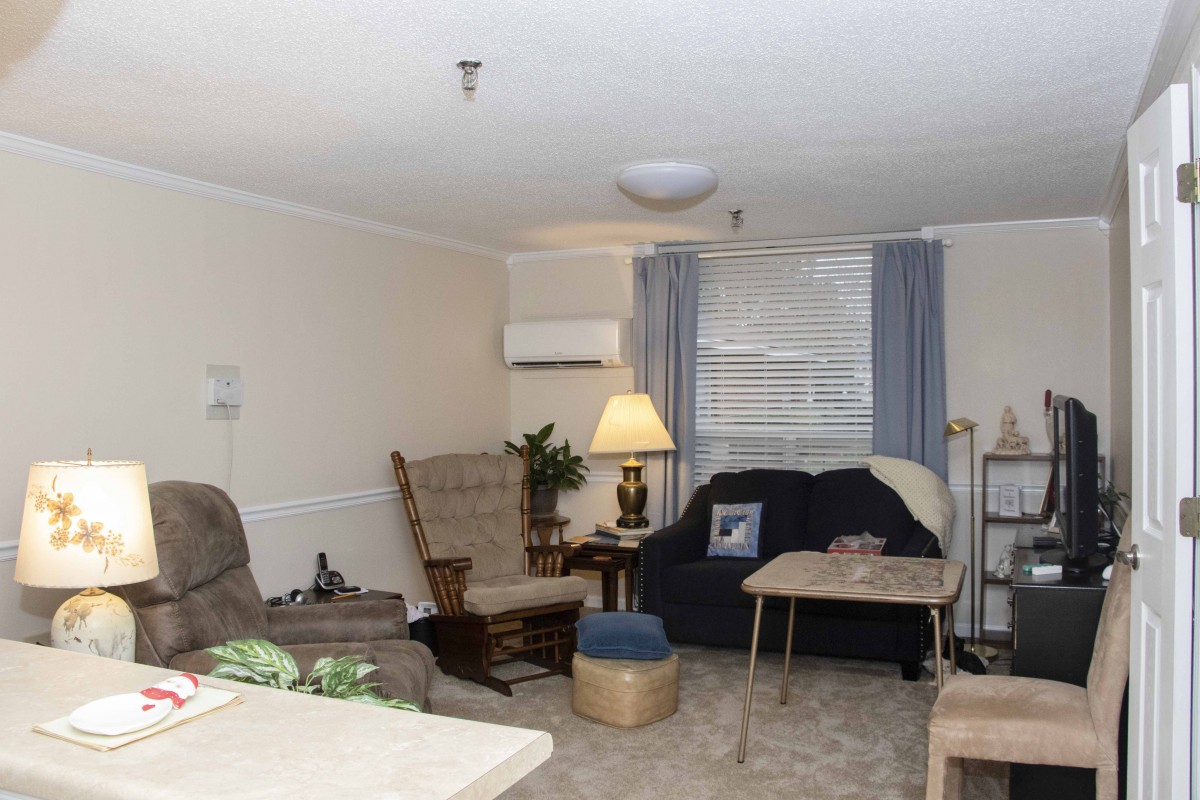
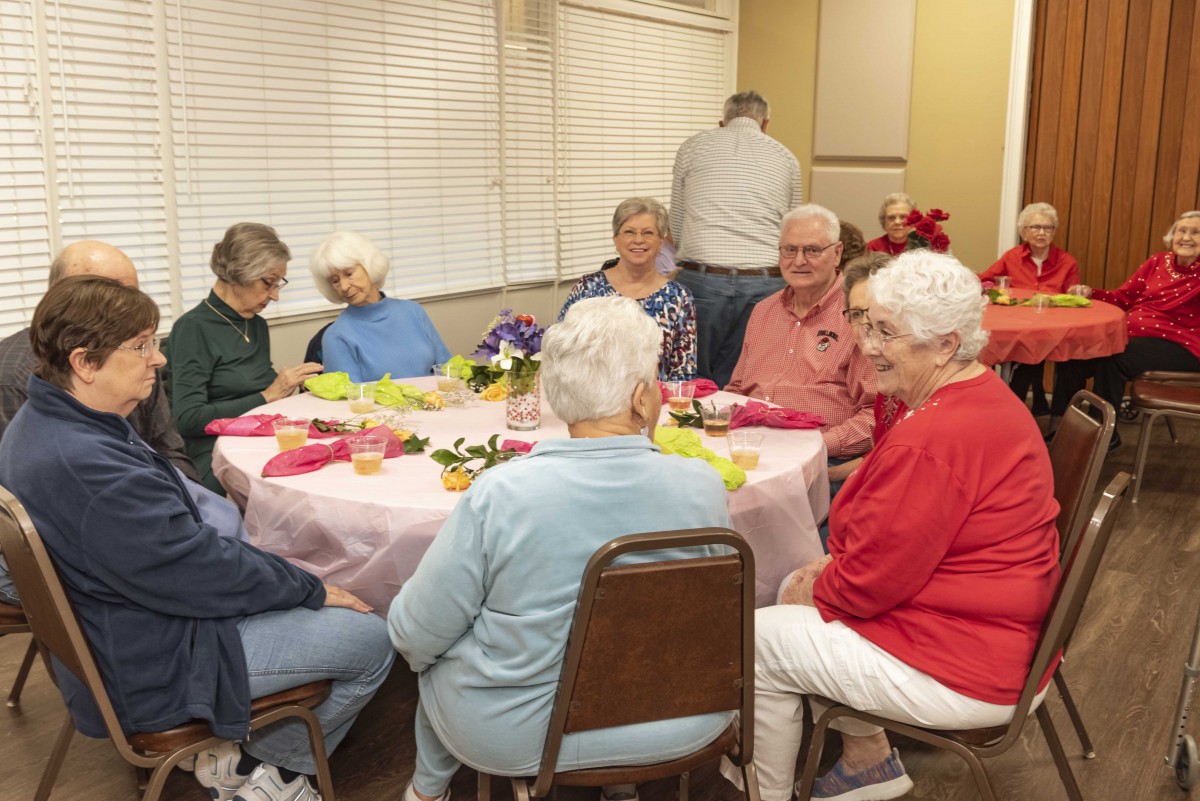
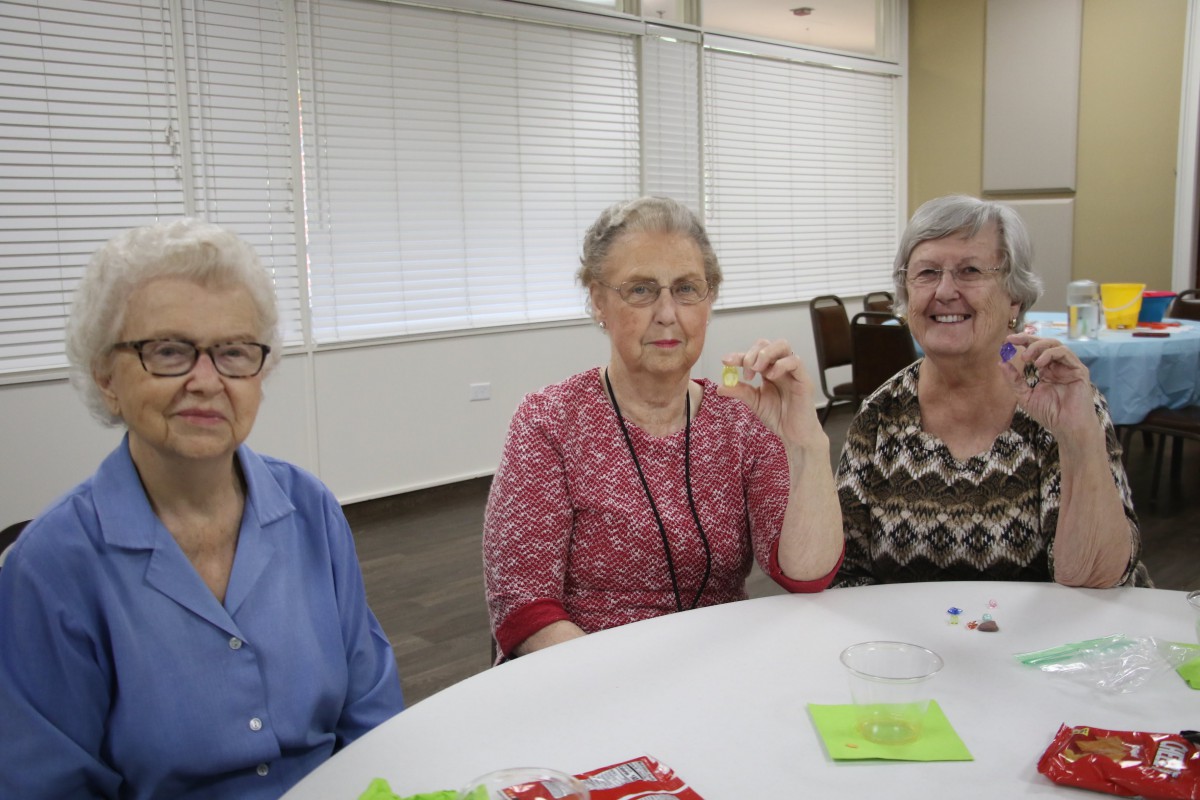
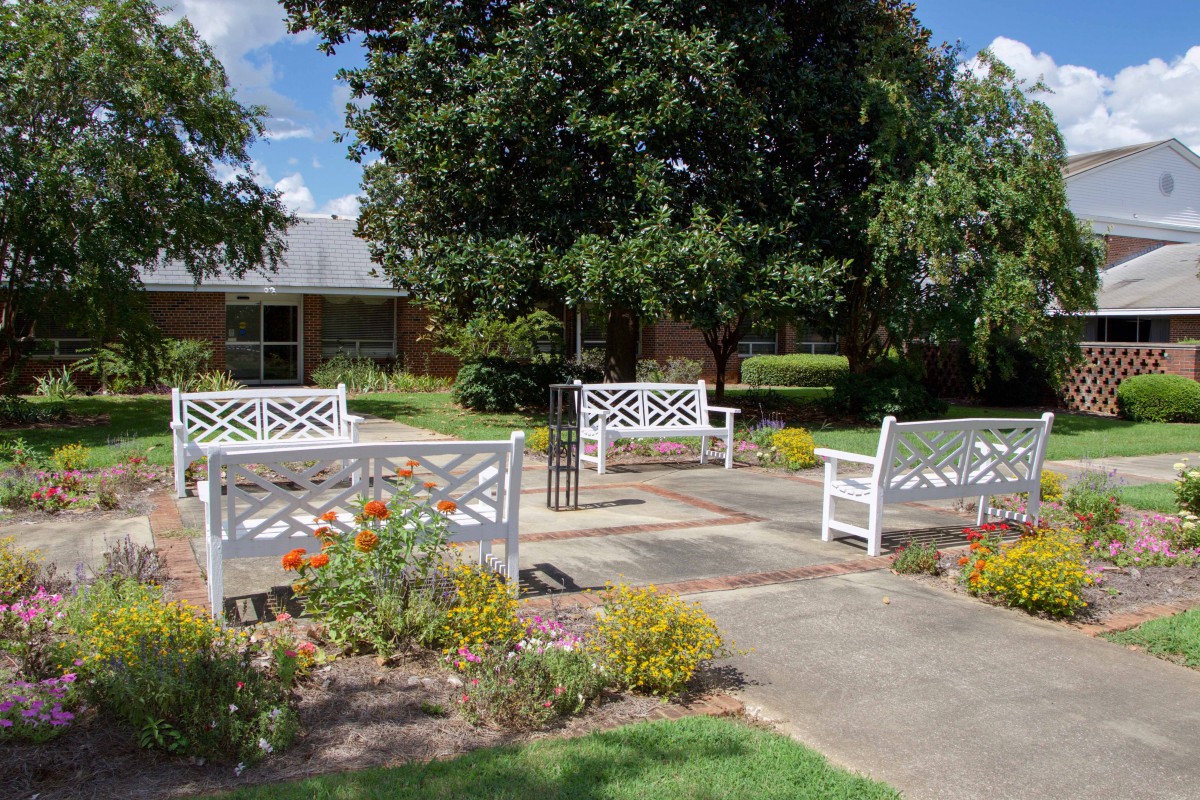
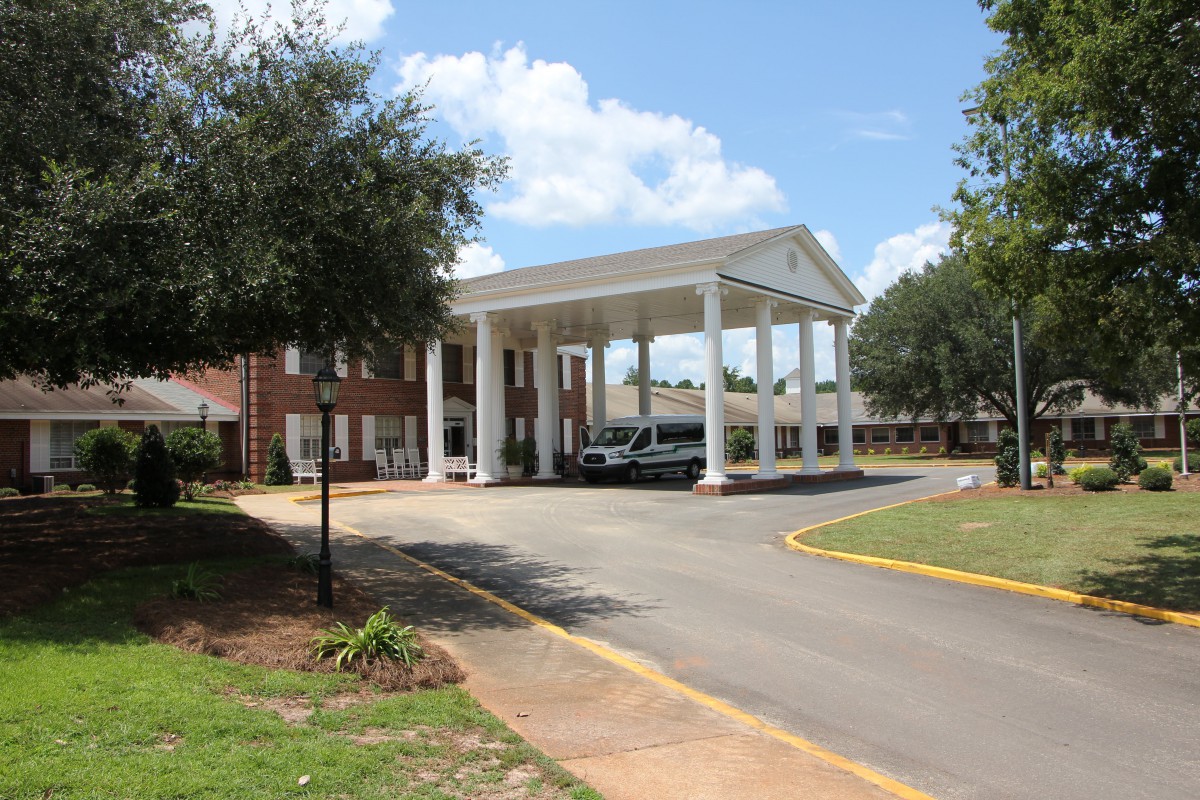
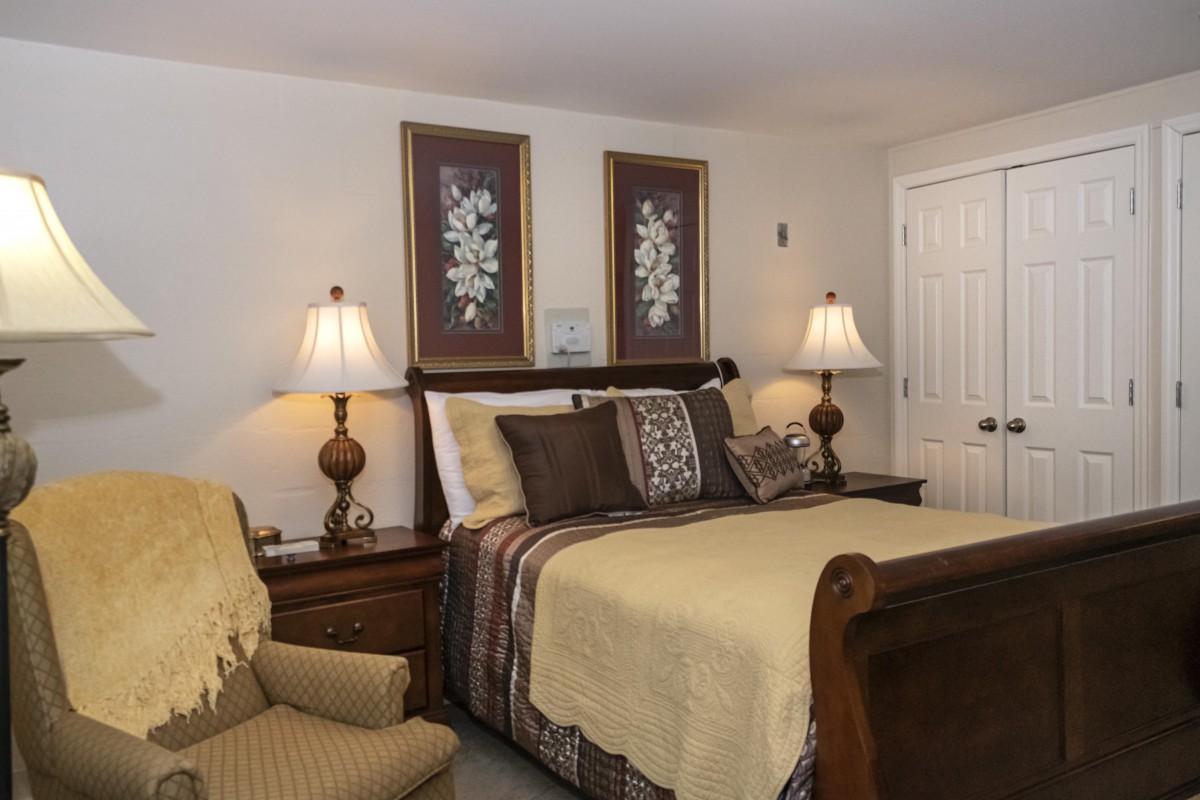
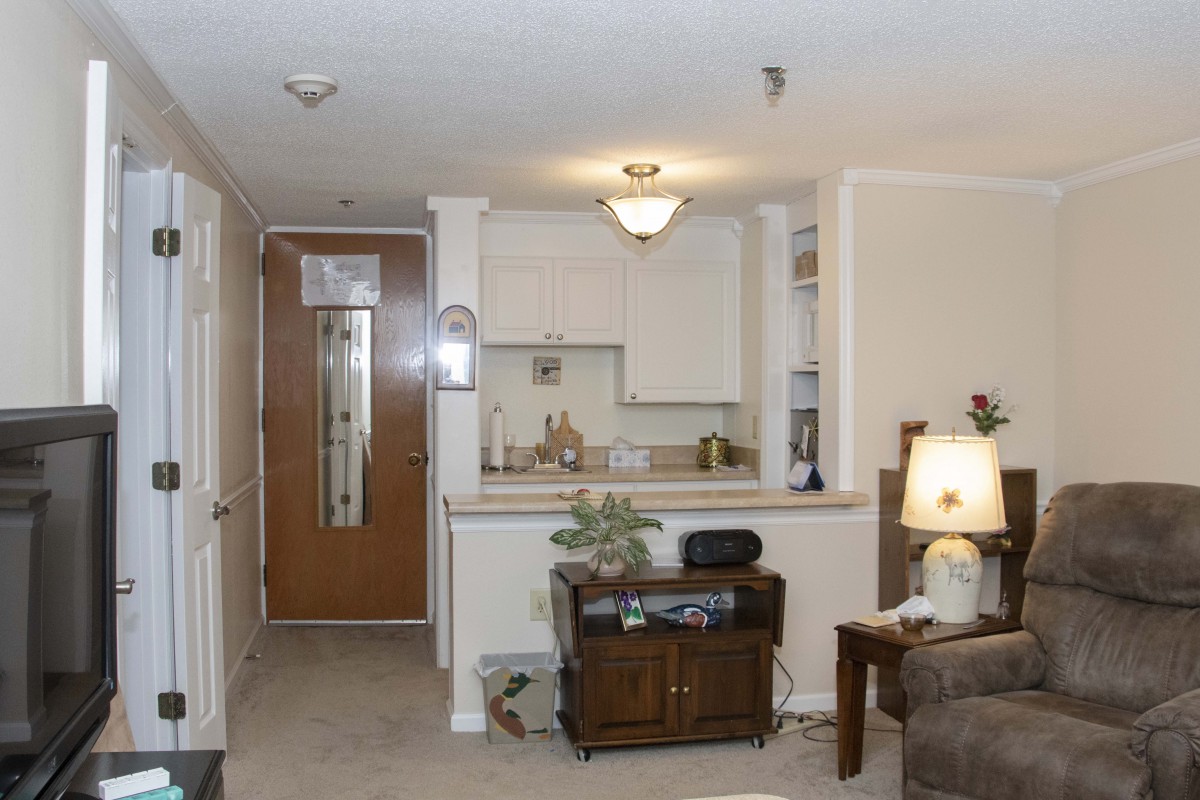
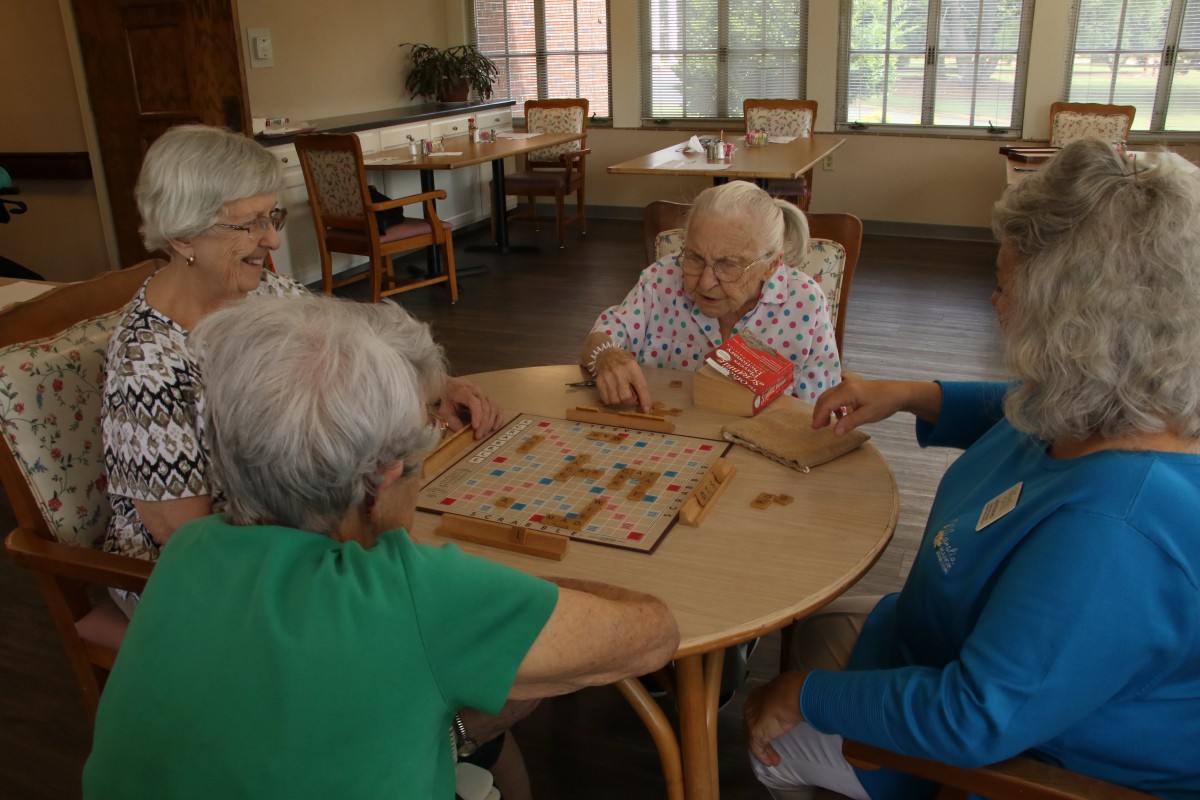
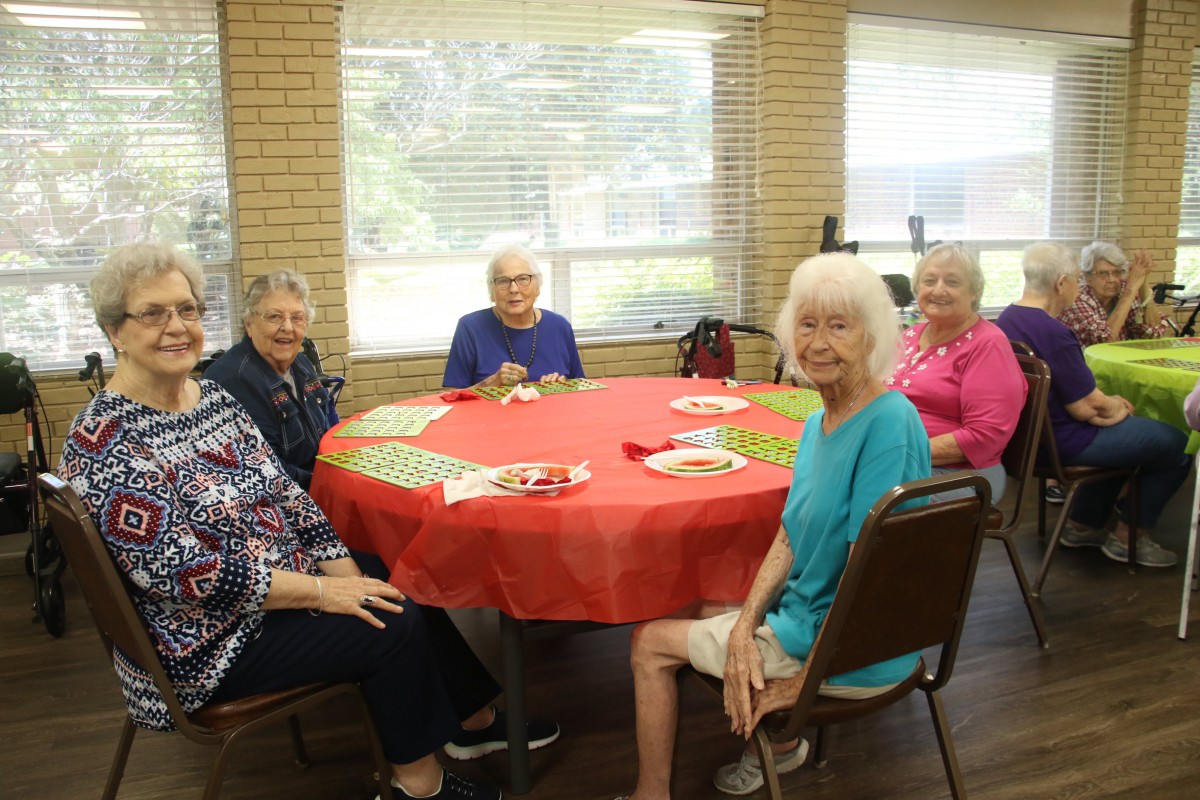
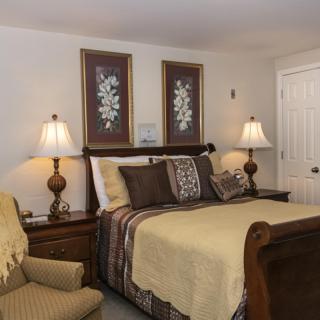
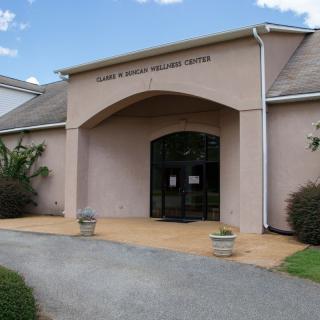
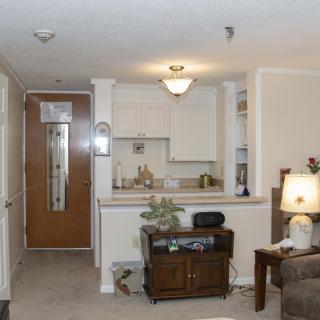
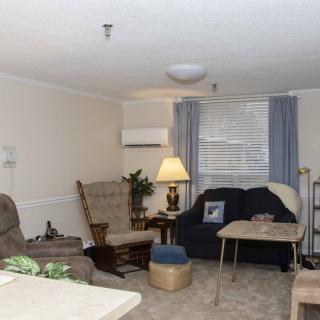
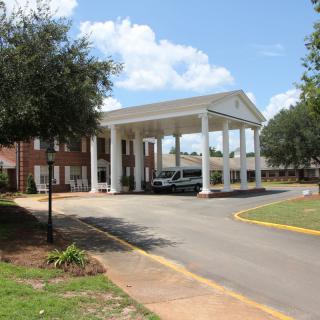
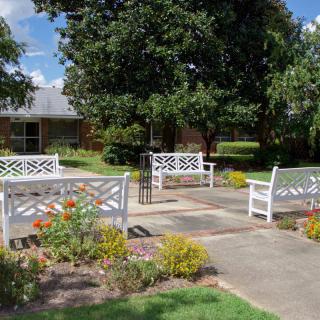
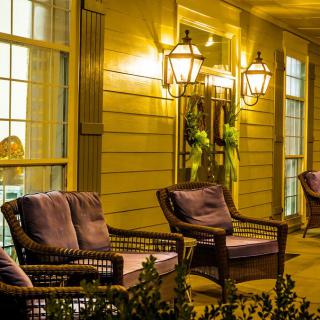
Magnolia Manor of Americus on seniors.fyi includes 10 photos including images showing interior, decor, living room, building, entrance, trees, bedroom, kitchen, and more.
Nearby Communities
Magnolia Manor
Americus, GA
4.3 from 95 reviews
$4,135 / month
Friendly staff and well-maintained facilities with diverse activities and strong wellness amenities.
Angel Wings Personal Care Home
Americus, GA
24/7 supervision with meals, medication management, and social activities.
Innovative Senior Solutions Pch Of Americus
Americus, GA
4.5 from 20 reviews
Small, personalized board-and-care with 24/7 supervision, meals with dietary options, housekeeping, and transportation coordination.
Hope House
Americus, GA
5 from 3 reviews
Comprehensive care (ADL support, meds, meals, transportation) with engaging activities.
Rose House Intensive Training Residence
Americus, GA
2.5 from 6 reviews
24/7 supervision with comprehensive care (ADL support, medication management) and on-site meals.
C And L Home Away From Home
Americus, GA
3 from 2 reviews
Small, home-like setting with personalized care and diabetes support.
Fellowship Home At Cordelia Manor
Cordele, GA
4.3 from 32 reviews
$1,400 / month
Clean, well-maintained facility with caring staff and attractive amenities.
Isabella Manor
Albany, GA
5 from 2 reviews
Fully furnished rooms with meals, housekeeping, medication management, and transportation to medical appointments.
Caregiver support groups are crucial for providing emotional and practical assistance to those caring for loved ones, offering resources, coping strategies, and a sense of community through various organizations and platforms. These groups help alleviate isolation and burnout while addressing the unique challenges faced by caregivers of individuals with specific conditions.
The guide outlines the complexities of Medicaid coverage for assisted living, highlighting significant state-to-state variations, limited coverage often restricted to personal care services, and the existence of specialized waivers for certain needs like memory care. It advises families to consult local Medicaid offices for options while emphasizing the importance of understanding state-specific regulations and facility policies.
Medicaid coverage for assisted living varies by state and is primarily available to low-income individuals, with eligibility dependent on strict income and asset limits. Some states offer HCBS waivers for specific services in assisted living, but families must generally cover room and board costs, and should verify facility acceptance of Medicaid while considering potential waiting lists.
Get PricingAsk A QuestionSchedule A TourContact Senior Advisor
By clicking submit, you agree to our Partner's Terms of Use. You
also consent to receive calls and texts, which may be autodialed, from our Partner. Your consent is not a condition to
using our Partner's service. Please visit our Partner's Privacy Policy for information about their privacy practices.


 Assisted Living
 Independent Living
 Memory Care
 Activities on-site
 Air-conditioning
 Beautician on-site
 Cable or satellite TV
 Devotional services off-site
 Full kitchen
 Ground floor units
 Indoor common areas
 Outdoor common areas
 Swimming pool / hot tub
 Wi-Fi/high-speed internet available
 Ambulatory care
 Incontinence care
 Medication management
 Gluten-free
 Art classes
 Bible study group
 Day trips and outings
 Live dance or theater performances
 Live musical performances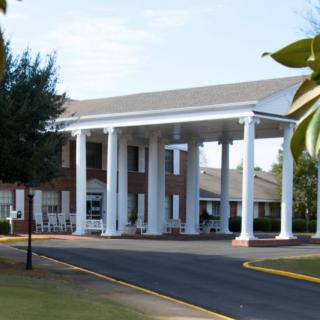
 Friendly staff and well-maintained facilities with diverse activities and strong wellness amenities.
 22 Remarkable Caregiver Support Groups Available Online and In-Person
 Understanding Medicaid Coverage for Assisted Living: A Comprehensive Guide
 How and When Medicaid May Cover Assisted Living Costs