Traditions Health And Rehabilitation in Lithonia, GA

Save

  • Interior

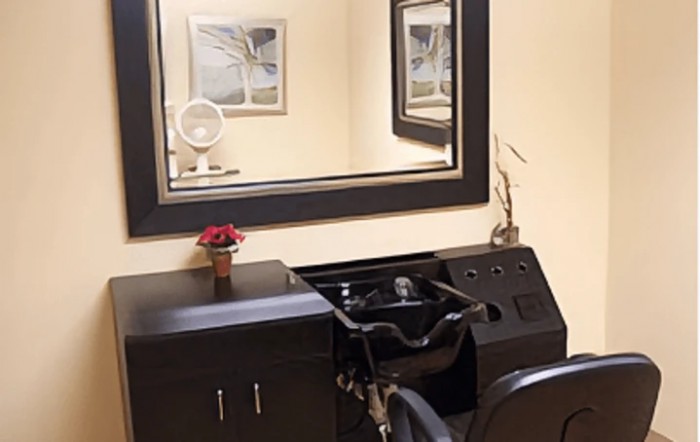
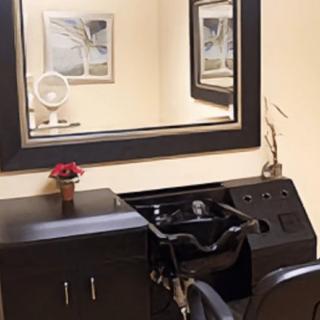
    A salon hair wash station with a large mirror and sink.
  • Decor

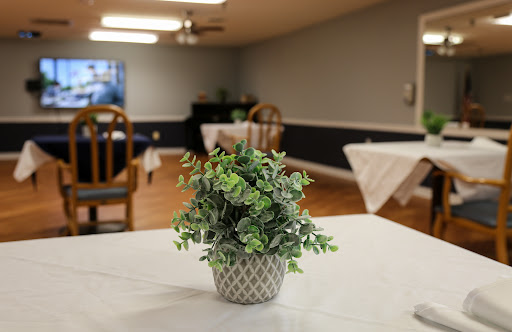
    A cozy dining area featuring a decorative plant on a table, with chairs in the background.
  • Living Room

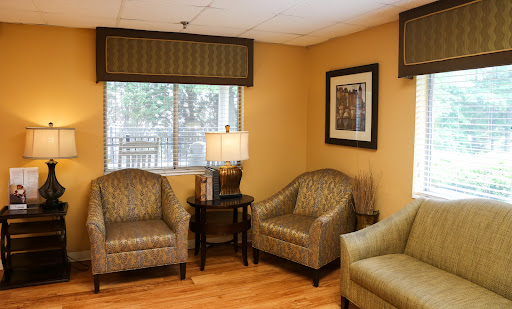
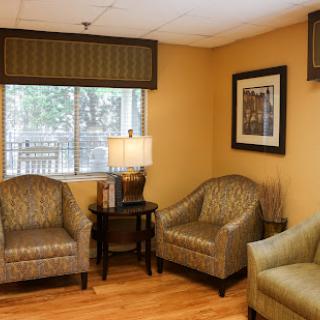
    A cozy living room setup featuring comfortable chairs, a lamp, and an artwork on the wall.
  • Building

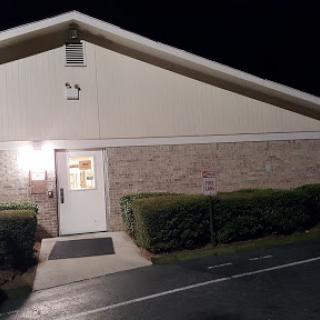
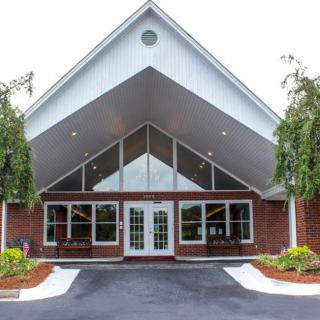
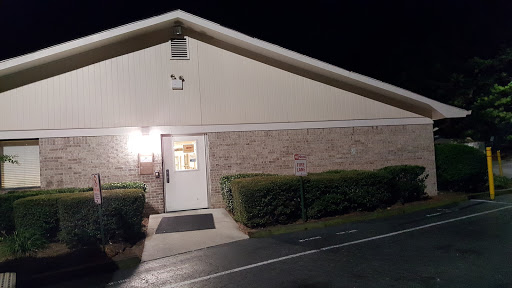
    A well-lit building entrance at night, showcasing brick and landscaping.
  • Bedroom

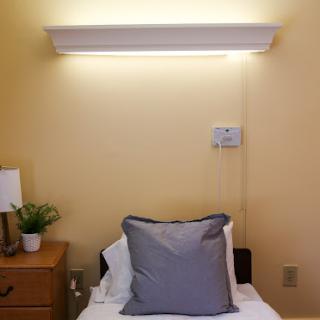
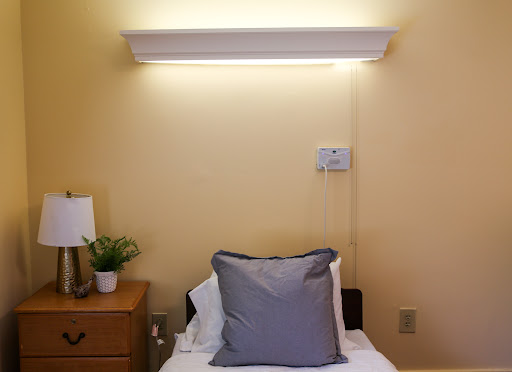
    A cozy corner of a bedroom featuring soft lighting, comfortable bedding, and a touch of greenery.
  • Windows

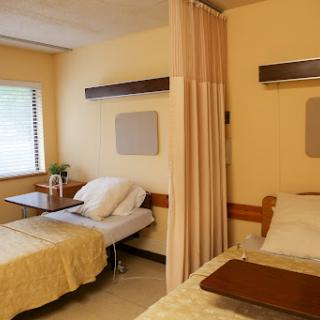
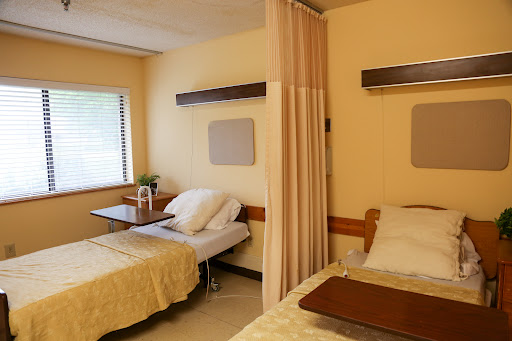
    A well-lit hospital patient room featuring two beds separated by a curtain.
  • Landscaping

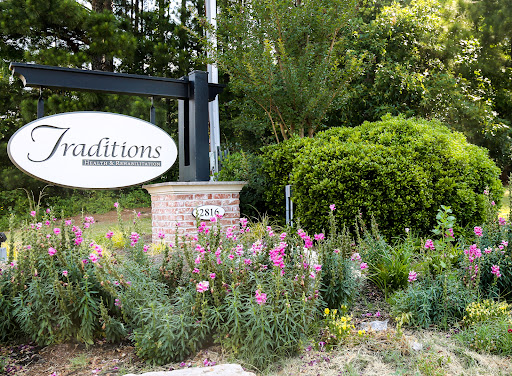
    A welcoming sign for the community of Traditions, surrounded by vibrant flowers and lush greenery.
  • Kitchen

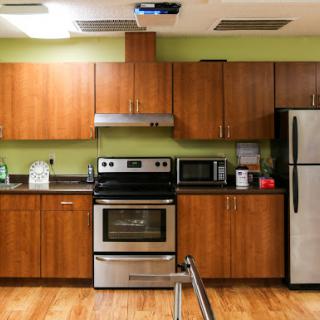
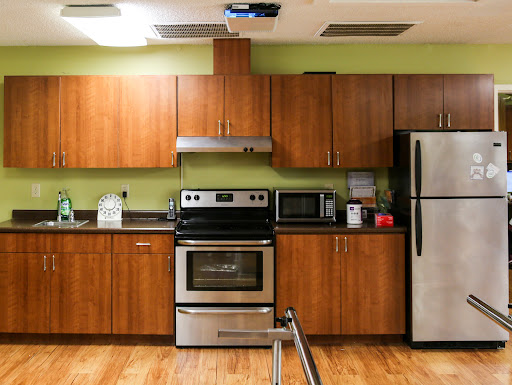
    A modern kitchen featuring stainless steel appliances and wooden cabinets.
  • Artwork

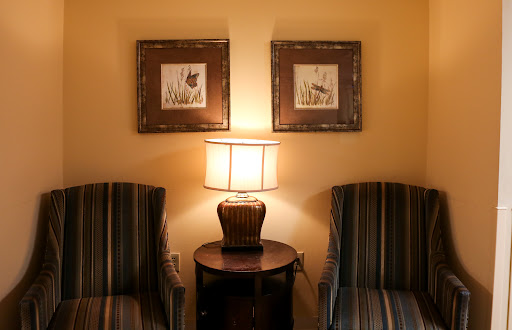
    A cozy corner of a living room featuring two striped chairs, a lamp on a side table, and framed artwork on the wall.
  • Piano

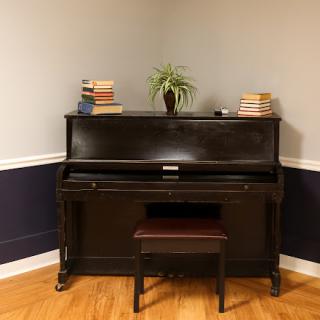
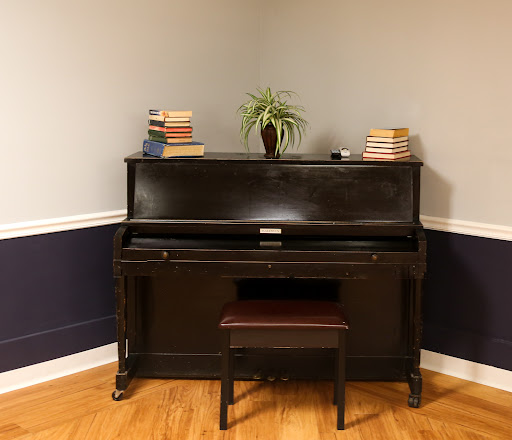
    A classic black piano with a cozy setup, adorned with books and a small plant.
  • Therapy Room

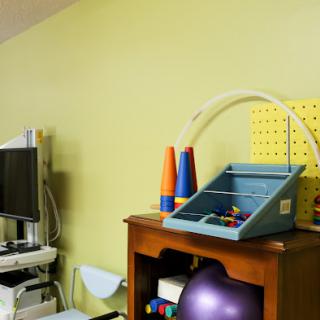
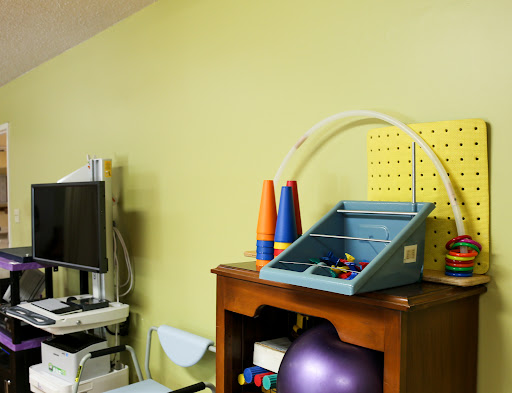
    A therapy room showcasing various equipment and colorful toys.

Traditions Health And Rehabilitation in Lithonia, GA

Information last verified:

2816 Evans Mill Road, Lithonia, GA 30058

For more information about senior living options: (844) 490-3973

3.2 from 63 reviews
5 stars
25
4 stars
8
3 stars
5
2 stars
3
1 stars
22

Overall Review of Traditions Health And Rehabilitation

Pros

  • pro The staff are genuinely caring and treat residents like family.
  • pro Joan Bernard is outstanding, highly visible, and proactively engages with residents and families.
  • pro Tri is a trusted social worker who provides reassurance and gets the job done.
  • pro Zee is a dedicated OT whose efforts have helped the patient progress.
  • pro Karen is outstanding, caring, and treats residents as individuals rather than numbers.
  • pro Gloria is an attentive activities coordinator who keeps residents engaged and checks on families.
  • pro Wendi the CNA is patient and provides excellent, compassionate care.
  • pro The rehabilitation team is excellent, with therapists who are professional and knowledgeable.

Cons

  • pro They state the facility should not be recommended because some staff members are neglectful and lazy.
  • pro They regret placing their loved one there, asserting he did not receive proper care.
  • pro They are extremely disappointed and frustrated by their father’s experience at the facility.
  • pro They describe the room as having a terrible odor, being filthy, with a dirty bathroom and filthy commode.
  • pro They report the discharge process as unprofessional, with last‑minute notice to vacate.
  • pro They claim Traditions prioritizes maximizing insurance billing over healing, with short‑staffed shifts and rushed care.
  • pro They say it’s not a place of healing but a business disguised as one, with burned‑out and careless workers.
  • pro They advise others to look elsewhere and warn that the facility is a danger disguised as rehabilitation.
  • pro They describe Nurse Elaine as rude and unprofessional.
  • pro They note that staff rarely return calls and communication about residents’ conditions is inconsistent.
  • pro They claim admissions and customer service are among the poorest they have encountered.
  • pro They allege neglect, including residents left in feces and other basic needs not being met.

Review

Traditions Health And Rehabilitation in Lithonia is best suited for families that prize an active rehabilitation track, a home-like atmosphere, and caregivers who can be engaged and responsive when the right staff are present. The facility tends to shine for residents who can benefit from focused physical and occupational therapy, structured activities, and private or semi-private rooms that feel more intimate than some larger campuses. It works best when families are prepared to be vigilant advocates, prepared to work with a leadership team that is accessible and willing to collaborate on care plans. For those seeking a consistently flawless experience with uniform quality across shifts and halls, alternatives deserve serious consideration.

On the upside, many reviewers recount a rehabilitation program that delivers real functional gains, especially in the early stages of recovery. The rehab department is frequently described as professional, with therapists who are knowledgeable and persistent about getting residents back on their feet. The activities calendar is well-attended, with bingo, church services, park outings, and coordinated social opportunities that help residents stay engaged. Several caregivers, CNA’s, med techs, and therapists, are praised for their compassion and hands-on care, sometimes forming genuine bonds with residents and their families. Cleanliness and pleasant public spaces are cited by many families, and several residents report feeling well cared-for when the staff is at full strength and the administrator is visible and responsive.

Yet the volume and intensity of negative experiences across reviews cannot be ignored. A substantial portion of comments centers on under-staffing, inconsistent care, and lapses in basic hygiene and supervision. Families report rooms that are not attended to promptly, inadequate assistance with meals and personal care, and communication gaps that leave loved ones waiting for updates. The most severe criticisms describe avoidable injuries and avoidable hospitalizations tied to perceived neglect or neglect-like delays, along with disorganized discharge practices and apparent focus on billing over healing in at least some patient experiences. Some reviewers label the environment as inattentive or transactional, with administrative experiences that feel distant or difficult to access.

These pros and cons do not cancel each other out; they offset or amplify one another depending on the shift, the hall, and the level of administrative engagement. When Traditions operates with a robust, well-supported staff and an attentive leadership presence, the positive care experiences, active therapy, engaging activities, and compassionate bedside care, tend to predominate. Families report relief knowing the medical team can coordinate frequent physician visits and that meals and cleanliness meet acceptable standards. However, when staffing is thin or operations feel fragmented, the same strengths can quickly yield to drift: slower response times, gaps in daily routines, and a sense that issues are waiting to be escalated rather than resolved. The variability is real enough to matter for families evaluating risk versus reward.

For families weighing options, the practical path is disciplined due diligence. Visit with intent: tour the rehab gym, observe how quickly aides respond to call bells, and sample meals in the dining room. Speak directly with the nursing director or administrator about staffing models, ratios on the floor, and any recent changes in leadership. Ask for examples of care plans that were adjusted in response to a resident’s changing needs, and request contact information for a point person who can provide timely updates. Look for consistency in daily routines across different days and shifts, and check recent state health department records or survey results for any noted deficiencies or corrective actions. If rehab outcomes and a sense of “being cared for” rank highest, Traditions can be a strong contender, provided robust oversight is in place.

The bottom-line verdict is pragmatic: Traditions Health And Rehabilitation offers meaningful rehab capabilities, a display of genuine care from many frontline staff, and a reputation for a warm, home-like environment in parts of the campus. For families who can maintain an active role in oversight and who are comfortable navigating the facility’s inconsistencies, Traditions can deliver substantial value and peace of mind. For those whose top priority is unwavering consistency, transparent communication, and uniformly high basic-care standards across all shifts, exploring more consistently rated options is prudent. This community can be an excellent match when the care plan is clearly articulated, frequent family communication is established from day one, and a proactive administrative partner remains engaged to ensure that the strongest therapy, cleanliness, and bedside care are sustained. Proceed with intention, not hope, and Traditions may well prove to be the right home for a loved one who needs rehab, meaningful activities, and a caregiver team that truly treats residents like family.

Features

Housing

  • 182 resident community capacity 182 resident community capacity

Types of Care

  • Skilled Nursing Facility Skilled Nursing FacilitySkilled Nursing Facilities are crucial for seniors as they provide round-the-clock medical care, rehabilitation services, and assistance with daily activities. These facilities ensure that seniors receive the specialized care they need to maintain their health and well-being as they age.

Amenities

  • Air-conditioning Air-conditioningAir conditioning is important for seniors as they are more vulnerable to heat-related illnesses and may have underlying health conditions that make it difficult for them to regulate their body temperature. It helps to keep them comfortable, safe, and healthy in hot weather.
  • Beauty salon Beauty salonBeauty salons are important for seniors because they provide a space for them to feel pampered, socialize, and maintain their personal grooming and hygiene. Regular visits to a beauty salon can help boost seniors' self-esteem and overall well-being.
  • Cable or satellite TV Cable or satellite TVCable or satellite TV is important for seniors because it provides entertainment, news, and companionship, helping to combat loneliness and boredom. It also offers a wide range of programming options tailored to different interests and preferences.
  • Computer center Computer centerA computer center is essential for seniors as it provides access to technology, communication tools, and resources that can enhance their daily lives. It allows them to stay connected with loved ones, engage in online activities, and learn new skills, ultimately promoting socialization and mental stimulation.
  • Dining room Dining roomDining rooms are important for seniors as they provide a space for socialization, connection, and nutritious meals. They offer opportunities for residents to bond over shared meals, foster a sense of community, and promote healthy eating habits. Dining rooms also ensure that seniors have access to well-balanced meals tailored to their dietary needs and preferences.
  • Fitness room Fitness roomHaving a fitness room in a senior living community is essential for seniors to stay active, maintain their physical health, and improve their overall well-being. Regular exercise can help prevent falls, reduce the risk of chronic diseases, and promote mental sharpness. It also provides social opportunities for residents to connect with others and enjoy a sense of community.
  • Fully furnished Fully furnishedFully furnished senior living communities are important for seniors because they provide convenience, comfort, and a hassle-free moving experience. Seniors can easily settle into their new living space without the stress of having to buy and move furniture. This allows them to focus on enjoying their new home and community.
  • Gaming room Gaming roomGaming rooms are important for seniors as they provide a fun and engaging environment for socializing, cognitive stimulation, and physical activity. Games can improve memory, problem-solving skills, and overall mental well-being while fostering friendships and reducing feelings of isolation.
  • Garden GardenGardens are important for seniors as they provide a peaceful and therapeutic environment for relaxation, physical activity, and socialization. Being in nature has been shown to reduce stress, improve mood, and promote overall well-being. Gardens also offer opportunities for seniors to engage in gardening activities, which can improve mobility, flexibility, and cognitive function. Additionally, gardens create a sense of community and connection with others who share a passion for plants and outdoor spaces.
  • Housekeeping services Housekeeping servicesHousekeeping services are important for seniors because they help maintain a clean and safe living environment, promote independence, and reduce the risk of accidents or illnesses. Additionally, having assistance with household chores can alleviate physical strain and allow seniors to focus on other aspects of their well-being.
  • Kitchenette KitchenetteKitchenettes are important for seniors living in senior living communities because they provide the convenience and independence of being able to prepare simple meals and snacks in the comfort of their own living space. This can help promote a sense of autonomy and well-being for seniors, allowing them to maintain some level of control over their dietary choices and daily routines.
  • Move-in coordination Move-in coordinationMove-in coordination is important for seniors because it helps ease the transition into their new living environment. It ensures that all logistics, such as packing, organizing movers, and setting up utilities are taken care of, allowing seniors to focus on settling in and adjusting to their new home. Having a smooth move-in process can alleviate stress and anxiety, making the transition smoother and more enjoyable for seniors.
  • Outdoor space Outdoor spaceOutdoor spaces are important for seniors as they provide opportunities for physical activity, social interaction, exposure to natural light and fresh air, and a sense of connection to nature. Having access to outdoor spaces can improve overall well-being and quality of life for older adults living in senior communities.
  • Private bathrooms Private bathroomsPrivate bathrooms are important for seniors in senior living communities because they provide independence, dignity, and comfort. Having a private bathroom allows seniors to maintain their personal hygiene routines without the need for assistance, promoting a sense of autonomy and privacy. Additionally, private bathrooms help prevent the spread of infections and provide a safe and clean environment for seniors to navigate safely.
  • Restaurant-style dining Restaurant-style diningRestaurant-style dining is important for seniors because it allows them to enjoy delicious, nutritious meals in a social and upscale setting. This enhances their dining experience, promotes healthy eating habits, and fosters socialization with fellow residents, ultimately contributing to their overall well-being and quality of life.
  • Small library Small librarySmall libraries are important for seniors as they provide access to a variety of reading materials, including books, newspapers, and magazines. This can help stimulate their minds, keep them engaged, and provide a sense of community through book clubs and other social activities. Additionally, reading has been shown to improve cognitive function and overall mental well-being in older adults.
  • Telephone TelephoneTelephones are important for seniors as they provide a lifeline for communication with loved ones, emergency services, and healthcare providers. They offer a sense of security and independence, enabling seniors to stay connected and access assistance when needed.
  • Wellness center Wellness centerWellness centers are important for seniors because they offer a variety of programs and services that promote physical, mental, and emotional well-being. These centers provide opportunities for exercise, socialization, education, and relaxation, helping seniors maintain their overall health and quality of life.
  • Wi-Fi/high-speed internet available Wi-Fi/high-speed internet availableWi-Fi/high-speed internet is important for seniors to stay connected with loved ones, access online resources, and participate in virtual activities to combat feelings of loneliness and isolation. It also allows them to easily manage healthcare needs, access entertainment, and engage in lifelong learning opportunities.

Transportation

  • William B Hartsfield-Atlanta International (18 miles away) William B Hartsfield-Atlanta International (18 miles away)
  • Community operated transportation Community operated transportationCommunity operated transportation is crucial for seniors as it provides them with the means to access essential services, social activities, and medical appointments. It allows seniors to maintain their independence and quality of life by ensuring they can participate in activities outside of their homes. Additionally, community-operated transportation services offer a safe and reliable way for seniors to travel without having to rely on family or friends for assistance.
  • Transportation arrangement Transportation arrangementTransportation arrangements are crucial for seniors as they may face challenges with driving, mobility, or access to public transportation. Having reliable transportation services ensures that seniors can easily attend appointments, social activities, and maintain their independence and quality of life.
  • Transportation arrangement (non-medical) Transportation arrangement (non-medical)Transportation arrangements are essential for seniors as they provide access to essential services, activities, and social interactions outside the home. This service helps maintain independence, mobility, and overall well-being for seniors who may have limited transportation options.
  • Transportation to doctors appointments Transportation to doctors appointmentsTransportation to doctors appointments is crucial for seniors as it ensures they have access to necessary medical care and support, promoting their health and well-being. It allows them to receive timely treatment, monitor existing conditions, and address any new health concerns efficiently. Additionally, transportation services can help seniors maintain their independence and quality of life by enabling them to stay connected with their healthcare providers.

Care Services

  • 12-16 hour nursing 12-16 hour nursing12-16 hour nursing care is crucial for seniors in order to ensure around-the-clock monitoring, timely medication administration, and prompt response to any health concerns or emergencies. This level of care helps to promote the overall well-being and safety of seniors living in senior living communities.
  • 24-hour call system 24-hour call system24-hour call systems are important for seniors because they provide peace of mind and immediate assistance in case of emergencies. This technology ensures that help is always available, promoting safety and security for elderly individuals living alone or in assisted living facilities.
  • 24-hour supervision 24-hour supervision24-hour supervision is important for seniors to ensure their safety, well-being, and access to immediate assistance in case of emergencies or health issues. This constant support provides peace of mind for both seniors and their loved ones, allowing them to age in place with dignity and security.
  • Activities of daily living assistance Activities of daily living assistanceActivities of daily living assistance are important for seniors because they provide essential support with tasks such as eating, bathing, dressing, and mobility. This assistance helps seniors maintain their independence, dignity, and overall quality of life as they age.
  • Assistance with bathing Assistance with bathingAssistance with bathing is crucial for seniors as it helps maintain personal hygiene, prevents infections, and ensures their overall well-being and comfort. It also provides a sense of dignity and independence for seniors who may struggle with this task on their own.
  • Assistance with dressing Assistance with dressingAssistance with dressing is important for seniors because it helps maintain their independence, promotes personal hygiene, prevents accidents and injuries, and improves overall quality of life. This service ensures that seniors can continue to dress comfortably and confidently, despite any physical limitations they may have.
  • Assistance with transfers Assistance with transfersAssistance with transfers is crucial for seniors as it helps prevent falls and injuries, maintains their independence, and ensures they can safely navigate their living environment. It also provides peace of mind for both seniors and their loved ones.
  • Diabetes diet Diabetes dietA diabetes diet is crucial for seniors as it helps manage blood sugar levels, reduce risks of complications, and improve overall health and well-being. By following a balanced and nutritious diet tailored to their specific needs, seniors can better control their diabetes and enhance their quality of life.
  • Meal preparation and service Meal preparation and serviceMeal preparation and service are crucial for seniors as they may have limited mobility or energy to cook nutritious meals. Having access to healthy and convenient food options can ensure they are getting the proper nutrition needed to maintain their overall health and well-being.
  • Medication management Medication managementMedication management is crucial for seniors to ensure they are taking the right medications at the correct dosages and times. This helps prevent adverse drug interactions, reduces the risk of medication errors, and promotes overall health and well-being. Proactive management also allows for adjustments as needed based on changing health conditions or new prescriptions.
  • Mental wellness program Mental wellness programMental wellness programs are essential for seniors as they promote cognitive stimulation, emotional support, and social engagement. These programs help prevent isolation, depression, and cognitive decline, ultimately enhancing the overall quality of life for older adults.
  • Special dietary restrictions Special dietary restrictionsSpecial dietary restrictions are important for seniors because age-related changes in metabolism and health conditions can make it difficult for their bodies to process certain foods. By following a diet tailored to their specific needs, seniors can maintain their overall health and well-being, manage chronic conditions, and reduce the risk of complications such as malnutrition or food interactions with medications.

Dining

  • Diabetes diet Diabetes dietA diabetes diet is crucial for seniors as it helps manage blood sugar levels, reduce risks of complications, and improve overall health and well-being. By following a balanced and nutritious diet tailored to their specific needs, seniors can better control their diabetes and enhance their quality of life.
  • Special dietary restrictions Special dietary restrictionsSpecial dietary restrictions are important for seniors because age-related changes in metabolism and health conditions can make it difficult for their bodies to process certain foods. By following a diet tailored to their specific needs, seniors can maintain their overall health and well-being, manage chronic conditions, and reduce the risk of complications such as malnutrition or food interactions with medications.

Activities

  • Community-sponsored activities Community-sponsored activitiesCommunity-sponsored activities are important for seniors as they provide opportunities for social interaction, mental stimulation, and physical activity. These activities can help improve overall well-being, combat loneliness and isolation, and promote a sense of belonging and purpose among older adults.
  • Concierge services Concierge servicesConcierge services are essential for seniors as they provide assistance with daily tasks and errands, enhance their quality of life by offering convenience and personalized care, and promote a sense of safety and security.
  • Fitness programs Fitness programsFitness programs are crucial for seniors as they help improve strength, flexibility, balance, and overall well-being. Staying active can reduce the risk of chronic diseases, improve mental health, and enhance quality of life in older adults.
  • Planned day trips Planned day tripsPlanned day trips are important for seniors because they offer opportunities for socialization, mental stimulation, and physical activity. They provide a change of scenery and help seniors stay engaged and connected to their community, promoting overall well-being and quality of life.
  • Resident-run activities Resident-run activitiesResident-run activities are important for seniors as they encourage social interaction, creativity, and a sense of autonomy. These activities empower seniors to stay engaged and active in their community while fostering meaningful connections with their peers.
  • Scheduled daily activities Scheduled daily activitiesScheduled daily activities are important for seniors because they provide structure, socialization, mental stimulation, and physical activity. Engaging in regular activities can improve overall well-being and quality of life for seniors living in a community setting.

Description

Traditions Health And Rehabilitation in Lithonia, GA is an assisted living community that provides exceptional care and a wide range of amenities to enhance the lives of its residents. The community offers a warm and inviting atmosphere where seniors can enjoy the comforts of home while receiving assistance with daily activities.

Residents have access to a variety of amenities that promote convenience and well-being. A beauty salon is available for haircuts and styling, ensuring residents always look their best. Cable or satellite TV is provided for entertainment purposes, and Wi-Fi/high-speed internet allows residents to stay connected with loved ones. Community-operated transportation is offered, making it easy for residents to attend appointments or run errands.

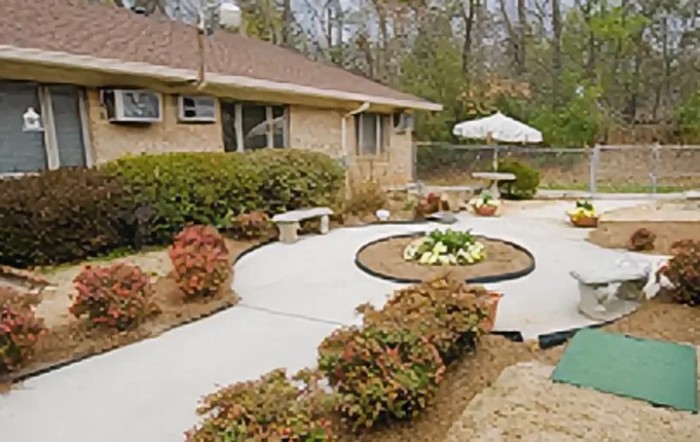
The assisted living community also features a computer center and gaming room for those who enjoy technology or friendly competition. A fitness room and wellness center are available to support residents' physical health. Outdoor spaces such as gardens offer opportunities for relaxation and socialization in a serene environment.

Mealtimes are enjoyable experiences in the dining room, where restaurant-style dining is provided. Special dietary restrictions are accommodated, including diabetes diet options. Care services include assistance with activities of daily living such as bathing, dressing, and transfers.

Residents benefit from 24-hour call system and supervision to ensure their safety at all times. Medication management is provided by trained staff members who prioritize the well-being of all individuals. The mental wellness program focuses on enhancing cognitive abilities and emotional well-being.

Regularly scheduled activities cater to the interests of residents, with planned day trips and resident-run activities allowing for social engagement and active participation within the community. Additionally, fitness programs help promote physical activity and overall well-being.

Located in Lithonia, GA, Traditions Health And Rehabilitation offers convenient access to various amenities nearby. There are cafes, parks, pharmacies, physicians' offices, restaurants, places of worship within close proximity to ensure residents have easy access to essential services.

Overall, this assisted living community provides a comfortable and supportive environment where residents can enjoy the benefits of personalized care, engaging activities, and convenient amenities.

Nearby Places of Interest

Restaurants

  • McDonald's (0.1 miles)
  • JJ Fish and Chicken (0.2 miles)
  • Krystal (0.2 miles)
  • Smokey Bones Bar & Fire Grill (1.4 miles)
  • Chick-Fil-A (1.5 miles)
  • Olive Garden (1.5 miles)
  • McDonald's (1.5 miles)

Pharmacies

  • CVS Pharmacy (0.4 miles)
  • Walgreens (2.1 miles)
  • Walgreens (3.4 miles)
  • Walgreens (5.1 miles)
  • Walgreens (6.3 miles)
  • CVS Pharmacy (6.3 miles)
  • Walgreens (6.6 miles)

Places of Worship

  • New Birth Missionary Baptist Church (1.3 miles)
  • New Covenant Christian Ministries (2.8 miles)
  • Christ Our Hope Catholic Church (2.9 miles)
  • Fairfield Baptist Church (3.6 miles)
  • Berean Christian Church (4.2 miles)
  • Kelley Chapel United Methodist Church (5.9 miles)
  • Mountainside Seventh Day Adventist Church (6.7 miles)

Cafes

  • Panera Bread (1.6 miles)
  • Starbucks (7 miles)
  • Starbucks (7 miles)
  • Kelly's Fusion Express (7.2 miles)

Hospitals

  • DeKalb Medical Hillandale (2 miles)

Physicians

  • Metro Surgical Associates (2 miles)
  • East Dekalb Health CTR (2.7 miles)
  • Georgia Family Care (3.2 miles)
  • South Dekalb Family Physicians (3.6 miles)
  • New Heart Medical (5.7 miles)
  • Advanced Gynecology Associates (6.5 miles)
  • Georgia Dermatologist (6.6 miles)

Parks

  • Redan Park (2.8 miles)
  • Stone Mountain Park (7.4 miles)
  • Almost To The Top Of Stone Mountain (7.5 miles)
  • Stone Mountain Walk Up Trail (8 miles)

Theaters

  • AMC Conyers Crossing 16 (7.8 miles)

Frequently Asked Questions

Where is Traditions Health And Rehabilitation?
What photos are available for Traditions Health And Rehabilitation in Lithonia, Georgia?

Nearby Communities

  • Jackson Falls

    Jackson Falls

    Lithonia, GA


    pro Comprehensive ADL care with health coordination and dietary support.

  • Davidson Home

    Davidson Home

    Lithonia, GA

    4.2 from 45 reviews
     

    pro Small, fully furnished assisted living with 24/7 supervision, ADL support, medication management, medical transportation, and diabetes-friendly dining.

  • Visiting Angels - Lithonia,  GA

    Visiting Angels - Lithonia, GA

    Lithonia, GA

    4.8 from 53 reviews
     

    pro Compassionate, professional caregivers who treat residents like family.

  • Sea Breeze - Community Living Arrangement 4

    Sea Breeze - Community Living Arrangement 4

    Lithonia, GA

    4.9 from 8 reviews
     

    pro All-inclusive services: meals, housekeeping, 24-hour supervision, and medical transportation.

  • Yellow Brick House

    Yellow Brick House

    Lithonia, GA

    4.3 from 43 reviews
    $3,200 to $3,300 / month

    pro Caring staff in a warm, home-like setting with engaging activities.

  • Scotty's Forever Care

    Scotty's Forever Care

    Lithonia, GA

    4 from 44 reviews
     

    pro Intimate 3-resident community with 24-hour supervision and full care services.

  • Oaks at Conyers

    Oaks at Conyers

    Conyers, GA

    4.1 from 100 reviews
    $2,850 to $3,900 / month

    pro Warm, attentive staff with strong family communication.

  • Rockdale Healthcare Center

    Rockdale Healthcare Center

    Conyers, GA

    3.5 from 85 reviews
     

    pro Some staff are attentive and caring; therapy services praised; facility described as clean.

  • The Retreat at Madison Place

    The Retreat at Madison Place

    Decatur, GA

    2.9 from 44 reviews
    $756 to $7,000 / month

    pro Responsive management and friendly staff improving resident experience.

Related Resources

  • palliative care at homeExploring Palliative Care in the Home: A Comprehensive Overview

    Palliative care enhances the quality of life for seriously ill patients by providing comprehensive support at home through a multidisciplinary team, addressing various needs and prioritizing comfort over curative treatments. While it offers personalized care and involves family in decision-making, challenges like caregiver stress and logistical issues persist, with growing demand prompting advancements in technology and healthcare policies to improve access.

  • palliative care at homeComprehensive Insights into Palliative Home Care: What It Is and What to Expect
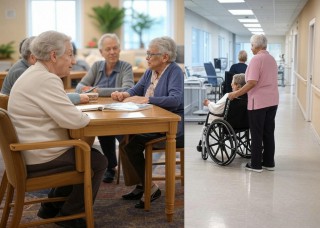
    Palliative home care focuses on improving the quality of life for individuals with serious illnesses by providing comfort, symptom management, and emotional support in their own homes. This approach includes personalized care plans, regular assessments, and resources for family caregivers, all while prioritizing person-centered treatment that aligns with patients' goals.

  • skilled nursing facility vs nursing homeSkilled Nursing Facilities vs. Nursing Homes: Making Sense of the Differences
    Skilled nursing facilities (SNFs) provide high-level medical care and rehabilitation for short-term recovery, typically covered by Medicare after hospitalization, while nursing homes focus on ongoing custodial care for chronic conditions, mainly funded by Medicaid or private payments. The staffing and regulatory structures differ significantly between the two, necessitating clarity for families in choosing appropriate long-term care options.