
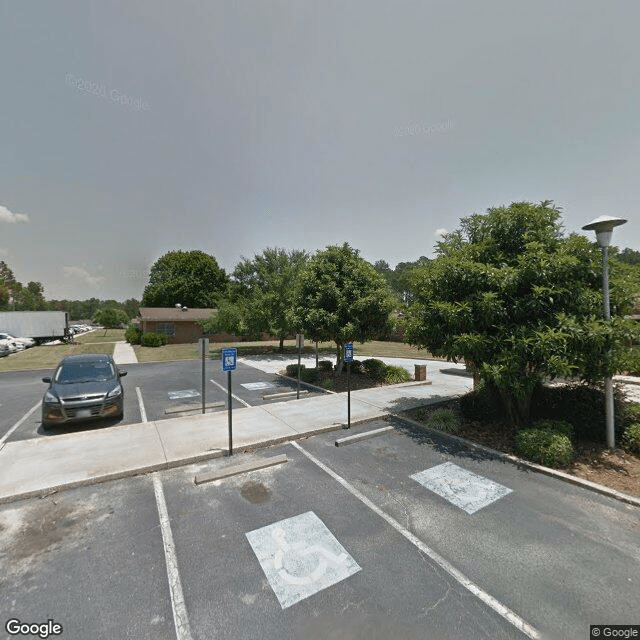
1310 Gordon St W, Douglas, GA 31533
To contact a resident: (912) 384-7811
For more information about senior living options: (866) 208-4318
Overall Review of Shady Acres Convalescent Ctr
Pros
 The facility is a little cleaner than before.
- It no longer smells like it used to.
Cons
 The reviewer cautions others not to take a loved one to this place.
- The sister was there for two weeks and did not receive proper medications, correct meals, or meals at the scheduled times.
- The facility does not have blue bed chucks and fails to provide the special diet.
- Whenever meds were needed, staff claimed they had to order them, causing delays.
- The sister developed an infection, and some of her meds were lost.
- The place should be shut down; the only improvement noted is that it is a little cleaner, while it does not smell like it used to.
- The staff are said to not take care of their patients and need to get it together.
Review
Shady Acres Convalescent Center in Douglas, GA is best suited for no one who expects reliable post-acute or long-term care. In practice, the reviews paint a troubling picture of basic operations essential to recovery: medication management, therapeutic diets, and basic safety oversight. The facility appears to function with minimal accountability, which means families should assume that medical needs may not be promptly addressed, meals may not align with prescribed plans, and essential supplies may be unavailable. For families evaluating options, this community cannot be counted on to support healing or steady rehabilitation, and alternatives with transparent medication protocols and attentive dining services are strongly advised.
Multiple red flags appear around medication administration and diet oversight. The account states medications are frequently not given on time, are lost, or are never ready when needed, leading to preventable infections and treatment gaps. Dietary plans that require a special diet or consistent meal timing are reportedly ignored, leaving residents at risk for weight loss, dehydration, or medical complications. The absence of items like blue bed chucks and the failure to align meals with prescribed diets point to a broader pattern: critical care processes are either under-resourced or not consistently followed. Such gaps undermine recovery and create a cycle of avoidable hospital readmissions.
On the positive side, the only concrete improvement cited is a cleaner environment relative to a prior condition. Yet cleanliness is cosmetic if medicines, meals, and monitoring remain unreliable. The presence of routine therapy sessions, if any, does not compensate for lapses in daily medical care and patient safety. The financial dynamic alleged, therapies pursued for billing rather than patient benefit, casts a shadow over the entire service model. When therapy becomes the focal point and core medical duties slip, the care equation tilts decisively toward harm rather than recovery.
Safety risks escalate quickly in this setting. Infections linked to improper medication administration and missed treatments are a direct consequence, with potential downstream effects including hospital readmission and expedited declines in functional status. Staff appear overwhelmed or inadequately trained to sustain consistent care, and reports of prior conditions being perceived as improved only by temporary cleanliness improvements suggest a shallow, not comprehensive, approach to rehabilitation. Families facing this pattern should interpret the data as a signal that current systems for medication reconciliation, diet adaptation, and infection prevention are not dependable.
For decision-makers, alternatives with stronger track records are worth pursuing. Look for Medicare-certified skilled nursing facilities or rehab centers with robust pharmacy services, clear med-pass procedures, and dietitian oversight. Prospective residents should demand to see actual med administration logs, current therapeutic diets, and documented care plans; speak with multiple staff members about how emergencies are handled; and review state licensing and complaint histories. If urgent rehab needs exist, consider facilities with higher staffing ratios and explicit care coordination between nurses, therapists, and dietary staff. The goal is predictable, safe care that supports recovery, not repeated alarms.
Bottom line: this community does not meet the threshold for dependable post-acute recovery or ongoing elder care. Families should place priority on facilities with proven medication handling, reliable dietary management, and rigorous infection control. If this option remains under consideration, approach with a careful, speed-verified due diligence plan: request the latest QA reports, tour the ward with a clinical manager, review med-pass workflows, and consult current residents or families about day-to-day realities. The recommended course is to pursue alternatives now to protect a loved one's health and avoid compromising recovery.
 Skilled Nursing Facility




 Financing Long-Term Nursing Home Care Through Social Security: A Thorough Exploration
 Essential Knowledge on Pneumonia in Older Adults
 Exploring Palliative Care in the Home: A Comprehensive Overview