1360 West Gordon Street, Douglas, GA 31533
For more information about senior living options: (866) 208-4318
Manor House Of Douglas Costs & Pricing
At Manor House Of Douglas, the monthly cost for a private room stands at $6,000. This pricing aligns closely with the county average in Coffee County, where private room rates also reach $6,000. However, when compared to broader trends across Georgia, this cost is significantly elevated - averaging around $2,864 per month for similar accommodations statewide. This disparity highlights the premium that residents may be paying at Manor House Of Douglas relative to other options in the state, potentially reflecting higher levels of service or amenities provided within the facility.
| Floor plans | Manor House Of Douglas | Coffee County | Georgia |
|---|---|---|---|
| Private | $6,000 | $6,000 | $2,864 |
Overall Review of Manor House Of Douglas
Pros
 Oxton Place is a nice, clean facility with happy clients.
- It offers activity rooms, therapists, and private family-access rooms.
- The staff are caring and responsive, addressing any concerns.
- Summer’s Landing is a very good place with caring people.
- The CNAs, LPNs, and RNs provide around-the-clock care.
- Residents seem to be in good spirits at Summer’s Landing.
- Although not the largest or newest, Summer’s Landing makes up for it with Southern Charm in Douglas.
Cons
 Summer's Landing is not the biggest of facilities and may not be the newest in décor.
Review
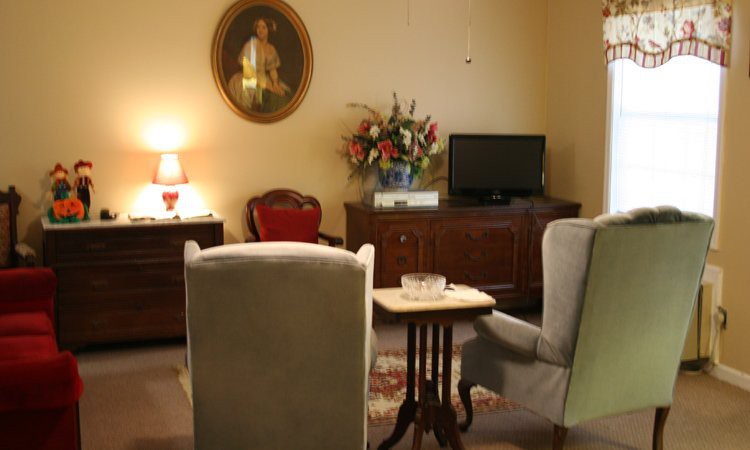
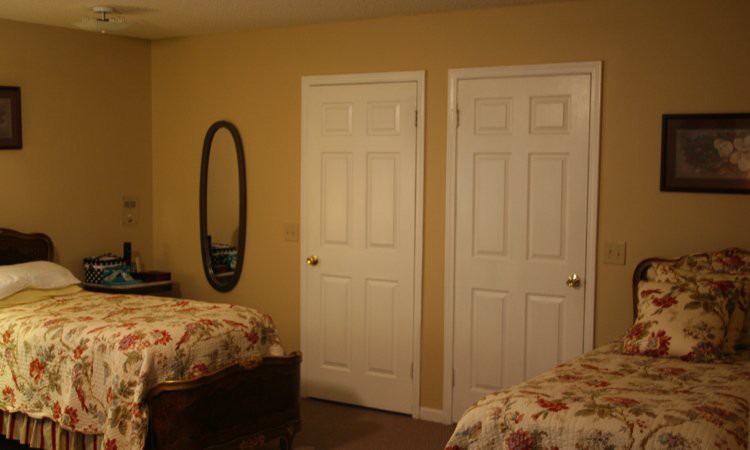
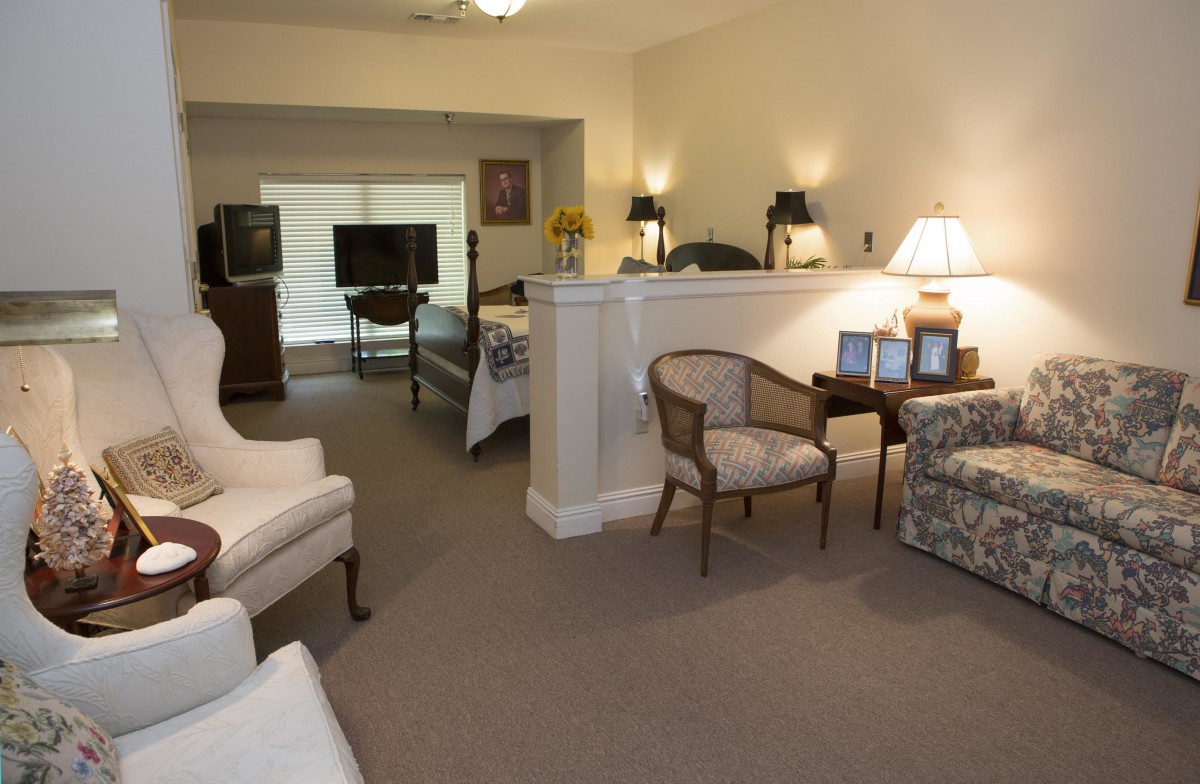
Manor House of Douglas is best suited for seniors who prize a warm, home-like setting where care feels personal and staff familiarity grows into everyday reliability. In Douglas, reviewers describe a market with options, but Manor House’s strength lies in dependable, people-first care that doesn’t rely on flashy amenities to win trust. The nearby feedback about similarly situated communities highlights what families should value: clean environments, responsive caregivers, and opportunities for family involvement. Oxton Place shows that residents appreciate activity rooms, therapists, and private spaces to host family visits, while Summers Landing demonstrates the value of around-the-clock caregiving and a stable, personable staff. Manor House can position itself as the steady, attentive alternative that emphasizes relationships over showroom appeal.
Who may want to consider alternatives? Families that prioritize the latest decor, large-scale campuses, or highly specialized memory-care units may gravitate toward others in town. The Summers Landing profile emphasizes small-town charm but acknowledges that it is not the largest facility, and Oxton Place highlights robust on-site therapies and private family-access rooms that can be decisive for memory or mobility needs. If the top criteria include modern aesthetics, expansive social programming on a grand scale, or a dedicated memory-care wing with visible, around-the-clock RN oversight, those preferences may be better met elsewhere.
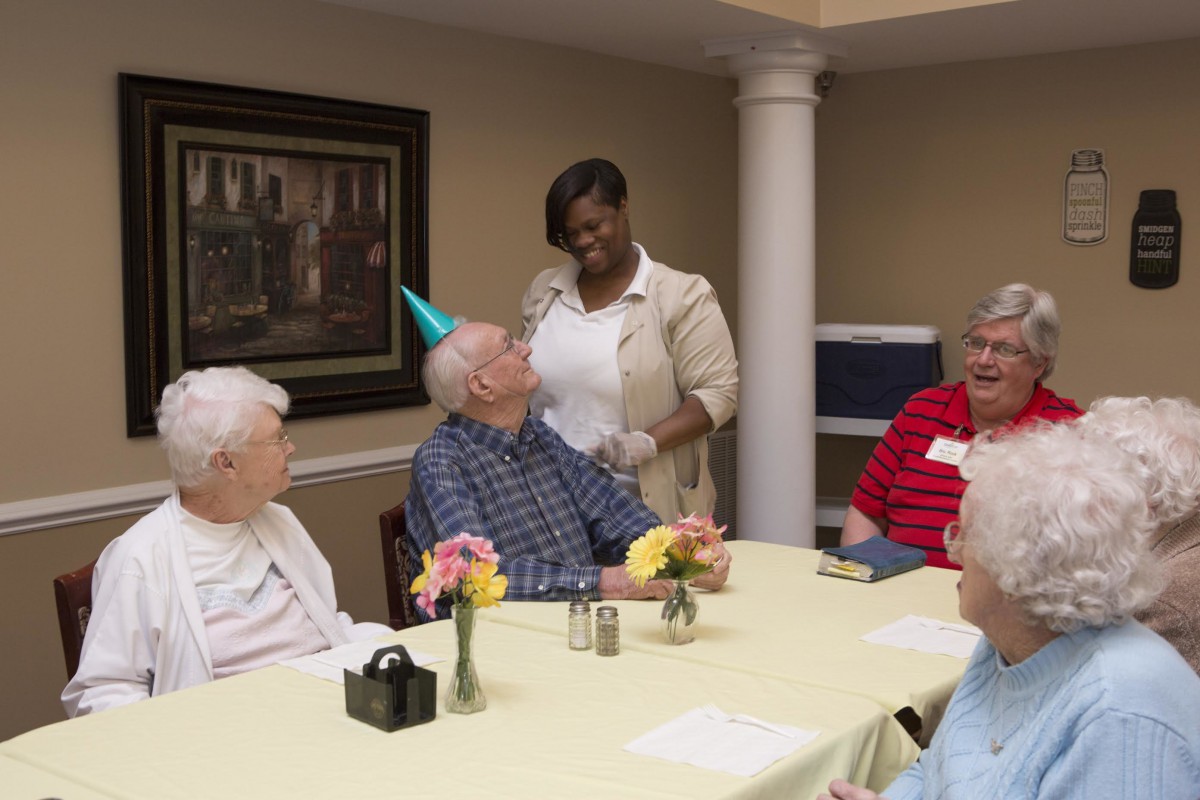
Among the clear positives, a consistently cited theme is staff quality and reliability. One family notes that their mom has been at the community for more than two years and that staff respond to concerns and work with families. Another account praises the staff for their thoughtful, accessible care, reinforcing the impression of a well-run home where issues are not brushed aside. Cleanliness and a welcoming atmosphere also figure prominently in the feedback, pairing with visible programming elements like activity rooms and therapy services to keep residents engaged and comfortable. In short, the care culture comes through as the facility’s strongest selling point.
Yet, there are legitimate trade-offs to acknowledge. The most common critique tied to the smaller scale is a potential limitation on the breadth of social programming and the sense of bustle that bigger campuses provide. Reviewers also point to decor that may not feel as fresh as newer facilities. Those are reasonable considerations for families balancing daily interaction with a preference for strong interpersonal connections and consistent caregiver relationships. The question becomes whether intimate, steady attention from a steady staff roster outweighs the appeal of larger social calendars and newer interiors.
How the advantages align with these trade-offs is decisive. When staff remain accessible and responsive, families gain confidence that changes in health status or daily routines are managed promptly, and that visits with loved ones remain straightforward. Private spaces for family access, when available, further reduce friction around care planning and shift changes. In Douglas, where options include facilities with robust medical staffing and hands-on care, Manor House can differentiate itself by preserving that homey, consistent caregiving ethos, often yielding better satisfaction and fewer relocation stressors for residents and families alike.
Bottom line: Manor House of Douglas should be high on the shortlist for seniors seeking dependable, relationship-driven care in a modest, home-like setting. It is especially compelling for families who value continuity, straightforward communication, and a staff that takes concerns seriously. Those who require the most modern décor, the largest campus, or a specialized memory-care wing with constant RN-level oversight may want to compare alternatives more directly. A thoughtful visit, asking about caregiver turnover, daily routines, activity options, and any available family-access features, will reveal whether this community aligns with the resident’s goals and the family’s expectations, making the decision process clearer and faster.
 58 resident community capacity
 Studio apartments
 Assisted Living
 Memory Care
 Air-conditioning
 Beautician on-site
 Cable or satellite TV
 Computer center
 Dining room
 Financing advice
 Fitness room
 Fully furnished
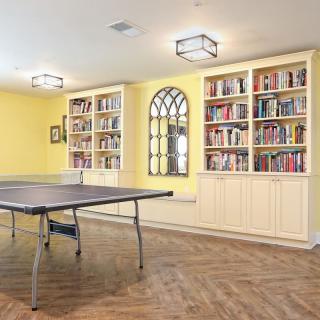
 Gaming room
 Garden
 Guest parking
 Housekeeping services
 Kitchenette
 Laundry
 Move-in coordination
 Outdoor space
 Overnight guests
 Party space
 Private bathrooms
 Respite or short term stays offered
 Restaurant-style dining
 Security gate
 Small library
 Telephone
 Wellness center
 Wi-Fi/high-speed internet available
 Community operated transportation
 12-16 hour nursing
 24-hour call system
 Activities of daily living assistance
 Assistance with bathing
 Assistance with dressing
 Assistance with transfers
 Diabetes diet
 Medication management
 Mental wellness program
 Physical therapy
 Special dietary restrictions
 Arts and crafts
 Book club
 Concierge services
 Educational speakers / life long learning
 Games
Games Live musical performances
 Planned day trips
 Religious services
 English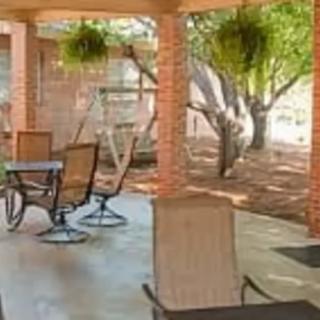


 Exploring the Power of Reminiscence Therapy for Individuals With Dementia
 An In-Depth Look at Reminiscence Therapy in Dementia Care
 Dementia-Related Hallucinations: Causes, Experiences, and Practical Approaches