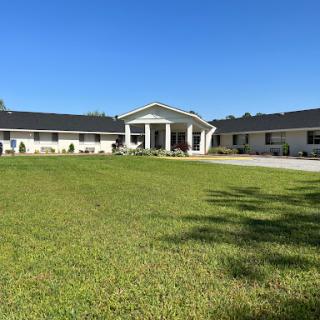
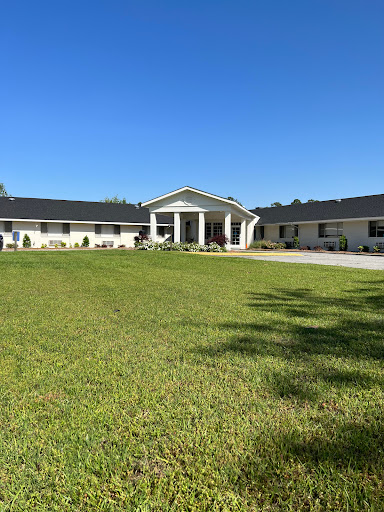
902 Blackshear Road, Cordele, GA 31015
For more information about senior living options: (866) 208-4318
Overall Review of Crisp Regional Nursing & Rehab Center
Pros
 Her mother, aged 92, was treated very well.
- The volunteers are actively involved through the Putting Love Project for 2025.
- Customer service is awesome.
- The nurses were very caring and respectful.
- The unit looked very clean and well managed.
- The staff are professional and helpful, and they have been kind to him.
- The medical care is very good.
- The administrator is outstanding and the residents are awesome.
Cons
 The uncle and aunt developed skin breakdown and waited up to four hours to be changed when wet or soiled.
- The CNAs and many of the nurses seemed unconcerned about residents' needs.
- The facility is criticized for not hiring staff who care about residents or take pride in their work.
- The grandmother was neglected and treated wrongly from day one, with staff unable to explain who was responsible for her care.
- The place was described as horrible and negligent, with baths refused and administrators accused of attempting to rob the mom.
- The reviewer would not recommend sending a loved one to this facility.
- The facility needed more aides to help clean up the residence.
- One reviewer gave the facility the lowest possible rating.
Review
Crisp Regional Nursing & Rehab Center in Cordele, GA is best suited for families seeking a medically oriented skilled-nursing environment where clinical oversight and a tidy, orderly setting are priorities. It works for post-acute rehab patients who expect steady daily nursing attention and for residents who may transition into longer-term care if recovery plateaus, provided oversight from family or trusted advocates is feasible. For families that can be present regularly, the staff and leadership often deliver reliable, professional care that aligns with standard expectations for a mid-size Georgia facility. Those who cannot commit to frequent visits should proceed with caution, as reliance on staff consistency and communication becomes a more critical factor.
On the upside, the facility is frequently described as clean and well managed, with staff who appear professional and courteous. Several reviewers credit the nurses with respectful care and note that customer service is strong, with responsive attention during visits or inquiries. A long-tenured insider describes the administration as top-notch and asserts the environment feels like home, underscoring that stable leadership can translate into dependable day-to-day operations. For rehabilitative stays, the combination of clinical attention and a well-kept setting often translates into tangible progress and a sense of safety.
Yet the picture is not uniformly positive. Core concerns surface around consistency of daily care, particularly around personal hygiene and timely assistance, reports include delays changing residents when wet or soiled and perceptions of staff indifference. Several families recount experiences of rude or unresponsive administration, and there are persistent questions about billing and documentation that leave some relatives wary about hidden costs or coding practices. A subset of reviews emphasizes neglect and ongoing dissatisfaction from those with loved ones in the facility, creating a reliable signal that attention to frontline caregiving can vary dramatically by shift and unit.
Those positives do offset some risk only for families who can leverage the strengths, cleanliness, professional nursing, and solid medical care, through proactive oversight. A favorable administrator and steady staff can smooth over occasional lapses, but the weight of the negative experiences, neglect accusations, accusations of miscommunication, and billing concerns, are not trivial. The facility's best defense against these concerns is transparent, consistent communication and verified care plans, plus strong governance that prioritizes response times and accountability. In other words, clinical competence and cleanliness are meaningful, but they don't fully counterbalance the risk if front-line responsiveness and trust are compromised.
Alternatives should be considered for families prioritizing consistent, high-touch daily care and transparent administration. If the expectation is timely baths, thorough daily assistance, predictable staffing, and straightforward billing, other options with stronger, more consistent reports may be preferable. Distance from family and limited ability to observe care increases the importance of firsthand tours, conversations with multiple staff members, and a review of staffing ratios and incident logs. Prospective residents should request a formal care assessment, ask to speak with the director of nursing, and insist on viewing recent inspection results and grievance logs before committing.
Practical next steps: schedule a multi-time-of-day visit to observe staffing responsiveness, bathing routines, and how concerns are addressed; request a written care plan with specific daily tasks, response times, and weight-bearing or rehab progress goals; speak with current residents and family members about day-to-day experiences; press for clear billing clarity and an explanation of any charges prior to admission; confirm nurse-to-patient ratios and the availability of aides during peak hours; and outline a trial period or respite option to test fit before a longer commitment. With disciplined due diligence, Crisp Regional can be a strong match for the right resident, the one who values solid clinical care, maintains expectations for upkeep and communication, and can participate actively in oversight.
 143 resident community capacity
 Skilled Nursing Facility
 Air-conditioning
 Beauty salon
 Cable or satellite TV
 Computer center
 Dining room
 Fitness room
 Fully furnished
 Gaming room
 Garden
 Housekeeping services
 Kitchenette
 Move-in coordination
 Outdoor space
 Private bathrooms
 Restaurant-style dining
 Small library
 Telephone
 Wellness center
 Wi-Fi/high-speed internet available
 Community operated transportation
 12-16 hour nursing
 24-hour call system
 Activities of daily living assistance
 Assistance with bathing
 Assistance with dressing
 Assistance with transfers
 Diabetes diet
 Medication management
 Mental wellness program
 Special dietary restrictions
 Concierge services
 Planned day trips




 Effective Strategies for Keeping Seniors' Minds Active: A Deep Dive into Brain Games and Apps
 In-Depth Look at the VA Aid and Attendance Program
 Nurturing Our Loved Ones: A Daughter's Journey in Caring for Her Mother