
613 13Th Avenue, East, Cordele, GA 31015
For more information about senior living options: (866) 208-4318
Overall Review of Cordele Intensive Training Residence II
Pros
 The mother aged 92 was treated well.
- The unit was very clean and well managed.
- Customer service was awesome.
- The medical care is very good.
- Staff is professional and helpful.
- Residents seem satisfied with their stay.
- The facility is considered one of the better ones.
Cons
 The uncle and aunt developed skin breakdown and waited up to four hours to be changed when wet or soiled, with the CNAs and many nurses seeming unconcerned.
- A family member states that the grandmother was neglected and treated badly from day one, with staff unable to explain who was responsible for her care.
- The reviewer describes the facility as horrible and negligent, leaving a mother in ICU for over a month and refusing her baths, with rude administrators.
- The reviewer claims that staff have been trying to rob the mother from day one, and questions the billing practices.
- Being a resident, a reviewer would not recommend the place to anyone; it is not a good place to send a loved one.
- One reviewer gave the facility the lowest possible star rating.
- The facility is described as nice but needing more aides to help clean up the residence.
Review
Cordele Intensive Training Residence II in Cordele, GA is best suited for families pursuing a rehab-focused path where medical oversight is solid, the environment is clean, and routines are predictable. It works for residents who benefit from professional nursing attention and a structured daily rhythm, and for families willing to stay actively involved, calling, visiting, and pressing for timely care, to keep care moving in the right direction. The ideal client is someone who can tolerate the realities of a busy facility and who can advocate on a daily basis. It is less appropriate for those needing constant, ultra-high-touch supervision or for families unable to monitor care closely. In short, this is a practical option for rehab-oriented care when oversight remains a constant variable.
Those weighing alternatives should note that several reviewers describe neglect or slow response times, especially when a resident becomes wet or soiled for hours, and some administrators have been described as unhelpful. For families seeking unwavering, high-touch supervision and transparent communication, other facilities may deliver more consistent day-to-day reliability. In the Cordele area, comparing this community against steadier-staff options such as Crisp Regional Nursing & Rehab, which some residents and volunteers speak about with strong loyalty, is prudent. If long-term residency without active family involvement is the goal, the risk profile can tilt toward a more consistently staffed environment elsewhere.
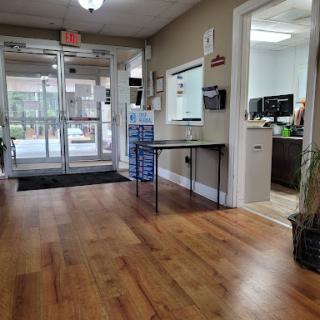
On the plus side, the facility often presents a clean, well-managed setting with professional, respectful staff. Multiple accounts highlight nurses who take care of residents and customer service that feels responsive, especially when care needs are clear and well-communicated. Where staffing is stable, residents and families report positive interactions and a sense that the care team is capable. These strengths, cleanliness, professional appearance, and generally courteous bedside care, can offset occasional staffing gaps, particularly for rehab goals that rely on routine monitoring and timely assistance.
The more troubling truths emerge in reports of neglect and inconsistent responsiveness. Several reviews recount baths or changes delayed for hours, and a minority describe rude administration or concerns about billing practices. These patterns matter a great deal and can undermine trust and comfort, especially for frail or pain-limited residents. The facility does not exhibit uniformity in these outcomes; when staffing levels dip or supervisory oversight loosens, gaps become real risks. Because of that, the possibility of alignment with an alternative that offers steadier daily reliability cannot be dismissed.
Practically, families should visit with a concrete, action-oriented checklist: observe how quickly routine needs are met on a typical shift, request conversations with the charge nurse and administrator, and review the current care plan for wounds, hygiene, and mobility goals. Demand transparent staffing rosters, escalation pathways for concerns, and access to recent incident or complaint documentation. Inspect the physical environment for cleanliness and safety, and compare these factors against other nearby options that place a premium on dependable care and clear billing practices. If rehab is the objective, confirm a structured therapy program with measurable progress milestones. This due diligence helps ensure the company’s strengths are consistently present and flags any persistent risk early.
When priorities align, professional medical oversight, a clean, orderly setting, and a rehab-oriented pathway, Cordele Intensive Training Residence II can meet many families’ expectations. For those who cannot tolerate fluctuations in responsiveness or who require relentlessly proactive daily care, pursuing stronger, more consistently staffed alternatives is wise. The decision should hinge on whether dependable day-to-day reliability can be guaranteed through direct oversight and a transparent care plan. For many families, an active, engaged approach will make this facility a workable, practical option, provided the care plan and staffing assurances prove durable in practice.
 4 resident community capacity
 Assisted Living
 Cable or satellite TV
 Dining room
 Fully furnished
 Garden
 Housekeeping services
 Move-in coordination
 Outdoor space
 Telephone
 Wi-Fi/high-speed internet available
 24-hour supervision
 Activities of daily living assistance
 Assistance with bathing
 Assistance with dressing
 Assistance with transfers
 Diabetes diet
 Meal preparation and service
 Medication management
 Special dietary restrictions
 Transportation arrangement (medical)
 Transportation to doctors appointments






 Exploring the Path to Senior Living: A Comprehensive Look at Independent Living and Assisted Living
 Is Assisted Living Deductible on Your Taxes? Understanding the Complexities of Assisted Living Expenses and Deductions
 Assisted Living Support for Veterans: A Complete and Detailed Overview