
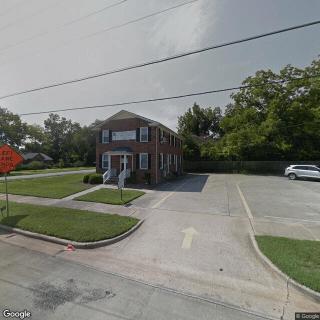
402 East Bay Street, Pineview, GA 31071
For more information about senior living options: (866) 208-4318
Crossview Care Center Costs & Pricing
Crossview Care Center offers private room accommodations at a cost of $5,725 per month, which aligns with the prevailing rates in Wilcox County. However, when compared to the broader context of Georgia's average costs for similar facilities, which stand significantly lower at $2,864 per month, the pricing at Crossview Care Center appears notably higher. This discrepancy highlights the varying cost structures that can exist within local markets and raises important considerations for prospective residents and their families when evaluating care options in relation to budgetary constraints and available services.
| Floor plans | Crossview Care Center | Wilcox County | Georgia |
|---|---|---|---|
| Private | $5,725 | $5,725 | $2,864 |
Overall Review of Crossview Care Center
Pros
 The staff are dedicated and caring to all the residents.
- They are caring, outstanding, and professional with residents.
- They act as patient advocates, prioritizing patients' needs over family concerns.
- The staff are highly respected and encouraged in their roles in nursing homes.
- They are diligent in safety practices, including thorough temperature checks for residents, visitors, and staff.
Cons
 They do not give residents their money in a timely manner, and some staff are friendly to their faces but treat residents poorly behind their backs.
- The service is bad; they wouldn’t take the patient’s items and then yelled at her, while two nurses searched through her belongings.
- The building is in very poor condition.
- They wouldn’t recommend this place and wouldn’t visit or return.
- The place is nasty; sometimes they don’t bring medications for two days and some staff are rude.
- There is very poor communication, with most calls going to voicemail and no return calls, and the desk staff, social workers, and administrators never respond to messages.
Review
Crossview Care Center in Pineview, GA is best suited for families that intend to stay actively involved and want a strong advocate on site. It may appeal to residents who can tolerate uneven administrative responsiveness because certain caregivers demonstrate genuine warmth, attentiveness, and willingness to fight for the resident’s needs. Those who value personal, hands-on care from some staff will encounter meaningful moments when attention is paid and needs are prioritized. However, the facility is not a reliable match for families that require steady communication, predictable medication delivery, and a consistently well-maintained environment. In such cases, alternatives should be explored to avoid ongoing frustration and risk.
From several reviews, a core strength appears to be the caregiving staff when engagement occurs. Relatives describe caregivers as dedicated and caring; staff who work hard to support residents and even take on roles as patient advocates when needed. There are accounts of staff going beyond the basics to look out for the family as if it were their own, prompting some families to feel reassurance despite other shortcomings. Yet, these instances are not universal, and praise is unevenly distributed across shifts and departments, underscoring the variability that defines life at Crossview. The genuine moments of connection prove real, but they are not consistent enough to establish a dependable baseline.
The downsides, however, are persistent enough to shape the experience as a whole. Repeated reports cite delayed or missing medications, poor and inconsistent communication, and calls or messages that go unanswered for extended periods. Several reviewers recount rude interactions, staff who appear uninterested, and even scenes that raise concerns about respect and privacy, such as staff rifling through a resident’s belongings or loud exchanges heard in the hall. The physical condition of the building is described as poor by multiple voices, and turnover appears to contribute to inconsistent availability of familiar faces on any given day. These factors collectively erode trust and safety, making routine care feel uncertain rather than dependable.
Do the small acts of kindness and advocacy offset the bigger administrative failings? In this case, not reliably. The positive caregiving moments are real but sporadic, and they do not compensate for chronic gaps in basic operations like medication management and timely communication. The risk profile rises when resident needs include routine med administration and urgent responsiveness; delays here have direct, tangible consequences. The facility’s inconsistency in staffing and leadership, combined with a building in need of upkeep, means families must decide whether the potential for individualized attention is worth enduring systemic gaps that may resurface without constant oversight. The gap between what is promised and what is delivered creates a fragile foundation for ongoing care.
For families who cannot or will not maintain a tight oversight routine, alternatives should be seriously considered. Look for facilities with proven, consistent med delivery, reliable phone and in-person communication, and transparent escalation procedures. Higher staffing ratios and well-functioning administration tend to correlate with fewer missed meds and quicker responses to family inquiries. If Crossview is under active consideration, plan a rigorous due-diligence process: request recent care plans and med administration logs, schedule meetings with the nursing leadership, tour the facility at multiple times and days, and talk with current residents and families about their day-to-day experiences. A structured, hands-on evaluation will reveal whether the present staffing and management can be leveraged into reliable, long-term care.
Bottom line: Crossview Care Center presents a conflicted value proposition. It can deliver genuine warmth and advocacy in pockets, but a pattern of communication failures, medication gaps, and maintenance concerns materially undermines those gains. This community is not ideal for families seeking dependable daily operations and consistent, respectful treatment across all staff and shifts. For those willing to supervise care closely or who have alternate supports in place, it can function as a provisional home with strong advocacy on the ground. For most families prioritizing reliability and safety, exploring alternatives with stronger track records in medication management, communication, and facility upkeep is strongly advised.
 102 resident community capacity
 Skilled Nursing Facility
 Air-conditioning
 Beauty salon
 Cable or satellite TV
 Computer center
 Dining room
 Fitness room
 Fully furnished
 Gaming room
 Garden
 Housekeeping services
 Kitchenette
 Move-in coordination
 Outdoor space
 Private bathrooms
 Restaurant-style dining
 Small library
 Telephone
 Wellness center
 Wi-Fi/high-speed internet available
 Community operated transportation
 12-16 hour nursing
 24-hour call system
 Activities of daily living assistance
 Assistance with bathing
 Assistance with dressing
 Assistance with transfers
 Diabetes diet
 Medication management
 Mental wellness program
 Special dietary restrictions
 Concierge services
 Planned day trips



 Essential Knowledge on Pneumonia in Older Adults
 Exploring Palliative Care in the Home: A Comprehensive Overview
 Comprehensive Insights into Palliative Home Care: What It Is and What to Expect