Pruitthealth - Lanier in Buford, GA

Save

  • Interior

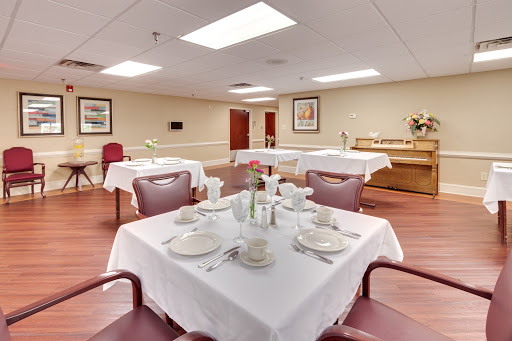
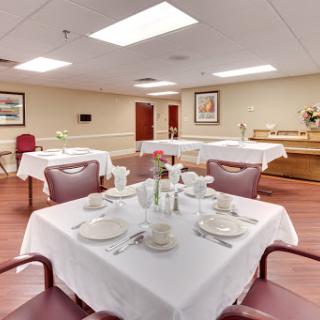
    A well-arranged dining area in a care facility, featuring elegantly set tables and a welcoming atmosphere.
  • Decor

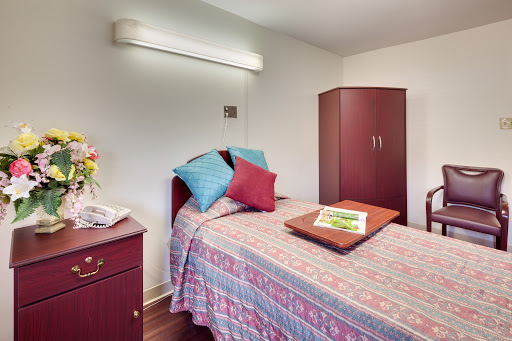
    A cozy bedroom featuring a neatly made bed, colorful pillows, and a wooden wardrobe.
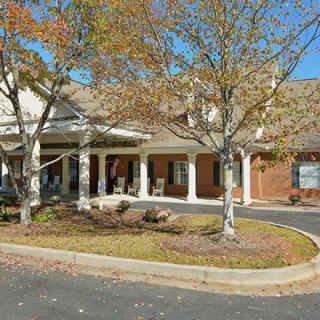
  • Building

    Pruitt Health facility showcasing its welcoming entrance and landscaped surroundings.
  • Bedroom

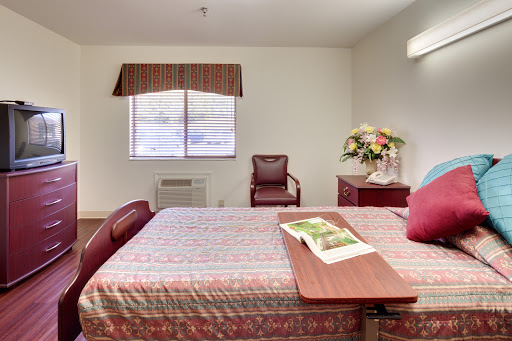
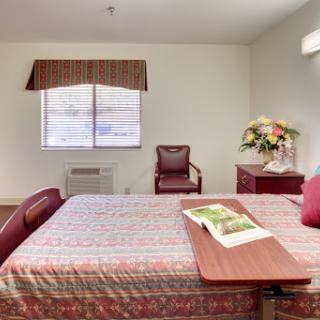
    A simple hospital room featuring a bed, chair, and decorative elements.
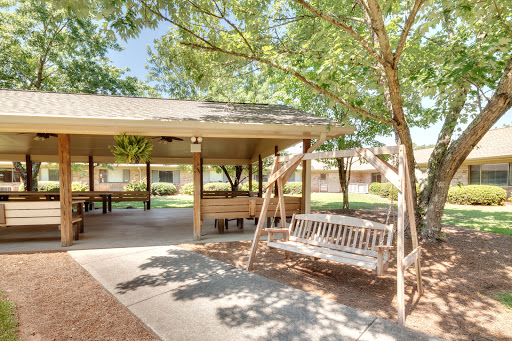
  • Trees

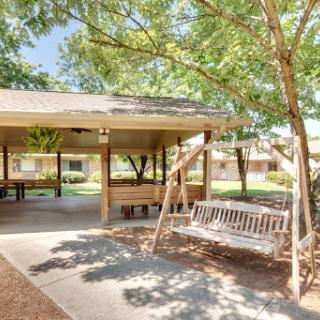
    A serene outdoor space featuring a swing and shaded by trees, perfect for relaxation.
  • Windows

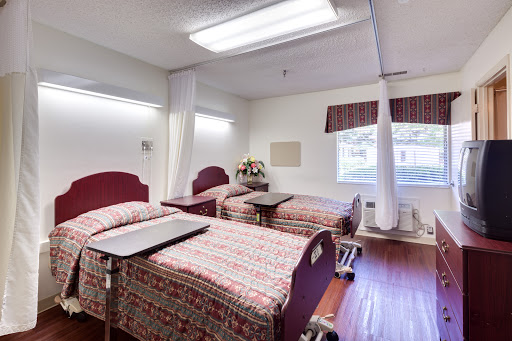
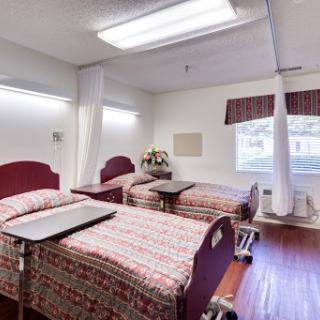
    A spacious patient room in a healthcare facility, featuring two beds and natural light from a window.
  • Lighting

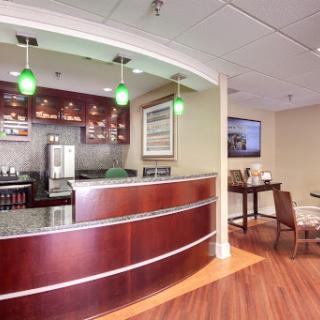
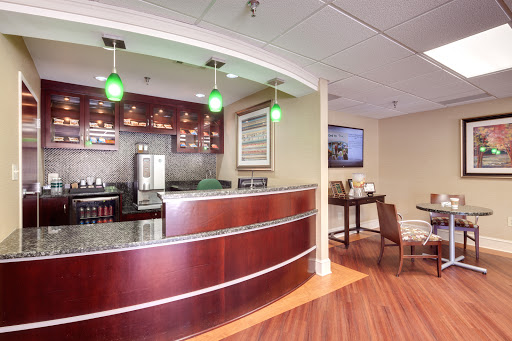
    A modern reception area featuring a stylish bar and comfortable seating.
  • Artwork

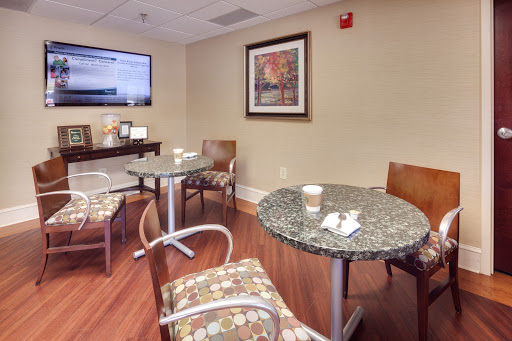
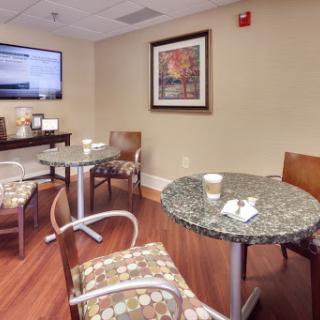
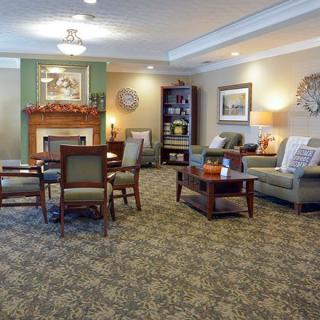
    A cozy waiting area featuring chairs and tables, complemented by artwork and a television.
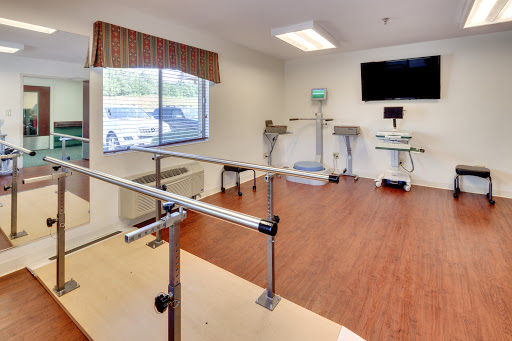
  • Exercise Equipment

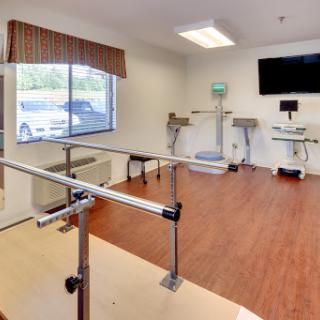
    A well-equipped physical therapy room featuring parallel bars and various exercise equipment, designed for rehabilitation.
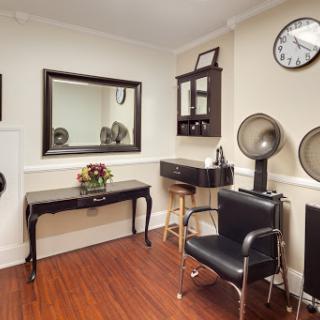
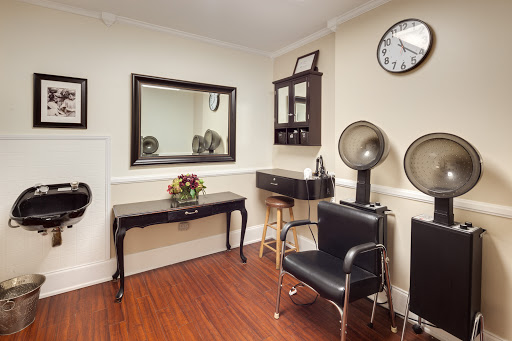
  • Salon

    A cozy hair salon interior featuring a mirror, styling station, and comfortable seating.

Pruitthealth - Lanier in Buford, GA

Information last verified:

2451 Peachtree Industrial Boulevard, Buford, GA 30518

For more information about senior living options: (844) 490-3973

3.2 from 133 reviews
5 stars
59
4 stars
13
3 stars
5
2 stars
7
1 stars
49

Overall Review of Pruitthealth - Lanier

Pros

  • pro The staff at PruittHealth Lanier are consistently friendly, compassionate, and empathetic toward residents.
  • pro The facility is clean and well-maintained, creating a welcoming atmosphere for families.
  • pro The rehab and therapy teams are highly skilled and effective at helping residents regain strength and mobility.
  • pro The admissions process is handled by a friendly, helpful team that makes families feel welcome.
  • pro The medical staff are professional, knowledgeable, and dedicated to quality care.
  • pro The facility communicates well with families and coordinates care to meet residents’ needs.
  • pro In-house diagnostics and clinical care have contributed to life-saving outcomes.
  • pro The environment is patient-focused and many residents and families feel grateful for the care provided.

Cons

  • pro The staff never answer the phone and the facility smells like a bad daycare.
  • pro The second shift staff are rude, uncaring, and show a lack of urgency in attending to residents.
  • pro The facility is described as the absolute worst place, with warnings not to send loved ones there.
  • pro The building is old and outdated, with a foul urine smell and dirty conditions.
  • pro Residents are left neglected for hours and call lights go unanswered.
  • pro The food is often cold, unappealing, or not provided at all.
  • pro Essential equipment (CPAP, oxygen) is missing or not functioning, and basic comfort items like fans are unavailable.
  • pro Residents develop bed sores and dehydration from neglect and insufficient turning; safety and hydration are concerns.
  • pro Administration is frequently unresponsive, with poor communication and missed follow-ups.
  • pro The facility is described as dirty, with mold or pests, and staff are inconsistent in cleanliness and care.

Review

PruittHealth Lanier in Buford, GA is most suitable for families seeking a strong rehabilitation track record and a facility that stays closer to home for post-acute recovery. It works best when a loved one needs intensive therapy to regain mobility after a hospitalization and when family members can invest time to stay engaged with the care team. The community also suits those who value a compassionate, personable staff and a setting that feels welcoming, even as the building itself remains older and in need of ongoing upgrades. In short, it serves well for short- to mid-term rehab with the goal of returning home, provided there is capacity for vigilant family involvement and a tolerance for variability in day-to-day operations.

The clearest positives center on the therapy-focused, resident-first approach observed by many families. The rehab crew is repeatedly praised for knowledge, patience, and tangible improvements , stories of individuals learning to walk again within weeks after surgery illustrate the core value. Staff across nursing, therapy, and social work are described as professional, responsive, and genuinely caring in high-stress moments. Admissions personnel, often highlighted in reviews for their accessibility and warmth, contribute to a smoother transition from hospital to rehab. When the team identifies a need, doctors, nurses, and therapists collaborate to address it, and the breadth of in-house services, including ultrasound, X-ray, and on-site clinical staff, can expedite critical decisions without unnecessary transfers. The result is a rehabilitation experience that, for many families, provides concrete progress and reassurance in difficult times.

Yet the facility’s shortcomings are substantial and consistently echoed by many reviewers. A pervasive theme is inconsistent staffing and uneven communication across shifts, which translates into delayed responses to call lights, missed updates, and frustration for families trying to coordinate care. The atmosphere is sometimes described as smelling unpleasant or being physically unclean, with multiple accounts of rooms needing attention, crowded double-occupancy layouts, and older infrastructure that struggles to meet modern expectations. Several families report neglectful or rushed care, including delays in feeding, bathing, or turning patients, with distressing anecdotes about bedsores or dehydration. These recurring concerns undermine confidence in daily safety and undermine the otherwise strong rehab basics when a long-term stay is contemplated.

Because the drawbacks are real, it is essential to identify who should consider alternatives. If reliable, consistent day-to-day care is non-negotiable, this community may not meet expectations for long-term residency. Those who cannot advocate daily or who do not have a family member able to monitor care closely should entertain other options with stronger reputations for staffing continuity and rapid problem resolution. Private rooms, often a preference for ongoing comfort and privacy, may be scarce here, given the prevalence of older, crowded layouts and the inconsistent facility-wide upkeep. Families who prioritize modern renovations, pristine attention to resident environments, and uniformly responsive front-line care will likely find better alignment elsewhere.

When the pros truly matter, they can meaningfully offset the cons for the right candidate. For a post-hospital rehab patient who can tolerate occasional operational bumps, the depth and proficiency of the rehab team translate into real functional gains that can materially shorten the recovery arc and support a smoother return home. The facility’s capability to mobilize diagnostic tools in-house, paired with strong clinicians and a historically patient-centered culture, provides a powerful backbone during critical transitions. The presence of a well-regarded admissions team, and staff who express genuine appreciation for patients and their families, creates a hopeful, human-centered experience that stands in contrast to the more negative anecdotes. In essence, effective rehab outcomes and accessible clinical resources can outweigh some process flaws when the primary goal is restoration.

For families weighing a decision, the practical path is clear. If prioritizing short- or mid-term rehabilitation close to home and with a dedicated therapy team matters most, PruittHealth Lanier can be a strong choice, provided vigilance is exercised around communication and daily care. Before committing, visits should focus on meeting the administrator and frontline staff, look for concrete assurances about call-light response times, rounds frequency, and how therapies are scheduled across days. Request to tour multiple rooms in person to gauge current cleanliness and layout, and probe the kitchen for consistency in meal quality. Discuss the care plan in a joint conference with therapists, nurses, and social workers to confirm a realistic pathway to discharge. And if the family’s primary objective shifts toward long-term comfort, privacy, and a consistently spotless environment, it is prudent to compare alternatives with stronger track records in those domains.

Features

Housing

  • 117 resident community capacity 117 resident community capacity

Types of Care

  • Skilled Nursing Facility Skilled Nursing FacilitySkilled Nursing Facilities are crucial for seniors as they provide round-the-clock medical care, rehabilitation services, and assistance with daily activities. These facilities ensure that seniors receive the specialized care they need to maintain their health and well-being as they age.

Amenities

  • Air-conditioning Air-conditioningAir conditioning is important for seniors as they are more vulnerable to heat-related illnesses and may have underlying health conditions that make it difficult for them to regulate their body temperature. It helps to keep them comfortable, safe, and healthy in hot weather.
  • Beauty salon Beauty salonBeauty salons are important for seniors because they provide a space for them to feel pampered, socialize, and maintain their personal grooming and hygiene. Regular visits to a beauty salon can help boost seniors' self-esteem and overall well-being.
  • Cable or satellite TV Cable or satellite TVCable or satellite TV is important for seniors because it provides entertainment, news, and companionship, helping to combat loneliness and boredom. It also offers a wide range of programming options tailored to different interests and preferences.
  • Computer center Computer centerA computer center is essential for seniors as it provides access to technology, communication tools, and resources that can enhance their daily lives. It allows them to stay connected with loved ones, engage in online activities, and learn new skills, ultimately promoting socialization and mental stimulation.
  • Dining room Dining roomDining rooms are important for seniors as they provide a space for socialization, connection, and nutritious meals. They offer opportunities for residents to bond over shared meals, foster a sense of community, and promote healthy eating habits. Dining rooms also ensure that seniors have access to well-balanced meals tailored to their dietary needs and preferences.
  • Fitness room Fitness roomHaving a fitness room in a senior living community is essential for seniors to stay active, maintain their physical health, and improve their overall well-being. Regular exercise can help prevent falls, reduce the risk of chronic diseases, and promote mental sharpness. It also provides social opportunities for residents to connect with others and enjoy a sense of community.
  • Fully furnished Fully furnishedFully furnished senior living communities are important for seniors because they provide convenience, comfort, and a hassle-free moving experience. Seniors can easily settle into their new living space without the stress of having to buy and move furniture. This allows them to focus on enjoying their new home and community.
  • Gaming room Gaming roomGaming rooms are important for seniors as they provide a fun and engaging environment for socializing, cognitive stimulation, and physical activity. Games can improve memory, problem-solving skills, and overall mental well-being while fostering friendships and reducing feelings of isolation.
  • Garden GardenGardens are important for seniors as they provide a peaceful and therapeutic environment for relaxation, physical activity, and socialization. Being in nature has been shown to reduce stress, improve mood, and promote overall well-being. Gardens also offer opportunities for seniors to engage in gardening activities, which can improve mobility, flexibility, and cognitive function. Additionally, gardens create a sense of community and connection with others who share a passion for plants and outdoor spaces.
  • Housekeeping services Housekeeping servicesHousekeeping services are important for seniors because they help maintain a clean and safe living environment, promote independence, and reduce the risk of accidents or illnesses. Additionally, having assistance with household chores can alleviate physical strain and allow seniors to focus on other aspects of their well-being.
  • Kitchenette KitchenetteKitchenettes are important for seniors living in senior living communities because they provide the convenience and independence of being able to prepare simple meals and snacks in the comfort of their own living space. This can help promote a sense of autonomy and well-being for seniors, allowing them to maintain some level of control over their dietary choices and daily routines.
  • Move-in coordination Move-in coordinationMove-in coordination is important for seniors because it helps ease the transition into their new living environment. It ensures that all logistics, such as packing, organizing movers, and setting up utilities are taken care of, allowing seniors to focus on settling in and adjusting to their new home. Having a smooth move-in process can alleviate stress and anxiety, making the transition smoother and more enjoyable for seniors.
  • Outdoor space Outdoor spaceOutdoor spaces are important for seniors as they provide opportunities for physical activity, social interaction, exposure to natural light and fresh air, and a sense of connection to nature. Having access to outdoor spaces can improve overall well-being and quality of life for older adults living in senior communities.
  • Private bathrooms Private bathroomsPrivate bathrooms are important for seniors in senior living communities because they provide independence, dignity, and comfort. Having a private bathroom allows seniors to maintain their personal hygiene routines without the need for assistance, promoting a sense of autonomy and privacy. Additionally, private bathrooms help prevent the spread of infections and provide a safe and clean environment for seniors to navigate safely.
  • Restaurant-style dining Restaurant-style diningRestaurant-style dining is important for seniors because it allows them to enjoy delicious, nutritious meals in a social and upscale setting. This enhances their dining experience, promotes healthy eating habits, and fosters socialization with fellow residents, ultimately contributing to their overall well-being and quality of life.
  • Small library Small librarySmall libraries are important for seniors as they provide access to a variety of reading materials, including books, newspapers, and magazines. This can help stimulate their minds, keep them engaged, and provide a sense of community through book clubs and other social activities. Additionally, reading has been shown to improve cognitive function and overall mental well-being in older adults.
  • Telephone TelephoneTelephones are important for seniors as they provide a lifeline for communication with loved ones, emergency services, and healthcare providers. They offer a sense of security and independence, enabling seniors to stay connected and access assistance when needed.
  • Wellness center Wellness centerWellness centers are important for seniors because they offer a variety of programs and services that promote physical, mental, and emotional well-being. These centers provide opportunities for exercise, socialization, education, and relaxation, helping seniors maintain their overall health and quality of life.
  • Wi-Fi/high-speed internet available Wi-Fi/high-speed internet availableWi-Fi/high-speed internet is important for seniors to stay connected with loved ones, access online resources, and participate in virtual activities to combat feelings of loneliness and isolation. It also allows them to easily manage healthcare needs, access entertainment, and engage in lifelong learning opportunities.

Transportation

  • Community operated transportation Community operated transportationCommunity operated transportation is crucial for seniors as it provides them with the means to access essential services, social activities, and medical appointments. It allows seniors to maintain their independence and quality of life by ensuring they can participate in activities outside of their homes. Additionally, community-operated transportation services offer a safe and reliable way for seniors to travel without having to rely on family or friends for assistance.
  • Transportation arrangement Transportation arrangementTransportation arrangements are crucial for seniors as they may face challenges with driving, mobility, or access to public transportation. Having reliable transportation services ensures that seniors can easily attend appointments, social activities, and maintain their independence and quality of life.
  • Transportation arrangement (non-medical) Transportation arrangement (non-medical)Transportation arrangements are essential for seniors as they provide access to essential services, activities, and social interactions outside the home. This service helps maintain independence, mobility, and overall well-being for seniors who may have limited transportation options.
  • Transportation to doctors appointments Transportation to doctors appointmentsTransportation to doctors appointments is crucial for seniors as it ensures they have access to necessary medical care and support, promoting their health and well-being. It allows them to receive timely treatment, monitor existing conditions, and address any new health concerns efficiently. Additionally, transportation services can help seniors maintain their independence and quality of life by enabling them to stay connected with their healthcare providers.

Care Services

  • 12-16 hour nursing 12-16 hour nursing12-16 hour nursing care is crucial for seniors in order to ensure around-the-clock monitoring, timely medication administration, and prompt response to any health concerns or emergencies. This level of care helps to promote the overall well-being and safety of seniors living in senior living communities.
  • 24-hour call system 24-hour call system24-hour call systems are important for seniors because they provide peace of mind and immediate assistance in case of emergencies. This technology ensures that help is always available, promoting safety and security for elderly individuals living alone or in assisted living facilities.
  • 24-hour supervision 24-hour supervision24-hour supervision is important for seniors to ensure their safety, well-being, and access to immediate assistance in case of emergencies or health issues. This constant support provides peace of mind for both seniors and their loved ones, allowing them to age in place with dignity and security.
  • Activities of daily living assistance Activities of daily living assistanceActivities of daily living assistance are important for seniors because they provide essential support with tasks such as eating, bathing, dressing, and mobility. This assistance helps seniors maintain their independence, dignity, and overall quality of life as they age.
  • Assistance with bathing Assistance with bathingAssistance with bathing is crucial for seniors as it helps maintain personal hygiene, prevents infections, and ensures their overall well-being and comfort. It also provides a sense of dignity and independence for seniors who may struggle with this task on their own.
  • Assistance with dressing Assistance with dressingAssistance with dressing is important for seniors because it helps maintain their independence, promotes personal hygiene, prevents accidents and injuries, and improves overall quality of life. This service ensures that seniors can continue to dress comfortably and confidently, despite any physical limitations they may have.
  • Assistance with transfers Assistance with transfersAssistance with transfers is crucial for seniors as it helps prevent falls and injuries, maintains their independence, and ensures they can safely navigate their living environment. It also provides peace of mind for both seniors and their loved ones.
  • Diabetes diet Diabetes dietA diabetes diet is crucial for seniors as it helps manage blood sugar levels, reduce risks of complications, and improve overall health and well-being. By following a balanced and nutritious diet tailored to their specific needs, seniors can better control their diabetes and enhance their quality of life.
  • Meal preparation and service Meal preparation and serviceMeal preparation and service are crucial for seniors as they may have limited mobility or energy to cook nutritious meals. Having access to healthy and convenient food options can ensure they are getting the proper nutrition needed to maintain their overall health and well-being.
  • Medication management Medication managementMedication management is crucial for seniors to ensure they are taking the right medications at the correct dosages and times. This helps prevent adverse drug interactions, reduces the risk of medication errors, and promotes overall health and well-being. Proactive management also allows for adjustments as needed based on changing health conditions or new prescriptions.
  • Mental wellness program Mental wellness programMental wellness programs are essential for seniors as they promote cognitive stimulation, emotional support, and social engagement. These programs help prevent isolation, depression, and cognitive decline, ultimately enhancing the overall quality of life for older adults.
  • Special dietary restrictions Special dietary restrictionsSpecial dietary restrictions are important for seniors because age-related changes in metabolism and health conditions can make it difficult for their bodies to process certain foods. By following a diet tailored to their specific needs, seniors can maintain their overall health and well-being, manage chronic conditions, and reduce the risk of complications such as malnutrition or food interactions with medications.

Dining

  • Diabetes diet Diabetes dietA diabetes diet is crucial for seniors as it helps manage blood sugar levels, reduce risks of complications, and improve overall health and well-being. By following a balanced and nutritious diet tailored to their specific needs, seniors can better control their diabetes and enhance their quality of life.
  • Special dietary restrictions Special dietary restrictionsSpecial dietary restrictions are important for seniors because age-related changes in metabolism and health conditions can make it difficult for their bodies to process certain foods. By following a diet tailored to their specific needs, seniors can maintain their overall health and well-being, manage chronic conditions, and reduce the risk of complications such as malnutrition or food interactions with medications.

Activities

  • Community-sponsored activities Community-sponsored activitiesCommunity-sponsored activities are important for seniors as they provide opportunities for social interaction, mental stimulation, and physical activity. These activities can help improve overall well-being, combat loneliness and isolation, and promote a sense of belonging and purpose among older adults.
  • Concierge services Concierge servicesConcierge services are essential for seniors as they provide assistance with daily tasks and errands, enhance their quality of life by offering convenience and personalized care, and promote a sense of safety and security.
  • Fitness programs Fitness programsFitness programs are crucial for seniors as they help improve strength, flexibility, balance, and overall well-being. Staying active can reduce the risk of chronic diseases, improve mental health, and enhance quality of life in older adults.
  • Planned day trips Planned day tripsPlanned day trips are important for seniors because they offer opportunities for socialization, mental stimulation, and physical activity. They provide a change of scenery and help seniors stay engaged and connected to their community, promoting overall well-being and quality of life.
  • Resident-run activities Resident-run activitiesResident-run activities are important for seniors as they encourage social interaction, creativity, and a sense of autonomy. These activities empower seniors to stay engaged and active in their community while fostering meaningful connections with their peers.
  • Scheduled daily activities Scheduled daily activitiesScheduled daily activities are important for seniors because they provide structure, socialization, mental stimulation, and physical activity. Engaging in regular activities can improve overall well-being and quality of life for seniors living in a community setting.

Description

Pruitthealth - Lanier in Buford, GA is an assisted living community that offers a wide range of amenities and care services to ensure the comfort and well-being of its residents. The community features a beauty salon for residents to pamper themselves, as well as cable or satellite TV in each room for entertainment. Community operated transportation is available for the convenience of residents, including transportation to doctors' appointments.

For those looking to stay connected in today's digital world, Pruitthealth - Lanier provides a computer center with Wi-Fi/high-speed internet access. Residents can enjoy their meals in the dining room with restaurant-style dining or prepare their own meals using the kitchenette available in each unit. Housekeeping services are also provided to maintain a clean and tidy living environment.

To promote an active lifestyle, this assisted living community offers a fitness room and a wellness center. Residents can participate in fitness programs or engage in planned day trips organized by the community. Additionally, there is a gaming room and small library for recreational activities.

The care services at Pruitthealth - Lanier include 24-hour call system and supervision to ensure the safety of residents. Assistance with daily activities such as bathing, dressing, and transfers is provided by dedicated staff members. Medication management and special dietary restrictions are also taken into consideration.

Residents at Pruitthealth - Lanier can enjoy outdoor spaces within the community's garden, as well as nearby parks for leisurely walks or picnics. There are also two cafes, three parks, two pharmacies, two physicians' offices, and eleven restaurants located conveniently nearby.

Overall, Pruitthealth - Lanier offers a comfortable and supportive environment with various amenities and care services designed to enhance the quality of life for its residents.

Nearby Places of Interest

Restaurants

  • Tani Thai Restaurant (1 miles)
  • McDonald's (2.8 miles)
  • Cracker Barrel (2.8 miles)
  • Sugar Hill Distillery (2.8 miles)
  • Tavern House (4.4 miles)
  • McDonald's (4.6 miles)
  • Famous Joes (4.7 miles)

Pharmacies

  • CVS Pharmacy (1.9 miles)
  • Walgreens (2.9 miles)
  • Walgreens (6 miles)
  • CVS Pharmacy (6.1 miles)
  • CVS Pharmacy (6.5 miles)
  • Walgreens (6.9 miles)
  • Walgreens (7 miles)

Physicians

  • Northeast Georgia Physicians Group Buford (2.1 miles)
  • Tri County Internal Medicine (2.6 miles)
  • Milan Eye Center (5.2 miles)
  • Northeast Georgia Physicians Group Hamilton Mill (7 miles)
  • Reagan Medical Center (7.2 miles)
  • Windermere Medical Clinic (7.2 miles)
  • Infectious Disease Services Of Georgia, PC (7.4 miles)

Cafes

  • Starbucks (2.6 miles)
  • Kung Fu Tea (4.2 miles)
  • Starbucks (5.8 miles)
  • Starbucks (7.7 miles)
  • Ding Tea (8 miles)
  • Panera Bread (8.8 miles)

Parks

  • E.E Robinson Park (3.6 miles)
  • Gary Pirkle Park (3.7 miles)
  • Buford Dam Park (3.8 miles)
  • Two Mile Creek Park (6.1 miles)
  • George Pierce Park (6.2 miles)
  • Town Center Park (6.5 miles)
  • Rock Springs Park (6.6 miles)

Places of Worship

  • Prince of Peace Catholic Church (6.3 miles)
  • Shirdi Sai Temple of Atlanta (6.4 miles)

Theaters

  • Regal Hamilton Mill (6.5 miles)

Hospitals

  • Encompass Health Rehabilitation Hospital of Cumming (7.9 miles)
  • Northside Hospital (8.6 miles)
  • Northside Women's Center (8.6 miles)

Frequently Asked Questions

Where is Pruitthealth - Lanier?
What photos are available for Pruitthealth - Lanier in Buford, Georgia?

Nearby Communities

  • Edlyn Healthcare Services II

    Edlyn Healthcare Services II

    Buford, GA

    1 from 3 reviews
     

    pro Comprehensive 24/7 care with ADL support, meals, and medical transportation in a fully furnished setting.


  • Dusty Ridge

    Dusty Ridge

    Buford, GA


    pro Comprehensive care and amenities: meals, ADL support, medication management, housekeeping, transport to appointments, and dietary accommodations.

  • Charter Senior Living Of Buford

    Charter Senior Living Of Buford

    Buford, GA

    4 from 90 reviews
    $3,750 to $4,595 / month

    pro Caring staff with engaging activities in a clean, attractive setting.

  • Holbrook Sugar Hill

    Holbrook Sugar Hill

    Sugar Hill, GA

    4.6 from 29 reviews
    $4,444 to $6,500 / month

    pro Elegant, hotel-like atmosphere with caring staff and amenities like a hydrotherapy pool.

  • Wickshire South Lee Buford

    Wickshire South Lee Buford

    Buford, GA

    4.1 from 18 reviews
     

    pro Well-maintained facilities with cottage-style independent living, engaging activities, and friendly staff.

  • Brookdale South Lee Independent Living

    Brookdale South Lee Independent Living

    Buford, GA

    4.8 from 10 reviews
    $2,055 to $3,105 / month

    pro Caring staff and a warm, home-like environment with engaging activities.

  • Home Care Matters - Flowery Branch,  GA

    Home Care Matters - Flowery Branch, GA

    Flowery Branch, GA

    4.7 from 37 reviews
     

    pro Loving, attentive staff delivering exceptional, personalized care.

  • Watermark Senior Living

    Watermark Senior Living

    Flowery Branch, GA

    5 from 16 reviews
    $3,500 / month

    pro Private studio/1-bedroom options with private baths, comprehensive care, and on-site amenities.

  • Heartis Suwanee

    Heartis Suwanee

    Suwanee, GA

    4.4 from 124 reviews
    $3,075 to $4,845 / month

    pro Beautiful, modern community with friendly staff, engaging activities, and strong amenities.

Related Resources

  • what does the sandwich generation meanUnderstanding the Sandwich Generation: Stress and Responsibilities for Multigenerational Caregivers

    The Sandwich Generation comprises adults managing the dual responsibilities of caring for aging parents and raising children, leading to significant emotional, logistical, and financial challenges. This situation is exacerbated by longer life expectancies and cultural expectations, necessitating effective coping strategies and support resources to alleviate caregiver stress and burnout.

  • assistive devices for elderly8 Essential Assistive Devices for Older Adults

    The article highlights eight essential assistive devices that improve the independence and safety of older adults, addressing issues related to mobility, balance, vision, hearing, and dexterity. It emphasizes the importance of proper selection guided by healthcare professionals to enhance seniors' quality of life while allowing them to age in place.

  • how to pay for nursing homeNavigating the Financial Road to Nursing Home Care: In-Depth Guidance and Resources
    The article offers detailed guidance on the financial complexities of nursing home care, covering costs, payment methods, and alternative funding strategies while emphasizing the importance of proactive planning and legal considerations for individuals and families making care decisions.