
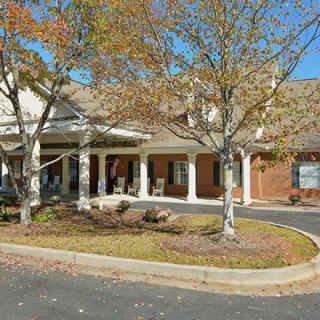
5497 North Richland Creek Road, Buford, GA 30518
For more information about senior living options: (866) 208-4318
Overall Review of Edlyn Healthcare Services II
Pros
 She seems nice at first.
- She comes across as friendly initially.
Cons
 The service is unprofessional.
- There are no proper or appropriate protocols in place.
- There is a complete lack of communication from the owner, who ignores issues between staff and client concerns while favoring Nigerian/African nurses over others.
- The owner is not a nurse and has zero knowledge of nursing skills or patients' needs.
- The owner seems nice until questions are raised, then goes silent to avoid addressing concerns deemed not relevant, showing passive aggression.
- The reviewer plans to stick with reputable agencies moving forward.
Review
Edlyn Healthcare Services II in Buford is best suited for families seeking a small, hands-on operation where access to the owner and staff feels intimate, and where formal corporate-style systems are not the priority. The accounts portray warmth and a sense of personal attention that can feel comforting in the moment, but this is paired with a conspicuous absence of established clinical protocols, standardized procedures, and reliable channels of communication. Care appears to hinge on the discretion and availability of a limited team rather than on documented care plans or clear accountability. For families comfortable with informality and willing to supervise quality directly, Edlyn may hold temporary appeal; for anyone prioritizing consistent, professional oversight, it’s a mismatch.
Explicitly, this setting is likely to appeal to households that do not require constant nursing supervision and can tolerate variability in staff performance if there is a direct line to the owner. Yet the negative signals are decisive: professional nursing leadership, transparent governance, and timely, clear communication are not demonstrated in the experiences shared. For families needing formal care coordination, documented protocols, and a robust escalation path for concerns, alternatives should be considered. Those who insist on equitable, non-discriminatory staffing and a workplace culture without perceived bias should strongly reassess, given the emphasis on communication gaps and favoritism allegations in the accounts.
From the limited positives offered, the sole plausible pro is a perceived personal touch in a smaller operation. However, these potential advantages fail to meaningfully offset the core risks identified. The absence of proper, standardized protocols leaves care decisions unstandardized and vulnerable to inconsistent application. The reported communication gaps enable problems to fester rather than be resolved, undermining trust in daily care. When concerns arise, the owner’s silence or emotionally protective stance further erodes confidence that issues will be addressed promptly or respectfully. In practical terms, warmth without structure provides no reliable safeguard for residents’ well-being.
The most troubling themes center on unprofessionalism and a leadership gap. One account depicts an owner who is not a nurse and who appears to lack nursing expertise, choosing to disengage when questions are raised. This misalignment between leadership and clinical needs raises serious safety questions. Allegations, if valid, of favoritism toward a subset of staff compound risk by eroding consistency, fairness, and the establishment of objective care standards. Taken together, these factors undercut any hope that residents would receive dependable, accountable, and patient-centered care on a daily basis. The cumulative effect is a facility where quality control relies more on informal relationships than on verifiable systems.
For families evaluating options, the prudent approach is to scrutinize licensing, staffing ratios, and caregiver credentials with rigor. Demand written policies on care planning, medication administration, incident reporting, and regular family communication. Require a face-to-face discussion with the owner and management team, and insist on tours focused on problem-solving processes, not just appearances. Speak with current or recent residents or families to gauge whether concerns are handled with transparency and timeliness. If responses feel evasive or there is no clear escalation framework, this signals red flags. Transparent governance and measurable care outcomes should guide the decision, not the warmth of a small operation.
In sum, Edlyn Healthcare Services II presents a high-stakes proposition for most families seeking dependable assisted living. The negatives, unprofessional leadership, lack of formal protocols, and poor communication, outweigh any soft benefits implied by a smaller, friendlier setting. Alternatives with transparent governance, regulated procedures, and demonstrable staff accountability offer far greater peace of mind and safer, more predictable care. That landscape points families toward other communities first, reserving Edlyn for scenarios where close, informal oversight is acceptable and families are prepared to take an active, hands-on role in monitoring quality.
 3 resident community capacity
 Assisted Living
 Cable or satellite TV
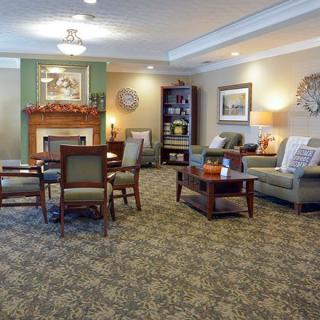
 Dining room
 Fully furnished
 Garden
 Housekeeping services
 Move-in coordination
 Outdoor space
 Telephone
 Wi-Fi/high-speed internet available
 24-hour supervision
 Activities of daily living assistance
 Assistance with bathing
 Assistance with dressing
 Assistance with transfers
 Diabetes diet
 Meal preparation and service
 Medication management
 Special dietary restrictions
 Transportation arrangement (medical)
 Transportation to doctors appointments






 Understanding the True Cost of Assisted Living in 2025: A Comprehensive Guide
 Understanding Medicaid Coverage for Assisted Living: A Comprehensive Guide
 How and When Medicaid May Cover Assisted Living Costs