Residents and families often describe the care team as attentive and supportive.
Many reviewers thank the staff for showing care, kindness, and responsive help during difficult situations, including admissions and day-to-day needs. Several mentions include nurses, CNAs, therapists, and social work team members who follow up, communicate concerns, and make residents feel supported. A few reviews also call out instances where staff responsiveness or demeanor fell short, but the overall tone remains that many caregivers are genuinely trying to help.
common12 reviews mention this
Rehab and nursing support highlighted
Rehabilitation and nursing follow-through are recurring strengths in reviews.
A number of reviewers describe therapy support as helping residents progress after surgeries, hospital stays, or rehab stays. Multiple comments mention nurses and aides managing care in a way that keeps residents comfortable and helps families feel informed. Some reviews contrast this by describing delays with getting residents up, help with daily activities, or consistent bedside assistance, which is where the experience can vary.
caveat8 reviews mention this
Food quality is mixed
Food quality and meal accuracy come up as an issue.
Some reviewers praise specific meal experiences and say breakfast selections were good, or that the food suited dietary needs. Others report meals being cold, processed, not matching orders, or not aligning with diabetes and carb-controlled diets. Several complaints also describe being left without preferred food options or running out of meal items, contributing to frustration for families and residents.
caveat7 reviews mention this
Cleanliness and pests are debated
Cleanliness is inconsistent, with pests and odors mentioned by some.
A portion of reviews describe the facility as very clean and note it smells clean, with housekeeping keeping rooms sanitized. Others report strong odors, rundown conditions, and pest issues like roaches, plus concerns about rooms and linens. When cleanliness is discussed negatively, it often appears alongside broader worries about upkeep and room conditions.
caveat3 reviews mention this
Communication can be difficult
Some families describe challenges getting in touch.
A few reviewers mention trouble reaching the right person by phone and describe being transferred incorrectly or not getting answers. Others express dissatisfaction with how concerns were handled, including what was being communicated about care or billing follow-up. Even among positive reviews, communication is generally described as important enough to comment on, but the negative experiences stand out.
caveat4 reviews mention this
Safety and medication concerns appear
Some reviews raise serious concerns about safety and medication handling.
Several low-rating reviews describe falls—such as being left unsecured in a wheelchair, falling out of bed, or other injury-related incidents—and express distress about what they were told. Others also mention medication errors or missed medications, and at least one reviewer links a severe outcome to medication or medical negligence concerns. These reports are severe enough that they overshadow the positive mentions for some families.
How we summarize
Counts show how many written reviews mention each theme; a review can touch several themes, and only frequently mentioned themes are displayed.
Nonmedical home care provides assistance with daily activities and companionship for individuals wishing to maintain independence and quality of life at home, without medical intervention. Its growing popularity is driven by an aging population, the need for supportive environments for recovery, and the emotional benefits of caregiver companionship, while costs vary based on service frequency and location.
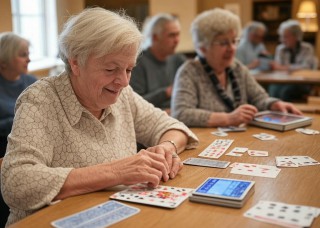
Maintaining cognitive fitness through engaging in various brain games, both traditional and digital, is crucial for seniors as it enhances memory retention, problem-solving abilities, and emotional well-being while helping to protect against age-related decline. A holistic approach that includes diverse activities, physical exercise, a balanced diet, and social interaction further supports mental health and cognitive function.
The article outlines strategies for keeping seniors' minds active through brain games and apps, highlighting the importance of cognitive exercises, social engagement, and a healthy lifestyle in combating cognitive decline. It emphasizes the benefits of various types of games and offers practical tips for maintaining mental wellness through enjoyable activities while acknowledging their limitations.
Get PricingAsk A QuestionSchedule A TourContact Senior Advisor
By clicking submit, you agree to our Partner's Terms of Use. You
also consent to receive calls and texts, which may be autodialed, from our Partner. Your consent is not a condition to
using our Partner's service. Please visit our Partner's Privacy Policy for information about their privacy practices.

 210 resident community capacity
 Skilled Nursing Facility
 Air-conditioning
 Beauty salon
 Cable or satellite TV
 Computer center
 Dining room
 Fitness room
 Fully furnished
 Gaming room
 Garden
 Housekeeping services
 Kitchenette
 Move-in coordination
 Outdoor space
 Private bathrooms
 Restaurant-style dining
 Small library
 Telephone
 Wellness center
 Wi-Fi/high-speed internet available
 Pensacola Regional (5 miles away)
 Community operated transportation
 12-16 hour nursing
 24-hour call system
 Activities of daily living assistance
 Assistance with bathing
 Assistance with dressing
 Assistance with transfers
 Diabetes diet
 Medication management
 Mental wellness program
 Special dietary restrictions
 Concierge services
 Planned day trips
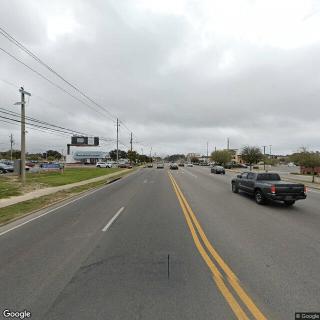
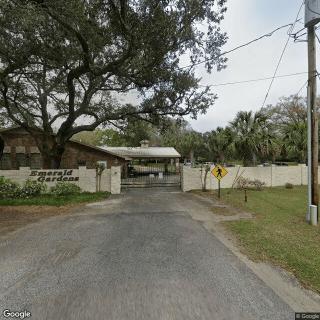
 Amenity-rich location with extensive nearby healthcare, dining, and recreational options.



 Exploring Nonmedical Home Care: Understanding Services, Costs, and Financial Approaches
 Engaging Brain Games and Innovative Apps to Keep Senior Minds Active
 Effective Strategies for Keeping Seniors' Minds Active: A Deep Dive into Brain Games and Apps