Care teams seem attentive at times, but delays and call issues come up repeatedly in reviews.
Some reviewers describe staff as close by, helpful, and responsive when they need assistance. Others report long waits for basic help, ignored call buttons, and trouble getting through by phone to reach the right desk. Several comments also describe residents left in bed rather than getting assistance to move or shower on a timely schedule.
common10 reviews mention this
Nursing, therapy, and care
Residents and families frequently mention skilled nursing and therapy as key parts of the experience.
A number of reviews credit nursing care, therapy, and aide support for helping residents improve and regain strength. Some families also describe follow-up communication about progress after discharge. A smaller set of reviews raise serious concerns about medication errors and the day-to-day consistency of care.
caveat6 reviews mention this
Food quality and safety concerns
Food is a recurring point of praise and complaint, especially around diet fit.
Several reviewers say the food is disappointing or not fit to eat, including issues like processed meals, serving sugar to someone with diabetes, or meals that residents miss. Other reviews mention that food quality could be better. Reviews also include concerns about cleanliness-related factors in the room that are tied to overall satisfaction.
caveat11 reviews mention this
Cleanliness varies by review
Cleanliness is inconsistent across reviews, with both strong praise and recurring sanitation complaints.
Some reviewers describe the facility as very clean and report good smells and a tidy environment. Others mention roaches, strong odors, dirty rooms, and concerns about unclean shared areas. There are also comments about missing laundry items and items not being returned as labeled, which affects residents’ ability to have clean clothing.
common16 reviews mention this
Staff attitude and support
Many reviewers highlight friendly, caring staff who make residents feel supported.
A large share of reviews describe staff as cheerful, friendly, and caring, with multiple people thanking nurses and therapy staff by name. Families also mention feeling welcomed during admissions and visits, and say the administrator is approachable. Even among critical reviews, a few notes acknowledge that some staff members do try to help.
common2 reviews mention this
Nearby medical options
The location is near several healthcare and everyday stops.
Reviewers do not provide detailed notes about access, but the area around the community includes nearby physician offices, hospitals, pharmacies, and restaurants. That can make it easier to handle appointments and errands without traveling far.
How we summarize
Counts show how many written reviews mention each theme; a review can touch several themes, and only frequently mentioned themes are displayed.
Features
Types of Care
Skilled Nursing Facility
Transportation
Pensacola Regional (5 miles away)
Nearby Places of Interest
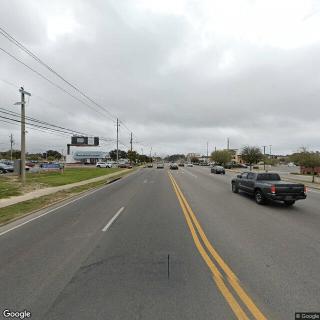
This part of Pensacola, Florida offers a convenient location with a variety of amenities nearby. There are several physicians' offices, including a cosmetic plastic surgeon and gastroenterology associates, as well as pharmacies and hospitals within close proximity. Additionally, there are cafes and restaurants such as Fosko Coffee Barre, Nick's Boathouse, and Ruby Slipper Cafe for dining options. The area also boasts a few places of worship for spiritual needs. For entertainment purposes, there is the AMC Bayou 15 theater just a short drive away. Overall, this part of Pensacola provides easy access to healthcare services, dining establishments, and entertainment venues suitable for seniors looking to settle down in a bustling yet convenient neighborhood.
Palliative care focuses on alleviating distress at any stage of a serious illness and can accompany curative treatments, while hospice care is for those nearing the end of life with a prognosis of six months or less, emphasizing comfort over curative measures. Both prioritize holistic care for patients and families but differ in timing, goals, and scope.
Fecal incontinence, prevalent among older adults, arises from factors like weakened pelvic muscles and nerve damage, significantly affecting well-being and social interactions. Diagnosis involves clinical evaluation and tests to inform tailored treatments, while caregivers and preventive measures can aid in managing the condition effectively.
Gardening provides seniors with physical exercise, mental and emotional support, and social interaction opportunities, while accommodating their needs through raised beds and ergonomic tools. It promotes health benefits like improved dexterity and cardiovascular health, encourages sustainable practices, and allows for manageable upkeep with low-maintenance plants.
Get PricingAsk A QuestionSchedule A TourContact Senior Advisor
By clicking submit, you agree to our Partner's Terms of Use. You
also consent to receive calls and texts, which may be autodialed, from our Partner. Your consent is not a condition to
using our Partner's service. Please visit our Partner's Privacy Policy for information about their privacy practices.



 Skilled Nursing Facility
 Pensacola Regional (5 miles away)
 Comprehensive on-site care with 24/7 supervision, medication management, restaurant-style dining, transportation, and wellness programs.


 Understanding the Nuances of Palliative Care and Hospice: A Comprehensive Exploration
 Fecal Incontinence in Older Adults: A Comprehensive Guide
 Nurturing Well-Being Through Gardening: A Detailed Guide for Senior Enthusiasts