
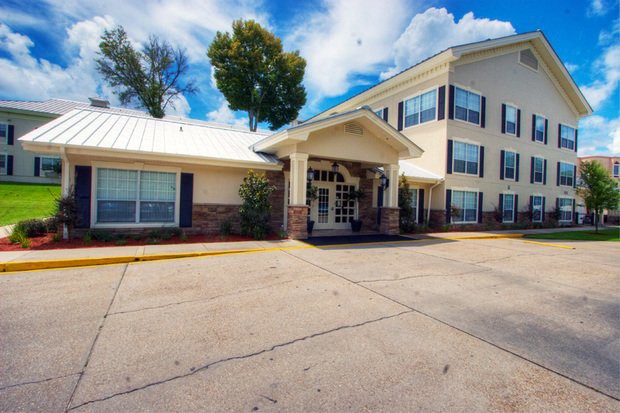
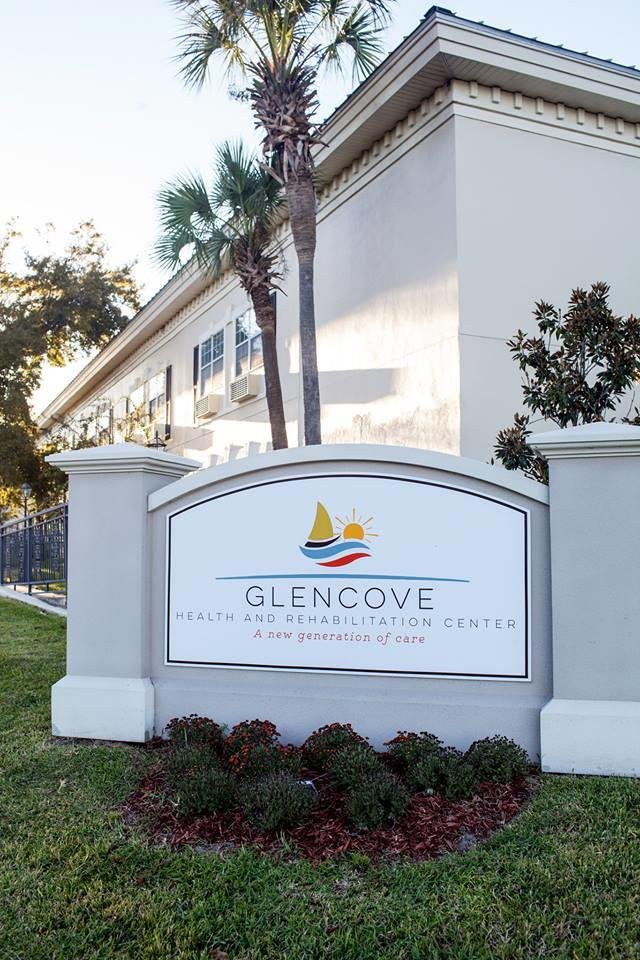




1027 East Highway 98, Panama City, FL 32401
For more information about senior living options: (866) 208-4318
Overall Review of Glencove Health And Rehabilitation Center
Pros
 She cares for everyone she takes care of.
- She takes time with patients, talks to them, and listens to them.
- The staff and nurses were very nice, and the facility was very clean.
- They were wonderful.
- The facility is great.
- They were pleased with the care.
Cons
 The facility is described as awful for elderly residents who cannot care for themselves.
- Bedridden residents are neglected and have a high risk of falls.
- Residents are left sitting in chairs with pressure sores and are forgotten by staff.
- Nurses pass care tasks to aides who are busy with other duties and do not regularly check on patients.
- The staff is said to be ashamed, and families are warned not to place loved ones there.
- Caregivers do not regularly check on patients unless they ask for help.
- An aunt developed a stage 3 bedsore that persisted for months at the facility.
Review
Glencove Health and Rehabilitation Center is best suited for families seeking a clean, approachable environment where frontline staff can provide personal attention and warmth, especially when a resident’s needs are primarily supportive rather than medically intensive. The facility appears to deliver a courteous, well-maintained setting with staff who can be kind and engaging, and it can work well for residents who are reasonably mobile or who require help with everyday tasks rather than constant medical oversight. Families that prize a pleasant atmosphere, visible cleanliness, and moments of genuine interaction will find upside here. However, those whose loved ones require steady attention, aggressive wound care, or strict monitoring should proceed with caution.
On the positive side, the property is described as clean and orderly, with remarks about a pleasant overall environment. A notable point from one review is the sentiment that a daughter who works as a certified nursing assistant there truly cares for every resident, taking time to talk, listen, and engage. Other accounts praise the staff’s demeanor and note that care professionals can be very attentive, especially when residents are able to voice their needs. In several reviews, the staff, including nurses, are depicted as kind and supportive, and the facility is associated with a generally pleasant atmosphere in which basic care tasks are performed with care. Cleanliness and a welcoming tone matter, and they are present.
Still, the drawbacks are substantial and cannot be dismissed. A recurring concern across reviews is underwhelming response to needs from bedridden or less-mobile residents, with multiple accounts describing neglect or delayed help. Observations of residents left sitting in chairs with pressure injuries, leading to bedsores, point to critical gaps in monitoring and repositioning. Reports of frequent falls suggest staffing pressures or gaps in supervision, particularly for those who cannot advocate for themselves. The most troubling feedback centers on the perception that nurses pass tasks to aides who are juggling other duties, resulting in inconsistent attention and inconsistent care. These patterns raise real safety and dignity concerns for the most vulnerable residents.
The key pros, cleanliness, a generally courteous staff, and moments of genuine care, do not fully offset the main cons for residents with significant care needs. The contrast between a clean environment and the uneven quality of daily hands-on care creates a risk that a resident’s comfort is maintained while safety and medical stability are undermined. For a family evaluating long-term placement, the facility may feel acceptable when oversight is possible, shifts align favorably, and a resident can participate in activities and request help without difficulty. But for those who rely on constant reassurance, timely assistance, and proactive medical or wound-care management, the negatives tend to dominate the decision.
Prospective families should approach with a clear plan to verify quality of care beyond first impressions. Visit at different times to observe response times and how quickly call lights are answered. Ask direct questions about staffing levels by shift, how wound care is managed, and what protocols exist for turning and repositioning immobile residents. Inquire about fall prevention measures, the process for escalation when help is delayed, and whether there is a consistent point of contact for families. If possible, speak with current residents and their families about daily routines, feeding, oral hygiene, and whether care plans are followed. These steps will reveal whether the facility’s strengths can realistically meet the resident’s needs.
In conclusion, Glencove Health and Rehabilitation Center offers a practical, clean setting with compassionate moments and friendly staff that can be a good fit for residents with moderate needs and families who can stay engaged and monitor care closely. It is less suitable for those requiring steady, high-touch medical oversight, constant supervision of immobile residents, and robust wound-care management. Alternatives with demonstrated consistency in nursing coverage, timely assistance, and rigorous prevention of pressure injuries should be considered for residents at higher risk. An informed decision will hinge on aligning the resident’s level of independence and medical needs with the facility’s demonstrated capacity to deliver reliable, responsive care every day.
 115 resident community capacity
 Skilled Nursing Facility
 Air-conditioning
 Beauty salon
 Cable or satellite TV
 Computer center
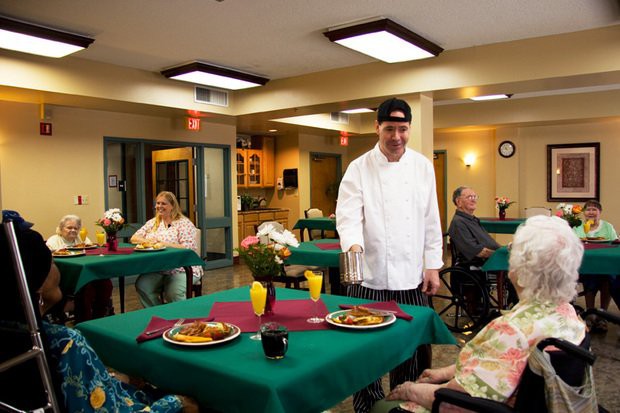
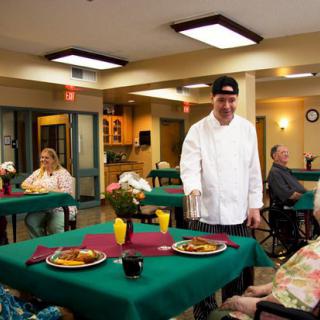
 Dining room
 Fitness room
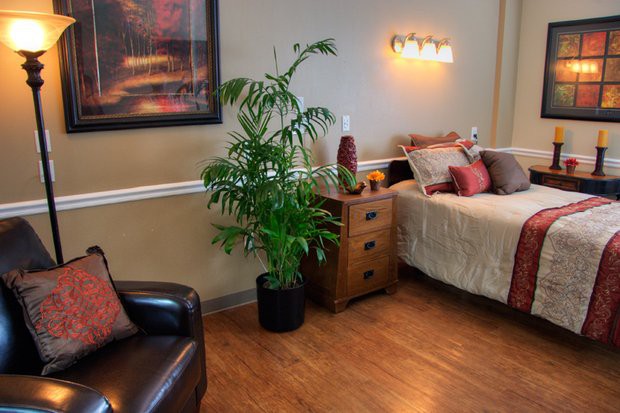
 Fully furnished
 Gaming room
 Garden
 Housekeeping services
 Kitchenette
 Move-in coordination
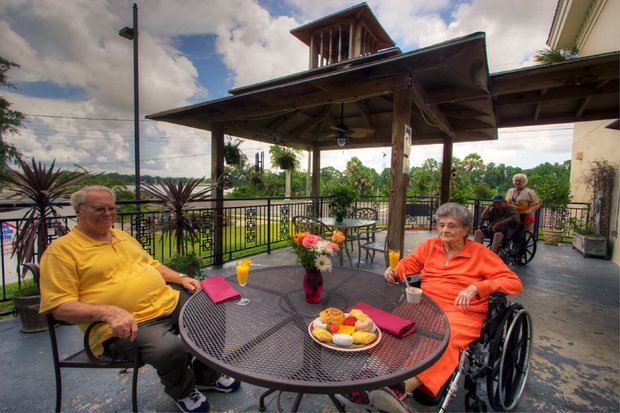
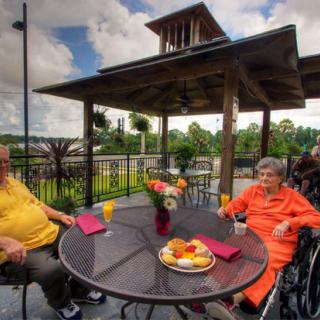
 Outdoor space
 Private bathrooms
 Restaurant-style dining
 Small library
 Telephone
 Wellness center
 Wi-Fi/high-speed internet available
 Panama City-Bay County International (4 miles away)
 Community operated transportation
 12-16 hour nursing
 24-hour call system
 Activities of daily living assistance
 Assistance with bathing
 Assistance with dressing
 Assistance with transfers
 Diabetes diet
 Medication management
 Mental wellness program
 Special dietary restrictions
 Concierge services
 Planned day trips






 A Closer Look at Private Pay Home Care
 Comprehensive Approaches for Arthritis: A Detailed Guide to Symptoms, Causes, and Care
 Comprehensive Insights and Practical Strategies to Help Older Adults Avoid Falls