
1700 Monroe Avenue, Maitland, FL 32751
For more information about senior living options: (866) 208-4318
Overall Review of Rehabilitation Center Of Winter Park
Pros
 The facility is described as the best rehab facility the reviewer has ever seen.
- The reviewer’s mother-in-law had a phenomenal two-week stay.
- The care from nurses, doctors, and PT/OT staff is described as excellent.
- Every employee is friendly and helpful, from the receptionist to the food service personnel.
- The facility is wonderful.
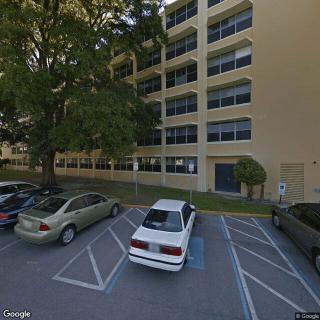
- The MIL’s 4th-floor room has floor-to-ceiling windows with sun streaming in and a beautiful view.
- Aarin in recreation made the MIL feel at home by playing Rummikub.
- The PT/OT staff were phenomenal and helped the MIL get walking quickly.
- Advent Inpatient Rehab is described as extremely helpful in recovery from a serious fall and hip issues.
- The entire staff—from housekeeping to doctors—are compassionate toward patients’ needs.
- The facility is the best rehab facility in Central Florida; they prepare patients to go home after surgery.
- The senior nurse manager Alicia Riesen is very helpful and knowledgeable.
Review
This community is best suited for seniors who need intensive short-term inpatient rehabilitation after surgery or a serious fall and who prioritize a highly responsive, family-oriented care team that can reliably propel recovery back toward home. In Maitland, the Rehabilitation Center Of Winter Park earns its strongest endorsement from families seeking swift, meaningful gains in mobility and a rehab-focused environment that treats progress as a collaborative pursuit. Patients consistently benefit from access to skilled nurses, physicians, and a robust PT/OT team, all working in concert to restore independence. The ambience matters here as well: rooms with abundant natural light, and staff who project warmth from reception through the dining floor, help temper the stress that accompanies a post-acute rehab journey. The strongest message is clarity of purpose, this is a place where the objective is clear, and the pathway to discharge home feels tangible.
The most important caveat for families is to align expectations with the facility’s core mission. This center excels at acute inpatient rehabilitation, which means it may be less suitable for those whose primary need is long-term custodial care, memory support, or ongoing complex medical management without a defined rehab discharge plan. For seniors who anticipate requiring extended daily care without the short-term rehab target, or who are seeking affordable, long-term residency with persistent chronic-care services, alternative settings, such as dedicated skilled nursing or memory-care communities, could be more appropriate. In short, the best-fit profile is someone ready to leverage intensive therapy to regain independence quickly, not a setting designed for extended residency without a clear rehab outcome.
The upside of this facility is undeniable and well-supported by the reviews. The clinical team is repeatedly described as exceptional: nurses and doctors who are attentive and communicative, and PT/OT therapists whose work produces real, measurable gains. Families praise the level of empathy across the entire staff, from housekeeping to food service, which translates into a supportive atmosphere the moment a loved one arrives. Several guests highlight leadership figures, an experienced senior nurse manager and an approachable physician on the fourth floor, whose competence and readiness to engage with families enhance trust and streamline discharge planning. The nonclinical touches matter too: recreation staff foster meaningful social engagement, with activities like partner play and games that help residents feel at home. The combination of meticulous clinical care and a welcoming culture stands out as the facility’s defining strength.
Where the reviews offer a candid read of potential drawbacks, they reveal a rehab-first orientation rather than a blanket shortcoming. The implied con is simply the nature of the model: this is a setting designed to reset function quickly, with discharge to home or community-based care in mind. For families evaluating options, the question becomes whether the plan is to maximize recovery time-limited by post-acute goals. If a loved one requires slower-paced rehab, a longer hospital-to-home trajectory, or sustained, round-the-clock supervision beyond the expected post-op window, alternatives with broader long-term care capabilities may feel more appropriate. The facility’s forte, aggressive, effective rehabilitation, can feel intense to those expecting a more passive recovery or a longer in-house stay without a defined end date.
In practice, the strength of the rehab program tends to offset the model’s natural limits by delivering rapid, stable progress and a discharge-ready trajectory. The programmatic advantages, high-quality therapy teams, coherent physician oversight, and a culture that emphasizes empathy and respect, translate into confidence for families facing the daunting task of returning a loved one home after surgery or a serious injury. The atmosphere and staff engagement reduce anxiety, which in turn supports adherence to therapy and, ultimately, functional gains. When coordination to outpatient or in-home services is strong, the transition from facility to home becomes less risky and more predictable, a crucial offset to any prospective concerns about a shorter in-house window.
For families weighing options, the practical path is clear: assess goal alignment, then verify the tangible indicators of success that matter most in rehab journeys. Schedule a visit to observe therapy sessions, meet the PT/OT leadership, and request a candid explanation of discharge planning timelines and post-discharge support. Ask about real patients’ trajectories and the kinds of outcomes achieved, walking milestones, independence in daily activities, and the rate of return to home or community living. Clarify how the facility coordinates with outpatient services, home health, or durable medical equipment suppliers. By focusing on outcome-oriented metrics and the strength of the care team, families can determine whether this center’s offerings align with the specific post-acute recovery goals in play, and whether a quicker, more confident route back to daily life is the right fit.
 180 resident community capacity
 Skilled Nursing Facility
 Air-conditioning
 Beauty salon
 Cable or satellite TV
 Computer center
 Dining room
 Fitness room
 Fully furnished
 Gaming room
 Garden
 Housekeeping services
 Kitchenette
 Move-in coordination
 Outdoor space
 Private bathrooms
 Restaurant-style dining
 Small library
 Telephone
 Wellness center
 Wi-Fi/high-speed internet available
 Orlando International (13 miles away)
 Community operated transportation
 12-16 hour nursing
 24-hour call system
 Activities of daily living assistance
 Assistance with bathing
 Assistance with dressing
 Assistance with transfers
 Diabetes diet
 Medication management
 Mental wellness program
 Special dietary restrictions
 Concierge services
 Planned day trips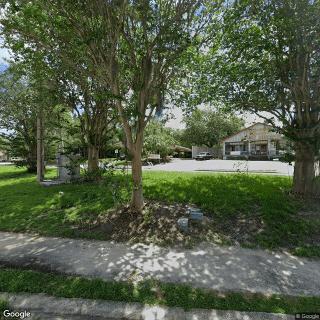



 Recognizing the Journey: Understanding and Navigating Anticipatory Grief
 Encouraging Participation in Adult Day Care: A Guide to Supporting a Hesitant Parent
 Comprehensive Exploration of Living Wills and Other Advance Directives