La Amistad Behavioral Health Services in Maitland, FL
Save
Information last verified:
1650 N Park Ave, Maitland, FL 32751
For more information about senior living options: (844) 490-3973
La Amistad Behavioral Health Services in Maitland is best suited for adults pursuing integrated treatment for mental health and substance-use concerns who value a structured, community-focused program with strong therapeutic relationships and a robust aftercare network. The center’s adult PHP/IOP tracks, plus residential options, are designed for clients who want regular group and individual therapy, practical coping skills, and a clear path toward reintegration with work and daily life. Those who thrive here typically respond to a disciplined schedule, clinicians who bring warmth and practicality to sessions, and a comprehensive approach that blends psychiatry, counseling, education, and peer support. The alumni structure is a notable asset, offering ongoing accountability and connection after discharge, which translates into durable gains for many.
Those who may want to consider alternatives include families prioritizing flawless staffing consistency and universal transparency in every interaction. Several reviews point to weekend staffing gaps or fluctuations in frontline personnel, which can fragment the experience during transitions or crises. Adolescent-focused concerns surface in some accounts, including reports of punitive routines and highly regimented environments that feel misaligned with therapeutic goals. For families needing seamless discharge planning, polished records handling, and uninterrupted administrative communication, there are programs that emphasize those areas more explicitly. In short, when demands center on perfect operational transparency and uniformly calm staffing around the clock, other options may feel more reliable.
The strongest positives at La Amistad offset many potential drawbacks through a being-there, client-centered ethos. The staff, therapists, nurses, and peers are repeatedly described as caring, knowledgeable, and deeply invested in recovery. Therapists such as Alyssa, Emil, Corey, and others are frequently singled out for anchoring groups, translating clinical concepts into practical daily tools, and modeling hopeful recovery. The program’s structure, balanced between rigorous therapy, life skills, and restorative community time, helps clients feel seen and supported without sacrificing accountability. Meals, engaging activities, and a palpable sense of safety contribute to a healing milieu where clients can confront difficult emotions and practice new responses. The alumni network is not a marketing line; it’s a concrete, continuing framework that reduces relapse risk by keeping people connected to mentors and peers who understand the journey.
On the other hand, the main cons demand careful consideration when weighing options. Adolescent experiences flagged by some reviewers illuminate the dangers of a punitive or overly controlling environment when the target population is younger. Even within adult programs, a handful of critiques cite inconsistent staffing, variable group quality, and occasional lapses in crisis handling. Administrative friction, intake wait times, lengthy forms, and occasional gaps in discharge coordination, has surfaced in multiple families’ accounts, underscoring the need for proactive questions about transitions, records, and family involvement before commitment. Some individuals also report interactions with certain clinicians that felt dismissive or brusque, reminding that the therapeutic alliance is essential and must be actively cultivated in every phase of treatment.
Despite these concerns, the pros frequently outsize the cons for the right client. When admitted with a genuine willingness to engage, clients consistently describe transformative growth: clearer self-understanding, improved emotional regulation, and practical strategies for daily living and relapse prevention. The program’s dual-track model, support for mental health alongside substance-use recovery, facilitates a comprehensive treatment experience rather than a narrow focus on one diagnosis. The emphasis on safety and routine helps stabilize patients during a vulnerable period, while the alumni network and ongoing outreach extend the impact well past discharge. For families, this translates into a credible plan for sustainable recovery, not a quick fix.
For families evaluating La Amistad, practical steps matter. Seek out a candid intake discussion that includes current staffing patterns and weekend coverage, ask to meet the primary treatment team, and request a concrete, written transition plan that covers schooling for younger residents, records release timelines, and post-discharge supports. Clarify how medications are managed and communicated with families, and verify the availability of a dedicated point person during the discharge window. Probe the alumni offerings: how active they are, what forms of ongoing support exist, and how access is maintained if life circumstances shift. Importantly, insist on a realistic schedule that you can track, whether for school, work, or family logistics, so the recovery plan can be carried forward without interruption.
In the end, La Amistad emerges as a high-potential choice for adults seeking a disciplined, therapy-driven path to recovery with meaningful aftercare. Its strengths, compassionate clinicians, structured yet flexible programming, robust peer support, and a proactive alumni framework, create a foundation capable of producing lasting change for most clients willing to commit. The acknowledged caveats, staffing variability, adolescent-unit concerns, and administrative friction, are not universal experiences but real factors to verify and mitigate in advance. When the emphasis is on genuine therapeutic engagement, community accountability, and a durable plan that extends beyond discharge, La Amistad stands out as a pragmatic, effective option worth pursuing. For those whose priorities include perfect staffing consistency every hour and seamless, issue-free transitions with zero administrative friction, alternatives should be explored, but for many families, this center offers a credible, empowering route to reclaiming stability and purpose.
The assisted living community described above, La Amistad Behavioral Health Services, is located in Maitland, FL. This community offers comprehensive behavioral health services to individuals in need of assistance and support.
Residents of this community can enjoy the convenience of having various amenities and facilities nearby for their daily needs. There are three cafes located within close proximity, providing residents with options for dining out or meeting friends for a cup of coffee. Additionally, there are numerous parks nearby where residents can relax, take walks, or engage in outdoor activities.
For medical needs, there are 20 pharmacies and 14 physicians located nearby, ensuring easy access to medications and healthcare professionals. In the case of emergencies or specialized treatments, there are also nine hospitals within reach.
Furthermore, residents can explore a wide range of dining options with 21 restaurants located nearby. These offer diverse cuisines and atmospheres for residents to enjoy meals with loved ones or meet new people.
Transportation is readily available with two transportation options nearby, making it convenient for residents to travel around the area or visit nearby attractions. For entertainment purposes, there are also two theaters nearby where residents can catch a movie or enjoy live performances.
Overall, La Amistad Behavioral Health Services is situated in a location that provides its residents with a variety of amenities and services in close proximity. This allows individuals to lead fulfilling lives while receiving the necessary behavioral health support they require.
Located in the heart of Maitland, Florida, this area offers convenient access to various amenities essential for senior living. With multiple pharmacies such as CVS and Walgreens nearby, accessing medication and healthcare services is made easy. There are also a variety of dining options including The Cheesecake Factory and Hillstone Restaurant for enjoyable meals out. For entertainment, residents can visit Regal Winter Park Village & RPX theater or relax at cafes like The Glass Knife. Medical care is easily accessible with facilities like Central Florida Endocrine and Winter Park Memorial Hospital in close proximity. Additionally, transportation options such as Altamonte Springs SunRail Station provide easy access to explore the surrounding area. Places of worship like Orlando Filipino Seventh-Day Adventist Church offer spiritual support within the community. Overall, this part of Maitland provides a well-rounded and convenient living environment for seniors.
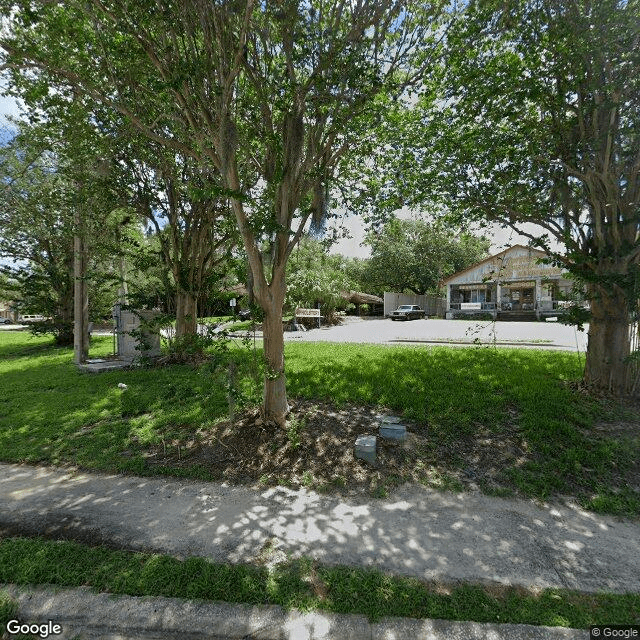
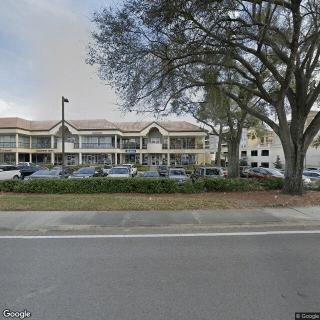
La Amistad Behavioral Health Services is located at 1650 N Park Ave, Maitland, FL 32751 in Seminole County, Florida
Seniors and Modern Transportation: Exploring Uber, Lyft, and Other Ride-Hailing Options

Seniors benefit from ride-hailing services like Uber and Lyft, which provide convenient and accessible transportation options that promote independence and social engagement, while addressing mobility challenges. These platforms have adapted to meet senior needs with user-friendly features and safety measures, although costs can be a concern; community programs may help subsidize rides for older adults.
Comprehensive Guide to Qualifying for Home Health Care Services

The guide outlines the eligibility criteria for home health care services, emphasizing clinical requirements, insurance options, and application processes. It distinguishes between Medicare's strict and Medicaid's flexible qualifications while addressing challenges families may face in securing necessary care at home.
Powerful Realities of Elder Abuse and the Most Effective Ways to Report It
Elder abuse affects many older adults worldwide and includes physical, emotional, neglectful, and financial harm, with about one in six individuals over 60 experiencing abuse annually. Prevention and intervention strategies focus on awareness, support for caregivers, and mandatory reporting, while recovery necessitates comprehensive support for both physical and emotional needs.