


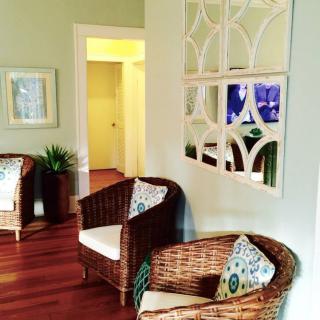
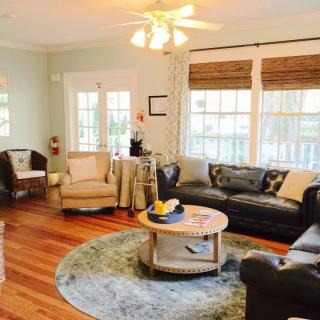

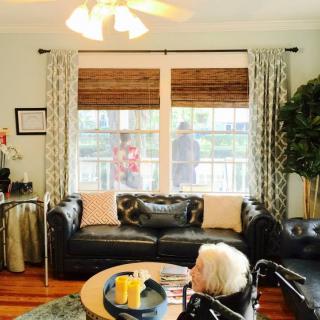
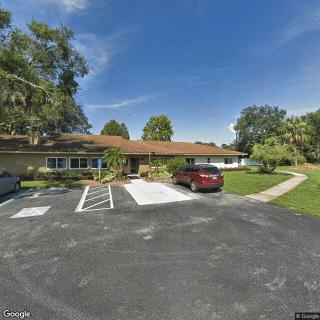
1759 Alabama Dr, Winter Park, FL 32789
To contact a resident: (407) 622-5076
For more information about senior living options: (866) 208-4318
Alabama Oaks of Winter Park Costs & Pricing
Alabama Oaks of Winter Park offers competitive pricing for its residents, particularly in comparison to both Orange County and the broader Florida market. For a semi-private room, residents will find costs at $3,850 per month, which is notably higher than the average in Orange County at $3,041 and also exceeds the state average of $3,009. Conversely, the studio room rate at Alabama Oaks is set at $3,950, which is slightly below the county's average of $4,288 but higher than Florida's overall average of $3,823. This pricing structure reflects a blend of quality service and care that aims to cater to various needs while remaining mindful of regional economic trends.
| Floor plans | Alabama Oaks of Winter Park | Orange County | Florida |
|---|---|---|---|
| Semi-Private | $3,850 | $3,041 | $3,009 |
| Studio | $3,950 | $4,288 | $3,823 |
Assisted Living communities with a similar price nearby
-
from -$350 / mo

Windermere Assisted Living Facility
$3,500 to $4,500 / month17.5 miles away -
About the same

Benton House of Narcoossee
$3,900 to $4,500 / month23.6 miles away -
About the same

Sancerre at Orange City
$3,750 to $5,775 / month21.7 miles away -
from -$555 / mo
Marina Isle Assisted Living
$3,295 to $6,190 / month14.9 miles away -
from +$700 / mo

Sutton Homes
$4,550 to $4,950 / month7.6 miles away
Overall Review of Alabama Oaks of Winter Park
Pros
 The staff are compassionate and caring; they provide excellent care and support for the elderly residents.
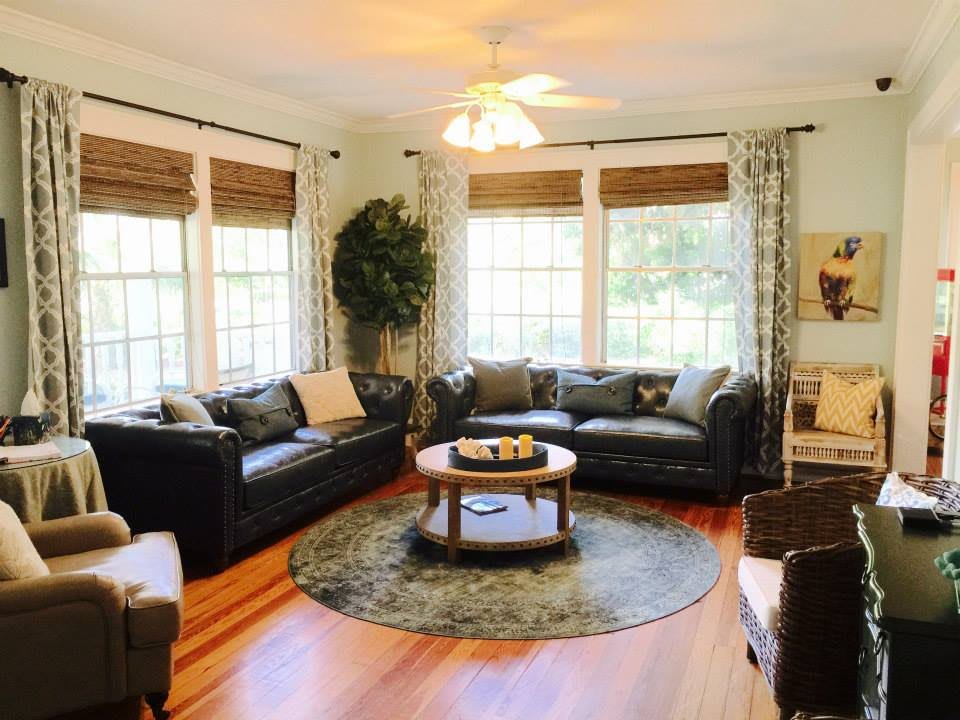
- The setting is beautiful for a senior living community.
- They have done good with activities, with social distancing and entertainment.
- The neighborhood is amazing and the grounds are really nice, with great value compared to other facilities.
- They provide the best care to the residents.
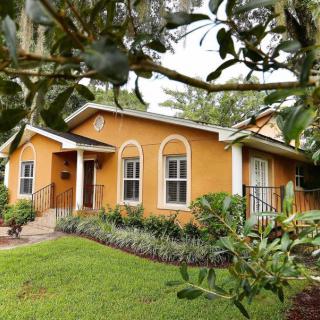
- Alabama Oaks has a charming appeal with its front porch.
- The faculty and management are very nice and understanding.
- The Oaks of Winter Park is unmatched in both caregiver-to-resident ratio and the genuineness of care.
- The facility takes pride in caring for the residents and ensuring they have a respected quality of life.
- The activities are stimulating and the front porches inviting.
- It is a beautiful little home with 20 residents.
- The home is run by an owner who is an RN and is very nice.
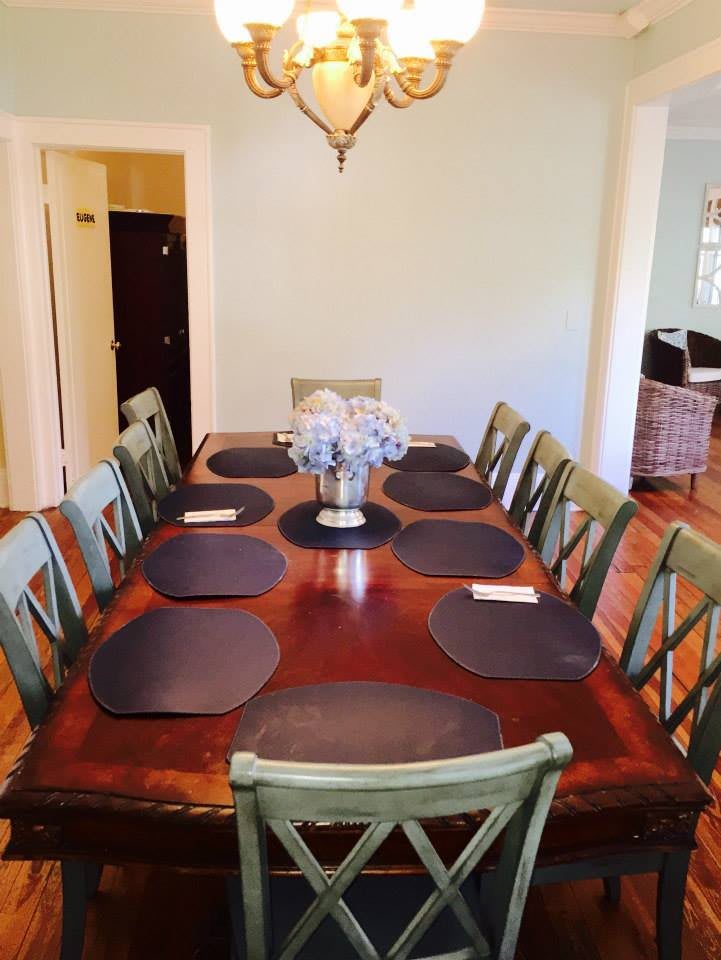
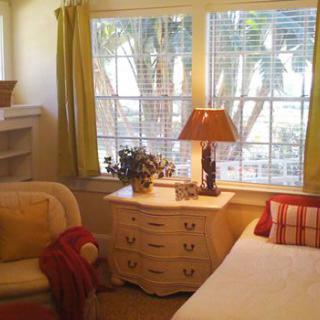
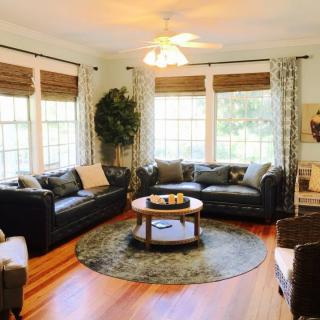
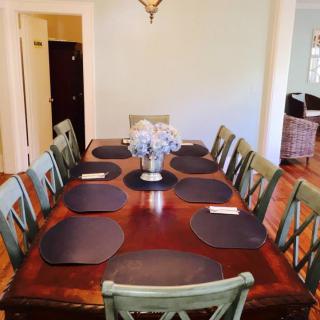
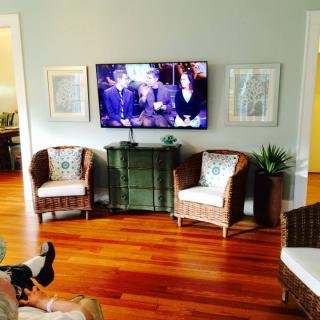
- The home offers a dining room, a kitchen, and a homier feel.
Cons
 The reviewer describes the facility as the worst they have ever witnessed, alleging abuse and very little care for the elderly.
- They witnessed someone screaming, and they say the care at the facility is disgusting beyond belief, prompting a report to the authorities.
- The facility lacks adequate air conditioning in all rooms; the owner removed a window unit without consulting the family.
- The staff do not mingle with residents and are often on their cell phones, indicating minimal oversight and poor attention to mobility needs.
- The posted menu for families differs from what is served in the kitchen, and residents are routinely served soup and a sandwich for every lunch.
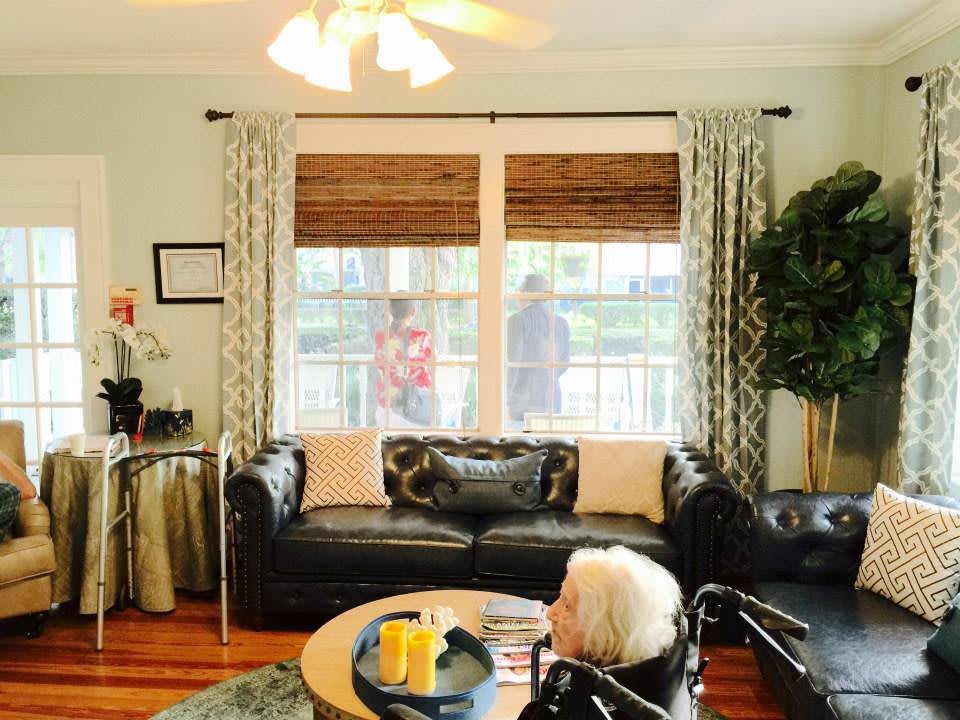
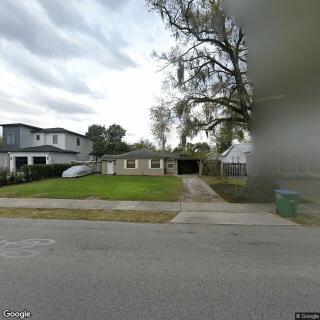
- The older home has many thresholds that create fall hazards for residents using walkers, and most rooms share bathrooms rather than having private ones.
Review
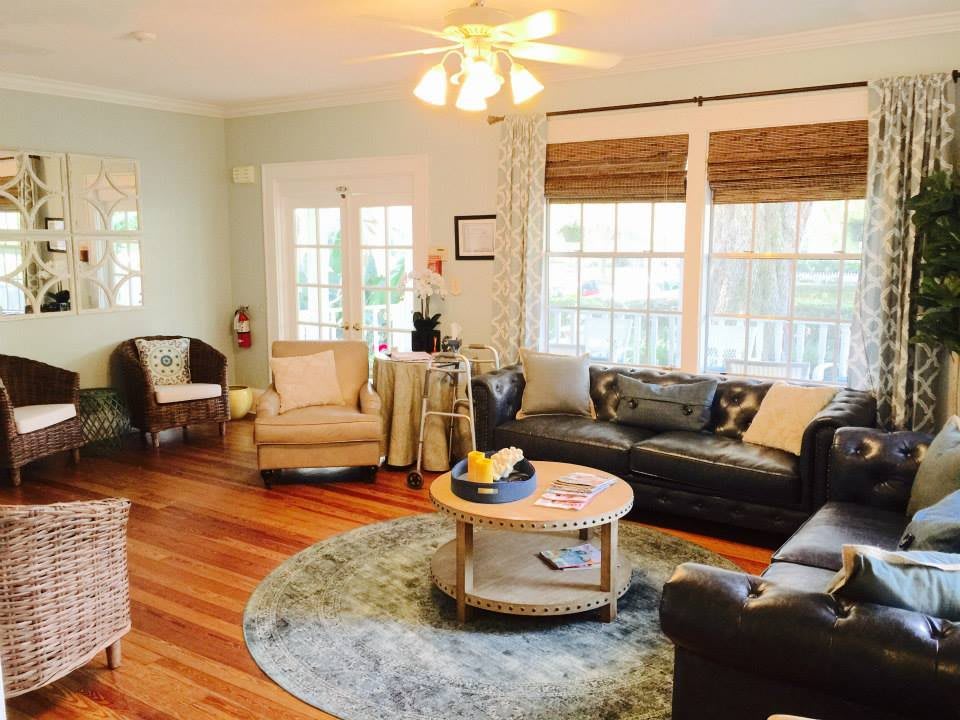
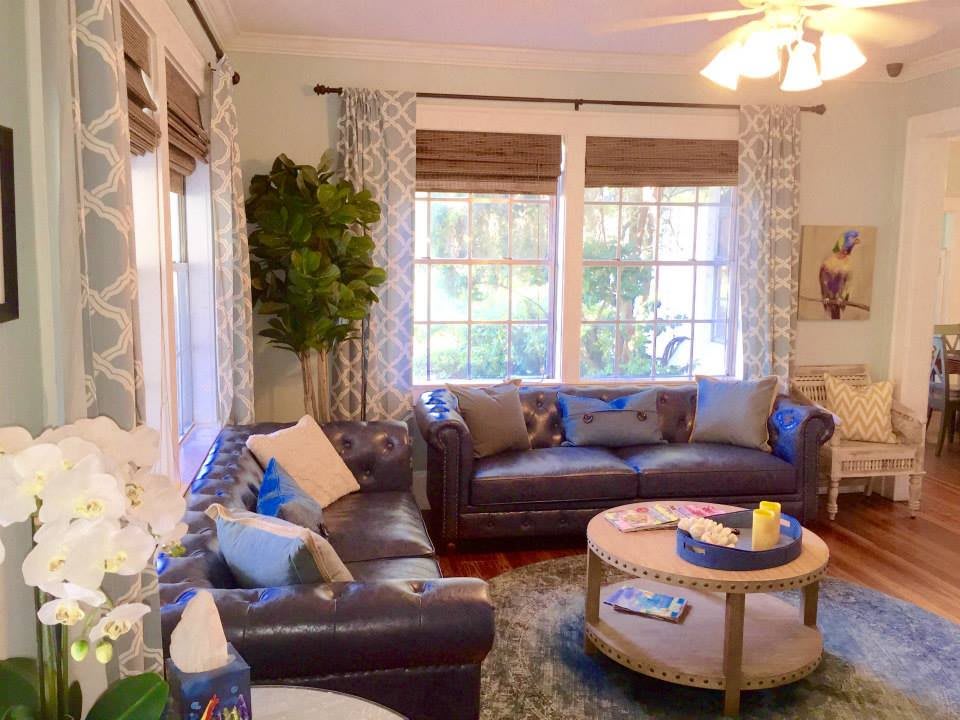
This community is best suited for families seeking a small, home‑like atmosphere where senior care feels individualized and genuinely warm. Alabama Oaks of Winter Park works best for residents who appreciate a charming, intimate setting, think front porches, a cottage‑style feel, and a close-knit vibe where caregivers can form meaningful relationships with each resident. It appeals to seniors who value personal attention, stimulating activities, and a peaceful, residential footprint over a high‑rise, clinical environment. The strongest draw is a sense of dignity and quality of life within a clearly personalized care approach. Those who prioritize a bustling, modern campus with extensive medical services should look elsewhere.
Alternatives become appealing for several reasons. For anyone who must contend with mobility challenges or needs a barrier‑free, highly accessible floor plan, this may not be the best fit due to architectural thresholds and the prevalence of shared bathrooms in many rooms. Families seeking rigorous, consistent oversight and a robust menu standard across all meals may also want to consider other options, especially if staff engagement feels sporadic or if governance and transparency around operations are a priority. In short, those who require strong, 24/7 clinical oversight, highly modern facilities, or a uniformly accessible design may find that larger, more conventionally equipped communities better meet expectations.
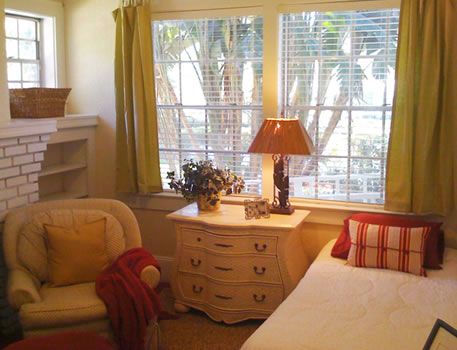
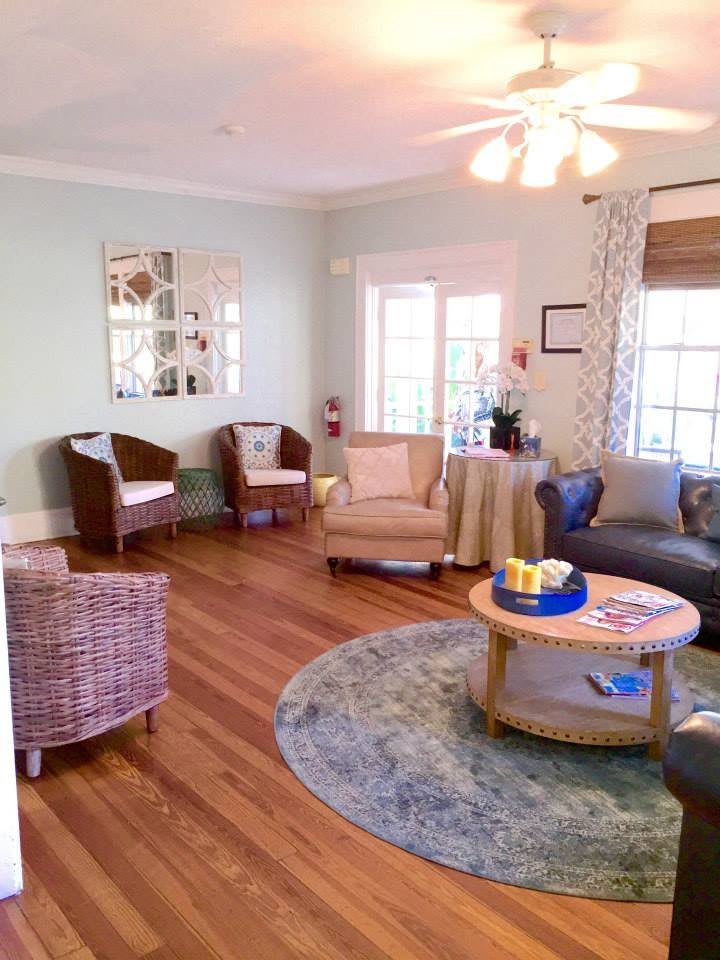
The strongest positives center on care quality and the atmosphere. Several residents and families describe compassionate, attentive staff who deliver meaningful support, with some noting an unusually high level of genuine care and a caregiver‑to‑resident feel that stands out from bigger operators. The facility’s bed-and-breakfast, 1920s charm contributes more than ambiance; it reinforces a perception of respectful, person-centered treatment, where residents are treated with dignity and kindness. The environment is described as beautiful and inviting, with well‑maintained grounds and front porches that encourage social interaction and a sense of belonging. Activities and social engagement get credit for keeping residents mentally and socially involved, a real counterbalance to the quiet, intimate setting.
However, several notable drawbacks temper the upside. HVAC can be inconsistent, with reports that some rooms run hot or lack adequate cooling, and one family even faced removal of a window unit after moving in, indicating governance choices that can directly affect comfort and safety. The home’s older structure and conversions create accessibility challenges: thresholds and the limited number of private bathrooms pose real obstacles for walkers and those needing easier transitions between living spaces. While some praise the care, others describe minimal staff mingling with residents beyond necessary tasks, with concerns about oversight and menu consistency, stories of a posted family menu not matching the kitchen plan raise questions about transparency. One particularly jarring review details severe abuse observed, which, while isolated in sentiment, cannot be dismissed and warrants due diligence and careful vetting.
The pros and cons must be weighed against what families want most. If the priority is a nurturing, individualized care experience with staff who feel invested in residents’ well‑being, Alabama Oaks delivers more often than not. The intimate setting, paired with dedicated caregiving and a strong emphasis on life quality, can offset some infrastructural limitations for residents who are mobile‑savvy and comfortable in a smaller home‑like footprint. Yet for those who insist on flawless accessibility, rock‑solid safety protocols, and a consistently modern environment, the scales tip toward seeking alternatives that prioritize universal design, comprehensive oversight, and broader medical resources.
For families ready to move forward, the next steps should be concrete and selective. Schedule in-depth tours focused on room configurations, the availability of private bathrooms, and the condition of air conditioning in typical resident spaces. Ask to meet the administrator and frontline caregivers who would be assigned to the potential resident, and request candid observations from current residents about daily routines and meal quality. Review how incidents are reported and addressed, and verify menus across several weeks to confirm consistency. Engage with multiple residents or their families to gauge whether the level of warmth, attentiveness, and daily structure aligns with the expectations set during the decision process. With clear questions and a thorough visit, Alabama Oaks can be a compelling match for the right senior, while families with higher needs for accessibility, oversight, or modern infrastructure should continue their search.
 19 resident community capacity
 Assisted Living
 Board and Care Home
 Respite Care
 Cats allowed
 Dogs allowed
 Activities on-site
 Air-conditioning
 Bath tubs
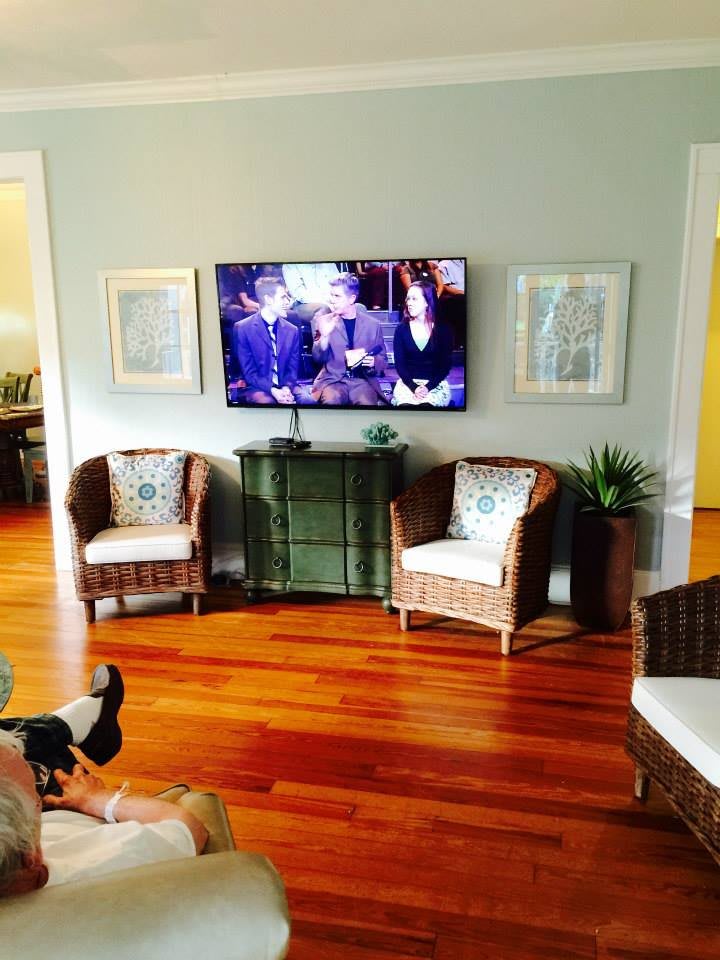
 Cable or satellite TV
 Devotional services off-site
 Dining room
 Fully furnished
 Garden
 Ground floor units
 Housekeeping services
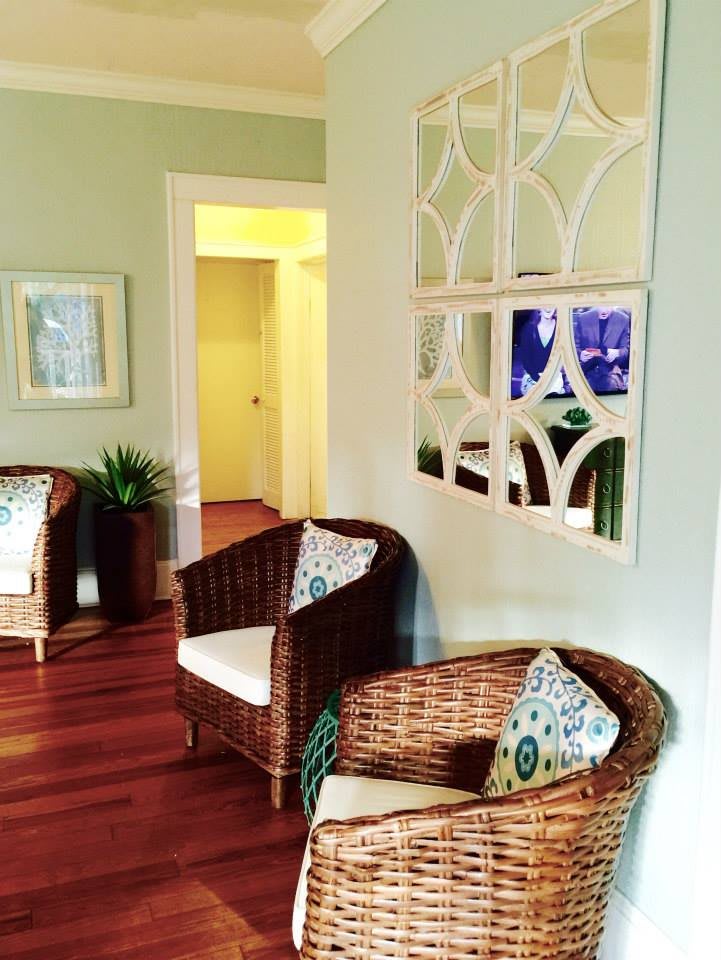
 Indoor common areas
 Kitchenette
 Move-in coordination
 Outdoor common areas
 Swimming pool / hot tub
 Telephone
 Wheelchair accessible showers
 Wi-Fi/high-speed internet available
 Orlando International (13 miles away)
 24-hour supervision
 Ambulatory care
 Assistance with bathing
 Assistance with dressing
 Assistance with transfers
 Diabetes diet
 Diabetic care
 Meal preparation and service
 Medication management
 Special dietary restrictions
 Transportation arrangement (medical)
 Transportation to doctors appointments
 Art classes
 Brain fitness
 Cooking classes
 Day trips and outings
 Happy hour
 Live dance or theater performances
 Live musical performances
 Stretching classes
 Wine tasting



 Understanding the Distinctions: Assisted Living and Memory Care Explained
 Guiding Elderly Parents Who Refuse Assisted Living: 6 Practical Steps
 Your Comprehensive Guide to Luxury Assisted Living: Elevated Facilities, Amenities, and Costs