
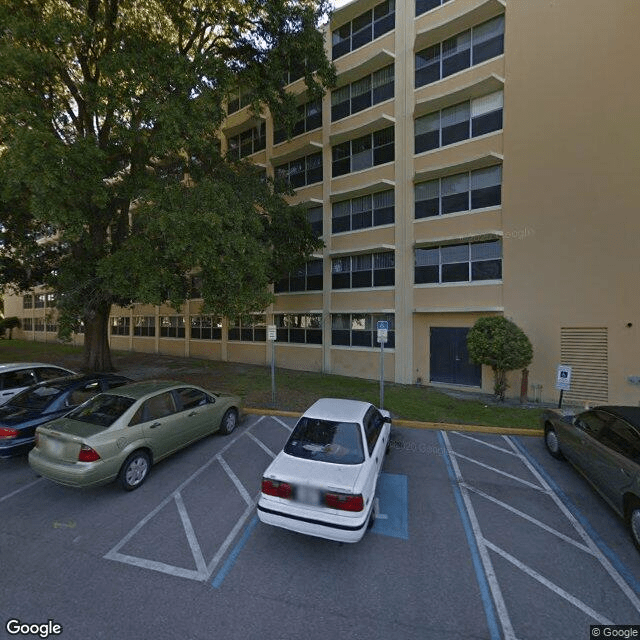
1550 Gay Road, Winter Park, FL 32789
To contact a resident: (407) 644-4551
For more information about senior living options: (866) 208-4318
The Plymouth Costs & Pricing
The Plymouth offers notably affordable living options compared to both Orange County and the broader state of Florida. For instance, a studio at The Plymouth is priced at just $591 per month, starkly contrasting with the considerably higher costs of $4,288 in Orange County and $3,823 across Florida. Similarly, the one-bedroom unit comes in at a reasonable $678, again significantly lower than the average rates of $3,903 in Orange County and $3,864 in Florida. However, it's worth noting that the private room option at The Plymouth is priced at $5,747, which surpasses both county and state averages of $3,441 and $3,699 respectively. Overall, The Plymouth stands out as a cost-effective choice for those seeking accommodation while still providing variety in living arrangements to meet different needs.
| Floor plans | The Plymouth | Orange County | Florida |
|---|---|---|---|
| Studio | $591 | $4,288 | $3,823 |
| 1 Bedroom | $678 | $3,903 | $3,864 |
| Private | $5,747 | $3,441 | $3,699 |
Overall Review of The Plymouth
Pros
 The Plymouth is a great place to live.
- The management is excellent.
- The property is very clean.
- The staff are nice, and security is friendly.
- The Plymouth feels very nice.
- The Plymouth is affordable and well-located.
Cons
 He claims to be the manager, but he isn't.
- He told them a vacancy would open in a few months, but after 2–3 months there was no follow-up.
- The reviewer says it’s a shame how corruption is everywhere and that there was no vacancy.
- They were constantly raising rents for seniors on fixed incomes.
- They have no security cameras.
Review
The Plymouth in Winter Park is best suited for seniors who must watch every dollar but still want a Winter Park address, nearby amenities, and a straightforward daily living routine. It serves those on fixed income who prize affordability and a reasonable location over premium services, amenities, or hospital-grade levels of security. The overall vibe suggested by the reviews is a clean, welcoming environment where a steady, non-pretentious routine can be maintained without steep costs. In practice, this community earns its keep for residents who are content with a budget-conscious option that delivers basic comfort and a social, approachable atmosphere rather than a high-service, executive-living experience. For families that prioritize cost efficiency and proximity, The Plymouth presents a sensible middle ground that can keep a senior in the area without forcing relocation or enormous monthly expenses.
There is a clear case for exploring alternatives for residents who require robust security, consistent, proactive management, and rent transparency. Several reviews flag real drawbacks that matter to decision-makers: the absence of security cameras, which can unsettle families worried about safety; rent increases that doubtlessly strain fixed incomes; and mixed signals from management, ranging from praise for responsiveness to accusations of miscommunication or even corruption in the past. The church-owned history mentioned by one reviewer hints at governance dynamics that may affect transparency and daily operations. Those who cannot tolerate variability in communication or who expect a predictable, camera-present security posture should at least compare other local options before committing to a long-term lease and price ladder.
The most persuasive positives center on cost, location, cleanliness, and the demeanor of the on-site team. A number of reviewers crown the staff as friendly and the community as very clean, underscoring an environment where daily routines feel manageable and institutions feel approachable. The repeated claim of “excellent management” and the praise for cleanliness suggest that when management is aligned with residents’ expectations, the building functions smoothly and feels well-kept. The emphasis on price and proximity, “affordable and great, no complaints”, lands a strong counterweight to some of the more troubling elements, making The Plymouth a practical choice for households that can tolerate some risk in exchange for lower housing costs and convenience.
Yet the cons resonate more deeply for planning decisions than the superficial positives. The rent-augmentation reality directly affects monthly budgets, and the repeated concern about rising rents without commensurate improvements can erode the perceived value over time. The lack of security cameras is not a cosmetic issue; it is a concrete factor for families weighing safety investments and the peace of mind that comes with additional surveillance. In addition, the anecdotal reports of slow follow-up on inquiries and inconsistent messaging from leadership create a sense of uncertainty about future responsiveness. In environments where health needs may shift and quick accommodation matters, these gaps can translate into tangible stress for residents and their families.
From a decision-making standpoint, the prudent approach blends a practical cost-benefit analysis with a candid risk assessment. Pros to lean into include the built-in advantage of affordability and the undeniable benefit of a central, walkable location that keeps seniors near respite care, groceries, and social opportunities. The positives around cleanliness and staff competency should not be discounted; they matter daily and contribute to a stable living experience. For households that can tolerate occasional management unevenness, The Plymouth offers a viable, economical option that supports aging in place without forcing a move to a more expensive community. The question becomes whether the defensive posture toward security and governance can be managed with personal due diligence and clear expectations set during tours and negotiations.
The bottom line is practical and precise. The Plymouth is a compelling choice for budget-conscious seniors who value location and a clean, friendly environment and who are comfortable with variable management quality. It is a less ideal fit for families where security and consistent, proactive administration are non-negotiables, or where rent stability is a hard constraint. Prospective residents should engage in targeted due diligence: tour the building with questions about security measures and emergency responsiveness, speak with several current residents about their day-to-day experience, and confirm the exact terms of any anticipated rent increases a year or two out. If those checks reassure, and affordability remains the dominant priority, The Plymouth can deliver predictable cost savings without sacrificing essential daily comfort. If not, consider nearby options that emphasize visible security, transparent management, and steadier rent trajectories to align with higher expectations for safety and reliability.
 Active Adult Communities (55+)
 Cats allowed
 Dogs allowed
 Activities off-site
 Bath tubs
 Devotional services off-site
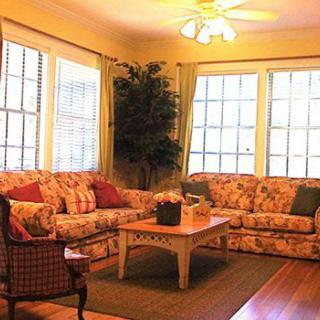
 Indoor common areas
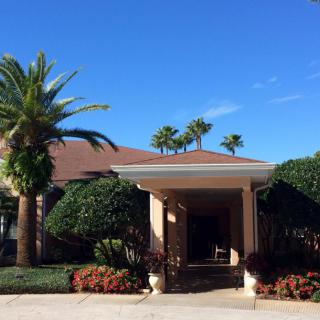
 Outdoor common areas
 Orlando International (12 miles away)


 Supportive Employee Benefits That Help Caregivers Attain Better Work-Life Harmony
 Top Cars for Senior Drivers and Essential Safety Innovations
 A Closer Look at Private Pay Home Care