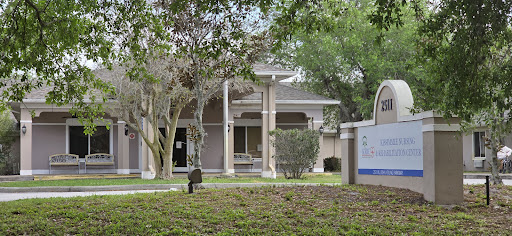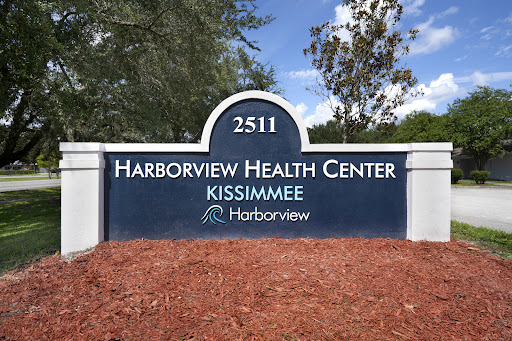
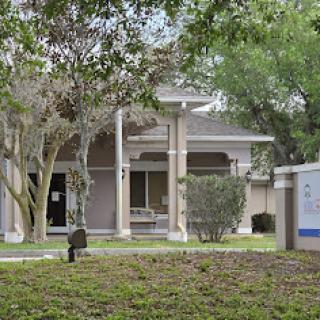
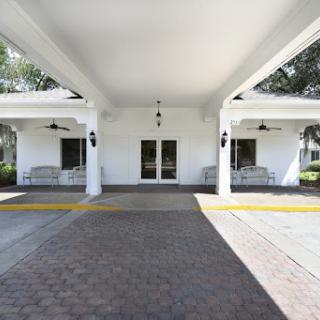
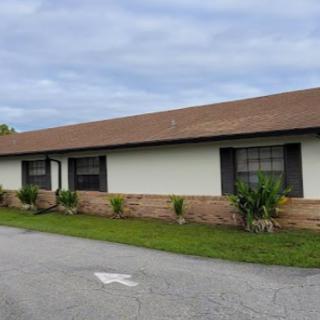
2511 John Young Parkway North, Kissimmee, FL 34741
To contact a resident: (407) 931-3336
For more information about senior living options: (866) 208-4318
Overall Review of Consulate Health Care Of Kissimmee
Pros
 The staff at Consulate Health Care are described as wonderful and going the extra mile to serve residents.
- Most nurses are good and attentive to residents.
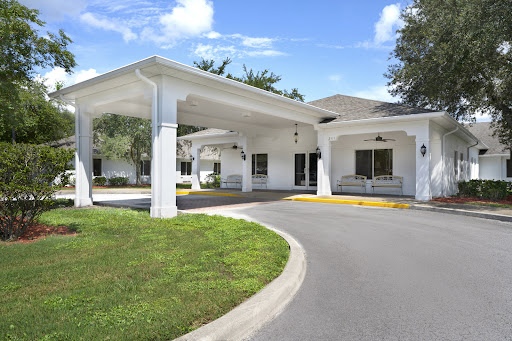
- The facility has a homey setting that residents seem satisfied with.
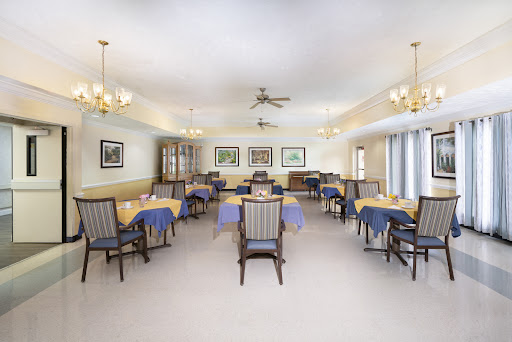
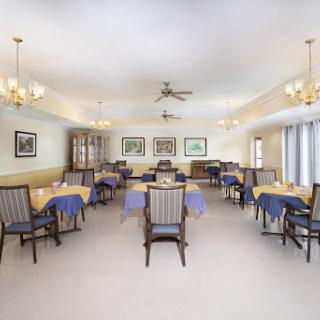
- The food is pretty good.
- The facility offers activities for residents.
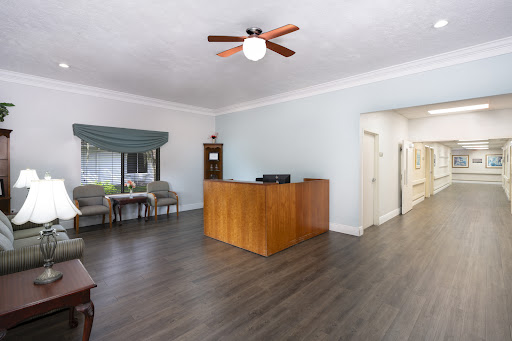
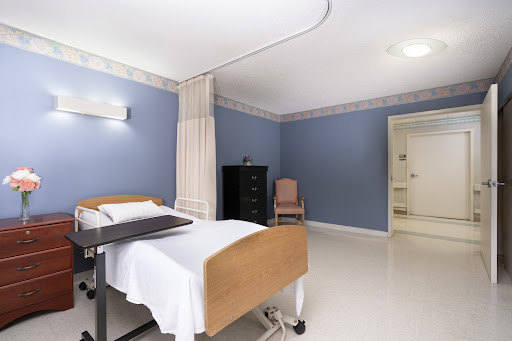
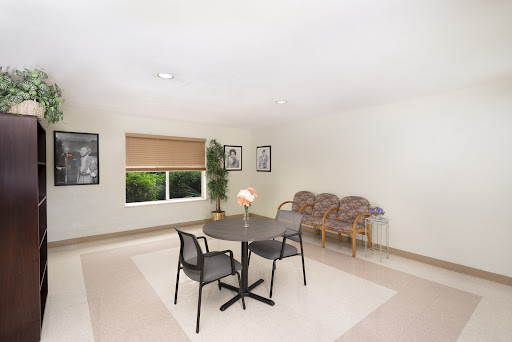
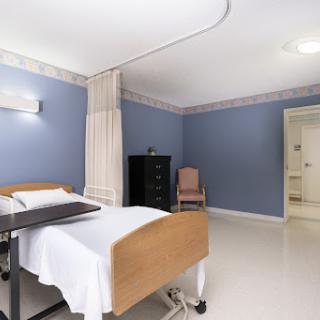
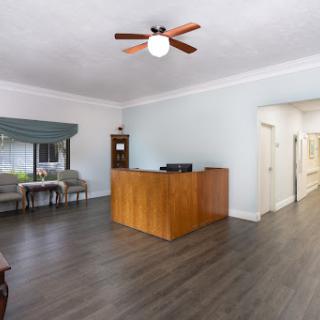
- The rooms are nicely kept.
- There is a small outdoor patio where residents can go out and play games.
Cons
 The place is dirty and smelly, and nurses do not provide effective or timely care.
- The staff lacks compassion; a friend with broken hips remains there while nurses visit only once per day.
- Care at Consulate Health Care of Kissimmee is inconsistent, with some staff displaying attitudes and the facility not feeling like a nice place.
- The nurses are constantly gathered at the nurses’ station, talking and on their cellphones, instead of attending to residents.
- Some staff could use more training and come across as unfriendly.
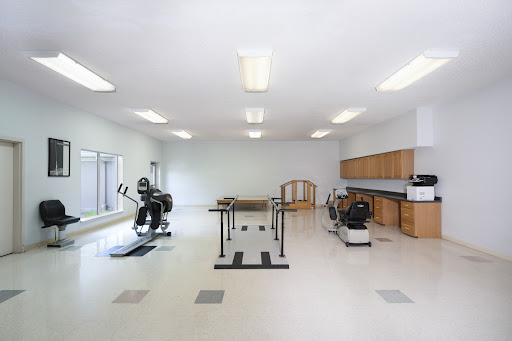
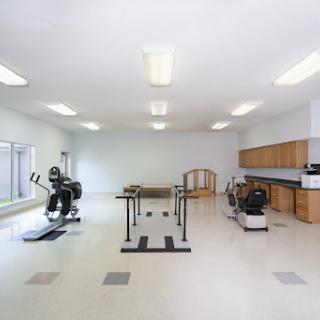
- The facility fails to rehabilitate and hydrate patients adequately, which can endanger lives.
Review
Consulate Health Care of Kissimmee is best suited for families seeking an affordable, homey-feel assisted living option in Kissimmee where social programs and a sense of neighborhood presence matter, and where the resident’s needs are moderate rather than high-acuity. It works for seniors who don’t require around-the-clock medical intervention and who can tolerate variability in cleanliness and staffing. Those who demand consistently pristine conditions, steady, compassionate round-the-clock care, and robust rehab services should look elsewhere, as cleanliness, pace of care, and staff engagement can be uneven.
Alternatives are worth considering for anyone with strict expectations about hygiene, prompt response, or rehab outcomes. Facilities with stronger cleanliness records, more reliable nurse presence, and more predictable staffing may deliver a calmer daily rhythm and fewer moments of frustration. For residents who need comprehensive rehab,/or whose health can shift quickly, comparing options with proven outcomes in hydration, transfer readiness, and consistent nurse-to-resident ratios will be especially important. In short, this community makes sense when cost and community atmosphere trump impeccable care metrics.
On the upside, the facility does show tangible positives. Food is frequently described as passable to pretty good, and activities are available enough to create a social calendar and a sense of normal daily life. Some staff members are genuinely attentive, listening to residents and showing real care, which helps create moments of warmth and trust in the care relationship. The homey feel of the environment and well-kept rooms (where present) can contribute to a sense of familiarity and comfort for residents who respond well to a gentler, less clinical atmosphere. These bright spots demonstrate what the best staff can deliver when they are fully engaged.
Yet the most significant concerns are persistent and operationally consequential. Multiple accounts describe a dirty, smelly environment and care gaps that translate into delayed or incomplete attention to residents’ needs. Nursing staff are reported as frequently clustered at the nurses’ station, talking and using cellphones instead of circulating, which can undermine timely assistance. Attitudes and training gaps among some caregivers contribute to resident experiences that feel uncaring or brusque at times. When the facility also carries a cautionary note about hydration and recovery in rehab-linked incidents, families must weigh the risk that medical or rehabilitative goals won’t be consistently met.
These realities do not erase the moments of genuine kindness; they simply frame the reality that the facility’s strengths are unevenly distributed. The pros, pleasant meals, activity programming, and the occasional staff member who truly goes the extra mile, can offset some disappointment if a resident’s needs are moderate and family oversight is able to maintain close communication and clear expectations. For residents who thrive on routine and friendly interactions, and whose medical needs can be managed with careful monitoring, these positives provide real value. The decisive factor remains whether the care team can sustain reliable, compassionate care on a daily, shift-by-shift basis.
In the end, a practical decision centers on risk tolerance and care expectations. If reliance on consistent cleanliness, timely care, and robust rehab support is non-negotiable, this community should be crossed off the short list in favor of facilities with stronger performance metrics. If, however, cost considerations align with a willingness to actively supervise care, and a resident’s needs are mostly social, with moderate assistance required, this community can offer a workable option with the caveat that ongoing family involvement and explicit care-planning are essential. Before moving forward, schedule multiple visits at different times, speak with current residents and families, and press for concrete responses about daily nurse rounds, hygiene protocols, and rehabilitation processes. This due diligence helps ensure the choice aligns with the resident’s health needs and family expectations.
 120 resident community capacity
 Skilled Nursing Facility
 Air-conditioning
 Beauty salon
 Cable or satellite TV
 Computer center
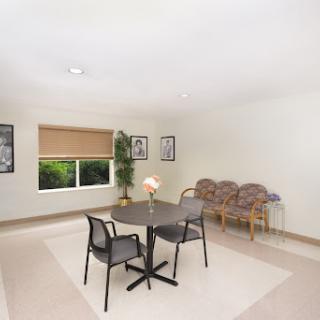
 Dining room
 Fitness room
 Fully furnished
 Gaming room
 Garden
 Housekeeping services
 Kitchenette
 Move-in coordination
 Outdoor space
 Private bathrooms
 Restaurant-style dining
 Small library
 Telephone
 Wellness center
 Wi-Fi/high-speed internet available
 Orlando International (10 miles away)
 Community operated transportation
 12-16 hour nursing
 24-hour call system
 Activities of daily living assistance
 Assistance with bathing
 Assistance with dressing
 Assistance with transfers
 Diabetes diet
 Medication management
 Mental wellness program
 Special dietary restrictions
 Concierge services
 Planned day trips


 Highly Beneficial Low-Impact Exercises for Senior Living Residents
 Is In-Home Healthcare Tax Deductible? Your Comprehensive Guide
 Nurturing Well-Being Through Gardening: A Detailed Guide for Senior Enthusiasts