Keystone Rehabilitation And Health Center in Kissimmee, FL
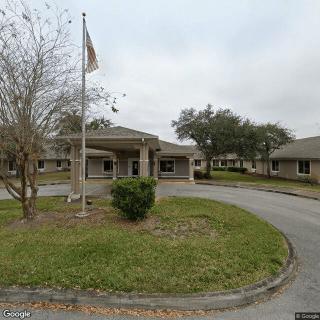
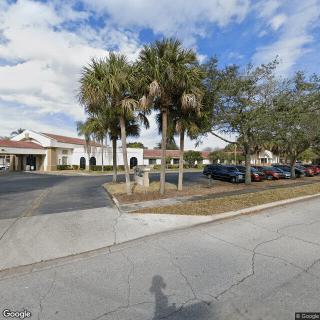
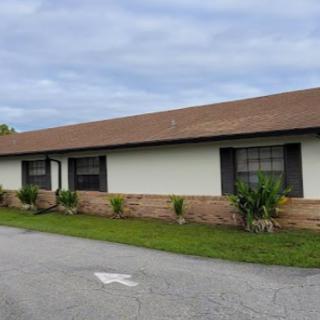
Keystone Rehabilitation And Health Center is a nursing home community in Kissimmee, FL.
Information last verified:
1120 West Donegan Avenue, Kissimmee, FL 34741
For more information about senior living options: (866) 208-4318
3.9 from 127 reviews
5 stars
84
4 stars
6
3 stars
1
2 stars
6
1 stars
30
Overall Review of Keystone Rehabilitation And Health Center
common8 reviews mention this
Activities keep residents engaged
Residents consistently describe engaging activities that lift the day.
Multiple residents and families mention a steady schedule of activities, including games, music, arts and crafts, and resident-run or organized events. Several people say the activities team helps create a more upbeat mood, especially during recovery or difficult periods. Even visitors describe the activities focus as a standout part of life at the facility.
differentiator12 reviews mention this
Rehab and therapy support progress
Physical and occupational therapy is a core part of the stay for many residents.
Many reviewers describe therapy as a meaningful part of their improvement, including help learning to walk again and feeling better after short-term rehab. Several also credit therapists with encouragement and patience, and families describe therapy as central to the reason they chose the facility. A few reviews are less positive, with claims that therapy time felt limited or did not meet expectations during a short stay.
common24 reviews mention this
Care teams are attentive and professional
Staff interactions are frequently described as attentive, respectful, and professional.
Across many reviews, residents and families praise nurses, CNAs, and other team members for being helpful, responsive, and respectful. Communication is a recurring positive point, with multiple people mentioning support from administration and social services, and quick help when concerns come up. There are also negative reviews describing poor responsiveness, including difficulty reaching staff by phone, but overall the dominant pattern is positive about day-to-day attention.
caveat5 reviews mention this
Dining quality is mixed
Dining reviews run from good to sharply critical.
Some families and residents say the food is very good, including comments about it being satisfying or comparable to home cooking. Others describe meals as foul-smelling, unappetizing, or failing to meet dietary needs, and one reviewer also criticizes food options as inadequate. The overall dining picture is inconsistent, with both positive and strongly negative experiences showing up in reviews.
How we summarize
Counts show how many written reviews mention each theme; a review can touch several themes, and only frequently mentioned themes are displayed.
Palliative care focuses on alleviating distress at any stage of a serious illness and can accompany curative treatments, while hospice care is for those nearing the end of life with a prognosis of six months or less, emphasizing comfort over curative measures. Both prioritize holistic care for patients and families but differ in timing, goals, and scope.
Fecal incontinence, prevalent among older adults, arises from factors like weakened pelvic muscles and nerve damage, significantly affecting well-being and social interactions. Diagnosis involves clinical evaluation and tests to inform tailored treatments, while caregivers and preventive measures can aid in managing the condition effectively.
Gardening provides seniors with physical exercise, mental and emotional support, and social interaction opportunities, while accommodating their needs through raised beds and ergonomic tools. It promotes health benefits like improved dexterity and cardiovascular health, encourages sustainable practices, and allows for manageable upkeep with low-maintenance plants.
Get PricingAsk A QuestionSchedule A TourContact Senior Advisor
By clicking submit, you agree to our Partner's Terms of Use. You
also consent to receive calls and texts, which may be autodialed, from our Partner. Your consent is not a condition to
using our Partner's service. Please visit our Partner's Privacy Policy for information about their privacy practices.

 120 resident community capacity
 Skilled Nursing Facility
 Air-conditioning
 Beauty salon
 Cable or satellite TV
 Computer center
 Dining room
 Fitness room
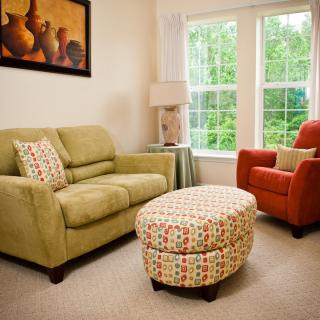
 Fully furnished
 Gaming room
 Garden
 Housekeeping services
 Kitchenette
 Move-in coordination
 Outdoor space
 Private bathrooms
 Restaurant-style dining
 Small library
 Telephone
 Wellness center
 Wi-Fi/high-speed internet available
 Orlando International (10 miles away)
 Community operated transportation
 12-16 hour nursing
 24-hour call system
 Activities of daily living assistance
 Assistance with bathing
 Assistance with dressing
 Assistance with transfers
 Diabetes diet
 Medication management
 Mental wellness program
 Special dietary restrictions
 Concierge services
 Planned day trips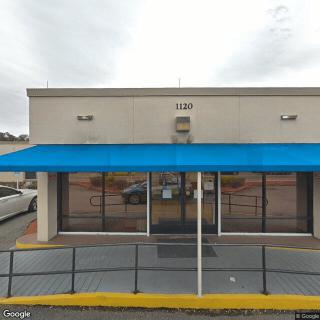
 Excellent location with nearby dining, pharmacies, physicians, theater, and transit.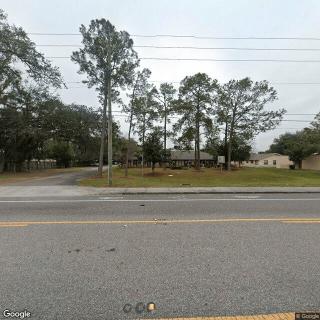


 Understanding the Nuances of Palliative Care and Hospice: A Comprehensive Exploration
 Fecal Incontinence in Older Adults: A Comprehensive Guide
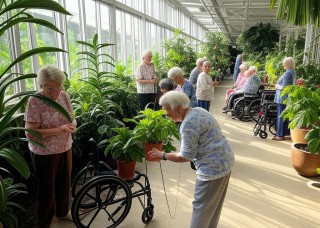 Nurturing Well-Being Through Gardening: A Detailed Guide for Senior Enthusiasts