Lanier Rehabilitation Center in Jacksonville, FL

Save

  • Interior

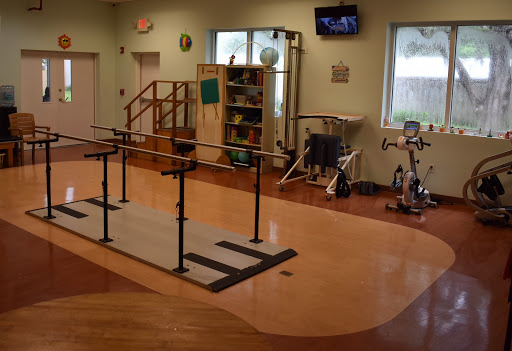
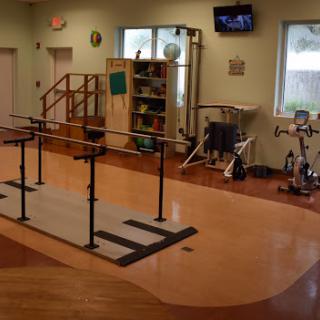
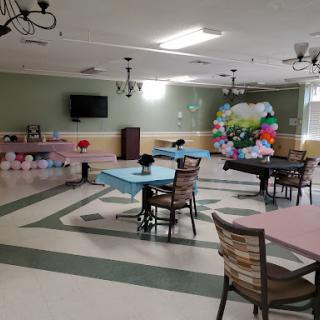
    A well-equipped physical therapy room featuring a barre for rehabilitation exercises.
  • Outdoors

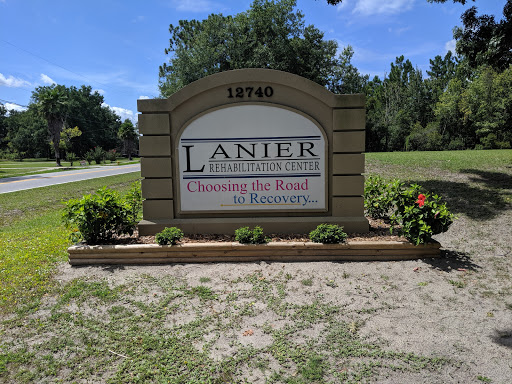
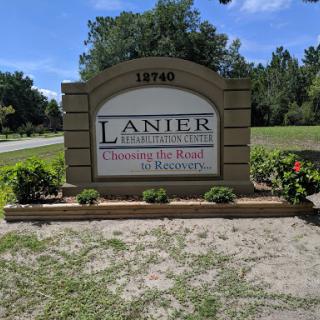
    Welcome sign for Lanier Community, featuring landscaping and a clear blue sky.
  • Building

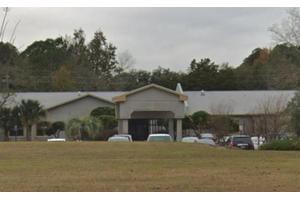
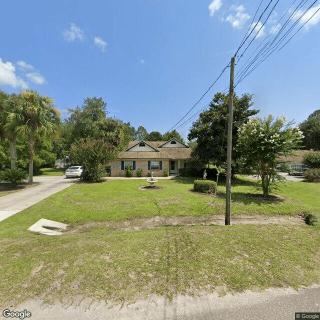
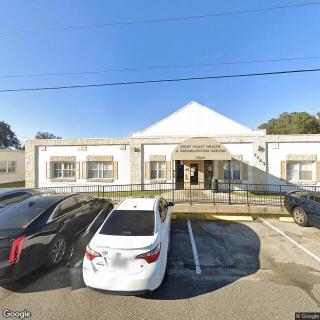
    A suburban building with parked cars in front and trees in the background under an overcast sky.
  • Trees

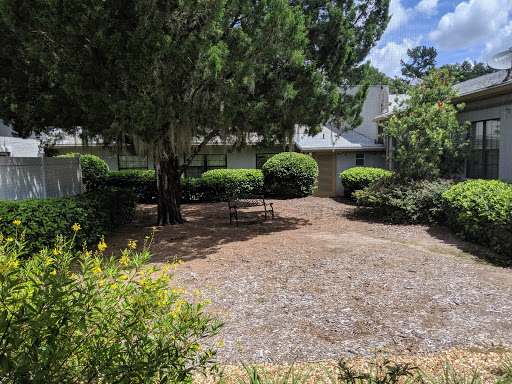
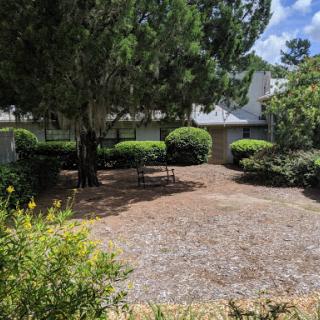
    A serene garden space featuring lush greenery and a gravel pathway.
  • Nature

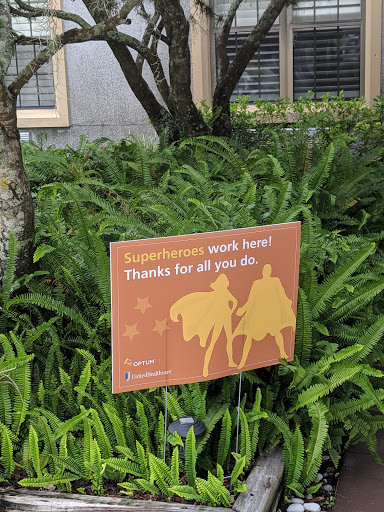
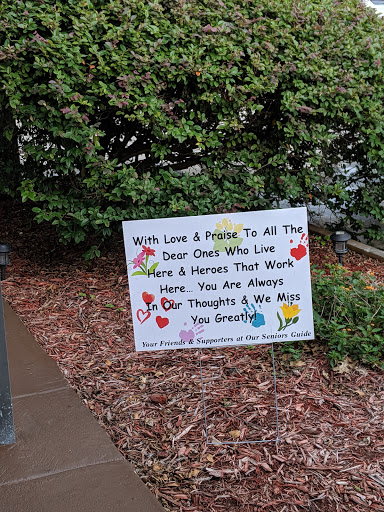
    A sign expressing gratitude, placed among lush greenery.
  • Grass

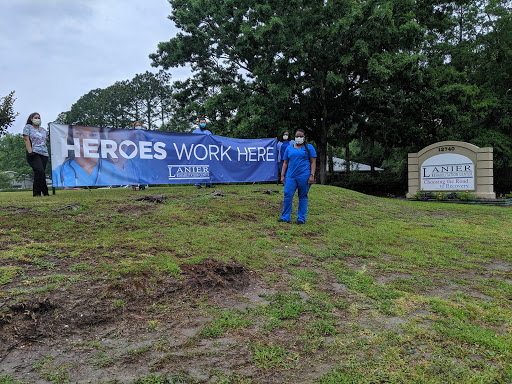
    A worker in a blue outfit stands near a large banner that reads 'Heroes Work Here,' set against a grassy background.

Lanier Rehabilitation Center in Jacksonville, FL

12740 Lanier Road, Jacksonville, FL 32226

For more information about senior living options: (844) 490-3973

3 from 77 reviews
5 stars
34
4 stars
4
3 stars
1
2 stars
1
1 stars
37

Skilled Nursing Facility

Overall Review of Lanier Rehabilitation Center

Pros

  • pro The staff provided excellent care and kept families updated, showing friendliness and genuine compassion.
  • pro The medical professionals were stellar, compassionate, professional, and personable to family members.
  • pro Lanier Rehab is described as an amazing facility with a phenomenal rehab team; the rehabilitation services are skilled and effective.
  • pro The staff are attentive and genuinely care about residents.
  • pro The activities department is remarkable and keeps residents engaged and entertained daily.
  • pro The nurses and staff were attentive and caring, ensuring residents received the best treatment.
  • pro The physical therapy team was fantastic and helped residents improve during their stay.
  • pro The facility is noted to be clean and well-maintained, with tidy rooms and good hygiene.
  • pro The staff go above and beyond for their patients.
  • pro Family members express gratitude for the care their loved ones received, noting kindness and warmth from staff.
  • pro Some reviewers would highly recommend Lanier to others.

Cons

  • pro They describe Lanier Rehab as terrible and not to be recommended.
  • pro They say residents live in horrible, nasty rooms and receive poor care.
  • pro They claim the CNAs and nurses don't care for residents and talk to them disrespectfully.
  • pro They state the food is poor, portions are insufficient, with dinner only sandwiches.
  • pro They say it's a horrible place to work and wouldn't trust it with a loved one.
  • pro They describe staff as lazy, rude, and money-driven, with help that is rarely provided.
  • pro They accuse the facility of neglect and hygiene problems, leading to bedsores and infections.
  • pro They claim families aren't informed about care and that billing/Medicaid practices are unethical or mishandled.

Review

Lanier Rehabilitation Center in Jacksonville is best suited for adults who enter primarily for short-term, goal-directed rehabilitation and who can tolerate a care environment with variability across shifts. The strongest case belongs to residents who respond to skilled physical and occupational therapy, and to families that want active involvement and clear, hands-on communication about progress. For those seeking reliable, around-the-clock nursing oversight, consistent medication administration, and steady day-in, day-out care, this community demands caution. The rehab focus can deliver tangible mobility gains, but long-term custodial needs or complex medical oversight may outpace what the facility reliably provides.

Several reviews highlight a compelling rehab culture when the unit is functioning at its best. The therapy teams - physical and occupational - receive frequent praise for skill, encouragement, and real progress toward functional goals. Families report attentive nurses and aides who coordinate with therapists, and admissions and social work staff who smooth the process and keep families informed. In moments of strength, the campus' on-site rehab professionals and the administrative members who support discharge planning enable residents to regain independence and return home with renewed confidence. Those positives, however, sit alongside a chorus of serious cautions.

The principal cons raised most often center on staffing inconsistency and safety concerns. Families describe understaffing on certain shifts, with aides and nurses who appear overwhelmed or unresponsive to calls for help. Medication administration is repeatedly flagged as problematic, with delays or uncertain explanations about what residents are being given. Hygiene, room upkeep, and general cleanliness are also criticized in multiple accounts, as are communication gaps that leave families feeling out of the loop and unsure about the patient's medical status or progress. There are even accounts alleging neglect, missed medical attention, and, in extreme cases, life-threatening delays in care. Taken together, these patterns erode confidence and elevate risk when longer stays are contemplated.

Yet some reviewers insist the care team can be exceptional, and the contrast is real: in the best moments, Lanier's clinicians, therapists, and social workers cohere around a resident's recovery plan, delivering warmth, respect, and practical support. The facility's reputation for a capable rehab program is bolstered by patient testimonials praising individual nurses and therapists who made meaningful differences, and by administrators or social workers who helped families navigate difficult circumstances. In those cases, families describe clean rooms, attentive treatment, and a pathway back to home life that justifies choosing Lanier for the rehab journey. The question is whether those strengths reliably appear across shifts, days, and units.

For families weighing alternatives, the decision hinges on predictability, safety, and transparent administration. If long-term nursing care, complex wound management, dialysis continuity, or rigorous infection control are non-negotiables, other options in the area may deliver steadier staffing patterns, more consistent med management, and clearer family communication protocols. The volume and severity of negative anecdotes cannot be dismissed, especially when they touch on crucial safety domains or financial transparency. Prospective residents with a focus on rehabilitation should probe Lanier's current staffing ratios, turnover, and whether the patient will be placed on a unit with proven consistency. Those with high-dose medical needs may prefer facilities with a longer track record of stable oversight.

Practical steps shape the path to a well-informed decision. Before any placement, request a current tour of the rehab and medical units, and insist on meeting the nurse manager and the social worker who will oversee discharge planning. Ask for the newest quality metrics, staffing schedules for the floors where the resident will stay, and a concrete plan for medication administration, call-bell response times, and wound care protocols. Verify on-site services such as dialysis and wound care, and confirm how often physicians visit and respond to concerns. Finally, demand clear, written price transparency and a documented process for handling concerns or disputes. Lanier may deliver strong rehabilitation outcomes for some residents, but families should enter with vigilance, demanding clarity and confirming that the operating reality aligns with the recovery goals.

Features

Housing

  • 120 resident community capacity 120 resident community capacity

Types of Care

  • Skilled Nursing Facility Skilled Nursing FacilitySkilled Nursing Facilities are crucial for seniors as they provide round-the-clock medical care, rehabilitation services, and assistance with daily activities. These facilities ensure that seniors receive the specialized care they need to maintain their health and well-being as they age.

Amenities

  • Air-conditioning Air-conditioningAir conditioning is important for seniors as they are more vulnerable to heat-related illnesses and may have underlying health conditions that make it difficult for them to regulate their body temperature. It helps to keep them comfortable, safe, and healthy in hot weather.
  • Beauty salon Beauty salonBeauty salons are important for seniors because they provide a space for them to feel pampered, socialize, and maintain their personal grooming and hygiene. Regular visits to a beauty salon can help boost seniors' self-esteem and overall well-being.
  • Cable or satellite TV Cable or satellite TVCable or satellite TV is important for seniors because it provides entertainment, news, and companionship, helping to combat loneliness and boredom. It also offers a wide range of programming options tailored to different interests and preferences.
  • Computer center Computer centerA computer center is essential for seniors as it provides access to technology, communication tools, and resources that can enhance their daily lives. It allows them to stay connected with loved ones, engage in online activities, and learn new skills, ultimately promoting socialization and mental stimulation.
  • Dining room Dining roomDining rooms are important for seniors as they provide a space for socialization, connection, and nutritious meals. They offer opportunities for residents to bond over shared meals, foster a sense of community, and promote healthy eating habits. Dining rooms also ensure that seniors have access to well-balanced meals tailored to their dietary needs and preferences.
  • Fitness room Fitness roomHaving a fitness room in a senior living community is essential for seniors to stay active, maintain their physical health, and improve their overall well-being. Regular exercise can help prevent falls, reduce the risk of chronic diseases, and promote mental sharpness. It also provides social opportunities for residents to connect with others and enjoy a sense of community.
  • Fully furnished Fully furnishedFully furnished senior living communities are important for seniors because they provide convenience, comfort, and a hassle-free moving experience. Seniors can easily settle into their new living space without the stress of having to buy and move furniture. This allows them to focus on enjoying their new home and community.
  • Gaming room Gaming roomGaming rooms are important for seniors as they provide a fun and engaging environment for socializing, cognitive stimulation, and physical activity. Games can improve memory, problem-solving skills, and overall mental well-being while fostering friendships and reducing feelings of isolation.
  • Garden GardenGardens are important for seniors as they provide a peaceful and therapeutic environment for relaxation, physical activity, and socialization. Being in nature has been shown to reduce stress, improve mood, and promote overall well-being. Gardens also offer opportunities for seniors to engage in gardening activities, which can improve mobility, flexibility, and cognitive function. Additionally, gardens create a sense of community and connection with others who share a passion for plants and outdoor spaces.
  • Housekeeping services Housekeeping servicesHousekeeping services are important for seniors because they help maintain a clean and safe living environment, promote independence, and reduce the risk of accidents or illnesses. Additionally, having assistance with household chores can alleviate physical strain and allow seniors to focus on other aspects of their well-being.
  • Kitchenette KitchenetteKitchenettes are important for seniors living in senior living communities because they provide the convenience and independence of being able to prepare simple meals and snacks in the comfort of their own living space. This can help promote a sense of autonomy and well-being for seniors, allowing them to maintain some level of control over their dietary choices and daily routines.
  • Move-in coordination Move-in coordinationMove-in coordination is important for seniors because it helps ease the transition into their new living environment. It ensures that all logistics, such as packing, organizing movers, and setting up utilities are taken care of, allowing seniors to focus on settling in and adjusting to their new home. Having a smooth move-in process can alleviate stress and anxiety, making the transition smoother and more enjoyable for seniors.
  • Outdoor space Outdoor spaceOutdoor spaces are important for seniors as they provide opportunities for physical activity, social interaction, exposure to natural light and fresh air, and a sense of connection to nature. Having access to outdoor spaces can improve overall well-being and quality of life for older adults living in senior communities.
  • Private bathrooms Private bathroomsPrivate bathrooms are important for seniors in senior living communities because they provide independence, dignity, and comfort. Having a private bathroom allows seniors to maintain their personal hygiene routines without the need for assistance, promoting a sense of autonomy and privacy. Additionally, private bathrooms help prevent the spread of infections and provide a safe and clean environment for seniors to navigate safely.
  • Restaurant-style dining Restaurant-style diningRestaurant-style dining is important for seniors because it allows them to enjoy delicious, nutritious meals in a social and upscale setting. This enhances their dining experience, promotes healthy eating habits, and fosters socialization with fellow residents, ultimately contributing to their overall well-being and quality of life.
  • Small library Small librarySmall libraries are important for seniors as they provide access to a variety of reading materials, including books, newspapers, and magazines. This can help stimulate their minds, keep them engaged, and provide a sense of community through book clubs and other social activities. Additionally, reading has been shown to improve cognitive function and overall mental well-being in older adults.
  • Telephone TelephoneTelephones are important for seniors as they provide a lifeline for communication with loved ones, emergency services, and healthcare providers. They offer a sense of security and independence, enabling seniors to stay connected and access assistance when needed.
  • Wellness center Wellness centerWellness centers are important for seniors because they offer a variety of programs and services that promote physical, mental, and emotional well-being. These centers provide opportunities for exercise, socialization, education, and relaxation, helping seniors maintain their overall health and quality of life.
  • Wi-Fi/high-speed internet available Wi-Fi/high-speed internet availableWi-Fi/high-speed internet is important for seniors to stay connected with loved ones, access online resources, and participate in virtual activities to combat feelings of loneliness and isolation. It also allows them to easily manage healthcare needs, access entertainment, and engage in lifelong learning opportunities.

Transportation

  • Jacksonville International (6 miles away) Jacksonville International (6 miles away)
  • Community operated transportation Community operated transportationCommunity operated transportation is crucial for seniors as it provides them with the means to access essential services, social activities, and medical appointments. It allows seniors to maintain their independence and quality of life by ensuring they can participate in activities outside of their homes. Additionally, community-operated transportation services offer a safe and reliable way for seniors to travel without having to rely on family or friends for assistance.
  • Transportation arrangement Transportation arrangementTransportation arrangements are crucial for seniors as they may face challenges with driving, mobility, or access to public transportation. Having reliable transportation services ensures that seniors can easily attend appointments, social activities, and maintain their independence and quality of life.
  • Transportation arrangement (non-medical) Transportation arrangement (non-medical)Transportation arrangements are essential for seniors as they provide access to essential services, activities, and social interactions outside the home. This service helps maintain independence, mobility, and overall well-being for seniors who may have limited transportation options.
  • Transportation to doctors appointments Transportation to doctors appointmentsTransportation to doctors appointments is crucial for seniors as it ensures they have access to necessary medical care and support, promoting their health and well-being. It allows them to receive timely treatment, monitor existing conditions, and address any new health concerns efficiently. Additionally, transportation services can help seniors maintain their independence and quality of life by enabling them to stay connected with their healthcare providers.

Care Services

  • 12-16 hour nursing 12-16 hour nursing12-16 hour nursing care is crucial for seniors in order to ensure around-the-clock monitoring, timely medication administration, and prompt response to any health concerns or emergencies. This level of care helps to promote the overall well-being and safety of seniors living in senior living communities.
  • 24-hour call system 24-hour call system24-hour call systems are important for seniors because they provide peace of mind and immediate assistance in case of emergencies. This technology ensures that help is always available, promoting safety and security for elderly individuals living alone or in assisted living facilities.
  • 24-hour supervision 24-hour supervision24-hour supervision is important for seniors to ensure their safety, well-being, and access to immediate assistance in case of emergencies or health issues. This constant support provides peace of mind for both seniors and their loved ones, allowing them to age in place with dignity and security.
  • Activities of daily living assistance Activities of daily living assistanceActivities of daily living assistance are important for seniors because they provide essential support with tasks such as eating, bathing, dressing, and mobility. This assistance helps seniors maintain their independence, dignity, and overall quality of life as they age.
  • Assistance with bathing Assistance with bathingAssistance with bathing is crucial for seniors as it helps maintain personal hygiene, prevents infections, and ensures their overall well-being and comfort. It also provides a sense of dignity and independence for seniors who may struggle with this task on their own.
  • Assistance with dressing Assistance with dressingAssistance with dressing is important for seniors because it helps maintain their independence, promotes personal hygiene, prevents accidents and injuries, and improves overall quality of life. This service ensures that seniors can continue to dress comfortably and confidently, despite any physical limitations they may have.
  • Assistance with transfers Assistance with transfersAssistance with transfers is crucial for seniors as it helps prevent falls and injuries, maintains their independence, and ensures they can safely navigate their living environment. It also provides peace of mind for both seniors and their loved ones.
  • Diabetes diet Diabetes dietA diabetes diet is crucial for seniors as it helps manage blood sugar levels, reduce risks of complications, and improve overall health and well-being. By following a balanced and nutritious diet tailored to their specific needs, seniors can better control their diabetes and enhance their quality of life.
  • Meal preparation and service Meal preparation and serviceMeal preparation and service are crucial for seniors as they may have limited mobility or energy to cook nutritious meals. Having access to healthy and convenient food options can ensure they are getting the proper nutrition needed to maintain their overall health and well-being.
  • Medication management Medication managementMedication management is crucial for seniors to ensure they are taking the right medications at the correct dosages and times. This helps prevent adverse drug interactions, reduces the risk of medication errors, and promotes overall health and well-being. Proactive management also allows for adjustments as needed based on changing health conditions or new prescriptions.
  • Mental wellness program Mental wellness programMental wellness programs are essential for seniors as they promote cognitive stimulation, emotional support, and social engagement. These programs help prevent isolation, depression, and cognitive decline, ultimately enhancing the overall quality of life for older adults.
  • Special dietary restrictions Special dietary restrictionsSpecial dietary restrictions are important for seniors because age-related changes in metabolism and health conditions can make it difficult for their bodies to process certain foods. By following a diet tailored to their specific needs, seniors can maintain their overall health and well-being, manage chronic conditions, and reduce the risk of complications such as malnutrition or food interactions with medications.

Dining

  • Diabetes diet Diabetes dietA diabetes diet is crucial for seniors as it helps manage blood sugar levels, reduce risks of complications, and improve overall health and well-being. By following a balanced and nutritious diet tailored to their specific needs, seniors can better control their diabetes and enhance their quality of life.
  • Special dietary restrictions Special dietary restrictionsSpecial dietary restrictions are important for seniors because age-related changes in metabolism and health conditions can make it difficult for their bodies to process certain foods. By following a diet tailored to their specific needs, seniors can maintain their overall health and well-being, manage chronic conditions, and reduce the risk of complications such as malnutrition or food interactions with medications.

Activities

  • Community-sponsored activities Community-sponsored activitiesCommunity-sponsored activities are important for seniors as they provide opportunities for social interaction, mental stimulation, and physical activity. These activities can help improve overall well-being, combat loneliness and isolation, and promote a sense of belonging and purpose among older adults.
  • Concierge services Concierge servicesConcierge services are essential for seniors as they provide assistance with daily tasks and errands, enhance their quality of life by offering convenience and personalized care, and promote a sense of safety and security.
  • Fitness programs Fitness programsFitness programs are crucial for seniors as they help improve strength, flexibility, balance, and overall well-being. Staying active can reduce the risk of chronic diseases, improve mental health, and enhance quality of life in older adults.
  • Planned day trips Planned day tripsPlanned day trips are important for seniors because they offer opportunities for socialization, mental stimulation, and physical activity. They provide a change of scenery and help seniors stay engaged and connected to their community, promoting overall well-being and quality of life.
  • Resident-run activities Resident-run activitiesResident-run activities are important for seniors as they encourage social interaction, creativity, and a sense of autonomy. These activities empower seniors to stay engaged and active in their community while fostering meaningful connections with their peers.
  • Scheduled daily activities Scheduled daily activitiesScheduled daily activities are important for seniors because they provide structure, socialization, mental stimulation, and physical activity. Engaging in regular activities can improve overall well-being and quality of life for seniors living in a community setting.

Description

The Lanier Rehabilitation Center is a premier assisted living community located in Jacksonville, FL. Our center offers a wide range of amenities and care services to ensure that our residents have a comfortable and fulfilling lifestyle.

In terms of amenities, we provide a beauty salon for our residents to enjoy pampering and grooming services. Each resident has access to cable or satellite TV for their entertainment needs. We offer community-operated transportation to assist with running errands or exploring the local area. Our computer center allows residents to stay connected with loved ones and engage in online activities.

Our dining room provides restaurant-style dining, where residents can enjoy delicious meals prepared by our skilled culinary team. Additionally, special dietary restrictions are accommodated to ensure everyone's nutritional needs are met. For those who prefer more privacy, each resident has their own fully furnished apartment with a kitchenette and private bathroom.

The Lanier Rehabilitation Center also places a strong emphasis on wellness. Residents can stay active in our fitness room or take part in various fitness programs offered. We also have a wellness center where residents can access 24-hour supervision and assistance with activities of daily living.

To promote socialization and engagement, we have a gaming room, small library, and scheduled daily activities for residents to participate in. Planned day trips and resident-run activities are organized for those looking for new experiences and connections within the community.

Our staff at the Lanier Rehabilitation Center is dedicated to providing the highest level of care and support. Our 24-hour call system ensures that assistance is always readily available. We assist with tasks such as bathing, dressing, transfers, meal preparation, medication management, and transportation arrangement (non-medical). Special attention is given to those with diabetes through our diabetes diet program.

Located in close proximity to cafes, pharmacies, physicians' offices, restaurants, and places of worship, our community offers convenience in accessing essential services outside of the facility.

At the Lanier Rehabilitation Center, we strive to create an environment where residents can thrive physically, mentally, and socially. Come join our community and experience the highest quality of assisted living in Jacksonville, FL.

Videos

Nearby Places of Interest

Pharmacies

  • Walgreens (0.8 miles)
  • Walgreens (2.4 miles)
  • Winn-Dixie (2.6 miles)
  • CVS Pharmacy (2.6 miles)
  • Walgreens (4.9 miles)
  • Duval Pharmacy (6.1 miles)
  • Walgreens (6.7 miles)

Places of Worship

  • St Patricks Catholic Church (1.9 miles)
  • Church of Jesus Christ of Latter Day Saints (7 miles)
  • Faith Baptist Church (8.9 miles)
  • The River at Jacksonville (9.3 miles)
  • Allen Chapel Ame Church (11 miles)

Restaurants

  • McDonald's (2.7 miles)
  • Chick-Fil-A (2.9 miles)
  • La Nopalera Mexican Restaurant (2.9 miles)
  • Cracker Barrel (3.3 miles)
  • Chili's Grill & Bar (3.3 miles)
  • Waffle House (3.6 miles)
  • Denny's (3.6 miles)

Cafes

  • Starbucks (3.1 miles)
  • Starbucks (6 miles)
  • Starbucks (8.1 miles)
  • Panera Bread (11.3 miles)
  • Starbucks (11.3 miles)

Physicians

  • Oceanway Medical Center (3.4 miles)
  • Coastal Spine and Pain (4.5 miles)
  • Family Care Partners (5.2 miles)
  • Baptist Primary Care (6.1 miles)
  • Family Care Partners (7 miles)
  • Baptist Primary Care (8.1 miles)
  • Jax Vision Care (10.5 miles)

Transportation

  • Jacksonville Aviation Authority (5.2 miles)
  • Signature Flight Support (5.6 miles)
  • Jacksonville International Airport (JAX) (5.9 miles)
  • Concourse C (6 miles)
  • Concourse A (6 miles)
  • Craig Air Center (9.8 miles)

Parks

  • Timucuan Ecological & Historic Preserve (9.1 miles)
  • Amelia Island State Park (10 miles)
  • Goffinsville Park (10.2 miles)
  • Huguenot Memorial Park (10.8 miles)
  • Girvin Road Park (11 miles)

Hospitals

  • UF Health of Jacksonville (9.4 miles)
  • UF Health Jacksonville Towers (9.5 miles)
  • Childrens Medical Services (10.1 miles)

Theaters

  • Cinemark Jacksonville Atlantic North And Xd (11.3 miles)

Frequently Asked Questions

Where is Lanier Rehabilitation Center?
What photos are available for Lanier Rehabilitation Center in Jacksonville, Florida?

Nearby Communities

  • Donna Johns Adult Family Care Home

    Donna Johns Adult Family Care Home

    Jacksonville, FL


    pro Nearby amenities and healthcare access.

  • Loved Ones Home Care Services

    Loved Ones Home Care Services

    Jacksonville, FL

    4.5 from 4 reviews
    $1,500 to $2,500 / month

    pro On-site caretaker with active owner involvement and strong family communication.

  • Claudia Drive Group Home

    Claudia Drive Group Home

    Jacksonville, FL


    pro Small, 6-bed group home with personalized care and full services.

  • Paradise Pine Health Care Ctr

    Paradise Pine Health Care Ctr

    Jacksonville, FL

    2.5 from 77 reviews
     

    pro Some reviewers praised attentive staff and smooth transitions during care events.

  • Harts Harbor Health Care Center

    Harts Harbor Health Care Center

    Jacksonville, FL

    2.6 from 77 reviews
     

    pro Effective physical/occupational therapy and generally compassionate staff in many interactions.

  • High Desert Court Group Home

    High Desert Court Group Home

    Jacksonville, FL


    pro Small, intimate 6-bed setting with 24/7 supervision and diabetes-friendly meals.

  • Jacksonville Nursing And Rehab Center

    Jacksonville Nursing And Rehab Center

    Jacksonville, FL

    3.7 from 97 reviews
    $2,395 to $5,295 / month

    pro Caring staff and a clean, welcoming environment with effective physical therapy.

  • The Fountains at Mill Cove

    The Fountains at Mill Cove

    Jacksonville, FL

    4.4 from 194 reviews
    $2,350 to $3,200 / month

    pro Friendly staff, engaging activities, and spacious apartments with attractive grounds.

  • First Coast Health & Rehab Ctr

    First Coast Health & Rehab Ctr

    Jacksonville, FL


    pro Convenient access to a wide range of nearby amenities and healthcare services.

Related Resources

  • what to say to someone who is grievingCompassionate Conversations: How to Comfort Someone Who Is Grieving

    The article highlights the importance of empathy and open communication when comforting someone who is grieving, noting that grief is unique to each individual and emphasizing the need for sincere expressions of condolence, active listening, and ongoing support. It also addresses cultural differences in mourning practices and encourages tailored approaches to provide effective comfort.

  • home care aideHome Health Care Aides: Understanding Their Role and Supporting Your Family

    Home health care aides provide vital medical and non-medical support to individuals at home, assisting with daily living activities and promoting emotional well-being, while the demand for these services increases due to an aging population. Families benefit from in-home care's flexibility and cost-effectiveness but face challenges like scheduling consistency and caregiver turnover.

  • uti in elderlyUrinary Tract Infections in Older Adults: Comprehensive Insights on Symptoms, Treatment, and Prevention
    Older adults with urinary tract infections (UTIs) often present atypical symptoms, complicating diagnosis due to factors like incomplete bladder emptying and chronic health conditions that increase their susceptibility. Effective management involves prompt treatment with antibiotics, hydration, and preventive strategies while minimizing antibiotic resistance and focusing on holistic care approaches.