
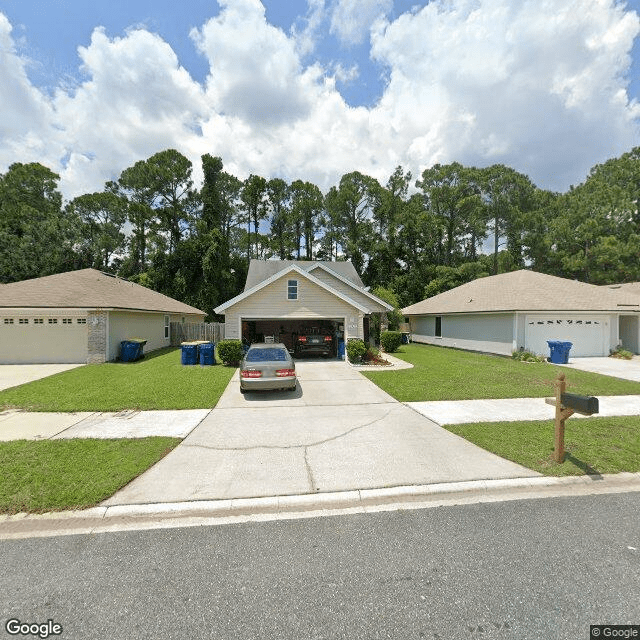
3431 Brahma Bull Cir N, Jacksonville, FL 32226
To contact a resident: (904) 599-7034
For more information about senior living options: (866) 208-4318
Loved Ones Home Care Services Costs & Pricing
Loved Ones Home Care Services offers competitive pricing for its accommodations, providing a valuable alternative to traditional care facilities in Duval County and across Florida. For a private room, Loved Ones charges $1,500 per month, significantly lower than the county average of $3,504 and the state average of $3,699. Similarly, their studio and one-bedroom options are priced at $2,500 each, which also presents a considerable savings compared to the local averages of $3,660 and $3,639 respectively. This pricing structure not only highlights the affordability of Loved Ones Home Care Services but also emphasizes its commitment to delivering quality care without compromising on comfort or support for families seeking home care solutions.
| Floor plans | Loved Ones Home Care Services | Duval County | Florida |
|---|---|---|---|
| Private | $1,500 | $3,504 | $3,699 |
| Studio | $2,500 | $3,660 | $3,823 |
| 1 Bedroom | $2,500 | $3,639 | $3,864 |
Overall Review of Loved Ones Home Care Services
Pros
 The caretaker lives at the home and she is always there when needed.
- The owner also comes in to help.
- There is good communication with them.
- They offer puzzles and have an exercise bike available.
- The food is good and pizza is ordered on Friday nights.
- The home is clean and mom's room can be set up as she likes.
- The staff is good and they work well with mom.
- The community has activities and is kept clean and nice.
Cons
 Mom was going through a rough transition.
- The transition was rough for mom.
Review
Loved Ones Home Care Services is best suited for families seeking a intimate, home-like setting in Jacksonville, where care feels continuous and highly personal. The setup is a private residence with a live-in caregiver and active involvement from the owner, delivering a level of accessibility and responsiveness that larger facilities often cannot match. This community works well for seniors who prioritize a familiar, low‑key environment, where the day-to-day rhythm can be shaped around individual preferences, think room arrangements tailored to comfort, straightforward meals, and simple leisure activities that foster a sense of belonging. The emphasis on direct communication, along with practical conveniences like an exercise bike and occasional puzzles, makes it clear this option centers on a warm, caretaker-driven experience rather than a campus atmosphere.
Those who may want to consider alternatives are seniors whose needs reach beyond a cozy home setting. If robust, structured programming and a broad calendar of activities are essential, a larger assisted living community or a memory-care environment could be a better fit. Families dealing with more intensive medical oversight, frequent nursing tasks, or advanced mobility support may also find a bigger operation with formal staffing patterns and on-site clinical staff more suitable. In short, when the priority is expansive social programming, diverse amenities, or escalated care levels, it makes sense to explore other options.
The advantages of this home-based model, constant caregiver presence, ongoing owner involvement, and straightforward, clear communication, do generate real value. The live-in caregiver and the owner’s regular involvement translate into rapid response and dependable supervision, which can ease worry for families and reduce the stress of transition for a resident. The home environment itself supports comfort and familiarity, with the possibility to customize a resident’s room to feel like a private sanctuary. Add in reliable daily routines, meals that are described as good, and simple pleasures such as pizza nights, and the setting becomes a practical, reassuring choice for someone who thrives on predictability and personal attention. The clean, well-maintained space reinforces a sense of safety and dignity.
However, the reviews also point to notable limitations that counterbalance the strengths. One resident noted that while staff were good and activities existed, the transition was rough for mom, signaling that adjustment to a small, intimate setting can be challenging for some seniors. Food, though acceptable in many cases, is described variably as “okay” rather than standout, hinting at a narrower culinary repertoire than what some families expect from assisted living. Crucially, the small scale of a private home means programming is inherently less expansive than a campus, fewer daily group activities, and less variety in enrichment options. Families should be prepared to temper expectations about social breadth and destination-style outings.
To make this option work, prospective families should prioritize a targeted intake conversation and a few practical checks before moving in. Arrange an in-person meeting with the caregiver and owner to observe how interactions unfold and how care plans are communicated day to day. Ask about coverage during evenings, weekends, and holidays, and request a clear outline of who steps in if the primary caregiver is unavailable. Clarify meal planning, dietary needs, and how opportunities for cognitive and physical activity are scheduled, while recognizing that the home setting naturally centers around personalized routines rather than campus-wide schedules. If possible, request a trial period so the resident can gauge fit and comfort with the living arrangement.
In the end, Loved Ones Home Care Services stands out as a strong option for families seeking a high-touch, home-centered care experience in Jacksonville. It excels when the desired outcome is a consistently present caregiver, easy communication with a motivated owner, and a living space that supports personalization and dignity. It may not satisfy those who require robust activity programming, a wider array of services, or more formal health oversight. For families balancing comfort, responsiveness, and a tight-knit care environment, this setting merits serious consideration, couple a visit with candid questions about transition, activity options, and care escalation, and a clear sense will emerge about whether this is the right match.
 Board and Care Home
 Memory Care
 Activities on-site
 Devotional services off-site
 Indoor common areas
 Private
 Jacksonville International (7 miles away)
 Ambulatory care
 Diabetic care
 Meals provided


 Guiding Your Journey: Understanding Power of Attorney for Elderly Parents
 22 Remarkable Caregiver Support Groups Available Online and In-Person
 Understanding Medicaid Coverage for Assisted Living: A Comprehensive Guide