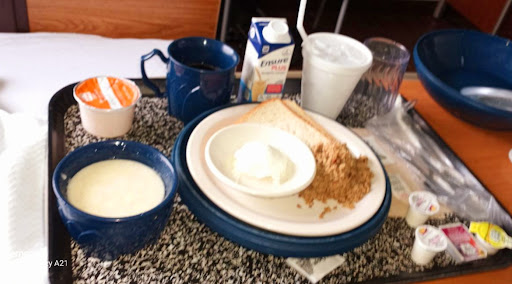
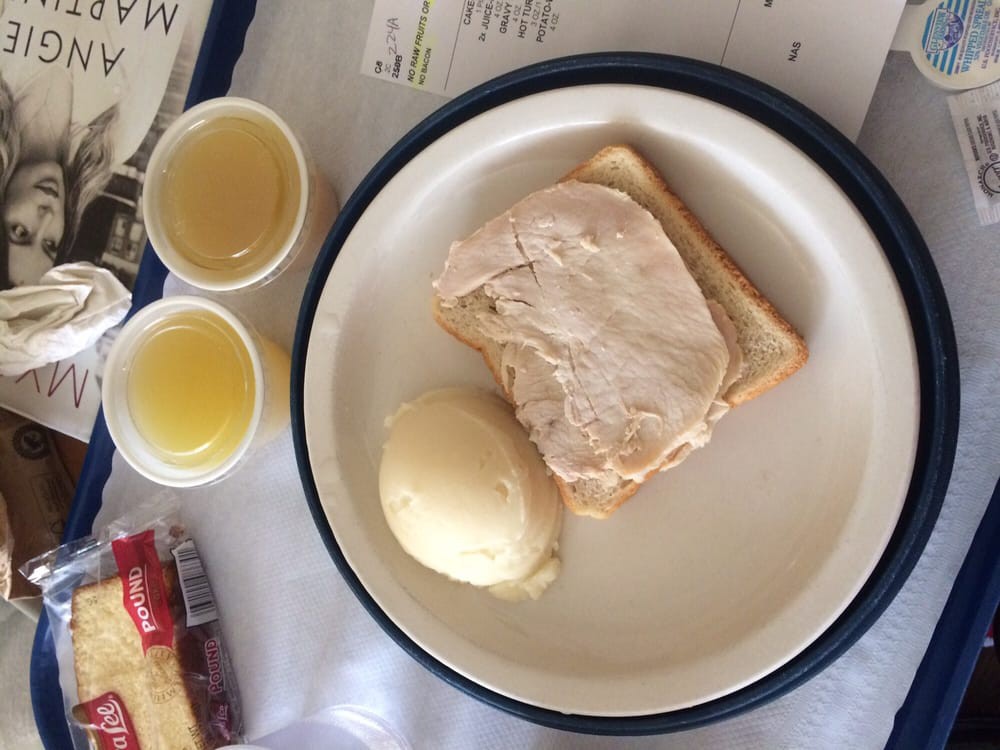
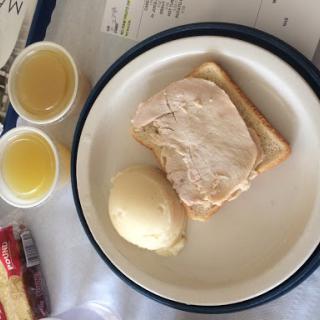
Dining is a frequent highlight, with residents describing flavorful, well-prepared meals.
Many residents and families mention the quality of the food, often calling it tasty, delicious, or fresh. Several specifically appreciate the kitchen staff and service, and a few describe meals that fit dietary needs like vegan options. A smaller number note that food can be inconsistent day to day or that portions and menu preferences may not always match what they want.
differentiator18 reviews mention this
Rehab and therapy feel effective
Therapy support stands out, with residents describing steady progress through PT and OT.
Residents commonly credit physical and occupational therapy for helping them regain mobility and strength, including being able to stand, walk with assistance, or use a walker after starting limited. Reviews also describe therapists as professional and encouraging, with treatment focused on clear goals. The overall tone is that therapy is a core reason families feel comfortable recommending the facility, even when residents also mention needing quick help at other times.
common26 reviews mention this
Staff care and responsiveness
Residents describe staff who are caring, attentive, and quick to check in.
A large share of reviews emphasize kindness and attentiveness from nurses, aides, and therapy teams, with many saying help was available when needed. Families also describe communication and respect, including staff members taking time to answer questions and make patients feel comfortable. At the same time, some reviews raise concerns about delays for help or inconsistent support during evenings and nights, which affected their experience.
common12 reviews mention this
Activities help pass the time
Planned activities and events are a regular part of life at the facility.
Several reviews mention that residents have plenty to do, including bingo, live music, and scheduled daily activities. Families also describe pet therapy visits and arts or religious group activities as ways the facility keeps residents engaged. A few comments suggest activities can be better aligned with individual preferences, but most residents portray them as a positive addition to rehab.
caveat4 reviews mention this
Night staffing can be inconsistent
A recurring concern is how quickly staff respond during nighttime hours.
Some residents and family members report that call buttons or requests for help were not answered promptly during nights, including situations where help was delayed for toileting or pain. A few reviews also describe being woken early for medication or vital checks, and others mention periods when residents felt ignored. The negative experiences are limited compared with the larger volume of positive care feedback, but they are clear enough to stand out.
How we summarize
Counts show how many written reviews mention each theme; a review can touch several themes, and only frequently mentioned themes are displayed.
Features
Housing
120 resident community capacity
Types of Care
Skilled Nursing Facility
Amenities
Air-conditioning
Beauty salon
Cable or satellite TV
Computer center
Dining room
Fitness room
Fully furnished
Gaming room
Garden
Housekeeping services
Kitchenette
Move-in coordination
Outdoor space
Private bathrooms
Restaurant-style dining
Small library
Telephone
Wellness center
Wi-Fi/high-speed internet available
Transportation
Fort Lauderdale-Hollywood International (8 miles away)
Miami International (15 miles away)
Community operated transportation
Transportation arrangement
Transportation arrangement (non-medical)
Transportation to doctors appointments
Care Services
12-16 hour nursing
24-hour call system
24-hour supervision
Activities of daily living assistance
Assistance with bathing
Assistance with dressing
Assistance with transfers
Diabetes diet
Meal preparation and service
Medication management
Mental wellness program
Special dietary restrictions
Dining
Diabetes diet
Special dietary restrictions
Activities
Community-sponsored activities
Concierge services
Fitness programs
Planned day trips
Resident-run activities
Scheduled daily activities
Nearby Places of Interest
Cafes
Starbucks (0.8 miles)
Starbucks (2.3 miles)
Starbucks (2.7 miles)
Panera Bread (6.2 miles)
Habibi Hookah Lounge (6.7 miles)
Starbucks (7.2 miles)
Starbucks (7.6 miles)
Pharmacies
CVS Pharmacy (0.9 miles)
CVS Pharmacy (1.3 miles)
CVS Pharmacy (1.6 miles)
CVS Pharmacy (2 miles)
Walgreens (2.1 miles)
Walgreens (3.2 miles)
Walgreens (3.5 miles)
Restaurants
Wendy's (0.9 miles)
Cooper's Hawk Winery & Restaurant (1.3 miles)
Denny's (1.3 miles)
McDonald's (1.5 miles)
McDonald's (1.5 miles)
Chuy's (1.6 miles)
IHOP (2 miles)
Parks
River Run Park (1.3 miles)
C.B. Smith Park (3.4 miles)
Scott Park (5.1 miles)
Towngate Park (5.4 miles)
Topeekeegee Yugnee Park (5.9 miles)
Spring valley (6.3 miles)
Palm Springs North Park (6.5 miles)
Transportation
North Perry Airport of Broward County (1.4 miles)
Hospitals
Memorial Hospital Pembroke (2 miles)
Memorial Hospital West (3 miles)
Joe DiMaggio Children's Hospital (5.3 miles)
UM/Sylvester Clinics At Plantation (7.2 miles)
Theaters
AMC Pembroke Lake 9 (2.9 miles)
Cinemark (6.1 miles)
Physicians
Taft Building (3.2 miles)
Comprehensive Health & Wellness Center, P.A. (5.2 miles)
Stark Vision Hollywood Oakwood Plaza (6.7 miles)
Miami Cancer Institute | Plantation (6.9 miles)
Places of Worship
Christ the Rock Community Church (3.4 miles)
Temple Beth Emet (5.1 miles)
Mother Of Our Redeemer Catholic Church (6.4 miles)
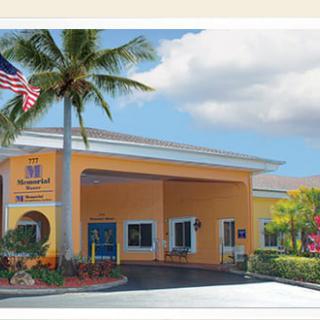
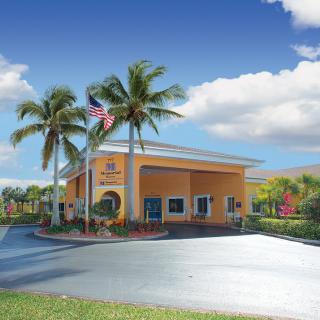
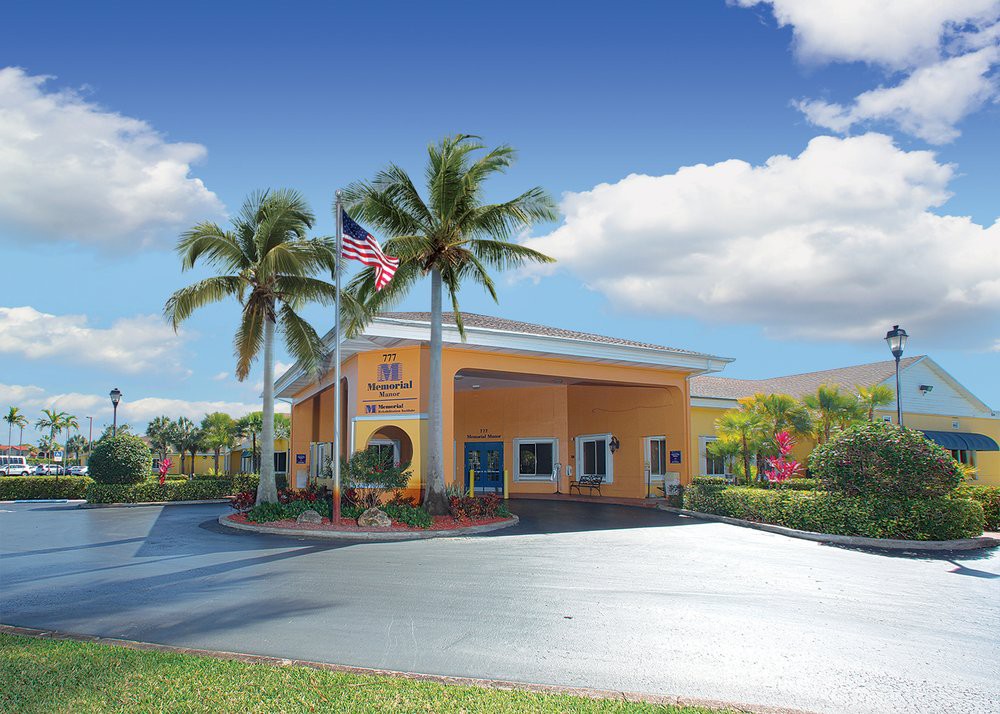
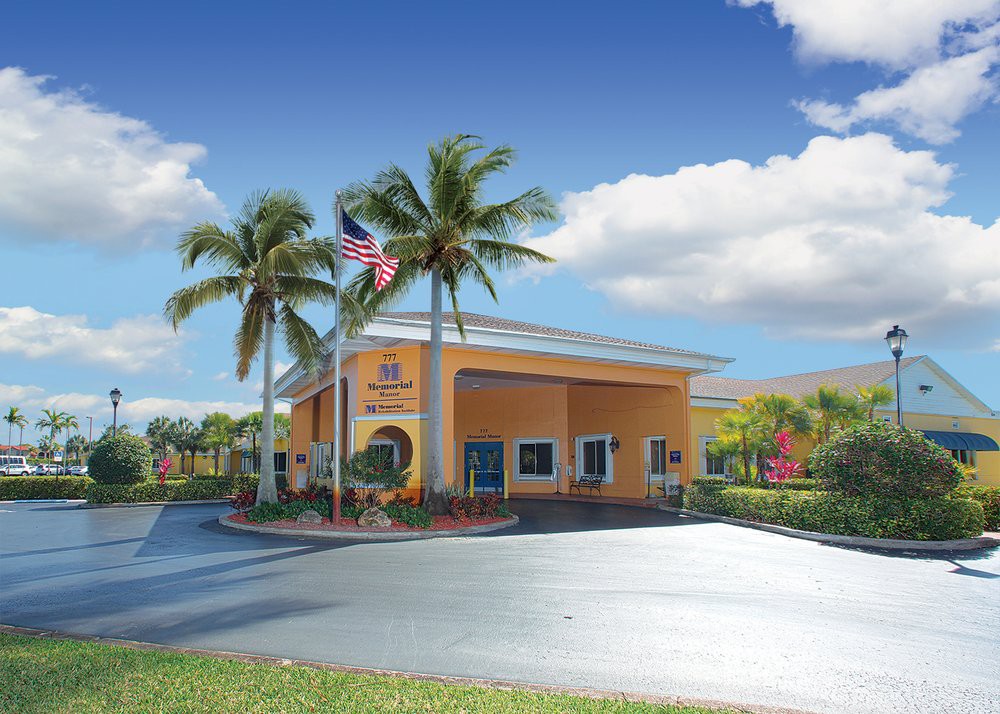
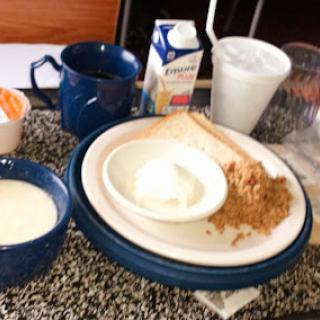
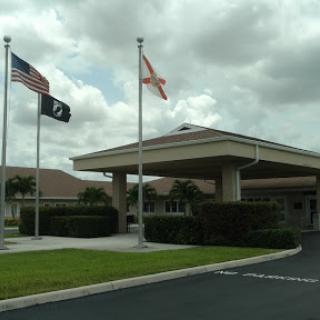
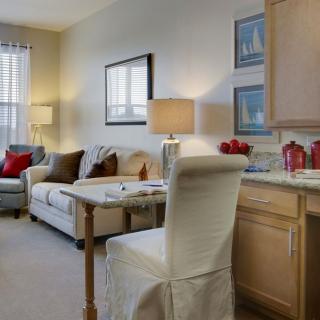
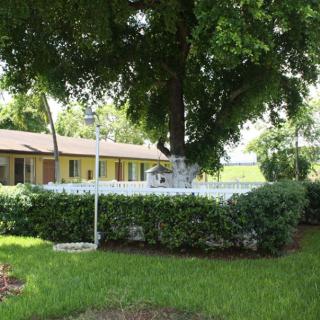
Memorial Manor on seniors.fyi includes 7 photos including images showing dining, palm trees, flag, clouds, building, coffee station, entrance, landscaping, and more.
Nearby Communities
Hollybrook Golf and Tennis Club
Pembroke Pines, FL
4.3 from 120 reviews
Luxurious assisted living with comprehensive care services and convenient amenities
Eagles Eye Comfort Care
Pembrooke Pines, FL
4.2 from 6 reviews
$2,700 / month
Affordable private rooms in a convenient, amenity-rich location.
Eagles Eyes Comfort Care
Pembroke Pines, FL
3.3 from 3 reviews
Intimate 6-bed setting with 24/7 supervision and comprehensive care.
Alexander Nininger State Veterans Nursing Home
Pembroke Pines, FL
3.9 from 27 reviews
Caring staff in a modern facility with engaging activities and family-friendly policies.
Ana's Assisted Living Facility
Hollywood, FL
5 from 88 reviews
$2,400 / month
Small, intimate 6-bed facility offering 24-hour supervision, ADL assistance, and dementia/high-acuity care at competitive Broward pricing.
Leeward Isle Homes
Pembroke Pines, FL
5 from 2 reviews
Comprehensive assisted living with 24/7 supervision, daily living support, meals, housekeeping, and transportation coordination in a fully furnished setting.
The Residences at Monterra Commons
Cooper City, FL
4.5 from 64 reviews
$2,340 to $2,937 / month
Competitive pricing for 1- and 2-bedroom units relative to Broward County and Florida averages, with extensive on-site amenities and activities.
The Sheridan At Cooper City
Cooper City, FL
5 from 133 reviews
$4,845 to $6,100 / month
Well-maintained facility with friendly staff and a broad range of activities and amenities.
Avalon Park Retirement Residence
Hollywood, FL
3.9 from 17 reviews
Friendly, attentive staff and clean, comfortable rooms.
The guide details ten essential responsibilities of senior caregivers, including personal care, mobility assistance, medication management, and emotional support, while emphasizing the importance of safety, nutrition, and maintaining a safe living environment to enhance seniors' quality of life and independence.
The article highlights nine memory-boosting activities for seniors that enhance cognitive health and social interaction, including puzzles, trivia quizzes, and storytelling, while emphasizing the importance of adapting these activities to individual preferences to maximize enjoyment and engagement. Consistent mental engagement is linked to improved cognitive function and emotional well-being in older adults.
Medicare provides limited coverage for skilled nursing home care, covering full benefits for the first 20 days and partial benefits up to 100 days under certain conditions, after which families must explore alternative funding options like Medicaid or long-term care insurance to manage potentially high costs. Proactive planning is essential to navigate the complexities of financing ongoing care once Medicare coverage ends.
Get PricingAsk A QuestionSchedule A TourContact Senior Advisor
By clicking submit, you agree to our Partner's Terms of Use. You
also consent to receive calls and texts, which may be autodialed, from our Partner. Your consent is not a condition to
using our Partner's service. Please visit our Partner's Privacy Policy for information about their privacy practices.




 120 resident community capacity
 Skilled Nursing Facility
 Air-conditioning
 Beauty salon
 Cable or satellite TV
 Computer center
 Dining room
 Fitness room
 Fully furnished
 Gaming room
 Garden
 Housekeeping services
 Kitchenette
 Move-in coordination
 Outdoor space
 Private bathrooms
 Restaurant-style dining
 Small library
 Telephone
 Wellness center
 Wi-Fi/high-speed internet available
 Fort Lauderdale-Hollywood International (8 miles away)
 Community operated transportation
 12-16 hour nursing
 24-hour call system
 Activities of daily living assistance
 Assistance with bathing
 Assistance with dressing
 Assistance with transfers
 Diabetes diet
 Medication management
 Mental wellness program
 Special dietary restrictions
 Concierge services
 Planned day trips
 Luxurious assisted living with comprehensive care services and convenient amenities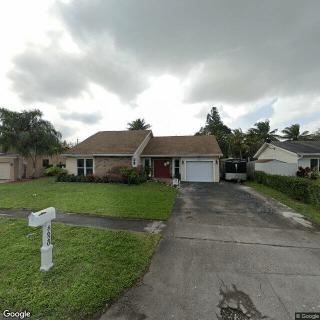
 Ten Vital Duties of a Senior Caregiver: A Comprehensive Guide
 9 Stimulating Memory Activities for Seniors: Puzzles, Cards, and Much More
 Managing Nursing Home Expenses After Medicare Coverage Ends