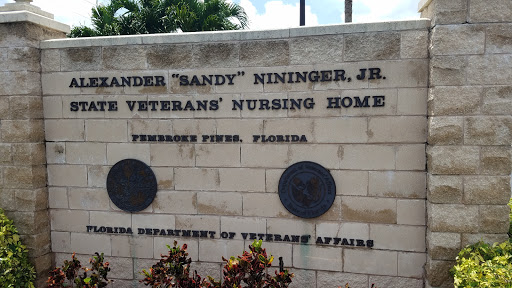






8401 West Cypress Drive, Pembroke Pines, FL 33025
For more information about senior living options: (866) 208-4318
Overall Review of Alexander Nininger State Veterans Nursing Home
Pros
 The staff are polite, respectful, and helpful.
- The facility is beautiful, clean, and well kept.
- Iris is helpful in guiding visitors and interacting warmly with everyone.
- The Alpha unit is clean and cheerful.
- The activities department designs engaging and inviting programs for veterans.
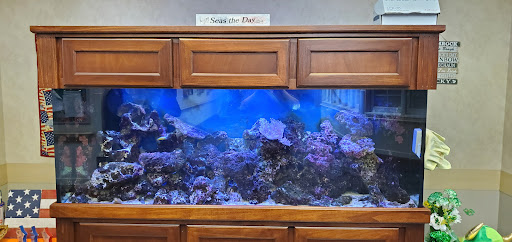
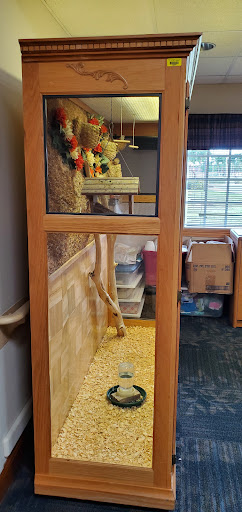
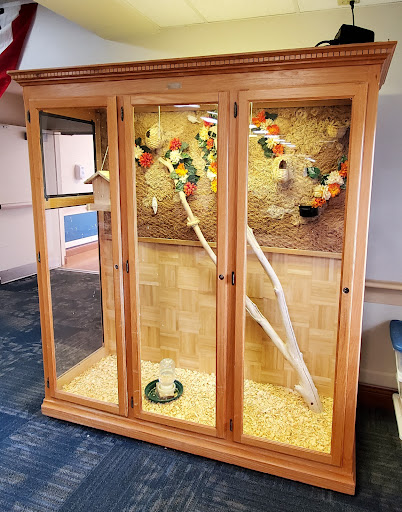
- The birdcage and decorative touches contribute to a welcoming atmosphere.
- The staff keeps families informed about residents' needs and progress.
- The rooms are roomy and private, with organized clothing and accessible bathrooms.
- The food is delicious and homemade.
- The activities director is excellent and dedicated to his job.
- The facility feels brand new and comfortable.
- The staff are dedicated and caring, providing peace of mind.
Cons
 The staff were rude and spoke to families like children, and the administrator was described as the rudest, showing no real support for families.
- The facility was called a joke, with a reviewer’s mother upset to the point of an anxiety attack and no concern shown by administrators.
- The reviewer was very disappointed that health issues were not properly followed despite assurances.
- The grandfather’s experience was marked by incompetent staff, leading the family to hire a private aide and noting numerous incidents, including personal belongings being discarded into a box.
- The nurses were described as awful, not helping with questions and treating patients poorly.
- The nurses’ station was often unattended, making it hard to reach staff.
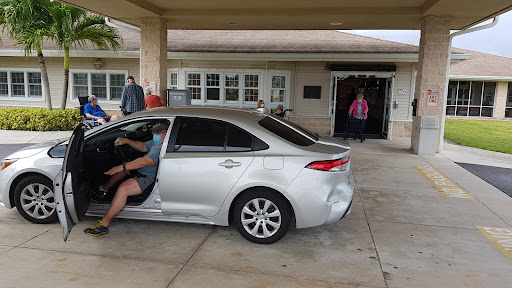
- There was concern about car fumes from idling cars under the carport during visits, questioning why residents and visitors must breathe fumes.
Review
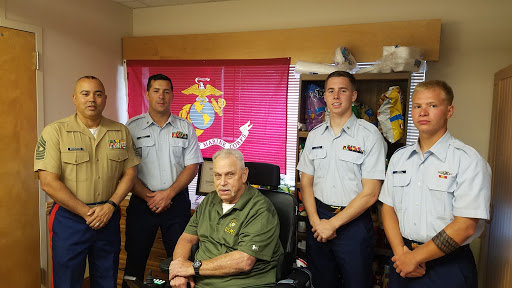
Alexander Nininger State Veterans Nursing Home in Pembroke Pines is best suited for veterans and their families who prize a dignified, veteran-centric environment with a clean, home-like atmosphere, steady nursing presence, and engageable activity programs. The community consistently draws praise for its orderly appearance, respectful staff in many departments, and a sense of tradition that resonates with residents who value camaraderie and routine. For families seeking a place where veterans are treated with courtesy, where therapy services are available, and where social programs are actively organized, this facility offers a solid fit. The emphasis on honoring veterans and keeping a stable, predictable daily rhythm makes it a compelling option for those who want reliability and a familial feel.
Yet, there are clear reasons to consider alternatives, particularly for families that cannot tolerate inconsistent frontline responsiveness. Several reviews point to friction between families and certain staff members, with complaints about rude treatment and limited accessibility at the nurses’ station or during calls. Administrators have drawn mixed reactions as well, and some families report tense interactions that escalate rather than ease concerns. For residents who require highly proactive medical management, seamless family communication, and consistently courteous treatment from leadership, this facility may fall short of expectations. In short, the environment works best when expectations align with a veteran-friendly culture and a generally cooperative care team.
The strongest positives revolve around a clean, inviting campus, tangible attention to resident dignity, and engaging programming that makes daily life feel coordinated rather than routine. The Alpha unit, in particular, is described as clean and cheerful, with staff who communicate personal needs and progress to families. The physical setting offers privacy within shared spaces: roomy rooms, private side tables and drawers, a dedicated sink, and careful attention to clothing labeling to prevent losses. Residents benefit from homemade-style meals, accessible activities, and regular social outings that include games, field trips, and family-friendly events like ice cream Sundays. The overall atmosphere conveys respect for veterans and a sense of valued contribution.
However, the less favorable threads cannot be ignored. Several accounts describe rude or dismissive behavior from nurses and administrators, with families feeling talked down to rather than supported. When medical questions arise or family concerns surface, response can be delayed or unsatisfactory, and some reviewers recount crises where proper communication and coordination seemed lacking. The discord between management and families has tangible consequences, including anxiety and a perception that care coordination is inconsistent. Additionally, while décor and atmosphere are described as nostalgic or dated rather than modern, the practical impact is the same: a homey look may compensate for some gaps, but it does not erase the risk of gaps in care oversight.
In balancing pros and cons, the key value proposition remains: a veteran-forward setting with clean facilities, caring individuals in many roles, and meaningful activities that give residents purpose and connection. When staff are on their game, like the aides who deliver dressing, daily routines, and feeding with warmth; the therapists who drive meaningful progress; and the activities team that designs engaging events, the positives significantly offset the downsides. Families consistently praise caregivers who show up with patience, respect, and a genuine interest in residents’ well-being. The peace of mind that comes from a clean environment, reliable routines, and visible respect for veterans often cushions the sting of bureaucratic tensions.
For families weighing a decision, practical steps sharpen clarity. Schedule a direct meeting with the administrator to gauge communication style and responsiveness; request to see a typical day in both Alpha and other units; inquire about nurse-to-resident ratios, med-management processes, and how emergencies are prioritized. Observe a tour at different times to assess how the front desk and nurses operate under load, and speak with the activities director about the cadence and variety of programs. Confirm personal-space features: room configurations, privacy, and storage; understand how belongings are managed and protected; and verify the facility’s approach to dietary needs and sensory preferences because meals and social cues profoundly influence satisfaction.
Ultimately, this community serves an important niche: a respectful, veteran-centric home where cleanliness, staff kindness in many interactions, and robust activity offerings create a meaningful daily life for many residents. The drawbacks, chiefly inconsistent frontline communication and some administrative friction, are not universal but are real enough to require due diligence. For families prioritizing dignity, continuity of routine, and a veteran-friendly culture, Alexander Nininger State Veterans Nursing Home offers a credible, reliable option. Yet for those who demand flawless responsiveness from leadership, or who cannot tolerate recurring concerns about care coordination, exploring alternatives with stronger guarantees of consistent communication and medical oversight is prudent before committing.
 120 resident community capacity
 Skilled Nursing Facility
 Air-conditioning
 Beauty salon
 Cable or satellite TV
 Computer center
 Dining room
 Fitness room
 Fully furnished
 Gaming room
 Garden
 Housekeeping services
 Kitchenette
 Move-in coordination
 Outdoor space
 Private bathrooms
 Restaurant-style dining
 Small library
 Telephone
 Wellness center
 Wi-Fi/high-speed internet available
 Fort Lauderdale-Hollywood International (8 miles away)
 Community operated transportation
 12-16 hour nursing
 24-hour call system
 Activities of daily living assistance
 Assistance with bathing
 Assistance with dressing
 Assistance with transfers
 Diabetes diet
 Medication management
 Mental wellness program
 Special dietary restrictions
 Concierge services
 Planned day trips





 Recognizing the Journey: Understanding and Navigating Anticipatory Grief
 Encouraging Participation in Adult Day Care: A Guide to Supporting a Hesitant Parent
 Comprehensive Exploration of Living Wills and Other Advance Directives