
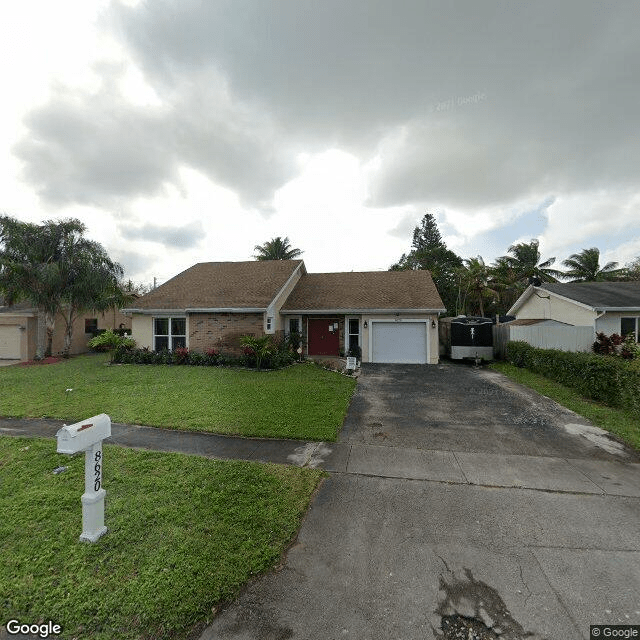
8620 NW 3rd Street, Pembrooke Pines, FL 33024
To contact a resident: (754) 703-4509
For more information about senior living options: (866) 208-4318
Eagles Eye Comfort Care Costs & Pricing
Eagles Eye Comfort Care offers competitive monthly rates for its private rooms, priced at $2,700. This cost is significantly lower than the averages found in Broward County and across Florida, where similar accommodations can range from $3,699 to $3,725 per month. By providing a more affordable option without compromising on quality care and comfort, Eagles Eye Comfort Care positions itself as a valuable choice for families seeking compassionate support for their loved ones. This pricing strategy reflects a commitment to accessibility while maintaining high standards in resident care.
| Floor plans | Eagles Eye Comfort Care | Broward County | Florida |
|---|---|---|---|
| Private | $2,700 | $3,725 | $3,699 |
Senior living communities with a similar price nearby
-
from +$300 / mo
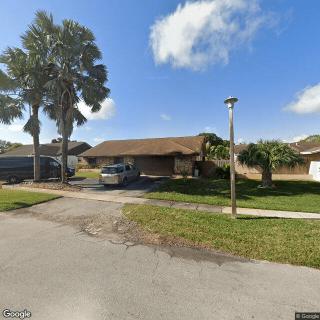
LB Solution Care Group Homes
$3,000 / month3.2 miles away -
from -$300 / mo
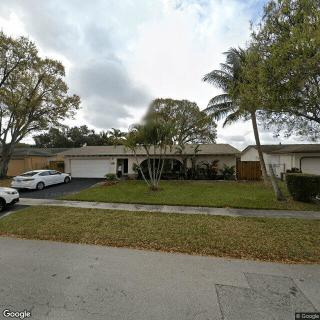
Ana's Assisted Living Facility
$2,400 / month0.5 miles away -
from -$200 / mo
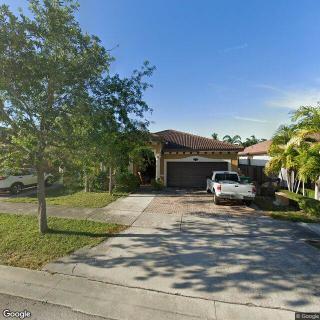
La Casita Nuestra Home
$2,500 to $3,500 / month21.3 miles away -
from +$100 / mo

BrightStar Care of Coral Gables
$2,800 to $3,200 / month17.9 miles away -
from -$300 / mo
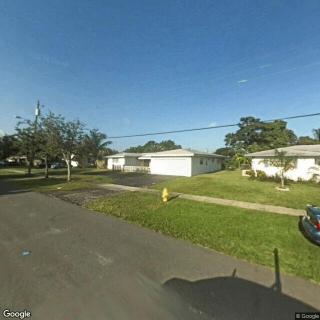
Joy Peace & Love ALF, LLC
$2,400 to $3,300 / month7.5 miles away
Overall Review of Eagles Eye Comfort Care
Pros
 Small ALF homes are described as more family-friendly than large corporate facilities.
- Many small ALF owners are nurses (including RNs) who provide TLC to residents.
- The No Patient Left Alone act in Florida reassures families they won’t have to rely solely on phone conversations for loved ones’ support.
- Older adults tend to do better in smaller settings where they can make friends more easily.
- The author is willing to credit small ALF owners for the TLC they provide in Florida.
Cons
 The care and staff in this facility are horrible, with poor quality of care starting at the top.
- There is constant turnover of staff, and they are not properly trained.
- A new aid administered morning medication in the evening and did not know what was given.
- There is no transparency about who takes care of residents; the proprietor has hung up during discussions.
- The facility is critically understaffed, with seven patients to two aides.
- A bed rail was loose for months, and the owner claimed to be unaware despite injuries.
- The phone line is rarely answered, and messages are not returned.
- Activities and exercise are rarely provided, and there is no calendar or clocks to orient residents.
- The facility is inadequate; families should look elsewhere for care.
Review
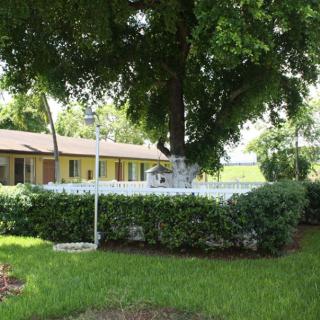
This community is best suited for families seeking a truly intimate, home-like assisted living option in Pembroke Pines. Eagles Eye Comfort Care operates in a converted single-family home with a small footprint, six licensed beds, where care can feel more personal and relationship-focused. The owner is a registered nurse, and the setting leans toward a family-friendly, TLC-driven approach. For seniors who thrive on consistent, eye-to-eye interaction with caregivers and a domestic atmosphere rather than a hospital-like environment, this option can offer comfort and familiarity. The tight-knit nature of the house can support close oversight by family members who want to be deeply involved in daily routines, schedules, and care decisions. In short, it rewards hands-on family involvement and favors residents who do not require high-intensity medical management.
Those weighing alternatives should consider this option carefully if current or anticipated needs include complex medical oversight, rigorous medication management, or a demand for highly structured programming. The most vocal cautions from others center on staffing reliability and safety concerns that can escalate in a six-bed home. If a resident requires steady, predictable staffing, transparent shift accountability, and robust med-pass procedures, larger and more regulated facilities may deliver more consistency. Prospective families should also note that the small setting can struggle to scale up during emergencies or busy shifts, potentially delaying responses compared with larger operations.
The small size and owner-led model can offset several concerns for the right resident. A family-owned, nurse-led environment often translates into more direct access to care decisions, quicker rapport with caregivers, and a sense of TLC that can be hard to sustain in bigger centers. The intimate setting makes it easier for relatives to visit, monitor daily activities, and witness how routines are carried out. Additionally, Florida’s No Patient Left Alone framework helps families stay connected with loved ones beyond phone calls, which matters when smaller homes are less likely to have formalized visitor-friendly protocols. For families prioritizing warmth and accessible caregiving, these are meaningful advantages.
However, multiple red flags emerge in practice that weigh heavily against a blanket endorsement. Several reviews describe persistent staffing challenges, high turnover, and inconsistent training that undermine reliability. Medication safety, a core risk in any ALF, is called into question by accounts of a nurse-administered dose mixed with incorrect timing and poorly trained aides. Communication gaps are repeatedly cited, unanswered calls, opaque reporting about who cared for a resident on various shifts, and a perception of limited transparency from the owner. A concerning note is the repeated mention of unsafe conditions, such as a bed railing left loose, with owners indicating limited awareness of ongoing issues. These factors collectively erode trust and safety.
From a decision-making vantage point, the strongest test is whether ongoing, transparent operations can be achieved in a six-bed, owner-involved setting. Prospective families should push for a concrete, written care plan that details medication administration protocols, staffing schedules, and escalation procedures for urgent needs. Request current staff-to-resident ratios, proof of RN presence or on-call coverage, and a clear, verifiable routine for daily activities and physical therapy or exercise. Tour the home at different times to observe how staff respond to questions, how activities are actually carried out, and whether there is a predictable rhythm to day-to-day life. Above all, verify accountability: insist on direct contact information for the on-site supervisor, and a transparent process for reporting concerns.
The bottom line is practical: Eagles Eye Comfort Care can be a fit for families who want a small, homelike environment and who are willing to stay actively involved to compensate for potential staffing and communication gaps. For families needing steady medical oversight, consistent medication safety, and highly reliable operations, this option carries too much variability at present. Alternatives with larger staff pools, clearer governance, and demonstrable safety records will better serve residents with higher acuity or those requiring dependable day-to-day management. A measured trial period, with explicit expectations and a formal review plan, is the prudent route for anyone seriously weighing this community against the field.
 Board and Care Home
 Private
 Fort Lauderdale-Hollywood International (8 miles away)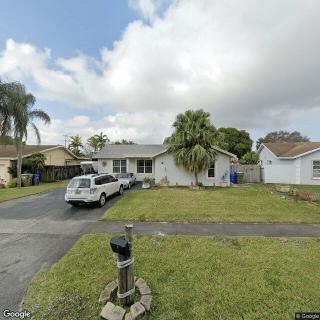


 6 Crucial Ways an Elder Law Attorney Assists Families
 Navigating the Tax Landscape of Caregiving: Credits, Deductions, and Beyond
 Highly Beneficial Low-Impact Exercises for Senior Living Residents