For more information about senior living options: (866) 208-4318
4.9 from 120 reviews
5 stars
111
4 stars
5
3 stars
1
2 stars
2
1 stars
1
Overall Review of Carroll Manor Nursing & Rehab
differentiator25 reviews mention this
Cleanliness stands out
Residents and visitors repeatedly describe the facility as very clean and well kept.
Many reviewers comment on cleanliness in hallways, bathrooms, rooms, and common areas, often noting there is no unpleasant smell. Several also describe floors as immaculate or highlight how neat and comfortable rooms feel. A number of visits are framed around how clean the building looked compared with other facilities people have seen.
common32 reviews mention this
Staff are consistently professional
Across reviews, families and visitors describe staff as welcoming, courteous, and responsive.
Reviewers frequently mention staff being friendly, kind, and professional, including interactions at the front door, security check-in, and care teams. Communication comes up often, with families describing that staff answered questions and helped them feel informed. A recurring theme is that residents look well cared for and engaged during visits, which reviewers connect to how the staff shows up day to day.
differentiator14 reviews mention this
Rehab and nursing care feel supported
Residents receive nursing and rehab attention families say makes progress possible.
Several reviews describe skilled nursing and rehab experiences, including recovery after a longer stay and ongoing support from nurses and care teams. Families also mention specialized involvement, like wound care and care coordination, and they credit staff for clear updates during a medical and insurance process. Some reviewers also talk about physical therapy support, including how it affects comfort and mobility goals.
common2 reviews mention this
Food service is a bright spot
Dining and meal service come up positively in a few reviews.
A couple of reviewers specifically praise the food service team for doing a great job. Other residentsā€™ families mention meals as part of the communication and support they received during care. The community also offers restaurant-style dining and meals provided, aligning with those meal-focused comments.
caveat3 reviews mention this
Therapy and activities need follow-through
Some families say therapy and activity support could be stronger.
While many reviews are positive overall, a few mention gaps related to therapy and activities, including wanting more PT involvement. One reviewer links limited movement to concerns about skin and pressure sores, asking what could be done to reduce that risk. Another points to therapy and activity goals that still needed to be met at the time of their experience.
How we summarize
Counts show how many written reviews mention each theme; a review can touch several themes, and only frequently mentioned themes are displayed.
Features
Housing
252 resident community capacity
Types of Care
Skilled Nursing Facility
Amenities
Activities on-site
Air-conditioning
Beauty salon
Cable or satellite TV
Computer center
Devotional services off-site
Dining room
Fitness room
Fully furnished
Gaming room
Garden
Housekeeping services
Indoor common areas
Kitchenette
Move-in coordination
Outdoor space
Private bathrooms
Restaurant-style dining
Small library
Telephone
Wellness center
Wi-Fi/high-speed internet available
Transportation
Ronald Reagan Washington National (7 miles away)
Baltimore-Washington International (24 miles away)
Washington Dulles International (25 miles away)
Community operated transportation
Transportation arrangement
Transportation arrangement (non-medical)
Transportation to doctors appointments
Care Services
12-16 hour nursing
24-hour call system
24-hour supervision
Activities of daily living assistance
Ambulatory care
Assistance with bathing
Assistance with dressing
Assistance with transfers
Diabetes diet
Diabetic care
High acuity care
Meal preparation and service
Medication management
Mental wellness program
Special dietary restrictions
Dining
Diabetes diet
Meals provided
Special dietary restrictions
Activities
Activities on-site
Community-sponsored activities
Concierge services
Devotional activities offsite
Fitness programs
Planned day trips
Resident-run activities
Scheduled daily activities
Nearby Places of Interest
This area of Washington, D.C. offers a variety of amenities that could be appealing for senior living. With multiple pharmacies and medical centers within close proximity, access to healthcare services is convenient. The presence of diverse dining options, cafes, and theaters provide opportunities for leisure and social engagement. Additionally, the nearby parks offer green spaces for outdoor activities and relaxation. The accessibility to multiple Metro stations makes it easy to navigate the city for any necessary errands or appointments. Overall, this area provides a vibrant and dynamic environment with a mix of urban conveniences and recreational opportunities suitable for seniors looking to enjoy city living.
Physicians
Mary's Center (0.8 miles)
Children's National - Main Hospital (1.6 miles)
One Medical (3.4 miles)
One Medical (3.6 miles)
The Centers For Advanced Orthopaedics (3.8 miles)
Pharmacies
CVS Pharmacy (0.8 miles)
CVS Pharmacy (1.1 miles)
CVS Pharmacy (1.7 miles)
CVS Pharmacy (1.8 miles)
CVS Pharmacy (2.3 miles)
CVS Pharmacy (2.3 miles)
CVS Pharmacy (2.4 miles)
Places of Worship
Basilica of the National Shrine of the Immaculate Conception (0.9 miles)
St Joseph Catholic Church on Capitol Hill (3.6 miles)
Restaurants
Chick-Fil-A (0.9 miles)
Right Proper Brewing Company (2.5 miles)
McDonald's (2.7 miles)
Republic Cantina (2.7 miles)
Red Bear Brewing Compa (2.8 miles)
Chick-Fil-A (2.9 miles)
Garden District (2.9 miles)
Parks
Fort Slocum Park (1.4 miles)
Meridian Hill Park (2.7 miles)
S Street Dog Park (3.1 miles)
Rock Creek Park (3.3 miles)
Stanton Park (3.6 miles)
Lincoln Park (3.8 miles)
Capitol Reflecting Pool (3.9 miles)
Hospitals
Medstar Washington Hospital Center (1.5 miles)
Children's National Medical Center (1.6 miles)
Howard University Hospital (2.3 miles)
Transportation
West Hyattsville Metro Station (1.6 miles)
Georgia Ave-Petworth Metro Station (1.7 miles)
Rhode Island Ave - Brentwood Metro Station (1.7 miles)
Shaw-Howard University Metro Station (2.5 miles)
Prince George's Plaza Metro Station (2.5 miles)
NoMa-Gallaudet U Metro Station (2.7 miles)
Union Station Metro (3.3 miles)
Theaters
Alamo Drafthouse Cinema DC Bryant Street (1.6 miles)
Amenity-rich location with easy access to parks, shopping, and healthcare.
Cadia Healthcare - Hyattsville
Hyattsville, MD
Extensive amenities and 24/7 care services
Malta House
Hyattsville, MD
4.3 from 38 reviews
$6,150 / month
Small, clean facility with attentive staff who know residents.
Rainier Manor
Mount Rainier, MD
4.6 from 33 reviews
$1,153 to $1,368 / month
Clean, well-maintained facility with spacious apartments, attentive staff, and a friendly, close-knit community; convenient location with parking and nearby services; pricing is notably affordable for the area.
Sligo Creek Center
Takoma Park, MD
3.4 from 104 reviews
Small, personalized SNF with 24-hour supervision, comprehensive daily living support, and on-site amenities.
The article explores the complexities of using Social Security to finance long-term nursing home care in the U.S., detailing eligibility requirements and misconceptions, while emphasizing that these benefits often do not cover full costs and highlighting the need for strategic financial planning and professional guidance.
Pneumonia significantly affects older adults due to weakened immune systems and atypical symptoms that complicate diagnosis, necessitating early detection and tailored treatment. Risk factors include chronic diseases and cognitive impairments, with preventive measures like vaccinations and healthy lifestyles being crucial for reducing risk.
Palliative care enhances the quality of life for seriously ill patients by providing comprehensive support at home through a multidisciplinary team, addressing various needs and prioritizing comfort over curative treatments. While it offers personalized care and involves family in decision-making, challenges like caregiver stress and logistical issues persist, with growing demand prompting advancements in technology and healthcare policies to improve access.
Get PricingAsk A QuestionSchedule A TourContact Senior Advisor
By clicking submit, you agree to our Partner's Terms of Use. You
also consent to receive calls and texts, which may be autodialed, from our Partner. Your consent is not a condition to
using our Partner's service. Please visit our Partner's Privacy Policy for information about their privacy practices.

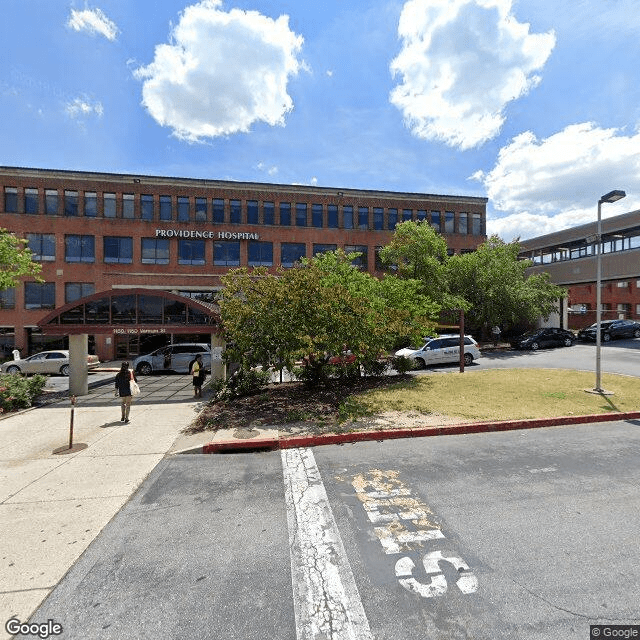
 252 resident community capacity
 Skilled Nursing Facility
 Activities on-site
 Air-conditioning
 Beauty salon
 Cable or satellite TV
 Computer center
 Devotional services off-site
 Dining room
 Fitness room
 Fully furnished
 Gaming room
 Garden
 Housekeeping services
 Indoor common areas
 Kitchenette
 Move-in coordination
 Outdoor space
 Private bathrooms
 Restaurant-style dining
 Small library
 Telephone
 Wellness center
 Wi-Fi/high-speed internet available
 Ronald Reagan Washington National (7 miles away)
 Community operated transportation
 12-16 hour nursing
 24-hour call system
 Ambulatory care
 Assistance with bathing
 Assistance with dressing
 Assistance with transfers
 Diabetes diet
 Diabetic care
 High acuity care
 Medication management
 Mental wellness program
 Special dietary restrictions
 Concierge services
 Planned day trips
 Small facility with a big heart and compassionate staff.

 Financing Long-Term Nursing Home Care Through Social Security: A Thorough Exploration
 Essential Knowledge on Pneumonia in Older Adults
 Exploring Palliative Care in the Home: A Comprehensive Overview