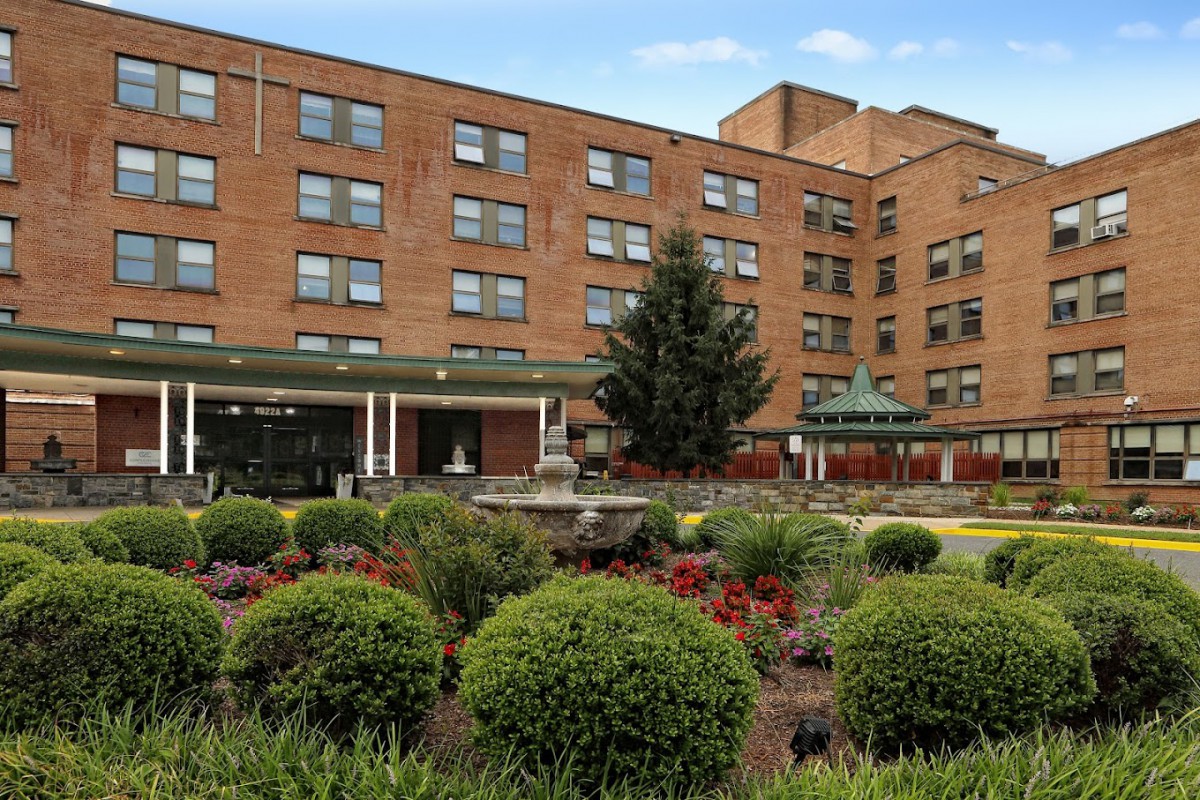
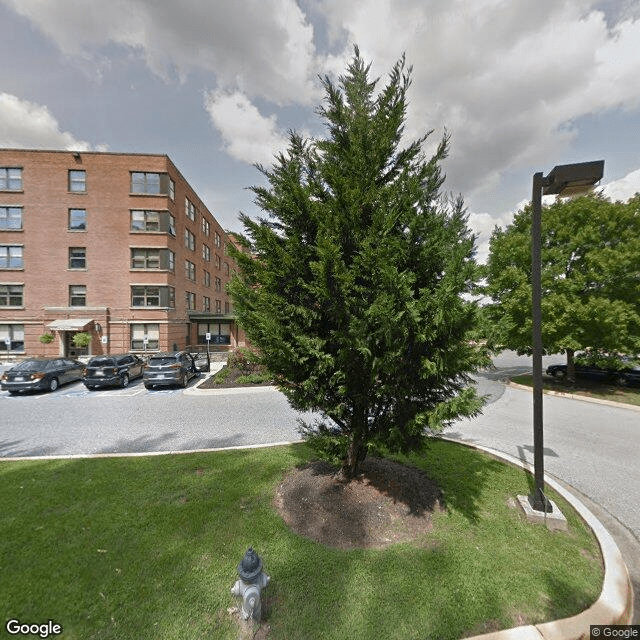
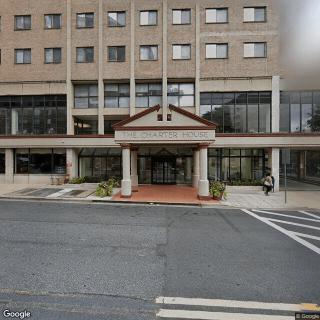
4922 Lasalle Rd, Hyattsville, MD 20782
To contact a resident: (301) 864-2333
For more information about senior living options: (866) 208-4318
Overall Review of St Thomas More Nursing & Rehab
Cons
 They say there is nothing good to say; all the service was bad for their brother.
- They say this place killed their mom and didn’t get her any help.
- They advise others not to send their family here; this place is no good.
Review
St Thomas More Nursing & Rehab in Hyattsville is best viewed as a fit for families that need an affordable, nearby option and are prepared to actively supervise care for a loved one who has relatively modest care needs or is transitioning from hospital care. The community appears most suitable for residents who can function with assistance for daily tasks, while families remain ready to intervene when care gaps emerge. The evidence suggests a mixed experience: some days may feel acceptable, others reveal serious concerns that demand vigilant oversight and a willingness to escalate issues promptly.
Those with high expectations for consistent nursing oversight should seriously consider alternatives. The footprint here carries a mixed track record, underscored by a 3.4 overall rating derived from five reviews, and a striking split: three five-star reports alongside two one-star warnings. For families facing complex medical needs, frequent nurse call activity, or sensitivity to responsiveness, other communities with documented, dependable staffing and quicker problem resolution will likely offer greater peace of mind. If a loved one requires robust, round-the-clock clinical attention, this is not the most reliable first choice.
The core pros and cons line up in a stark contrast. On the positive side, the presence of some highly favorable reports indicates that there are moments when staff attentiveness and the overall atmosphere can meet expectations. A few reviewers describe experiences that align with what families seek: respectful treatment, personal attention when care was timely, and a generally calm living environment. Yet these positives are overshadowed by the prevailing concerns raised in the most vocal reviews, where care quality deteriorates into unresponsive service and perceived neglect. The gap between the positive anecdotes and the severe criticisms is a red flag that cannot be dismissed.
The most troubling notes come from two reviewers who left unequivocal warnings about harm and neglect: “nothing good to say all bad service my brother received” and “this place killed my mom didn’t get her no help.” Even if these accounts do not represent every resident experience, they point to real risks, situations where urgent help was not provided and where critical needs went unmet. In a setting that mixes hospital-to-home transitions with ongoing daily support, such claims trigger a caution flag for families weighing safety and reliability. These are precisely the warnings that should prompt diligence, not casual consideration.
To navigate decisions here, approach the evaluation with a concrete, evidence-driven checklist. During tours, request to observe multiple shifts to gauge actual response times and staffing levels, and ask for current nurse-to-resident ratios by unit. Speak with direct care staff, supervisors, and a few residents or family members about incident follow-ups, care plans, and how quickly calls are answered. Examine recent state inspection reports and any formal complaints, and verify whether corrective actions have been implemented. Require documentation of individualized care plans, medication administration practices, and post-acute rehabilitation workflows. If a move is contemplated, insist on a trial period with clear milestones and a plan to escalate concerns quickly.
In the end, decision-makers should treat this community as a provisional option rather than a front-runner. The combination of several strong five-star experiences with two highly troubling one-star accounts creates a risk profile that is uneven at best. For families prioritizing safety, consistent responsiveness, and predictable outcomes, stronger alternatives exist that deliver steadier care and clearer accountability. If St Thomas More is under consideration, it should come with a commitment to rigorous evaluation, immediate escalation protocols, and a readiness to switch promptly if care quality does not stabilize.
 Skilled Nursing Facility
 Ronald Reagan Washington National (8 miles away)
 Extensive amenities and 24/7 care services



 Caring for Those Who Care: Recognizing, Understanding, and Overcoming Caregiver Burnout
 Caregiver Exhaustion: Recognizing the Signs and Restoring Your Well-Being
 Understanding Hospice Care at Home: Comprehensive Services, Key Benefits, and Eligibility