Sligo Creek Center in Takoma Park, MD

Save

Sligo Creek Center in Takoma Park, MD

Information last verified:

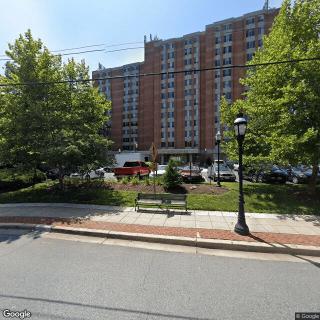
7525 Carroll Avenue, Takoma Park, MD 20912

For more information about senior living options: (844) 490-3973

3.3 from 94 reviews
5 stars
47
4 stars
9
3 stars
1
2 stars
2
1 stars
35

Overall Review of Sligo Creek Center

Pros

  • pro The staff took good care of the patient there.
  • pro The new director is on top of things and doing a great job.
  • pro The home is very clean and the staff are friendly and awesome.
  • pro The facility is clean and staff greet visitors with a smile.
  • pro The check-in system is wonderful and visits are great.
  • pro The staff are always friendly and available.
  • pro The care is excellent and rehab staff are awesome.
  • pro Peak Healthcare at Sligo Creek is regarded as the best nursing home in Montgomery County.
  • pro The kitchen staff does an excellent job and meals are well-prepared.

Cons

  • pro The second floor staff has been extremely disappointing, clearly understaffed, and the level of care is suffering.
  • pro Phones often go unanswered and the call button for assistance is frequently ignored, with little empathy shown toward patients.
  • pro A friend has received only one shower in nearly three weeks, and responses to calls for help are rare.
  • pro The aide’s demeanor was rude and unprofessional, leaving the friend intimidated and reluctant to ask for help.
  • pro The aide asked a nurse to finish placing a sheet, claiming she had other patients to attend to, forcing others to intervene.
  • pro Cockroaches are on the floor daily and the food is described as the lowest quality imaginable, with no menus and poor diabetes-friendly options.
  • pro There are significant medication issues, including omissions and mismanagement, with staff described as incompetent or inappropriate.
  • pro The overall facility is filthy and neglected, with stained linens, scarce towels, and some staff deemed abusive; many reviews suggest it should be closed.

Review

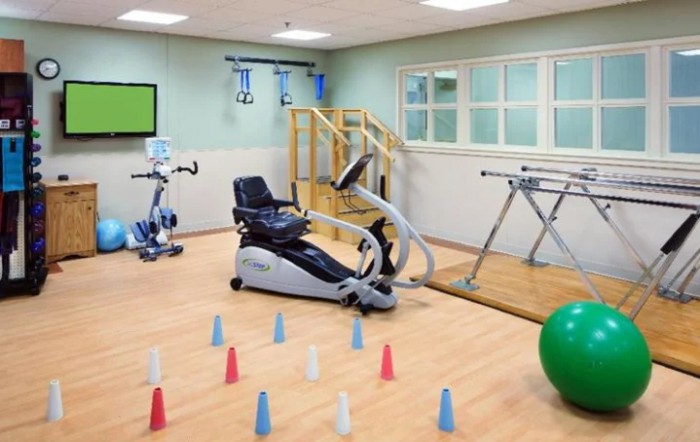
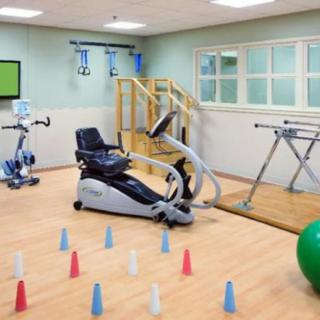
Sligo Creek Center is best suited for seniors who enter primarily for short-term rehabilitation and who can benefit from an energetic physical-therapy focus, clear progress goals, and a responsive care team when staffing is adequate. When a loved one can tolerate a mix of attentive care on good days and variable consistency on tougher shifts, this community can deliver meaningful recovery moments: skilled rehab, generally clean spaces, and a front-line staff that, in many instances, shows genuine warmth and effort. The facility’s strengths show up most clearly in therapy outcomes and in periods when the leadership team is on top of operations, creating a workable environment for regaining mobility and independence.

Nevertheless, serious caveats demand attention. Those seeking round-the-clock, high-touch nursing care with flawless responsiveness should look elsewhere. A recurrent theme across many reviews is understaffing on some floors, with call bells ignored, phones unanswered, and basic assistance delayed. Stories of rude or dismissive aides, disorganized communication, and inconsistent follow-through on care plans underline a risk that a loved one could be left waiting for help or subjected to put-upon, impersonal treatment during vulnerable moments. For families with a loved one who requires constant supervision, aggressive fall prevention, or meticulous medication management, the potential for lapses makes alternatives worth exploring.

The strongest counterbalance to these cautions lies in the rehab and care teams when they are functioning at full tilt. Rehabilitative services frequently receive high praise: therapists who design clear, goal-focused plans, encouragement that helps patients regain strength, and a track record of tangible progress that enables a return home or greater independence. In several accounts, nurses and GNAs are described as compassionate and competent, and management teams have earned praise for organization, warmth, and a proactive stance at times. When those elements align, consistent therapy schedules, timely assistance, clean facilities, reliable housekeeping, and well-communicated care plans, the center demonstrates real value for post-acute recovery and shorter-term admissions. In those windows, families can see tangible gains and a smoother hospital-to-home transition.

However, the gravity of the downsides cannot be ignored. Recurring complaints about pests, odors, and inconsistent cleaning point to environmental factors that color every day’s experience. Food quality is another persistent frustration, with some reviewers reporting unappealing meals and limited dietary flexibility, including diabetes-friendly options that feel inadequate or poorly coordinated with kitchen practice. Medication management also surfaces as a critical concern in multiple anecdotes, ranging from missed doses and incorrect substitutions to delays in obtaining prescribed regimens. Administrative communication varies widely: some families report helpful coordinators and quick problem-solving, while others encounter misrepresentations, long holds, or staff who appear overwhelmed or dismissive. These patterns suggest that while strong teams can emerge, the risk of uneven quality across shifts remains real.

For families weighing a move, a practical path is essential. Before deciding, request a candid, live look at typical shift flows, ask to observe call-light response, tour multiple units at different times, and speak with both nursing leadership and the therapy team about daily schedules and discharge planning. Verify the existence of a robust, personalized care plan with documented goals, and confirm that medications are tracked with a reliable pharmacy pipeline and real-time reconciliation. Probe the front-desk and admissions processes for clarity about what is and isn’t included in the stay, and insist on seeing current menus, along with opportunities to sample meals and discuss special dietary needs. In short, insist on evidence of consistent staffing, transparent communication, and demonstrable adherence to care plans.

For a loved one whose needs skew toward long-term, medically complex care or who has a history of falls or responsiveness challenges, the caution flags rise higher. The most alarming reviews describe neglect, abuse concerns, and environments that feel unsafe or unsanitary, with frequent reports of roaches, strong odors, and inconsistent towel and linen service. In such cases, leaping to strong alternatives, facilities with demonstrably stronger safety records, more rigorous staffing models, and clearer accountability, becomes a prudent choice. The decision hinges on balancing the potential for meaningful rehab gains against the risk of ongoing, unaddressed safety and quality concerns.

The final call rests on a disciplined, evidence-based approach. Sligo Creek Center can be the right fit for families prioritizing aggressive rehabilitation and practical, day-to-day improvement, provided that strong advocates are in place and care standards hold steady. The upside, visible progress, attentive therapists, and moments of compassionate nursing, can be substantial enough to justify a stay when everything aligns. Yet the persistent, serious red flags around staffing adequacy, promptness of care, medication safety, and environmental cleanliness mean vigilance must be nonnegotiable. If a loved one’s needs include dependable, 24/7 responsiveness and consistently clean, well-maintained surroundings, it is wise to evaluate alternatives now and arrange for ongoing checks after admission. In the end, informed discernment, rooted in direct visits, conversations with trend-conscious clinical staff, and a solid plan for in-house advocacy, will determine whether Sligo Creek Center becomes a successful step toward recovery or a signal to explore other options that better align with safety, dignity, and consistent quality of care.

Features

Housing

  • 21 resident community capacity 21 resident community capacity

Types of Care

  • Assisted Living Assisted LivingAssisted living facilities provide crucial support and care for seniors who may need help with daily tasks such as medication management, bathing, and meal preparation. These communities offer a safe and comfortable environment where seniors can maintain their independence while receiving the assistance they need to thrive in their golden years.
  • Skilled Nursing Facility Skilled Nursing FacilitySkilled Nursing Facilities are crucial for seniors as they provide round-the-clock medical care, rehabilitation services, and assistance with daily activities. These facilities ensure that seniors receive the specialized care they need to maintain their health and well-being as they age.

Amenities

  • Beauty salon Beauty salonBeauty salons are important for seniors because they provide a space for them to feel pampered, socialize, and maintain their personal grooming and hygiene. Regular visits to a beauty salon can help boost seniors' self-esteem and overall well-being.
  • Cable or satellite TV Cable or satellite TVCable or satellite TV is important for seniors because it provides entertainment, news, and companionship, helping to combat loneliness and boredom. It also offers a wide range of programming options tailored to different interests and preferences.
  • Dining room Dining roomDining rooms are important for seniors as they provide a space for socialization, connection, and nutritious meals. They offer opportunities for residents to bond over shared meals, foster a sense of community, and promote healthy eating habits. Dining rooms also ensure that seniors have access to well-balanced meals tailored to their dietary needs and preferences.
  • Fully furnished Fully furnishedFully furnished senior living communities are important for seniors because they provide convenience, comfort, and a hassle-free moving experience. Seniors can easily settle into their new living space without the stress of having to buy and move furniture. This allows them to focus on enjoying their new home and community.
  • Garden GardenGardens are important for seniors as they provide a peaceful and therapeutic environment for relaxation, physical activity, and socialization. Being in nature has been shown to reduce stress, improve mood, and promote overall well-being. Gardens also offer opportunities for seniors to engage in gardening activities, which can improve mobility, flexibility, and cognitive function. Additionally, gardens create a sense of community and connection with others who share a passion for plants and outdoor spaces.
  • Housekeeping services Housekeeping servicesHousekeeping services are important for seniors because they help maintain a clean and safe living environment, promote independence, and reduce the risk of accidents or illnesses. Additionally, having assistance with household chores can alleviate physical strain and allow seniors to focus on other aspects of their well-being.
  • Kitchenette KitchenetteKitchenettes are important for seniors living in senior living communities because they provide the convenience and independence of being able to prepare simple meals and snacks in the comfort of their own living space. This can help promote a sense of autonomy and well-being for seniors, allowing them to maintain some level of control over their dietary choices and daily routines.
  • Move-in coordination Move-in coordinationMove-in coordination is important for seniors because it helps ease the transition into their new living environment. It ensures that all logistics, such as packing, organizing movers, and setting up utilities are taken care of, allowing seniors to focus on settling in and adjusting to their new home. Having a smooth move-in process can alleviate stress and anxiety, making the transition smoother and more enjoyable for seniors.
  • Outdoor space Outdoor spaceOutdoor spaces are important for seniors as they provide opportunities for physical activity, social interaction, exposure to natural light and fresh air, and a sense of connection to nature. Having access to outdoor spaces can improve overall well-being and quality of life for older adults living in senior communities.
  • Telephone TelephoneTelephones are important for seniors as they provide a lifeline for communication with loved ones, emergency services, and healthcare providers. They offer a sense of security and independence, enabling seniors to stay connected and access assistance when needed.
  • Wi-Fi/high-speed internet available Wi-Fi/high-speed internet availableWi-Fi/high-speed internet is important for seniors to stay connected with loved ones, access online resources, and participate in virtual activities to combat feelings of loneliness and isolation. It also allows them to easily manage healthcare needs, access entertainment, and engage in lifelong learning opportunities.

Transportation

  • Ronald Reagan Washington National (9 miles away) Ronald Reagan Washington National (9 miles away)
  • Baltimore-Washington International (22 miles away) Baltimore-Washington International (22 miles away)
  • Washington Dulles International (25 miles away) Washington Dulles International (25 miles away)

Care Services

  • 24-hour call system 24-hour call system24-hour call systems are important for seniors because they provide peace of mind and immediate assistance in case of emergencies. This technology ensures that help is always available, promoting safety and security for elderly individuals living alone or in assisted living facilities.
  • 24-hour supervision 24-hour supervision24-hour supervision is important for seniors to ensure their safety, well-being, and access to immediate assistance in case of emergencies or health issues. This constant support provides peace of mind for both seniors and their loved ones, allowing them to age in place with dignity and security.
  • Activities of daily living assistance Activities of daily living assistanceActivities of daily living assistance are important for seniors because they provide essential support with tasks such as eating, bathing, dressing, and mobility. This assistance helps seniors maintain their independence, dignity, and overall quality of life as they age.
  • Assistance with bathing Assistance with bathingAssistance with bathing is crucial for seniors as it helps maintain personal hygiene, prevents infections, and ensures their overall well-being and comfort. It also provides a sense of dignity and independence for seniors who may struggle with this task on their own.
  • Assistance with dressing Assistance with dressingAssistance with dressing is important for seniors because it helps maintain their independence, promotes personal hygiene, prevents accidents and injuries, and improves overall quality of life. This service ensures that seniors can continue to dress comfortably and confidently, despite any physical limitations they may have.
  • Assistance with transfers Assistance with transfersAssistance with transfers is crucial for seniors as it helps prevent falls and injuries, maintains their independence, and ensures they can safely navigate their living environment. It also provides peace of mind for both seniors and their loved ones.
  • Coordination with health care providers Coordination with health care providersCoordination with health care providers is crucial for seniors to ensure proper medical care, medication management, and overall well-being. This collaboration helps prevent overlapping treatments, track progress more effectively, and provide comprehensive support tailored to individual needs.
  • Diabetes diet Diabetes dietA diabetes diet is crucial for seniors as it helps manage blood sugar levels, reduce risks of complications, and improve overall health and well-being. By following a balanced and nutritious diet tailored to their specific needs, seniors can better control their diabetes and enhance their quality of life.
  • Meal preparation and service Meal preparation and serviceMeal preparation and service are crucial for seniors as they may have limited mobility or energy to cook nutritious meals. Having access to healthy and convenient food options can ensure they are getting the proper nutrition needed to maintain their overall health and well-being.
  • Medication management Medication managementMedication management is crucial for seniors to ensure they are taking the right medications at the correct dosages and times. This helps prevent adverse drug interactions, reduces the risk of medication errors, and promotes overall health and well-being. Proactive management also allows for adjustments as needed based on changing health conditions or new prescriptions.
  • Mental wellness program Mental wellness programMental wellness programs are essential for seniors as they promote cognitive stimulation, emotional support, and social engagement. These programs help prevent isolation, depression, and cognitive decline, ultimately enhancing the overall quality of life for older adults.
  • Special dietary restrictions Special dietary restrictionsSpecial dietary restrictions are important for seniors because age-related changes in metabolism and health conditions can make it difficult for their bodies to process certain foods. By following a diet tailored to their specific needs, seniors can maintain their overall health and well-being, manage chronic conditions, and reduce the risk of complications such as malnutrition or food interactions with medications.
  • Transportation arrangement (medical) Transportation arrangement (medical)Transportation arrangements for medical purposes are essential for seniors as they may have difficulty driving themselves to appointments or accessing public transportation. Having reliable and safe transportation options ensures that seniors can receive timely medical care and maintain their health and well-being.
  • Transportation to doctors appointments Transportation to doctors appointmentsTransportation to doctors' appointments is crucial for seniors as it ensures they have access to necessary medical care and support for their health needs. Without reliable transportation, seniors may struggle to attend important appointments, leading to potential delays in treatment and health complications. Providing transportation services helps seniors maintain their overall well-being and quality of life.
Dining

  • Diabetes diet Diabetes dietA diabetes diet is crucial for seniors as it helps manage blood sugar levels, reduce risks of complications, and improve overall health and well-being. By following a balanced and nutritious diet tailored to their specific needs, seniors can better control their diabetes and enhance their quality of life.
  • Special dietary restrictions Special dietary restrictionsSpecial dietary restrictions are important for seniors because age-related changes in metabolism and health conditions can make it difficult for their bodies to process certain foods. By following a diet tailored to their specific needs, seniors can maintain their overall health and well-being, manage chronic conditions, and reduce the risk of complications such as malnutrition or food interactions with medications.

Activities

  • Community-sponsored activities Community-sponsored activitiesCommunity-sponsored activities are important for seniors as they provide opportunities for social interaction, mental stimulation, and physical activity. These activities can help improve overall well-being, combat loneliness and isolation, and promote a sense of belonging and purpose among older adults.
  • Scheduled daily activities Scheduled daily activitiesScheduled daily activities are important for seniors because they provide structure, socialization, mental stimulation, and physical activity. Engaging in regular activities can improve overall well-being and quality of life for seniors living in a community setting.

Description

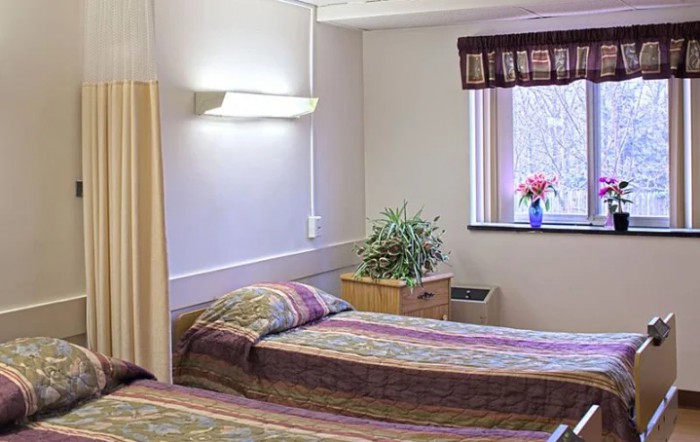
The Sligo Creek Center in Takoma Park, MD is a skilled nursing facility that provides comprehensive care services for individuals in need of assistance with daily living activities. The center offers 24-hour supervision and assistance with bathing, dressing, and transfers to ensure the well-being and safety of its residents.

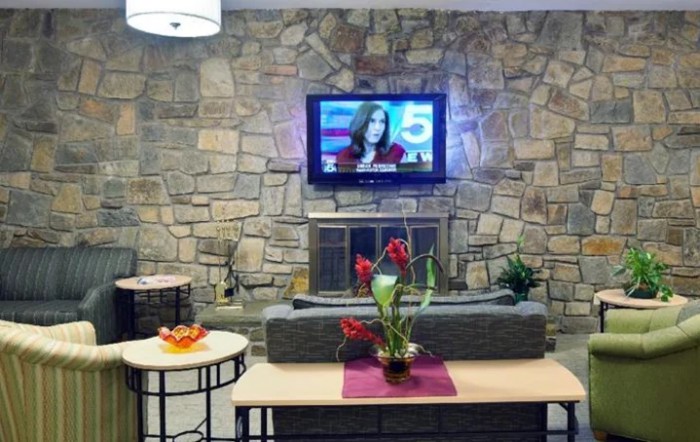
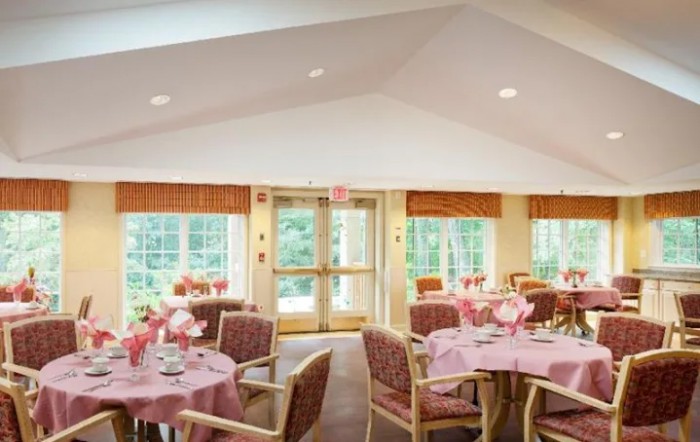
Residents at the Sligo Creek Center can enjoy a range of amenities designed to enhance their comfort and convenience. These include cable or satellite TV, fully furnished accommodations, housekeeping services, and access to Wi-Fi/high-speed internet. The center also features a dining room where nutritious meals are prepared and served according to specific dietary restrictions.

To promote mental wellness and social engagement, the center offers scheduled daily activities for residents to participate in. These activities provide both entertainment and opportunities for socialization within the community. Additionally, the center has move-in coordination services available to assist new residents with a smooth transition into their new home.

Conveniently located in Takoma Park, the Sligo Creek Center benefits from its proximity to various amenities and essential services. Nearby are four cafes where residents can enjoy a cup of coffee or meet friends/family for a meal. There are also five parks for outdoor recreation and relaxation. Pharmacies, physicians' offices, restaurants, transportation options, places of worship, theaters, and hospitals are all easily accessible from the center.

Overall, the Sligo Creek Center offers a supportive environment where individuals can receive top-quality care while enjoying a comfortable living arrangement and access to various amenities and services nearby.

Nearby Places of Interest

This part of Takoma Park, Maryland offers a diverse range of amenities for seniors looking to settle in the area. With multiple pharmacies such as Walgreens and CVS nearby, easy access to healthcare is readily available. There are also several cafes and restaurants within a short distance, providing options for dining out or enjoying a coffee with friends. The proximity to parks like Fort Slocum Park and Rock Creek Park offers opportunities for outdoor recreation and relaxation. Additionally, there are several renowned medical facilities in the vicinity including Holy Cross Hospital and Children's National Medical Center ensuring quality healthcare services. Public transportation is easily accessible with Metro stations nearby making it convenient to travel around the city. Overall, this part of Takoma Park provides a well-rounded environment that caters to the needs and interests of seniors looking for a vibrant community to call home.

Pharmacies

  • Walgreens (0.9 miles)
  • CVS Pharmacy (0.9 miles)
  • CVS Pharmacy (1 miles)
  • CVS Pharmacy (1.7 miles)
  • CVS Pharmacy (1.8 miles)
  • CVS Pharmacy (1.8 miles)
  • Walgreens (2.3 miles)

Cafes

  • Lost Sock Roasters (1.1 miles)
  • Vigilante Coffee (3.8 miles)
  • The Coffee Bar (4.9 miles)
  • Tatte Bakery & Cafe (5 miles)
  • Unconventional Diner (5.4 miles)
  • L Street Coffee (5.4 miles)
  • A Baked Joint (5.6 miles)

Restaurants

  • Denizens Brewing Co. (1.5 miles)
  • Chick-Fil-A (1.7 miles)
  • McDonald's (1.8 miles)
  • McDonald's (4.3 miles)
  • Right Proper Brewing Company (4.7 miles)
  • Garden District (4.9 miles)
  • Jollibee (5 miles)

Parks

  • Fort Slocum Park (1.7 miles)
  • Rock Creek Park (2.8 miles)
  • Chevy Chase Park (3.6 miles)
  • Duvall Playground (4.4 miles)
  • Meridian Hill Park (4.5 miles)
  • S Street Dog Park (5.1 miles)

Physicians

  • Mary's Center (2 miles)
  • Children's National - Main Hospital (3.8 miles)
  • Capitol Medical Group (4.1 miles)
  • One Medical (5.5 miles)
  • Foxhall Pediatrics (5.6 miles)
  • The Centers For Advanced Orthopaedics (5.8 miles)

Places of Worship

  • Christ Congregational Church (2.3 miles)
  • Basilica of the National Shrine of the Immaculate Conception (3.3 miles)
  • College Park United Methodist Church (4.7 miles)

Transportation

  • West Hyattsville Metro Station (2.5 miles)
  • Prince George's Plaza Metro Station (2.7 miles)
  • Forest Glen Metro Station (3.2 miles)
  • Georgia Ave-Petworth Metro Station (3.3 miles)
  • College Park - University of Maryland Metro Station (3.9 miles)
  • Rhode Island Ave - Brentwood Metro Station (4.2 miles)
  • Shaw-Howard University Metro Station (4.8 miles)

Hospitals

  • Holy Cross Hospital (2.9 miles)
  • Medstar Washington Hospital Center (3.7 miles)
  • Children's National Medical Center (3.8 miles)
  • Howard University Hospital (4.6 miles)

Theaters

  • Alamo Drafthouse Cinema DC Bryant Street (4.1 miles)
  • Regal Gallery Place & 4DX (5.8 miles)

Frequently Asked Questions

Where is Sligo Creek Center?
What photos are available for Sligo Creek Center in Takoma Park, Maryland?

Nearby Communities

  • Prince of Peace III

    Prince of Peace III

    Takoma Park, MD

    4.3 from 12 reviews
    $2,500 to $3,000 / month

    pro Attentive, caring staff in a clean, home-like setting with a warm, communal atmosphere.

  • Victory Tower

    Victory Tower

    Takoma Park, MD

    3.6 from 7 reviews
     

    pro Excellent access to amenities and healthcare nearby.

  • Takoma Tower Retirement Ctr

    Takoma Tower Retirement Ctr

    Takoma Park, MD


    pro Excellent access to nearby amenities and services.

  • Adventist Behavioral Health Manor

    Adventist Behavioral Health Manor

    Takoma Park, MD

    1.9 from 103 reviews
     

    pro Furnished living with on-site dining, housekeeping, and ADL support.

  • Compassionate Health Care,  Inc.

    Compassionate Health Care, Inc.

    Takoma Park, MD


    pro Excellent access to dining, green spaces, healthcare, worship, culture, transportation, and nearby hospitals.

  • Automatic Nursing Care-Express

    Automatic Nursing Care-Express

    Takoma Park, MD

    5 from 2 reviews
     

    pro Excellent access to nearby amenities and healthcare

  • Charter House

    Charter House

    Silver Spring, MD

    3.9 from 50 reviews
    $1,026 to $1,800 / month

    pro Affordable pricing, walkable location, and active resident programs

  • Elizabeth House

    Elizabeth House

    Silver Spring, MD

    2.3 from 3 reviews
     

    pro Excellent access to healthcare and nearby amenities.

  • Rainier Manor

    Rainier Manor

    Mount Rainier, MD

    4.5 from 23 reviews
    $1,153 to $1,368 / month

    pro Clean, well-maintained facility with spacious apartments, attentive staff, and a friendly, close-knit community; convenient location with parking and nearby services; pricing is notably affordable for the area.

Related Resources

  • activities of daily livingComprehensive Insights into Activities of Daily Living (ADLs) and Their Assessment

    Activities of Daily Living (ADLs) are fundamental tasks vital for an individual's independence, particularly in older adults over 85, and include functions like bathing and dressing; assessing ADLs alongside Instrumental Activities of Daily Living (IADLs) helps determine the level of required assistance due to age-related health challenges. Tailored support plans, involving family and community resources, are essential for maintaining dignity and autonomy in assisted living environments.

  • does medicare pay for assisted livingMedicare Coverage for Assisted Living: An In-Depth Exploration

    Medicare does not cover assisted living costs, as it focuses on acute medical needs and short-term care, with exceptions for certain medically necessary services like physical therapy. Individuals must explore other options such as Medicaid, veterans' benefits, or long-term care insurance to manage these expenses effectively.

  • assisted living vs nursing homeChoosing the Right Senior Care: A Detailed Exploration of Assisted Living and Nursing Homes

    Choosing between assisted living and nursing homes involves evaluating emotional and financial factors, with assisted living offering independence and support for daily activities at a lower cost, while nursing homes provide intensive medical care for individuals with significant health needs. The decision is influenced by personal preferences, health status, cognitive function, and varying Medicaid coverage across states.