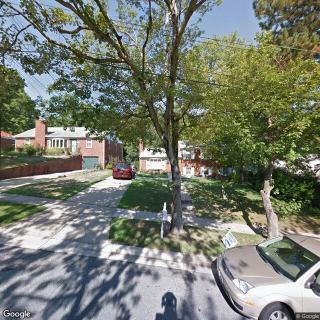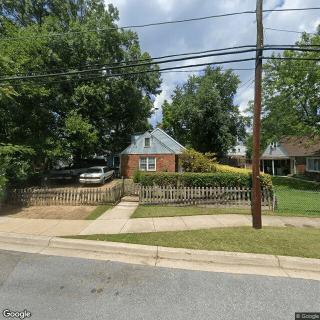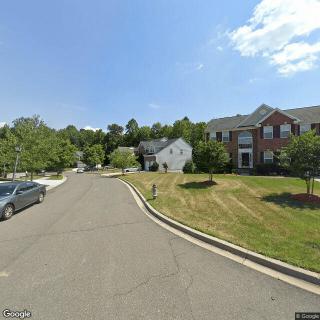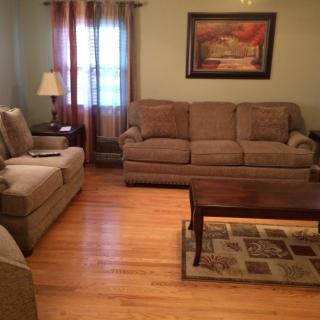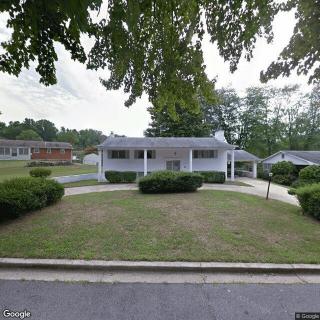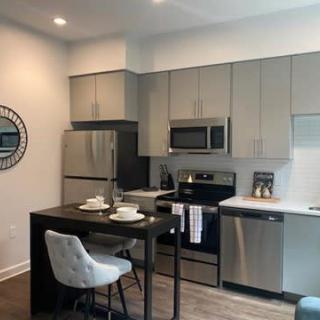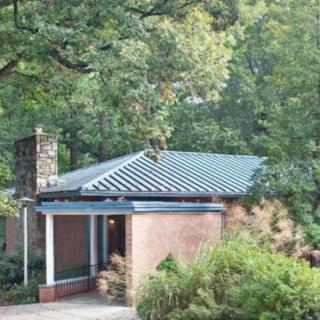
Prince of Peace III in Takoma Park, MD

Save

Prince of Peace III in Takoma Park, MD

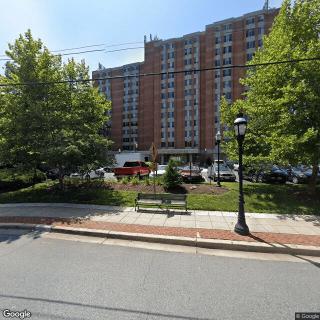
7420 Maple Ave, Takoma Park, MD 20912

For more information about senior living options: (844) 490-3973

4.3 from 12 reviews
5 stars
8
4 stars
1
3 stars
2
2 stars
0
1 stars
1

Assisted Living Board and Care Home Respite Care

Prince of Peace III Costs & Pricing

Prince of Peace III offers competitive pricing for its accommodations, particularly when compared to the broader market in Prince George's County and across Maryland. The facility charges $2,500 per month for semi-private rooms, which is notably lower than the county average of $3,058 and the state average of $3,545. For those seeking more privacy, the cost of a private room at Prince of Peace III is set at $3,000, again presenting a more affordable option compared to the local county price of $3,792 and the state figure of $4,112. This pricing strategy positions Prince of Peace III as an attractive choice for individuals seeking quality care without compromising their budget.

Floor plansPrince of Peace IIIPrince George's CountyMaryland
Semi-Private$2,500$3,058$3,545
Private$3,000$3,792$4,112

Overall Review of Prince of Peace III

Pros

  • pro The staff are very helpful and committed.
  • pro The staff are attentive, caring, and helpful with the logistics of assisted living.
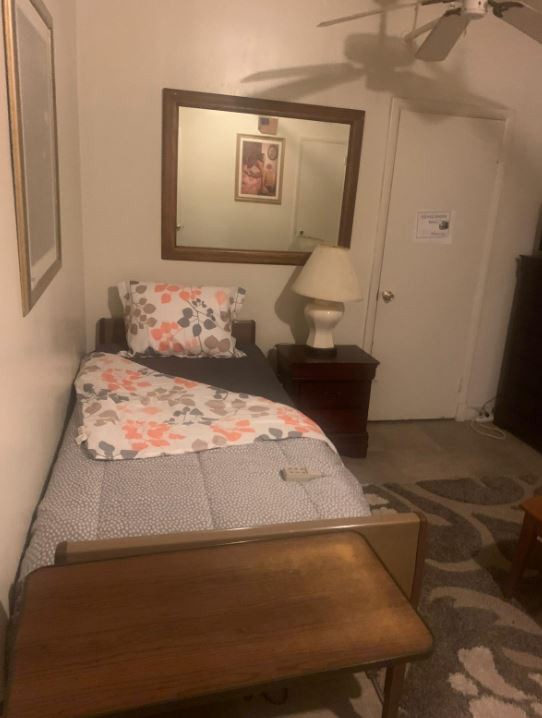
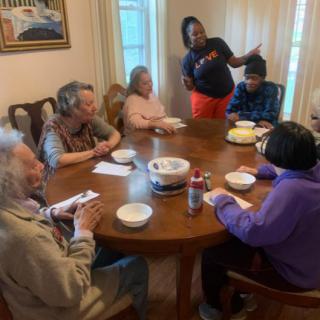
  • pro It is a homey and comfortable environment.
  • pro Families can enjoy peace of mind knowing that residents are well cared for.
  • pro The staff are friendly, helpful, and proactive in reaching out when necessary.
  • pro The facility is clean and meals are well prepared.
  • pro The staff provide close, personal attention to residents.
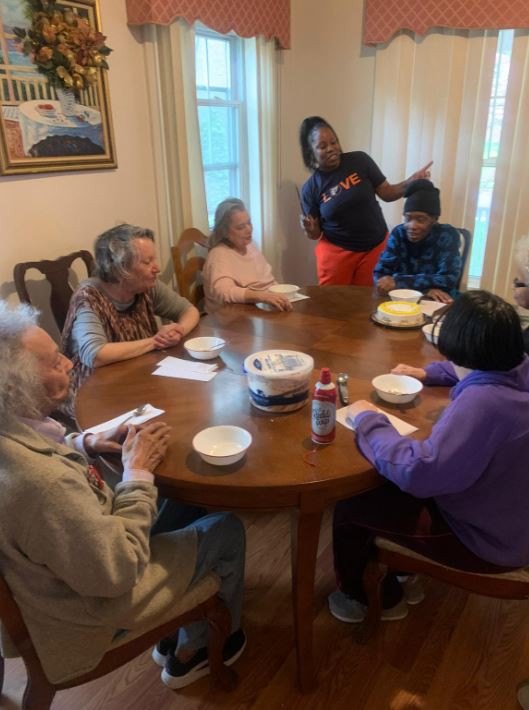
  • pro The communal atmosphere is welcoming and relaxed.
  • pro The staff and owners are amazing, and residents are treated like family.
  • pro The facility is located in a beautiful, vibrant community.

Cons

  • pro The living and dining areas are small, dark, and very depressing.
  • pro There are electrical issues in some bedrooms.
  • pro Meals are not prepared for residents with certain medical conditions, such as high blood pressure.
  • pro There is a lack of daily activities inside and outside, so residents either watch TV or stay in their rooms all day.
  • pro Clothing, shoes, and other personal items go missing, and missing items are often never seen again or return damaged months later.
  • pro Some staff members who seemed to care about the residents have left the facility.
  • pro The atmosphere is dark with low lighting and could be brighter.
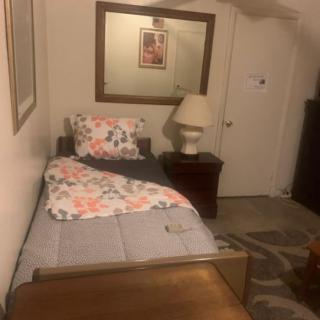
  • pro There are limited bathrooms, and all rooms are double occupancy.
  • pro The facility could use some updates.
  • pro There were residents not in very good condition staying there.
  • pro Occasionally, a resident would enter another resident's room.

Review

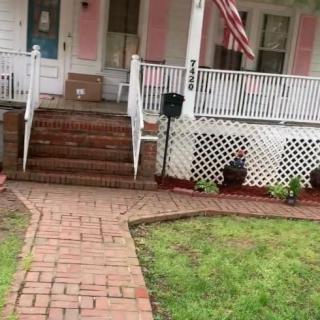
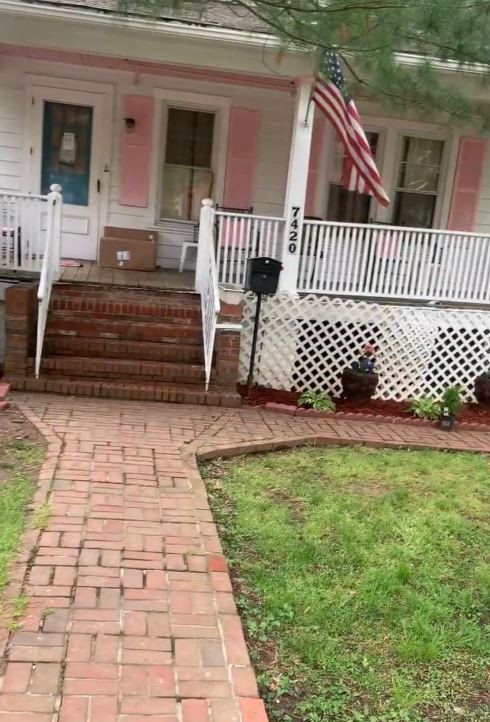
Prince of Peace III in Takoma Park is best suited for families seeking a warm, home-like assisted living where personal attention and a sense of community are the core strengths. The historic, walkable neighborhood, the front-porch vibe, and a staff culture that treats residents like family create a calm, predictable daily life centered on connection and reliable care. For families prioritizing open and frequent communication, peace of mind that caregivers are readily available, and close integration with loved ones' routines, this community is a natural fit. Its location near doctors and Adventist HealthCare Hospital also reinforces its practicality for residents with ongoing medical needs.

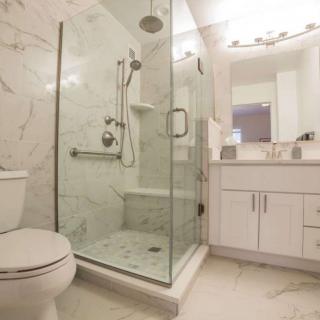
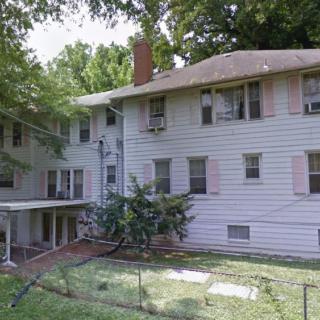
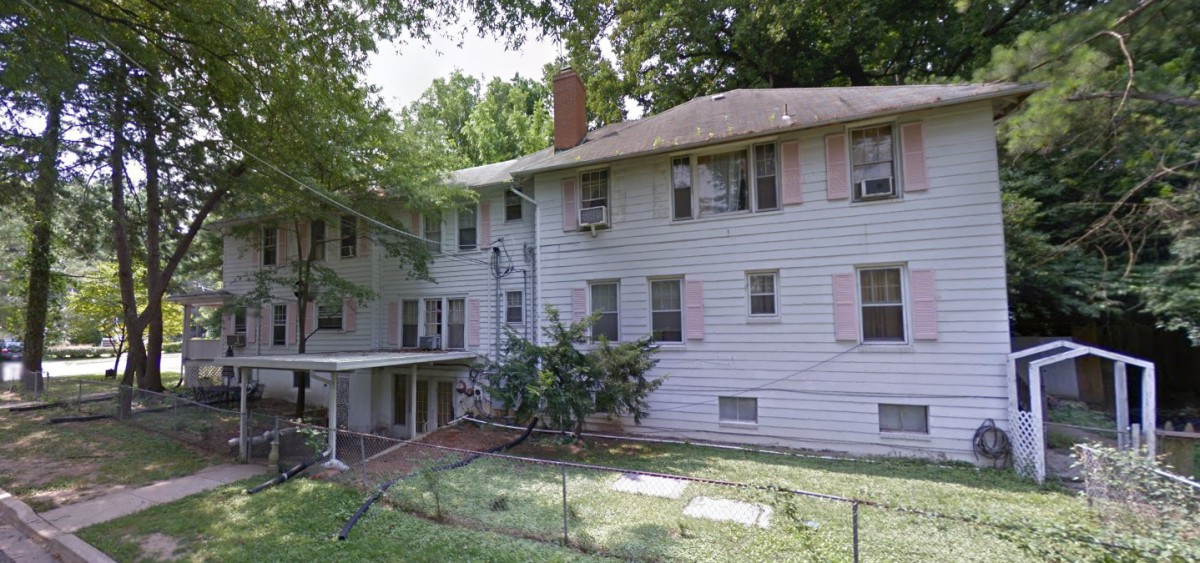
Those considering alternatives should note that Prince of Peace III may feel limited for anyone chasing modern interiors, abundant daylight, and a wide array of high-end amenities. The building is older and the spaces tend to be smaller and darker, with double-occupancy rooms and modest common areas that can feel cramped. Daily programming and social opportunities appear uneven in some reviews, and meals may not consistently accommodate every medical regimen. For families seeking a bright, contemporary environment, highly structured activity calendars, or a facility with more explicit memory-care infrastructure, other options will likely be a better match.

The strongest positives center on the people. Owners and staff are repeatedly praised for being attentive, caring, and genuinely engaged in residents' well-being. The care feels personal, with a clear emphasis on a true partnership with families - regular updates, accessible communication, and a hands-on approach to daily logistics. Cleanliness is consistently noted, meals are described as well prepared, and the overall communal atmosphere supports approachable, neighborly interactions. The sense that staff know residents well and treat them with warmth provides a practical form of reassurance that can outweigh other shortcomings.

On the other hand, space and ambient atmosphere are notable drawbacks. The dining and living areas can feel small and dim, which can dampen mood and limit opportunities for social engagement beyond TV or rooms. Some bedrooms report electrical issues, and the age of the building translates into limited bathrooms and older infrastructure. Activity offerings appear not as robust as in larger communities, leaving some residents with fewer structured daily options. There are also concerns - reported by some families - about missing personal items and turnovers among caregivers that can briefly disrupt continuity. While not universal, these elements color the day-to-day experience and deserve consideration.

Nevertheless, the positives offset the drawbacks in meaningful ways for the right family. The core benefit is the dependable, intimate care model: a staff-driven culture that keeps families in the loop and keeps the resident's routines stable. The neighborhood setting and the home-like environment cultivate meaningful social contact with neighbors, visitors, and fellow residents, which can be harder to achieve in bigger campuses. When affordability matters, the combination of attentive care and location?advantage - along with the reassurance of ongoing caregiver engagement - makes Prince of Peace III a compelling choice for those who value peace of mind over polish.

Bottom line: Prince of Peace III is a solid fit for families prioritizing warmth, constant caregiver engagement, and a low-stress daily rhythm in a neighborhood-centered setting. It is less well suited for those who demand bright, modern interiors, a sprawling activity calendar, or a highly structured memory-care setup. Prospective residents should visit with specific questions about room configurations, daily programming, and safety practices around personal items; observe interactions with staff and residents; and assess whether the pace, tone, and environment align with the loved one's personality and medical needs. When alignment exists, this community offers a dependable, reassuring home that many families will value highly.

Features

Housing

  • 10 resident community capacity 10 resident community capacity

Types of Care

  • Assisted Living Assisted LivingAssisted living facilities provide crucial support and care for seniors who may need help with daily tasks such as medication management, bathing, and meal preparation. These communities offer a safe and comfortable environment where seniors can maintain their independence while receiving the assistance they need to thrive in their golden years.
  • Board and Care Home Board and Care HomeBoard and care homes provide a smaller, more intimate setting for seniors who require assistance with daily tasks but do not need the level of care offered by a nursing home. They offer personalized care, meals, and social activities in a homelike environment, ensuring that seniors receive individualized attention and support in their golden years.
  • Respite Care Respite CareRespite care provides temporary relief for caregivers, allowing them to recharge and attend to their own needs. It also gives seniors the opportunity to socialize, receive professional care, and experience a change of scenery, promoting overall well-being and reducing feelings of isolation.

Amenities

  • Cable or satellite TV Cable or satellite TVCable or satellite TV is important for seniors because it provides entertainment, news, and companionship, helping to combat loneliness and boredom. It also offers a wide range of programming options tailored to different interests and preferences.
  • Dining room Dining roomDining rooms are important for seniors as they provide a space for socialization, connection, and nutritious meals. They offer opportunities for residents to bond over shared meals, foster a sense of community, and promote healthy eating habits. Dining rooms also ensure that seniors have access to well-balanced meals tailored to their dietary needs and preferences.
  • Fully furnished Fully furnishedFully furnished senior living communities are important for seniors because they provide convenience, comfort, and a hassle-free moving experience. Seniors can easily settle into their new living space without the stress of having to buy and move furniture. This allows them to focus on enjoying their new home and community.
  • Garden GardenGardens are important for seniors as they provide a peaceful and therapeutic environment for relaxation, physical activity, and socialization. Being in nature has been shown to reduce stress, improve mood, and promote overall well-being. Gardens also offer opportunities for seniors to engage in gardening activities, which can improve mobility, flexibility, and cognitive function. Additionally, gardens create a sense of community and connection with others who share a passion for plants and outdoor spaces.
  • Housekeeping services Housekeeping servicesHousekeeping services are important for seniors because they help maintain a clean and safe living environment, promote independence, and reduce the risk of accidents or illnesses. Additionally, having assistance with household chores can alleviate physical strain and allow seniors to focus on other aspects of their well-being.
  • Move-in coordination Move-in coordinationMove-in coordination is important for seniors because it helps ease the transition into their new living environment. It ensures that all logistics, such as packing, organizing movers, and setting up utilities are taken care of, allowing seniors to focus on settling in and adjusting to their new home. Having a smooth move-in process can alleviate stress and anxiety, making the transition smoother and more enjoyable for seniors.
  • Outdoor space Outdoor spaceOutdoor spaces are important for seniors as they provide opportunities for physical activity, social interaction, exposure to natural light and fresh air, and a sense of connection to nature. Having access to outdoor spaces can improve overall well-being and quality of life for older adults living in senior communities.
  • Private PrivatePrivacy is important for seniors as it allows them to maintain their independence, dignity, and sense of control over their own lives. It also gives them the space and freedom to relax, reflect, and engage in activities that bring them joy and fulfillment. Creating private spaces within senior living facilities is crucial for promoting overall well-being and quality of life.
  • Telephone TelephoneTelephones are important for seniors as they provide a lifeline for communication with loved ones, emergency services, and healthcare providers. They offer a sense of security and independence, enabling seniors to stay connected and access assistance when needed.
  • Wi-Fi/high-speed internet available Wi-Fi/high-speed internet availableWi-Fi/high-speed internet is important for seniors to stay connected with loved ones, access online resources, and participate in virtual activities to combat feelings of loneliness and isolation. It also allows them to easily manage healthcare needs, access entertainment, and engage in lifelong learning opportunities.

Transportation

  • Ronald Reagan Washington National (9 miles away) Ronald Reagan Washington National (9 miles away)
  • Baltimore-Washington International (23 miles away) Baltimore-Washington International (23 miles away)
  • Washington Dulles International (24 miles away) Washington Dulles International (24 miles away)

Care Services

  • 24-hour supervision 24-hour supervision24-hour supervision is important for seniors to ensure their safety, well-being, and access to immediate assistance in case of emergencies or health issues. This constant support provides peace of mind for both seniors and their loved ones, allowing them to age in place with dignity and security.
  • Activities of daily living assistance Activities of daily living assistanceActivities of daily living assistance are important for seniors because they provide essential support with tasks such as eating, bathing, dressing, and mobility. This assistance helps seniors maintain their independence, dignity, and overall quality of life as they age.
  • Assistance with bathing Assistance with bathingAssistance with bathing is crucial for seniors as it helps maintain personal hygiene, prevents infections, and ensures their overall well-being and comfort. It also provides a sense of dignity and independence for seniors who may struggle with this task on their own.
  • Assistance with dressing Assistance with dressingAssistance with dressing is important for seniors because it helps maintain their independence, promotes personal hygiene, prevents accidents and injuries, and improves overall quality of life. This service ensures that seniors can continue to dress comfortably and confidently, despite any physical limitations they may have.
  • Assistance with transfers Assistance with transfersAssistance with transfers is crucial for seniors as it helps prevent falls and injuries, maintains their independence, and ensures they can safely navigate their living environment. It also provides peace of mind for both seniors and their loved ones.
  • Coordination with health care providers Coordination with health care providersCoordination with health care providers is crucial for seniors to ensure proper medical care, medication management, and overall well-being. This collaboration helps prevent overlapping treatments, track progress more effectively, and provide comprehensive support tailored to individual needs.
  • Diabetes diet Diabetes dietA diabetes diet is crucial for seniors as it helps manage blood sugar levels, reduce risks of complications, and improve overall health and well-being. By following a balanced and nutritious diet tailored to their specific needs, seniors can better control their diabetes and enhance their quality of life.
  • Meal preparation and service Meal preparation and serviceMeal preparation and service are crucial for seniors as they may have limited mobility or energy to cook nutritious meals. Having access to healthy and convenient food options can ensure they are getting the proper nutrition needed to maintain their overall health and well-being.
  • Medication management Medication managementMedication management is crucial for seniors to ensure they are taking the right medications at the correct dosages and times. This helps prevent adverse drug interactions, reduces the risk of medication errors, and promotes overall health and well-being. Proactive management also allows for adjustments as needed based on changing health conditions or new prescriptions.
  • Special dietary restrictions Special dietary restrictionsSpecial dietary restrictions are important for seniors because age-related changes in metabolism and health conditions can make it difficult for their bodies to process certain foods. By following a diet tailored to their specific needs, seniors can maintain their overall health and well-being, manage chronic conditions, and reduce the risk of complications such as malnutrition or food interactions with medications.
  • Transportation arrangement (medical) Transportation arrangement (medical)Transportation arrangements for medical purposes are essential for seniors as they may have difficulty driving themselves to appointments or accessing public transportation. Having reliable and safe transportation options ensures that seniors can receive timely medical care and maintain their health and well-being.
  • Transportation to doctors appointments Transportation to doctors appointmentsTransportation to doctors' appointments is crucial for seniors as it ensures they have access to necessary medical care and support for their health needs. Without reliable transportation, seniors may struggle to attend important appointments, leading to potential delays in treatment and health complications. Providing transportation services helps seniors maintain their overall well-being and quality of life.
Dining

  • Diabetes diet Diabetes dietA diabetes diet is crucial for seniors as it helps manage blood sugar levels, reduce risks of complications, and improve overall health and well-being. By following a balanced and nutritious diet tailored to their specific needs, seniors can better control their diabetes and enhance their quality of life.
  • Special dietary restrictions Special dietary restrictionsSpecial dietary restrictions are important for seniors because age-related changes in metabolism and health conditions can make it difficult for their bodies to process certain foods. By following a diet tailored to their specific needs, seniors can maintain their overall health and well-being, manage chronic conditions, and reduce the risk of complications such as malnutrition or food interactions with medications.

Activities

  • Community-sponsored activities Community-sponsored activitiesCommunity-sponsored activities are important for seniors as they provide opportunities for social interaction, mental stimulation, and physical activity. These activities can help improve overall well-being, combat loneliness and isolation, and promote a sense of belonging and purpose among older adults.
  • Scheduled daily activities Scheduled daily activitiesScheduled daily activities are important for seniors because they provide structure, socialization, mental stimulation, and physical activity. Engaging in regular activities can improve overall well-being and quality of life for seniors living in a community setting.

Description

Prince of Peace III is an exceptional assisted living community conveniently located in the peaceful neighborhood of Takoma Park, MD. Our well-equipped and comfortable facility is surrounded by numerous amenities to cater to the diverse needs and preferences of our residents.

The local area boasts a vibrant café scene, with four cafes just a stone's throw away from our community. Residents can enjoy a fresh cup of coffee or relax over a delicious meal in these cozy establishments.

For those seeking outdoor recreation, there are six beautiful parks within close proximity. These green spaces provide an ideal setting for leisurely walks, picnics, or simply basking in nature's tranquility.

Ensuring easy access to essential healthcare services, there are 23 pharmacies nearby along with three physicians readily available for prompt medical attention. This accessibility offers peace of mind and convenience to our residents and their families.

Culinary enthusiasts will appreciate the abundance of dining options near Prince of Peace III, with 11 restaurants offering a diverse range of cuisines. Whether craving international flavors or local favorites, residents can have fulfilling dining experiences in these culinary hotspots.

Transportation options are aplenty with nine transportation facilities nearby. This allows our residents to easily explore the surrounding areas or travel for appointments and social engagements without any hassle.

Providing spiritual support and serenity, two places of worship are located conveniently close to our community. Residents can foster their faith and engage in religious activities with ease.

Entertainment enthusiasts will delight in having a theater nearby where they can enjoy movies, live performances, or cultural events regularly. The opportunities for cultural enrichment and recreation are abundant for our residents at Prince of Peace III.

Lastly, we prioritize the health and well-being of our residents by ensuring that there are four hospitals nearby for timely medical assistance if needed. This proximity ensures comprehensive care throughout our residents' stay at our assisted living community.

At Prince of Peace III in Takoma Park, MD, we provide a nurturing and vibrant environment where our residents can thrive. With an array of nearby amenities, we strive to create a comfortable and enriching assisted living experience for all.

Nearby Places of Interest

Located in Takoma Park, Maryland, this neighborhood offers convenient access to a variety of amenities suitable for senior living. With multiple pharmacies such as CVS and Walgreens within a short distance, residents have easy access to healthcare services and medications. There are also several cafes and restaurants nearby offering a range of dining options for seniors looking to enjoy a meal out. For those seeking outdoor recreation, the neighborhood is close to parks like Fort Slocum Park and Rock Creek Park. Additionally, there are reputable physician offices and hospitals in the area including Mary's Center and Holy Cross Hospital for any medical needs. Transportation options are abundant with several Metro stations nearby for easy access to other parts of the city. Overall, this neighborhood provides a well-rounded and convenient living environment for seniors in Takoma Park.

Pharmacies

  • CVS Pharmacy (0.5 miles)
  • CVS Pharmacy (1.2 miles)
  • CVS Pharmacy (1.4 miles)
  • Walgreens (1.4 miles)
  • CVS Pharmacy (1.5 miles)
  • CVS Pharmacy (2 miles)
  • CVS Pharmacy (2.1 miles)

Cafes

  • Lost Sock Roasters (0.6 miles)
  • Vigilante Coffee (4.2 miles)
  • Tatte Bakery & Cafe (4.4 miles)
  • The Coffee Bar (4.7 miles)
  • Unconventional Diner (5.2 miles)
  • L Street Coffee (5.3 miles)
  • Starbucks (5.3 miles)

Restaurants

  • Denizens Brewing Co. (1 miles)
  • McDonald's (1.4 miles)
  • Chick-Fil-A (1.7 miles)
  • Right Proper Brewing Company (4.5 miles)
  • McDonald's (4.6 miles)
  • Cactus Cantina (4.6 miles)
  • Jollibee (4.7 miles)

Parks

  • Fort Slocum Park (1.4 miles)
  • Rock Creek Park (2.3 miles)
  • Chevy Chase Park (3 miles)
  • Meridian Hill Park (4.2 miles)
  • S Street Dog Park (4.8 miles)
  • Duvall Playground (5 miles)

Physicians

  • Mary's Center (1.9 miles)
  • Capitol Medical Group (3.6 miles)
  • Children's National - Main Hospital (3.7 miles)
  • Foxhall Pediatrics (5.1 miles)
  • One Medical (5.3 miles)
  • The Centers For Advanced Orthopaedics (5.5 miles)
  • One Medical (5.7 miles)

Places of Worship

  • Christ Congregational Church (2.2 miles)
  • Basilica of the National Shrine of the Immaculate Conception (3.3 miles)
  • College Park United Methodist Church (5.2 miles)

Hospitals

  • Holy Cross Hospital (2.7 miles)
  • Medstar Washington Hospital Center (3.6 miles)
  • Children's National Medical Center (3.7 miles)
  • Howard University Hospital (4.4 miles)

Transportation

  • West Hyattsville Metro Station (2.8 miles)
  • Forest Glen Metro Station (2.9 miles)
  • Georgia Ave-Petworth Metro Station (3.1 miles)
  • Prince George's Plaza Metro Station (3.1 miles)
  • Rhode Island Ave - Brentwood Metro Station (4.2 miles)
  • College Park - University of Maryland Metro Station (4.5 miles)
  • Bethesda Metro Station (4.5 miles)

Theaters

  • Alamo Drafthouse Cinema DC Bryant Street (4.1 miles)
  • Regal Gallery Place & 4DX (5.7 miles)

Frequently Asked Questions

How much does it cost to live at Prince of Peace III in Takoma Park, MD?
Where is Prince of Peace III?
What photos are available for Prince of Peace III in Takoma Park, Maryland?

Nearby Communities

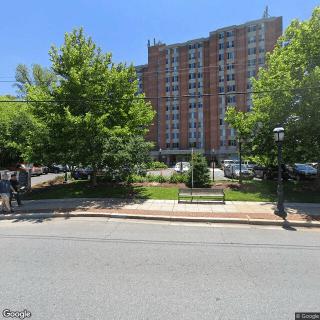
  • Victory Tower

    Victory Tower

    Takoma Park, MD


    pro Excellent access to amenities and healthcare nearby.

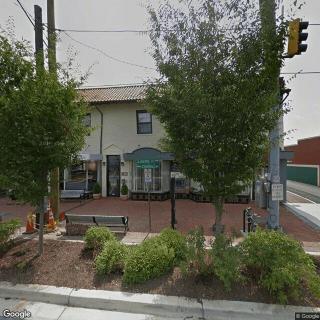
  • Takoma Tower Retirement Ctr

    Takoma Tower Retirement Ctr

    Takoma Park, MD


    pro Excellent access to nearby amenities and services.

  • Compassionate Health Care,  Inc.

    Compassionate Health Care, Inc.

    Takoma Park, MD


    pro Excellent access to dining, green spaces, healthcare, worship, culture, transportation, and nearby hospitals.

  • Keliz Health Services

    Keliz Health Services

    Washington, DC


    pro Extensive nearby amenities and healthcare access

  • Entwine Apartments

    Entwine Apartments

    Washington, DC

     
    $1,250 to $1,920 / month

    pro Affordable 55+ assisted living in DC with pet-friendly policy and nearby amenities.

  • Sligo Creek Center

    Sligo Creek Center

    Takoma Park, MD


    pro Small, personalized SNF with 24-hour supervision, comprehensive daily living support, and on-site amenities.

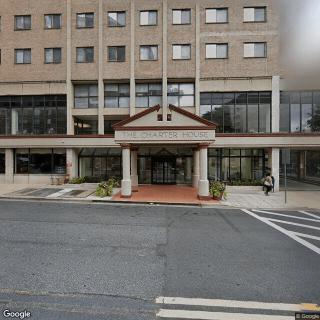
  • Charter House

    Charter House

    Silver Spring, MD

    3.9 from 50 reviews
    $1,026 to $1,800 / month

    pro Affordable pricing, walkable location, and active resident programs

  • Elizabeth House

    Elizabeth House

    Silver Spring, MD


    pro Excellent access to healthcare and nearby amenities.

  • Knollwood Military Retirement Community

    Knollwood Military Retirement Community

    Washington, DC


    pro Continuum of care (CCRC) with independent living, memory care, and respite care; 24-hour supervision and medication management.

Related Resources

  • assisted living activitiesBeyond the Bingo Hall: 50+ Enriching Activities for Seniors in Assisted Living

    Assisted living communities offer diverse activities beyond traditional games to enhance seniors' physical health, cognitive well-being, emotional enrichment, and social connections, including fitness classes, creative expression, and intergenerational interactions. These enriching programs foster community bonds and support residents' independence and happiness.

  • assisted living vs memory careUnderstanding the Distinctions: Assisted Living and Memory Care Explained
    The article differentiates between assisted living and memory care, explaining that assisted living supports seniors with daily activities while promoting independence, whereas memory care provides specialized services for individuals with dementia, focusing on secure environments and cognitive support. It also addresses staff training, safety considerations, costs, family involvement, and transition strategies for families navigating these care options.

  • elderly parent refuses assisted livingGuiding Elderly Parents Who Refuse Assisted Living: 6 Practical Steps
    Family caregivers face emotional, legal, and practical challenges when elderly parents refuse assisted living, often due to fears of losing autonomy. Open conversations and professional assessments can help address these concerns while exploring alternatives and ensuring safety, potentially leading to legal guardianship if necessary.