For more information about senior living options: (866) 208-4318
3.5 from 60 reviews
5 stars
31
4 stars
6
3 stars
2
2 stars
1
1 stars
20
Overall Review of Windsor Health And Rehabilitation Center
caveat8 reviews mention this
Staffing and call-bell responsiveness vary
Several residents and families report missed calls, delayed responses, and short staffing.
Across multiple reviews, families describe difficulty reaching staff by phone and waiting longer than expected for help. Others mention that the in-room assistance button didn’t work, or that nurse-call responses weren’t timely. A few reviewers also connect understaffing to safety concerns like falls, choking, or needing help with basic care. Even when care is described as kind at times, these responsiveness issues are a recurring complaint.
common3 reviews mention this
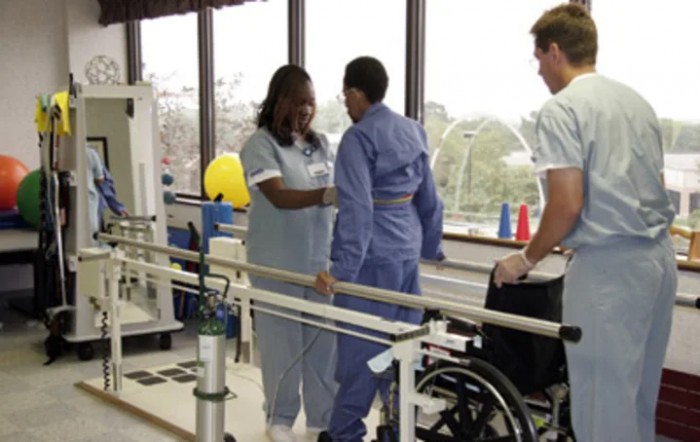
Therapy teams help residents regain strength
Residents and families frequently mention PT and OT support for recovery.
Reviews regularly point to PT and OT as part of the rehab experience, especially for getting stronger after hospital discharge. Families describe therapy teams as attentive and effective, with one review calling out the role of PT/OT in improving mobility. Another reviewer highlights a physical therapy team that encouraged participation during therapy sessions.
common3 reviews mention this
Social workers are a key support
Social workers are repeatedly praised for coordination and communication.
Several reviews single out social workers for helping families through care transitions. One reviewer credits a social worker with crucial discharge planning and ongoing check-ins with the family. Others describe support that included coordinating care and helping with next steps for ongoing needs.
caveat5 reviews mention this
Dining quality is mixed
Dining is sometimes praised, but other reviews call the food poor.
A few reviews say residents enjoyed the meals or that the food was a positive part of the stay. Others describe very poor food quality or that the dining experience didn’t match dietary needs. There are also comments suggesting food issues contributed to dissatisfaction even when other parts of care were described positively.
common6 reviews mention this
The building is described as clean
Many reviews describe the facility as clean and well kept.
Multiple reviewers mention cleanliness, professional appearance, and a generally well-maintained environment. Some include specific impressions like the facility looking clean and smelling good, or improvements after ownership changes. A minority of comments go the other way, describing the facility as not updated or still in need of renovation.
How we summarize
Counts show how many written reviews mention each theme; a review can touch several themes, and only frequently mentioned themes are displayed.
Features
Housing
108 resident community capacity
Types of Care
Skilled Nursing Facility
Amenities
Air-conditioning
Beauty salon
Cable or satellite TV
Computer center
Dining room
Fitness room
Fully furnished
Gaming room
Garden
Housekeeping services
Kitchenette
Move-in coordination
Outdoor space
Private bathrooms
Restaurant-style dining
Small library
Telephone
Wellness center
Wi-Fi/high-speed internet available
Transportation
Bradley International (5 miles away)
Community operated transportation
Transportation arrangement
Transportation arrangement (non-medical)
Transportation to doctors appointments
Care Services
12-16 hour nursing
24-hour call system
24-hour supervision
Activities of daily living assistance
Assistance with bathing
Assistance with dressing
Assistance with transfers
Diabetes diet
Meal preparation and service
Medication management
Mental wellness program
Special dietary restrictions
Dining
Diabetes diet
Special dietary restrictions
Activities
Community-sponsored activities
Concierge services
Fitness programs
Planned day trips
Resident-run activities
Scheduled daily activities
Nearby Places of Interest
Restaurants
McDonald's (1.1 miles)
Tunxis Grill & Pizzeria (2.3 miles)
Bear's Smokehouse Barbecue (3.2 miles)
Popeyes Louisiana Kitchen (3.6 miles)
Skyline Restaurant (3.7 miles)
Revolutions (3.7 miles)
Bobby V's Restaurant & Sports Bar (3.9 miles)
Pharmacies
CVS Pharmacy (1.5 miles)
CVS Pharmacy (3.4 miles)
Walgreens (4.2 miles)
CVS Pharmacy (4.5 miles)
Walmart Pharmacy (4.6 miles)
CVS Pharmacy (4.6 miles)
Walgreens (4.7 miles)
Physicians
Connecticut Maxillofacial Surgeons (2.4 miles)
Jennifer W. Pennoyer, MD (4.8 miles)
Physical Medicine and Rehabilitation of Hartford (4.8 miles)
Starling Physicians (4.9 miles)
Ognjenka Nadazdin-Boskovic, MD (6.1 miles)
Village For Families & Children (6.3 miles)
Connecticut Eye Physician and Surgeons (6.3 miles)
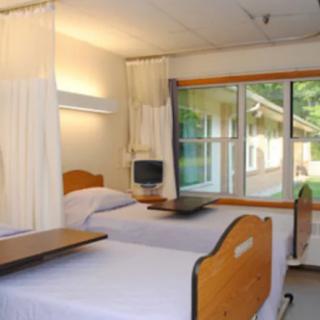
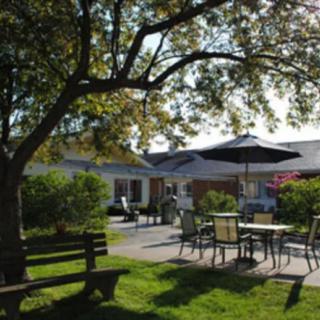
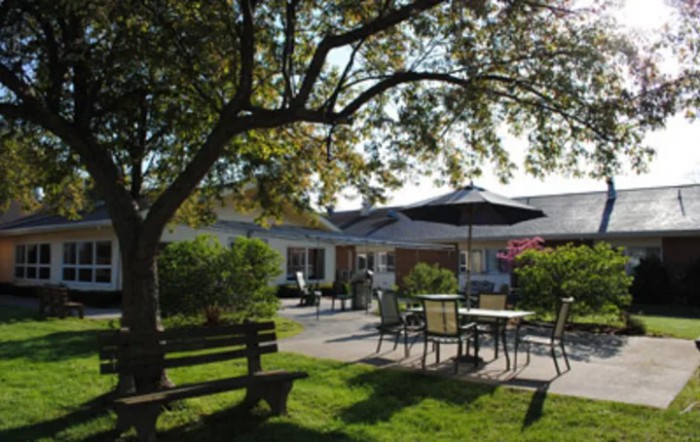
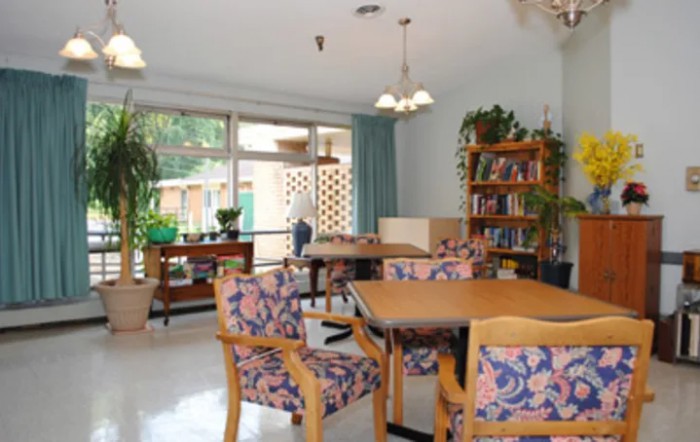
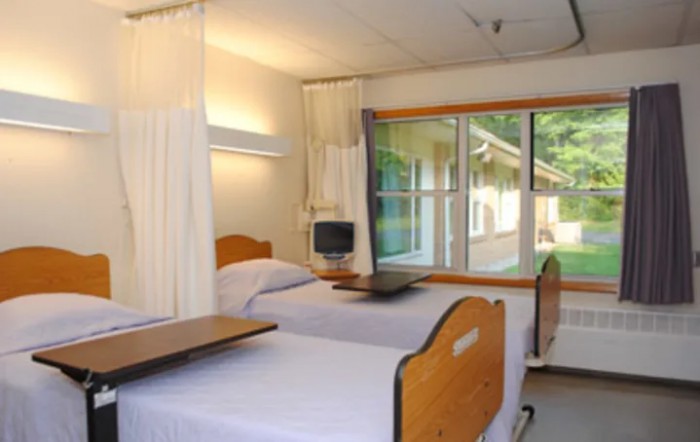
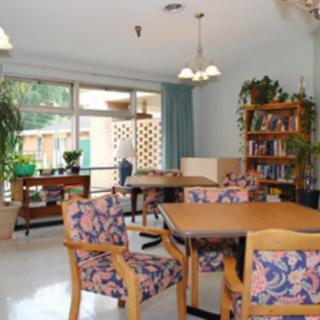
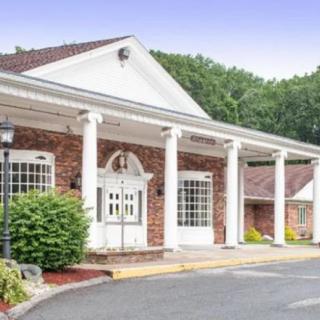
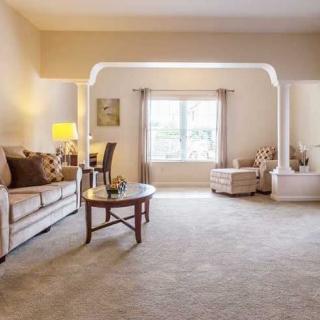
Windsor Health And Rehabilitation Center on seniors.fyi includes 5 photos including images showing windows, rehabilitation, interior, physical therapy, wheelchair, healthcare, television, outdoor, and more.
Nearby Communities
Delamere Woods
Windsor, CT
4.4 from 8 reviews
$1,295 to $1,595 / month
Warm, welcoming community with ample amenities and attentive staff.
Homewatch Caregivers of Windsor
Windsor, CT
4.3 from 24 reviews
Strong access to nearby healthcare (pharmacies and physician) along with multiple dining and transportation options.
Kimberly Hall
Windsor, CT
2.3 from 3 reviews
$7,680 to $8,730 / month
Clean, well-staffed facility with a secure unit for Alzheimer's/dementia and effective rehabilitation services.
Stonebrook Village at Windsor Locks
Windsor Locks, CT
4.2 from 94 reviews
$4,125 to $5,500 / month
Caring staff with well-maintained, spacious apartments and engaging activities.
The Homeaides, LLC
Windsor, CT
4.1 from 93 reviews
Convenient access to healthcare, dining, and transportation in a tranquil Windsor setting.
Seabury
Bloomfield, CT
4.2 from 102 reviews
$3,100 to $4,000 / month
Strong rehab services and friendly, attentive aides in a clean setting.
Evergreen Crossings Retirement Community
South Windsor, CT
4.7 from 57 reviews
$3,568 to $5,043 / month
Warm, welcoming staff and a strong sense of community with engaging activities.
Brookdale West Hartford
West Hartford, CT
4.2 from 61 reviews
$3,855 to $6,670 / month
Friendly, knowledgeable staff in a clean, engaging community with varied activities and on-site dining.
Duncaster
Bloomfield, CT
4.9 from 22 reviews
Clean, scenic campus with friendly, well-trained staff and multiple care levels.
Linda's caregiving journey for her elderly mother, Joan, is marked by deep love and challenges as she navigates health changes, emotional support, and practical arrangements while learning to prioritize self-care and utilize community resources. Their evolving relationship highlights resilience and the universal themes of empathy and preparedness in caregiver experiences.
The article clarifies common misconceptions about Powers of Attorney (POA), highlighting the necessity of the principal's consent, the limitations on an agent's authority, and the importance of mental capacity when signing. It also distinguishes between various types of POAs, addresses concerns about potential abuse, and emphasizes the need for legal consultation to ensure valid and up-to-date documents.
Senior move management provides specialized support for older adults relocating by assisting with logistics, emotional challenges, and downsizing decisions to ensure a smooth transition to new living environments. These services address the unique needs of seniors and have become increasingly important as baby boomers retire and seek to downsize.
Get PricingAsk A QuestionSchedule A TourContact Senior Advisor
By clicking submit, you agree to our Partner's Terms of Use. You
also consent to receive calls and texts, which may be autodialed, from our Partner. Your consent is not a condition to
using our Partner's service. Please visit our Partner's Privacy Policy for information about their privacy practices.


 108 resident community capacity
 Skilled Nursing Facility
 Air-conditioning
 Beauty salon
 Cable or satellite TV
 Computer center
 Dining room
 Fitness room
 Fully furnished
 Gaming room
 Garden
 Housekeeping services
 Kitchenette
 Move-in coordination
 Outdoor space
 Private bathrooms
 Restaurant-style dining
 Small library
 Telephone
 Wellness center
 Wi-Fi/high-speed internet available
 Bradley International (5 miles away)
 Community operated transportation
 12-16 hour nursing
 24-hour call system
 Activities of daily living assistance
 Assistance with bathing
 Assistance with dressing
 Assistance with transfers
 Diabetes diet
 Medication management
 Mental wellness program
 Special dietary restrictions
 Concierge services
 Planned day trips
 Warm, welcoming community with ample amenities and attentive staff.
 Nurturing Our Elders: Linda's Journey of Supporting Her Mother
 A Comprehensive Exploration of Common Misunderstandings about Powers of Attorney
 Senior Move Management: Understanding the Role, Value, and Associated Costs