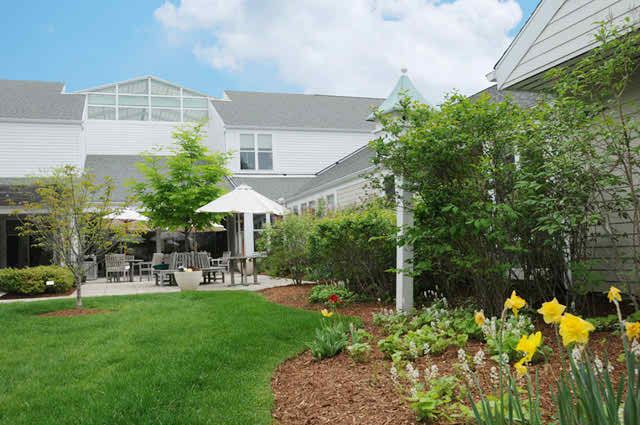
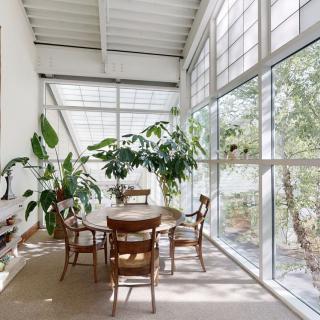
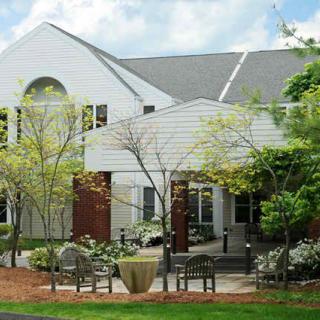
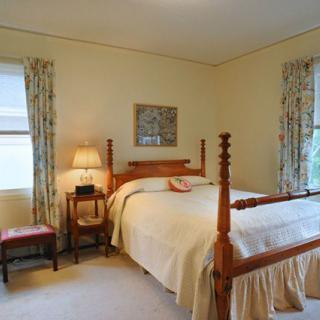
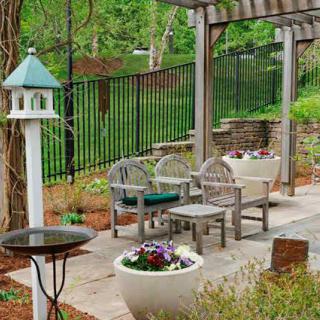
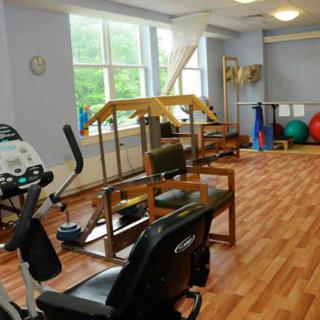
40 Loeffler Road, Bloomfield, CT 06002
For more information about senior living options: (866) 208-4318
Overall Review of Duncaster
Pros
 Duncaster is a great place to live.
- Duncaster provides residents with a completely satisfactory, fulfilling environment and takes care of families, so they are well cared for.
- Residents can participate at any level they feel comfortable with and still enjoy all aspects of life at Duncaster.
- The community name evokes a Scotland-inspired charm.
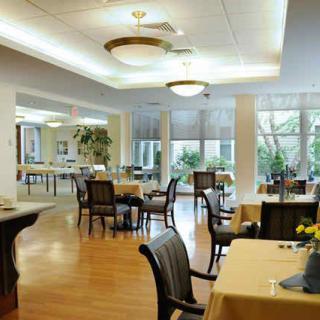
- The dining options are varied and enjoyable.
- Duncaster is a very nice place for older adults.
- It has top-notch SNF and ICF in CT, with great staff and condo-style living, and there’s always something to do.
- Duncaster features an on-site medical facility with a doctor.
- It offers multiple levels of care, from non-assisted living to 24/7 specialized nursing, making it a self-contained 65+ community.
- Activity directors keep the environment stimulating for residents.
- It has excellent, friendly staff.
- Duncaster accommodates both independent living and assisted living.
- Duncaster is an extremely nice community.
Cons
 The staff at Duncaster seemed overworked and did not pay enough attention to residents and visitors.
- The staff appeared too busy to give guests a proper tour around the facility.
- One reviewer was not impressed at all with the overall experience.
- The facility was not convenient for walking anywhere.
- The only routine aspect of the facility appeared to be the healthcare provided to residents.
Review
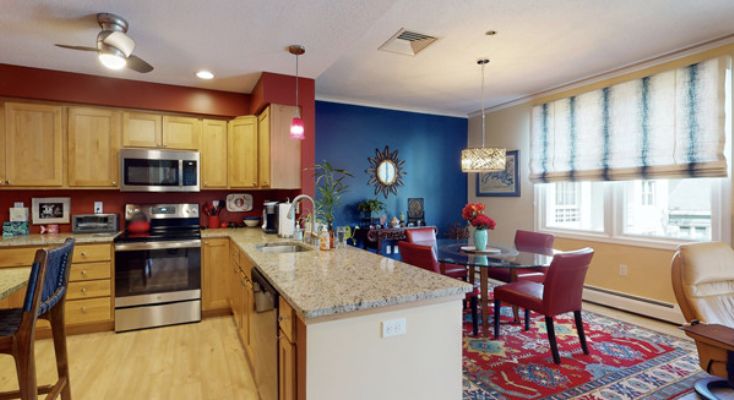
Duncaster is best suited for active, independent-minded seniors who want a self-contained campus where autonomy is respected but care is readily available as needs evolve. It works particularly well for couples and individuals who prefer condo-style living on a hilltop setting, with robust social programming, varied activities, and the presence of on-site medical oversight. The environment invites involvement through resident committees and volunteer opportunities, which helps maintain purpose and connection even as routines shift. The value lies in aging in place with a clear path to increased support, making it a strong fit for those who fear losing independence yet want a dependable plan if health needs worsen.
Those who may want to consider alternatives are those who prize easy pedestrian access and straightforward, walkable access to shops or neighborhood amenities. Duncaster emphasizes campus mobility, including transportation options, but walking around the grounds is not as seamless as some may expect. Some experiences hint at staffing pressures, careful, capable professionals who are stretched at peak times, which can translate into moments of slower attention. For residents who require consistently uninterrupted, highly attentive service, or who prefer a single-level, traditional assisted-living experience with minimal transit reliance, exploring other options may be prudent.
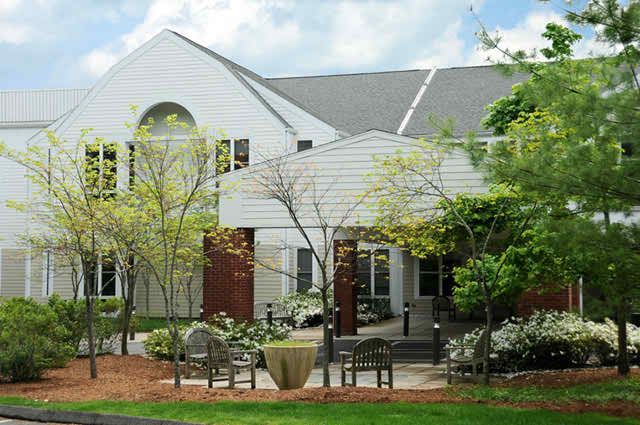
The strongest pros here, the breadth of care within one campus, the on-site medical support, and the ability to scale care up or down, more than compensate for the potential drawbacks. Residents can start in independent living and transition to more intensive assistance or 24/7 nursing without relocating, preserving routines and relationships. The social ecosystem matters as well: activity directors keep programming lively, residents can participate in committees, and the overall community life treats aging not as withdrawal but as continued engagement. Coupled with a campus that is clean, scenic, and purpose-built for a 65-plus population, these features form a practical safety net that offsets occasional gaps in day-to-day service.
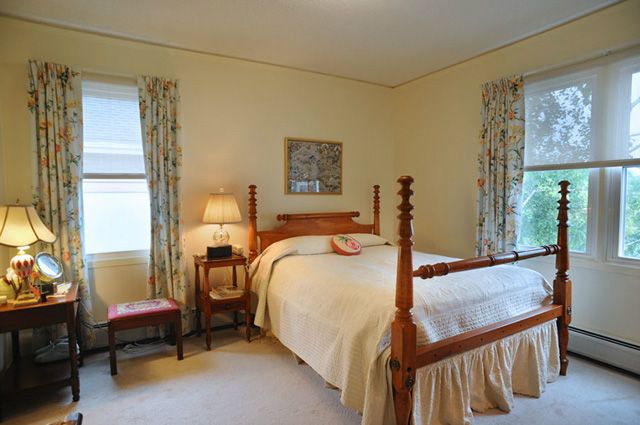
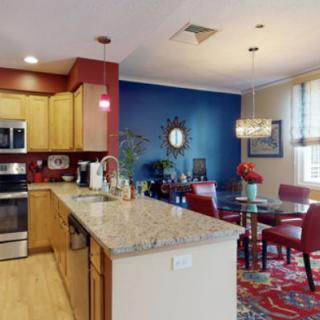
Housingwise, the condo-like living arrangements offer privacy and control within a supportive framework. The campus design supports autonomy while embedding residents in a system designed to respond to changing needs. A genuine advantage is the multi-level continuum on a single footprint, which minimizes the upheaval of moving when care requirements intensify. This arrangement is especially sensible for couples or paired living situations, where one partner may need more assistance than the other but both desire continuity and shared experiences. Activity directors are frequently highlighted as adding meaningful, stimulating daily life, which sustains purpose and prevents stagnation that can erode well-being.
From a family perspective, the governance model and the invitation to engage in resident life stand out. The existence of a Resident Health Advisory Committee signals a culture of transparency and influence rather than passive oversight. On-site medical capability, plus the ability to arrange timely doctor visits, provides reassurance during health changes without frequent relocations. Yet the hilltop location and reliance on campus shuttles for broader outings requires proactive planning around mobility goals and exercise routines. This is not a campus built for effortless short walks; it is designed for a richer, more connected senior living experience that demands some planning.
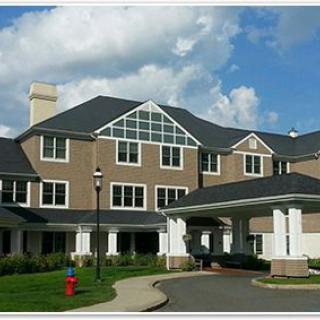
Bottom line: Duncaster serves active seniors who want a confident, adaptable care plan wrapped in a vibrant community. It is especially compelling for couples and individuals who value on-site medical access, a broad continuum of care, and ongoing social engagement, provided comfort with occasional transit use and a hilltop campus is acceptable. Families weighing alternatives should confirm the availability and immediacy of 24/7 nursing, assess staff responsiveness during peak periods, and understand how easily transitions between care levels occur. For those eligible residents who prize a thriving, well-regarded community with a flexible care continuum and a strong sense of resident governance, Duncaster stands out as a practical, well-founded choice.
 22 resident community capacity
 Assisted Living
 Continuing Care Retirement Community (CCRC)
 Independent Living
 Respite Care
 Skilled Nursing Facility
 Air-conditioning
 Beauty salon
 Cable or satellite TV
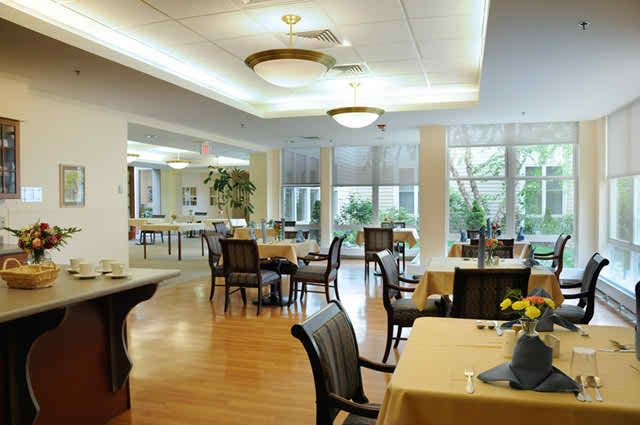
 Dining room
 Fully furnished
 Garden
 Housekeeping services
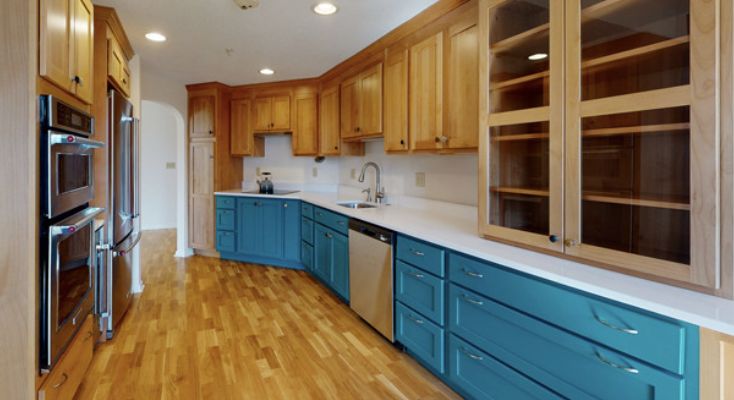
 Kitchenette
 Move-in coordination
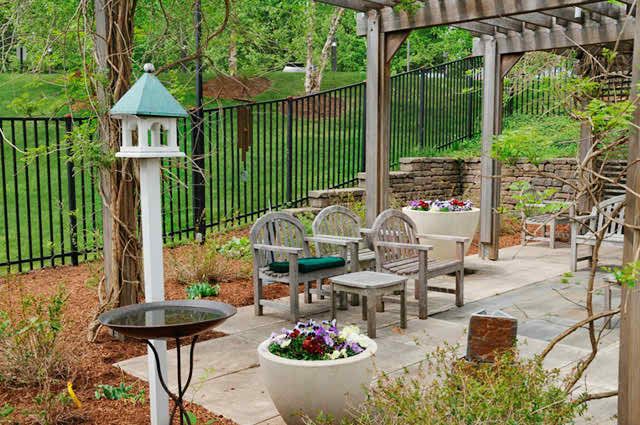
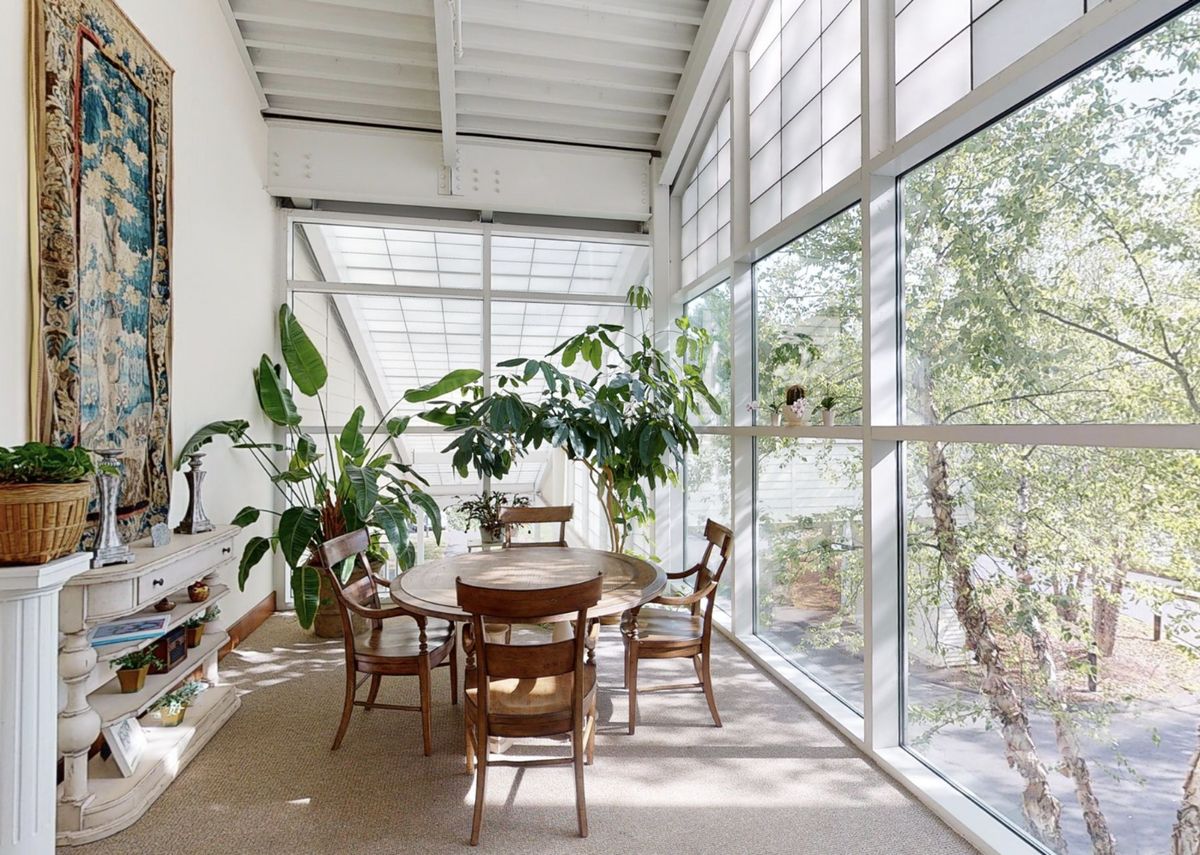
 Outdoor space
 Private bathrooms
 Restaurant-style dining
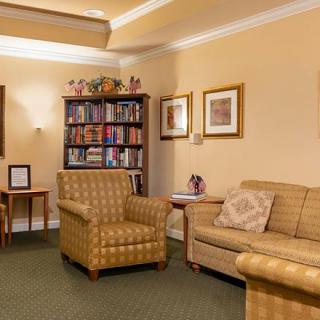
 Small library
 Telephone
 Wi-Fi/high-speed internet available
 Bradley International (9 miles away)
 Transportation arrangement
 12-16 hour nursing
 24-hour call system
 Activities of daily living assistance
 Assistance with bathing
 Assistance with dressing
 Assistance with transfers
 Care with behavioral issues
 Diabetes diet
 Medication management
 Mental wellness program
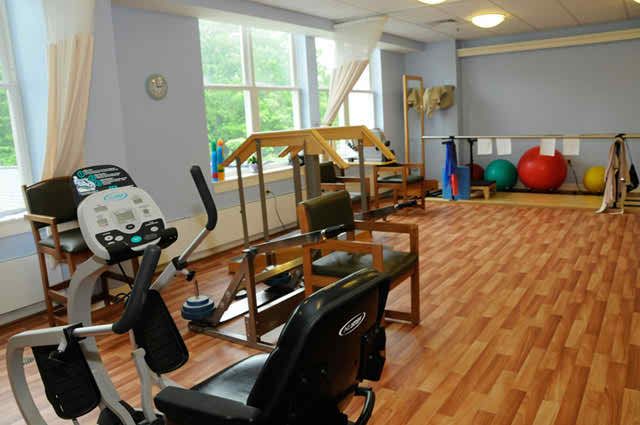
 Physical therapy
 Special dietary restrictions
 Fitness programs
 Planned day trips


 Choosing the Right Senior Care: A Detailed Exploration of Assisted Living and Nursing Homes
 Understanding the True Cost of Assisted Living in 2025: A Comprehensive Guide
 Understanding Medicaid Coverage for Assisted Living: A Comprehensive Guide