1 Emerson Dr, Windsor, CT 06095
To contact a resident: (860) 688-6443
For more information about senior living options: (866) 208-4318
Kimberly Hall Costs & Pricing
Kimberly Hall offers a range of housing options, with semi-private rooms priced at $7,680 per month and private rooms at $8,730. These rates are notably higher than both the average monthly costs in Hartford County, where semi-private accommodations typically cost around $5,482 and private rooms are approximately $6,492. Similarly, when compared to the broader state averages in Connecticut - which stand at about $5,829 for semi-private rooms and just $5,479 for private options - it's clear that Kimberly Hall positions itself at a premium price point. While these costs may reflect enhanced services or amenities offered by Kimberly Hall, potential residents and their families should weigh these financial considerations against the specific benefits provided by the facility.
| Floor plans | Kimberly Hall | Hartford County | Connecticut |
|---|---|---|---|
| Semi-Private | $7,680 | $5,482 | $5,829 |
| Private | $8,730 | $6,492 | $5,479 |
Skilled Nursing Facilities with a similar price nearby
-
from +$450 / mo
Heritage Hall North
$8,130 to $8,970 / month16.7 miles away -
from +$450 / mo
Heritage Hall South
$8,130 to $8,970 / month16.7 miles away
Overall Review of Kimberly Hall
Pros
 The facility is well staffed and clean.
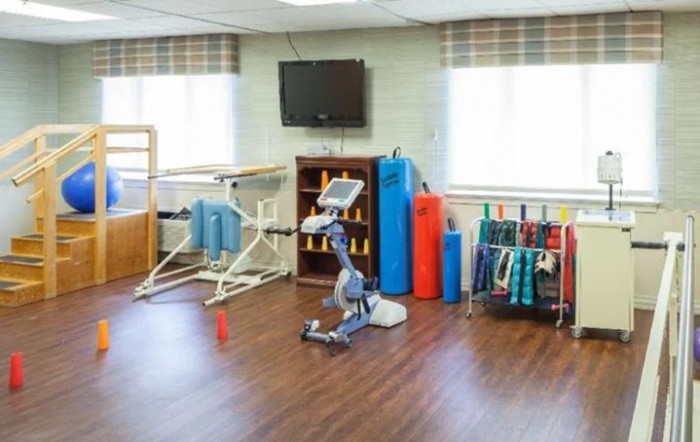
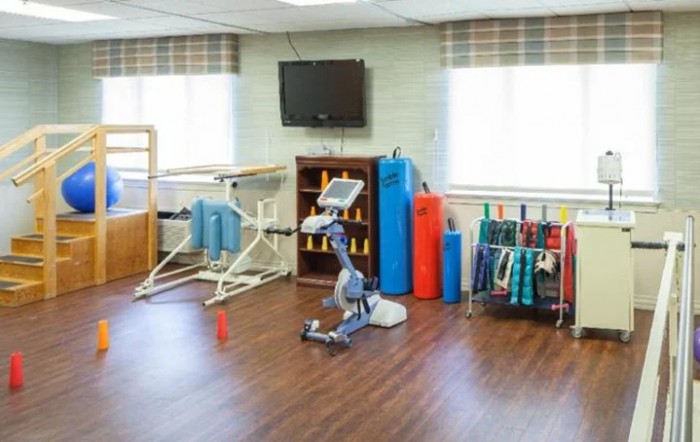
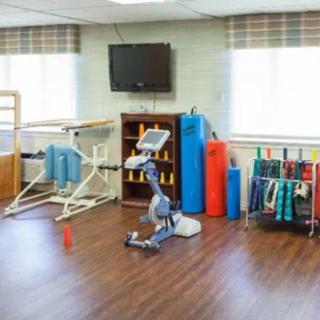
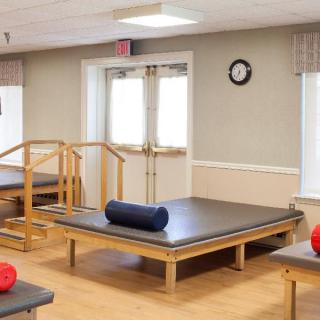
- The rehab/physical therapy unit is fantastic and has helped the resident walk with a walker instead of a wheelchair.
- The resident has been doing extremely well during their stay.
- The reviewer would recommend this nursing home to anyone considering transitioning their loved one.
Cons
 The loved one had a terrible experience at Kimberly Hall.
- The place is described as horrible, with every aspect being terrible.
- They would never recommend Kimberly Hall to anyone.
- The husband is described as a difficult patient who complains constantly about the staff, implying poor nursing.
Review
Kimberly Hall in Windsor, CT is best suited for families evaluating a facility where rehabilitation and memory-care safeguards are central priorities. The strongest signals from the available feedback point to a setting that can deliver meaningful mobility gains through robust physical therapy and a secure unit designed for residents with Alzheimer’s or dementia who may wander. When these elements align with a loved one’s needs, recovery after illness or injury, and the safety of a locked-down unit, the care plan can be structured around rehabilitation milestones and wandering precautions in a way that many homes struggle to replicate.
At the same time, potential residents should consider alternatives for anyone who prioritizes consistently high-quality day-to-day care and a uniformly positive atmosphere. Reviews highlight stark contrasts: one family describes a completely negative experience across all aspects, while another notes a well-staffed, clean environment with significant gains from rehab. That divide signals a facility whose strengths can exist alongside serious gaps in the lived experience of residents and families. If dependable caregiver interactions, reliable meal quality, and a consistently respectful environment are non-negotiable, Kimberly Hall may not be the best default choice.
On balance, the apparent pros, a well-staffed, clean facility with a dedicated dementia unit and an outstanding rehab/PT track record, offer real value. The locked unit for at-risk dementia patients and the reported improvements in walking with a walker indicate a focus on safety and functional independence that is not universal among nearby options. When care hinges on rehabilitative momentum and security, these capabilities can offset some concerns about the environment. However, the extent to which these strengths translate into daily satisfaction depends on every resident’s interactions with staff and the reliability of routine care.
The main tension lies in the inconsistency reflected by the reviews. Positive reports emphasize accountability, effective therapy, and outcomes, whereas negative experiences rally around perceived poor nursing care and dissatisfaction with staff responsiveness. For a resident who requires only occasional assistance but tolerates variability in daily attention, the rehab wins may still be decisive. For one who depends on steady, compassionate caregiver engagement and predictable nutrition, the drawbacks may overwhelm any potential rehabilitation upside. In short, the key pros address mobility and safety; the main cons address consistency and warmth in ordinary care moments.
Prospective families should approach with a concrete evaluation plan. Before deciding, arrange a tour and observe how staff interact with residents during routine tasks, meal service, and prompts for activities. Request candid conversations with the rehab team about goals, progress metrics, and typical timelines for mobility milestones. Inspect dining service quality, ask to see recent menus, and probe whether meals are adjusted for dietary restrictions and preferences. Also, inquire about staff turnover and training, the availability of a dedicated memory-care liaison, and the process for escalating concerns to administrators.
In the end, Kimberly Hall is not a one-size-fits-all choice. It appears best positioned for those who prioritize rehabilitation outcomes and secure dementia care, and who can tolerate potential inconsistencies in daily care quality. Families should not settle for a generic impression; instead, compare directly with other Windsor options, gather current family references, and insist on transparent care-planning conversations. When risk management, wandering protection and mobility, and a rehabilitative trajectory are the deciding factors, Kimberly Hall can be a compelling candidate; when day-to-day caregiver experience and reliable routine care dominate the decision, alternatives deserve close scrutiny.
 Skilled Nursing Facility
 Private
 Bradley International (7 miles away)

 Engaging Brain Games and Innovative Apps to Keep Senior Minds Active
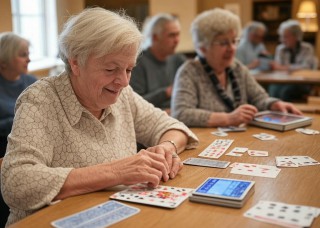 Effective Strategies for Keeping Seniors' Minds Active: A Deep Dive into Brain Games and Apps
 In-Depth Look at the VA Aid and Attendance Program