

Woodlake At Tolland Rehabilitation & Nursing Cente

Save
Woodlake At Tolland Rehabilitation & Nursing Cente Woodlake At Tolland Rehabilitation & Nursing Cente Woodlake At Tolland Rehabilitation & Nursing Cente Woodlake At Tolland Rehabilitation & Nursing Cente

Woodlake At Tolland Rehabilitation & Nursing Cente

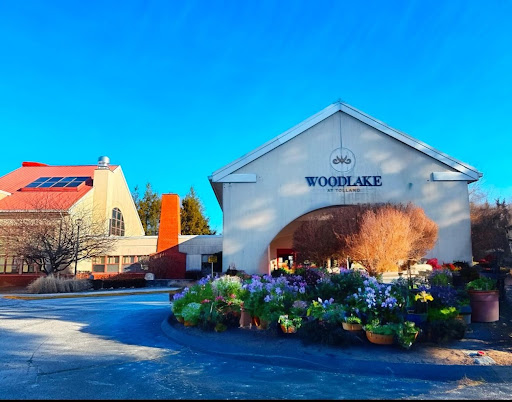
26 Shenipsit Lake Road, Tolland, CT 06084

For more information about senior living options: (844) 490-3973

3.1 from 21 reviews
5 stars
9
4 stars
2
3 stars
1
2 stars
1
1 stars
8

Skilled Nursing Facility

What level of care are you interested in?

Assisted Living

Memory Care

Independent Living

Skilled Nursing Facility

Continuing Care Retirement Community (CCRC)CCRC

Other


Request a tour at Woodlake At Tolland Rehabilitation & Nursing Cente

    Overall Review of Woodlake At Tolland Rehabilitation & Nursing Cente

    Pros

    • pro The staff is phenomenal.
    • pro The staff are happy, unlike in other establishments.
    • pro The rehab unit staff were wonderful, providing whatever her grandmother needed and accommodating the family.
    • pro The nurses and aides always gave residents the best care.
    • pro Woodlake does a wonderful job keeping everyone safe, cared for, and accommodating family visits.
    • pro The facility is clean, the food is good, and the entire staff is caring and professional.

    Cons

    • pro The facility is terribly run, with the staff described as terrible and rude and management as poor.
    • pro The food is awful, with reports of cold and undercooked meals.
    • pro There is a lack of attention from staff, including residents being kept awake at night.
    • pro Residents were left in bed too long, resulting in bed sores.
    • pro Staff do not follow doctors' orders, fail to document care, and show poor communication.
    • pro Phone calls are not returned and there is little to no communication among staff or with families.
    • pro The facility is not clean, has old equipment, and is understaffed.
    • pro Reviewers warn others not to send their loved ones there.

    Review

    The collection of experiences with Woodlake reveals a wide spectrum of outcomes, from deeply positive to seriously troubling. On one end, several families describe care that felt attentive, compassionate, and effective, with staff who were consistently present, warm, and engaged. On the other end, multiple families recount neglect, miscommunication, unsafe conditions, and care that fell far short of expectations. Taken together, the stories suggest that what families experience can vary significantly by time, unit, and individual staff members, making a careful in-person visit and direct communication essential when evaluating care options.

    A recurring theme among the strongest endorsements is the sense that a patient's personhood is honored and that long-standing, familiar staff can make a real difference. One family shared that their 90-year-old father regained a fighting spirit after rehab, thanks to a staff team that felt stable and genuinely invested. They emphasized how refreshing it was to see the same faces rather than temporary aides, noting the staff's happiness as a sign that care was more than just routine tasks. Communication was highlighted as a key strength in this narrative, with families feeling informed and involved in their loved one's progress and day-to-day needs. In these accounts, small but meaningful details - staff greeting residents warmly, taking time to explain daily plans, and showing professional pride - translated into trust and peace of mind for families.

    Other stories, however, paint a starkly different picture. Several reviewers described Woodlake as poorly run, with rude staff, ineffective management, and dissatisfaction that wasn't merely minor but systemic. In these cases, a common thread was a perception of indifference from staff, poor responsiveness to calls or questions, and a sense that important medical orders were not being followed or documented properly. Food quality was repeatedly cited as a concern, ranging from cold or undercooked meals to generic dissatisfaction with dietary offerings. These negative experiences often intertwined with broader concerns about bedside manner, staff turnover, and perceived gaps in accountability.

    There are also deeply touching memorials to the quality of care provided in particular parts of Woodlake. One family shared a mother's journey from rehab to the nursing home, where she formed a close companionship with a roommate who became like a sister over the years. The family described how staff supported her through multiple strokes, Covid challenges, and increasing dementia, emphasizing that she always felt loved and cared for there. Another powerful story spoke of gratitude for the care a grandmother received in the rehab unit and dining area's social setting - gardens, sitting lounges, and a sense of normalcy that allowed family visits and a feeling of dignity even in difficult late-life moments. These accounts highlight how, when staffing is attentive and care routines are well organized, patients can experience meaningful quality of life and emotional support even in rehab and end-of-life phases.

    Yet, there are also very concrete, operational concerns raised by several reviewers. One former patient described a night-to-night pattern of neglect, with staff changes that left patients awake at night and a lack of follow-through on basic communications. Another review recounted a dangerous incident in which a patient was found to have a fracture after a fall, with a lack of visible staff and slow or nonexistent response to doorbells and inquiries. Other comments described episodes of bedsores from being left in bed too long, being kept awake to the point of exhaustion, and a general perception that staff were overstretched, overworked, or not aligned with doctors' orders. Some reviewers specifically urged prospective families to visit in person and trust their instincts, noting that a polished online image can obscure underlying problems.

    Several accounts focused on the importance of reliable communication and responsiveness. In some narratives, calls to the main line or to carers went unanswered for extended periods, and patients or families felt left without essential updates. There were mentions of broken televisions, limited activity options, and dietary choices that did not align with medical requirements, such as high-carb options for diabetics. In contrast, other reviewers praised prompt communication, transparent updates, and a culture where staff were available for family members who needed to discuss concerns or celebrate progress. These opposing experiences underscore how critical timely, clear communication is to perceived quality of care.

    Among the most hopeful notes are the testimonials that emphasize safety, cleanliness, and personalized therapy. A number of reviewers highlighted well-maintained facilities, clean environments, and individualized, one-on-one therapy that helped residents regain strength and mobility. There were explicit claims of effective infection control and safety protocols, with some families noting that their loved ones received careful monitoring for illnesses and early treatment when problems arose. A recurring sentiment in these stories is trust built through consistent, professional interactions, target-driven rehabilitation, and a dedicated therapy team that tailors activities to each resident's needs and goals.

    In sum, the experiences at Woodlake appear to be highly variable. For some families, Woodlake represents a place of dignity, warmth, and competent care, with caregivers who treat residents like loved ones and staff who communicate well and collaborate with families. For others, Woodlake has been a source of stress, miscommunication, and unsafe or unsatisfactory care that led families to seek alternatives. This range suggests that prospective residents and families should engage in thorough, in-person observations: meet the care teams, assess how staff interact with residents, review how quickly and clearly calls and questions are addressed, and evaluate the facility's responsiveness to medical orders and safety concerns. It's clear from these accounts that when the staffing is stable, attentive, and well-supported, Woodlake can provide meaningful, compassionate care; when staffing is thin or management gaps exist, families understandably experience real concern about safety, quality, and accountability.

    Features

    Housing

    • 130 resident community capacity 130 resident community capacity

    Types of Care

    • Skilled Nursing Facility Skilled Nursing FacilitySkilled Nursing Facilities are crucial for seniors as they provide round-the-clock medical care, rehabilitation services, and assistance with daily activities. These facilities ensure that seniors receive the specialized care they need to maintain their health and well-being as they age.

    Amenities

    • Air-conditioning Air-conditioningAir conditioning is important for seniors as they are more vulnerable to heat-related illnesses and may have underlying health conditions that make it difficult for them to regulate their body temperature. It helps to keep them comfortable, safe, and healthy in hot weather.
    • Beauty salon Beauty salonBeauty salons are important for seniors because they provide a space for them to feel pampered, socialize, and maintain their personal grooming and hygiene. Regular visits to a beauty salon can help boost seniors' self-esteem and overall well-being.
    • Cable or satellite TV Cable or satellite TVCable or satellite TV is important for seniors because it provides entertainment, news, and companionship, helping to combat loneliness and boredom. It also offers a wide range of programming options tailored to different interests and preferences.
    • Computer center Computer centerA computer center is essential for seniors as it provides access to technology, communication tools, and resources that can enhance their daily lives. It allows them to stay connected with loved ones, engage in online activities, and learn new skills, ultimately promoting socialization and mental stimulation.
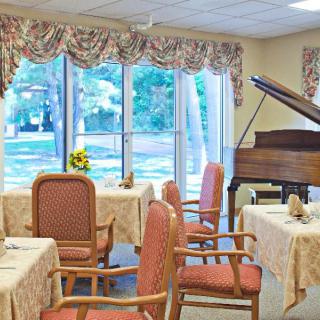
    • Dining room Dining roomDining rooms are important for seniors as they provide a space for socialization, connection, and nutritious meals. They offer opportunities for residents to bond over shared meals, foster a sense of community, and promote healthy eating habits. Dining rooms also ensure that seniors have access to well-balanced meals tailored to their dietary needs and preferences.
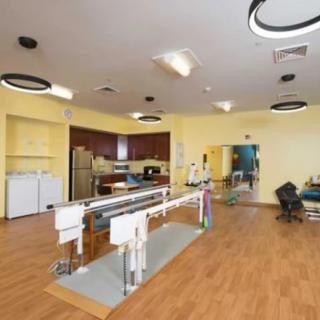
    • Fitness room Fitness roomHaving a fitness room in a senior living community is essential for seniors to stay active, maintain their physical health, and improve their overall well-being. Regular exercise can help prevent falls, reduce the risk of chronic diseases, and promote mental sharpness. It also provides social opportunities for residents to connect with others and enjoy a sense of community.
    • Fully furnished Fully furnishedFully furnished senior living communities are important for seniors because they provide convenience, comfort, and a hassle-free moving experience. Seniors can easily settle into their new living space without the stress of having to buy and move furniture. This allows them to focus on enjoying their new home and community.
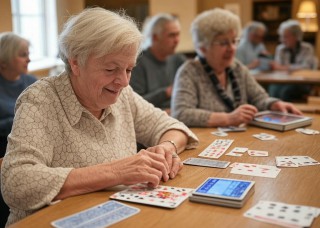
    • Gaming room Gaming roomGaming rooms are important for seniors as they provide a fun and engaging environment for socializing, cognitive stimulation, and physical activity. Games can improve memory, problem-solving skills, and overall mental well-being while fostering friendships and reducing feelings of isolation.
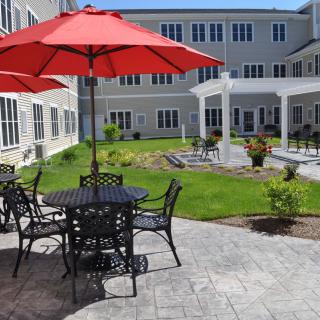
    • Garden GardenGardens are important for seniors as they provide a peaceful and therapeutic environment for relaxation, physical activity, and socialization. Being in nature has been shown to reduce stress, improve mood, and promote overall well-being. Gardens also offer opportunities for seniors to engage in gardening activities, which can improve mobility, flexibility, and cognitive function. Additionally, gardens create a sense of community and connection with others who share a passion for plants and outdoor spaces.
    • Housekeeping services Housekeeping servicesHousekeeping services are important for seniors because they help maintain a clean and safe living environment, promote independence, and reduce the risk of accidents or illnesses. Additionally, having assistance with household chores can alleviate physical strain and allow seniors to focus on other aspects of their well-being.
    • Kitchenette KitchenetteKitchenettes are important for seniors living in senior living communities because they provide the convenience and independence of being able to prepare simple meals and snacks in the comfort of their own living space. This can help promote a sense of autonomy and well-being for seniors, allowing them to maintain some level of control over their dietary choices and daily routines.
    • Move-in coordination Move-in coordinationMove-in coordination is important for seniors because it helps ease the transition into their new living environment. It ensures that all logistics, such as packing, organizing movers, and setting up utilities are taken care of, allowing seniors to focus on settling in and adjusting to their new home. Having a smooth move-in process can alleviate stress and anxiety, making the transition smoother and more enjoyable for seniors.
    • Outdoor space Outdoor spaceOutdoor spaces are important for seniors as they provide opportunities for physical activity, social interaction, exposure to natural light and fresh air, and a sense of connection to nature. Having access to outdoor spaces can improve overall well-being and quality of life for older adults living in senior communities.
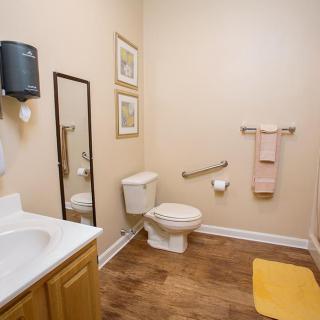
    • Private bathrooms Private bathroomsPrivate bathrooms are important for seniors in senior living communities because they provide independence, dignity, and comfort. Having a private bathroom allows seniors to maintain their personal hygiene routines without the need for assistance, promoting a sense of autonomy and privacy. Additionally, private bathrooms help prevent the spread of infections and provide a safe and clean environment for seniors to navigate safely.
    • Restaurant-style dining Restaurant-style diningRestaurant-style dining is important for seniors because it allows them to enjoy delicious, nutritious meals in a social and upscale setting. This enhances their dining experience, promotes healthy eating habits, and fosters socialization with fellow residents, ultimately contributing to their overall well-being and quality of life.
    • Small library Small librarySmall libraries are important for seniors as they provide access to a variety of reading materials, including books, newspapers, and magazines. This can help stimulate their minds, keep them engaged, and provide a sense of community through book clubs and other social activities. Additionally, reading has been shown to improve cognitive function and overall mental well-being in older adults.
    • Telephone TelephoneTelephones are important for seniors as they provide a lifeline for communication with loved ones, emergency services, and healthcare providers. They offer a sense of security and independence, enabling seniors to stay connected and access assistance when needed.
    • Wellness center Wellness centerWellness centers are important for seniors because they offer a variety of programs and services that promote physical, mental, and emotional well-being. These centers provide opportunities for exercise, socialization, education, and relaxation, helping seniors maintain their overall health and quality of life.
    • Wi-Fi/high-speed internet available Wi-Fi/high-speed internet availableWi-Fi/high-speed internet is important for seniors to stay connected with loved ones, access online resources, and participate in virtual activities to combat feelings of loneliness and isolation. It also allows them to easily manage healthcare needs, access entertainment, and engage in lifelong learning opportunities.

    Transportation

    • Bradley International (15 miles away) Bradley International (15 miles away)
    • Community operated transportation Community operated transportationCommunity operated transportation is crucial for seniors as it provides them with the means to access essential services, social activities, and medical appointments. It allows seniors to maintain their independence and quality of life by ensuring they can participate in activities outside of their homes. Additionally, community-operated transportation services offer a safe and reliable way for seniors to travel without having to rely on family or friends for assistance.
    • Transportation arrangement Transportation arrangementTransportation arrangements are crucial for seniors as they may face challenges with driving, mobility, or access to public transportation. Having reliable transportation services ensures that seniors can easily attend appointments, social activities, and maintain their independence and quality of life.
    • Transportation arrangement (non-medical) Transportation arrangement (non-medical)Transportation arrangements are essential for seniors as they provide access to essential services, activities, and social interactions outside the home. This service helps maintain independence, mobility, and overall well-being for seniors who may have limited transportation options.
    • Transportation to doctors appointments Transportation to doctors appointmentsTransportation to doctors appointments is crucial for seniors as it ensures they have access to necessary medical care and support, promoting their health and well-being. It allows them to receive timely treatment, monitor existing conditions, and address any new health concerns efficiently. Additionally, transportation services can help seniors maintain their independence and quality of life by enabling them to stay connected with their healthcare providers.

    Care Services

    • 12-16 hour nursing 12-16 hour nursing12-16 hour nursing care is crucial for seniors in order to ensure around-the-clock monitoring, timely medication administration, and prompt response to any health concerns or emergencies. This level of care helps to promote the overall well-being and safety of seniors living in senior living communities.
    • 24-hour call system 24-hour call system24-hour call systems are important for seniors because they provide peace of mind and immediate assistance in case of emergencies. This technology ensures that help is always available, promoting safety and security for elderly individuals living alone or in assisted living facilities.
    • 24-hour supervision 24-hour supervision24-hour supervision is important for seniors to ensure their safety, well-being, and access to immediate assistance in case of emergencies or health issues. This constant support provides peace of mind for both seniors and their loved ones, allowing them to age in place with dignity and security.
    • Activities of daily living assistance Activities of daily living assistanceActivities of daily living assistance are important for seniors because they provide essential support with tasks such as eating, bathing, dressing, and mobility. This assistance helps seniors maintain their independence, dignity, and overall quality of life as they age.
    • Assistance with bathing Assistance with bathingAssistance with bathing is crucial for seniors as it helps maintain personal hygiene, prevents infections, and ensures their overall well-being and comfort. It also provides a sense of dignity and independence for seniors who may struggle with this task on their own.
    • Assistance with dressing Assistance with dressingAssistance with dressing is important for seniors because it helps maintain their independence, promotes personal hygiene, prevents accidents and injuries, and improves overall quality of life. This service ensures that seniors can continue to dress comfortably and confidently, despite any physical limitations they may have.
    • Assistance with transfers Assistance with transfersAssistance with transfers is crucial for seniors as it helps prevent falls and injuries, maintains their independence, and ensures they can safely navigate their living environment. It also provides peace of mind for both seniors and their loved ones.
    • Diabetes diet Diabetes dietA diabetes diet is crucial for seniors as it helps manage blood sugar levels, reduce risks of complications, and improve overall health and well-being. By following a balanced and nutritious diet tailored to their specific needs, seniors can better control their diabetes and enhance their quality of life.
    • Meal preparation and service Meal preparation and serviceMeal preparation and service are crucial for seniors as they may have limited mobility or energy to cook nutritious meals. Having access to healthy and convenient food options can ensure they are getting the proper nutrition needed to maintain their overall health and well-being.
    • Medication management Medication managementMedication management is crucial for seniors to ensure they are taking the right medications at the correct dosages and times. This helps prevent adverse drug interactions, reduces the risk of medication errors, and promotes overall health and well-being. Proactive management also allows for adjustments as needed based on changing health conditions or new prescriptions.
    • Mental wellness program Mental wellness programMental wellness programs are essential for seniors as they promote cognitive stimulation, emotional support, and social engagement. These programs help prevent isolation, depression, and cognitive decline, ultimately enhancing the overall quality of life for older adults.
    • Special dietary restrictions Special dietary restrictionsSpecial dietary restrictions are important for seniors because age-related changes in metabolism and health conditions can make it difficult for their bodies to process certain foods. By following a diet tailored to their specific needs, seniors can maintain their overall health and well-being, manage chronic conditions, and reduce the risk of complications such as malnutrition or food interactions with medications.

    Dining

    • Diabetes diet Diabetes dietA diabetes diet is crucial for seniors as it helps manage blood sugar levels, reduce risks of complications, and improve overall health and well-being. By following a balanced and nutritious diet tailored to their specific needs, seniors can better control their diabetes and enhance their quality of life.
    • Special dietary restrictions Special dietary restrictionsSpecial dietary restrictions are important for seniors because age-related changes in metabolism and health conditions can make it difficult for their bodies to process certain foods. By following a diet tailored to their specific needs, seniors can maintain their overall health and well-being, manage chronic conditions, and reduce the risk of complications such as malnutrition or food interactions with medications.

    Activities

    • Community-sponsored activities Community-sponsored activitiesCommunity-sponsored activities are important for seniors as they provide opportunities for social interaction, mental stimulation, and physical activity. These activities can help improve overall well-being, combat loneliness and isolation, and promote a sense of belonging and purpose among older adults.
    • Concierge services Concierge servicesConcierge services are essential for seniors as they provide assistance with daily tasks and errands, enhance their quality of life by offering convenience and personalized care, and promote a sense of safety and security.
    • Fitness programs Fitness programsFitness programs are crucial for seniors as they help improve strength, flexibility, balance, and overall well-being. Staying active can reduce the risk of chronic diseases, improve mental health, and enhance quality of life in older adults.
    • Planned day trips Planned day tripsPlanned day trips are important for seniors because they offer opportunities for socialization, mental stimulation, and physical activity. They provide a change of scenery and help seniors stay engaged and connected to their community, promoting overall well-being and quality of life.
    • Resident-run activities Resident-run activitiesResident-run activities are important for seniors as they encourage social interaction, creativity, and a sense of autonomy. These activities empower seniors to stay engaged and active in their community while fostering meaningful connections with their peers.
    • Scheduled daily activities Scheduled daily activitiesScheduled daily activities are important for seniors because they provide structure, socialization, mental stimulation, and physical activity. Engaging in regular activities can improve overall well-being and quality of life for seniors living in a community setting.

    Description

    The Woodlake At Tolland Rehabilitation & Nursing Center in Tolland, CT is a vibrant assisted living community that offers an array of amenities and care services for its residents. The community strives to create a comfortable and welcoming environment where seniors can thrive and enjoy their golden years.

    The community boasts an impressive list of amenities to cater to the needs and desires of its residents. There is a beauty salon on-site, ensuring that residents can always look their best. Cable or satellite TV is available in each resident's room, providing entertainment options at their fingertips. Community-operated transportation takes care of any transportation needs, whether it be for social outings or medical appointments. A computer center allows residents to stay connected with loved ones or explore the digital world.

    A dining room offers restaurant-style dining experiences, where residents can enjoy delicious meals prepared by the community's skilled chefs. For those who prefer to cook themselves, kitchenettes are available in select rooms. Housekeeping services ensure that the living spaces are always clean and tidy.

    Woodlake At Tolland also places importance on residents' physical well-being. A fitness room provides opportunities for exercise and staying active. Outdoor spaces like gardens provide a tranquil setting for relaxation or leisurely walks. In addition, there is a wellness center where residents can receive assistance with maintaining their mental wellness.

    Residents have access to Wi-Fi/high-speed internet throughout the community, allowing them to stay connected online and pursue personal interests.

    The community provides comprehensive care services tailored to individual needs. With a 24-hour call system and supervision, residents can feel safe knowing that help is always available when needed. Trained staff offer assistance with activities of daily living such as bathing, dressing, and transfers. Medication management ensures that medications are taken as prescribed. Special dietary restrictions are accommodated through diabetes diets and other specific meal preparations.

    In terms of activities, Woodlake At Tolland offers a variety of options aimed at promoting engagement and socialization. Concierge services cater to residents' needs and requests. Fitness programs keep residents active and healthy. Planned day trips provide opportunities for exploration and adventure. Resident-run activities give residents the chance to participate in decisions and take control of their own community experience. Scheduled daily activities ensure there is something for everyone's interests.

    Located conveniently near pharmacies, physicians, and restaurants, Woodlake At Tolland offers ease of access to necessary healthcare services and dining options.

    Overall, the Woodlake At Tolland Rehabilitation & Nursing Center provides a well-rounded assisted living community where seniors can find comfort, care, and an active lifestyle that suits their individual needs and preferences.

    Nearby Places of Interest

    Located in Tolland, Connecticut, this area offers a variety of amenities and services that may be appealing to seniors looking for a convenient and bustling community. With a range of dining options such as McDonald's, Burger King, and The Hidden Still, residents can enjoy diverse cuisine without traveling far. Nearby pharmacies like Walgreens and CVS Pharmacy ensure easy access to medications and healthcare essentials. Additionally, there are several physician offices in close proximity, including Ellington Family Practice and Fieldstone Family Medicine of Tolland, providing convenient medical care. For leisure activities, there are cafes like Starbucks and Birdhouse Coffee nearby for socializing with friends or taking a relaxing break. The presence of places of worship like Second Congregational Church offers spiritual support, while parks such as River Road Athletic Complex provide opportunities for outdoor recreation. In case of emergencies or medical needs, Johnson Memorial Hospital is located within reach. Overall, this part of Tolland provides a mix of conveniences and services that cater to the needs of seniors looking for a vibrant community to call home.

    Restaurants

    • McDonald's (1.4 miles)
    • Burger King (1.4 miles)
    • The Hidden Still (2.6 miles)
    • Oyama Japanese & Thai (3.1 miles)
    • Vernon Diner (4.5 miles)
    • Rein's New York Style Deli (4.6 miles)
    • OKI Asian Bistro (4.7 miles)

    Pharmacies

    • Big Y Tolland World Class Market (2.2 miles)
    • Walgreens (2.7 miles)
    • CVS Pharmacy (2.8 miles)
    • Walgreens (3.9 miles)
    • CVS Pharmacy (5.1 miles)
    • Walgreens (5.5 miles)
    • CVS Pharmacy (5.6 miles)

    Physicians

    • Ellington Family Practice (2.8 miles)
    • Fieldstone Family Medicine of Tolland (2.9 miles)
    • Myeyedr (4.3 miles)
    • Vernon Internal Medicine (4.6 miles)
    • Northeastern Pulmonary Associates (4.7 miles)
    • Family Medicine Center (7.4 miles)
    • Mansfield Family Practice (7.9 miles)

    Cafes

    • Starbucks (5.1 miles)
    • Starbucks (7.1 miles)
    • Birdhouse Coffee (8.3 miles)
    • Panera Bread (8.3 miles)
    • Starbucks (8.6 miles)
    • Starbucks (10.8 miles)

    Places of Worship

    • Second Congregational Church (5.5 miles)
    • Hope Lutheran Church (10 miles)

    Parks

    • River Road Athletic Complex (6.7 miles)
    • Gay City State Park (10.4 miles)

    Hospitals

    • Johnson Memorial Hospital (7.5 miles)

    Theaters

    • Cinemark Buckland Hills 18 + Imax (8.5 miles)

    Transportation

    • U-Haul Neighborhood Dealer (11.8 miles)

    Frequently Asked Questions

    Where is Woodlake At Tolland Rehabilitation & Nursing Cente?
    What photos are available for Woodlake At Tolland Rehabilitation & Nursing Cente in Tolland, Connecticut?

    Nearby Communities

    Related Resources

    • brain games for seniorsEffective Strategies for Keeping Seniors' Minds Active: A Deep Dive into Brain Games and Apps

      The article outlines strategies for keeping seniors' minds active through brain games and apps, highlighting the importance of cognitive exercises, social engagement, and a healthy lifestyle in combating cognitive decline. It emphasizes the benefits of various types of games and offers practical tips for maintaining mental wellness through enjoyable activities while acknowledging their limitations.

    • aid and attendance vaIn-Depth Look at the VA Aid and Attendance Program

      The VA Aid and Attendance program offers financial assistance to veterans needing help with daily activities due to health issues, available through a pension for low-income wartime veterans or an allowance for 100% disabled individuals. Eligibility depends on medical documentation of care needs and navigating guidelines about income and service history, with funds being usable for various healthcare-related expenses.

    • caring for elderly parentsNurturing Our Loved Ones: A Daughter's Journey in Caring for Her Mother

      Please provide the content you'd like summarized.


    Get Pricing Ask A Question Schedule A Tour Contact Senior Advisor