
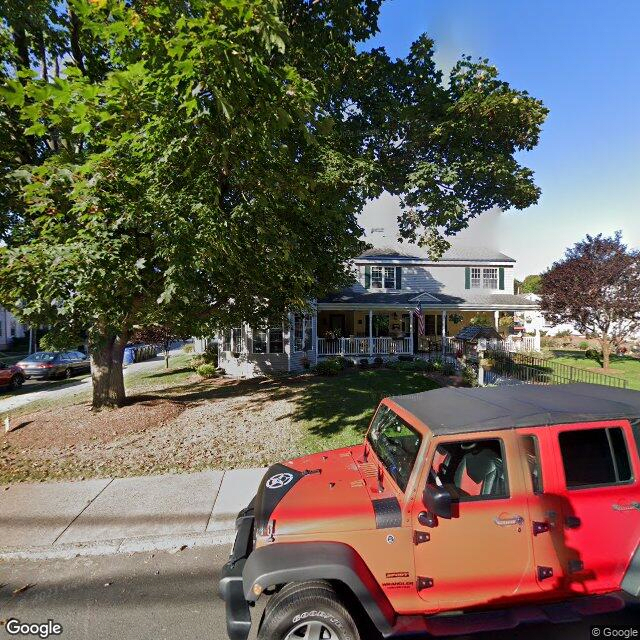
15 Ellington Ave, Rockville, CT 06066
To contact a resident: (860) 872-4672
For more information about senior living options: (866) 208-4318
Char-Laine Manor Costs & Pricing
Char-Laine Manor offers competitive pricing for its residents, particularly when compared to the averages in Tolland County and across Connecticut. For a semi-private room, Char-Laine Manor charges $2,800 per month, which significantly undercuts the county average of $5,639 and the state figure of $5,829. Likewise, the cost for a private room at Char-Laine Manor is set at $2,950, providing an attractive alternative to the higher rates of $5,772 in Tolland County and $5,479 statewide. This positioning reflects Char-Laine Manor's commitment to affordability without compromising on quality care and services for its community members.
| Floor plans | Char-Laine Manor | Tolland County | Connecticut |
|---|---|---|---|
| Semi-Private | $2,800 | $5,639 | $5,829 |
| Private | $2,950 | $5,772 | $5,479 |
Senior living communities with a similar price nearby
-
from +$330 / mo
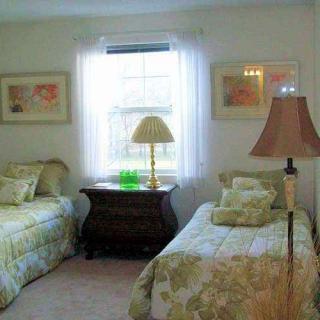
Arbors of Hop Brook
$3,130 to $4,300 / month8.8 miles away -
from -$500 / mo
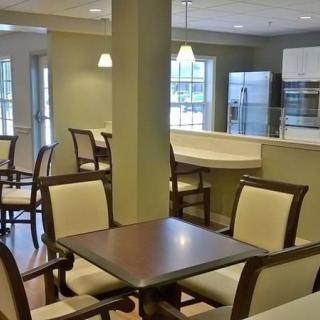
Heritage Woods
$2,300 to $5,270 / month16.6 miles away -
from -$186 / mo
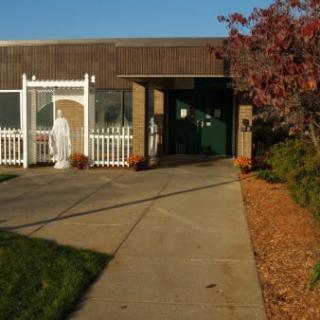
The McAuley, a CCRC
$2,614 to $4,103 / month15.4 miles away -
About the same
Heritage Commons
$2,775 to $5,138 / month24.8 miles away -
from -$450 / mo

Prosper at Monastery Height
$2,350 to $4,200 / month19.4 miles away
Overall Review of Char-Laine Manor
Pros
 The reviewer has nothing but positive things to say about this place.
- The reviewer notes that this place works well.
Cons
 The management and staff are not compassionate or understanding with the residents.
- The staff are rude and very unprofessional, laughing at residents and telling them they are dramatic when residents complain of feeling unwell.
- The reviewer would not recommend this place to anyone.
Review
Char-Laine Manor in Rockville, CT is best suited for families seeking a no-frills, budget-conscious assisted living option where daily routines are kept steady and basic care needs can be managed with hands-on oversight. It fits residents who are largely independent but need light assistance with activities of daily living, reminders for medications, and a supervisor to ensure safety and schedule adherence. For families willing to let a practical, work‑driven operation carry the day and who can stay engaged to monitor care, Char-Laine Manor offers a workable path forward. The reality is pragmatic rather than polished: value and predictability take precedence over pampered relocation experiences.
Those who may want to consider alternatives are clear: if warmth, consistent compassion, and respectful, timely responses to wellness concerns are nonnegotiables, this community may fall short. Likewise, families needing higher staffing ratios, advanced medical oversight, or specialized memory care will likely want to look elsewhere. Programs with richer social engagement, more proactive care planning, and demonstrable resident-centered culture will better serve residents who flourish on frequent, proactive interpersonal interactions. In short, Char-Laine Manor may not be the right fit for residents who prioritize a highly supportive, emotionally attuned environment.
The most persuasive positives center on functional reliability. The facility can be counted on to handle routine care tasks and keep daily life moving, meals, medication reminders, and basic assistance, so families do not have to micromanage every moment. The succinct, “they make it work” sentiment implies a practical, problem-solving orientation among management and staff. For residents who tolerate a straightforward, no-frills setting and who value steadiness over texture, the operational side of Char-Laine Manor can deliver essential care with predictable structure. In other words, the basics are covered, and the day-to-day cadence can be dependable when oversight is maintained.
The strongest cautions come from concerns about interpersonal care. A recurring critique centers on compassion and professionalism: residents being laughed at or dismissed when unwell, and complaints minimized as dramatics. Such behavior is not a trivial flaw; it strikes at safety, trust, and the dignity of residents. If residents rely on staff from dawn to dusk for reassurance, timely responses, or humane engagement, these reports raise serious questions about how consistent empathy and respectful treatment actually are in day-to-day operations. Even if task completion is reliable, the emotional climate can undercut the overall quality of life and erode confidence in care.
How the pros compare to the cons hinges on family involvement and risk tolerance. The practical, low-frills efficiency can offset some concerns for families who are ready to supervise and advocate, set clear expectations, and intervene quickly if issues arise. Yet the emotional risk is real: a pattern of dismissiveness or ridicule can lead to underreporting of health changes, delayed responses to symptoms, and a sense of isolation for residents who rely on staff for comfort. The mixed reviews and a mid-range overall rating reflect a community that works for some and disappoints others, an outcome that demands careful diligence rather than passive acceptance.
Actionable steps for families considering Char-Laine Manor are essential. Visit at different times, observe daytime and evening interactions, and talk privately with current residents and their families about responsiveness and tone. Inquire specifically about staffing levels during peak hours, response times to calls, and training for de-escalation and compassionate care. Ask for recent care plans, medication management processes, and examples of how complaints are handled. If after closer inspection the tone and culture seem misaligned with expectations, compare alternative communities that emphasize higher resident satisfaction scores, stronger programming, and consistently warm staff engagement. In the end, Char-Laine Manor is a practical option worth considering only for those prepared to balance budget-conscious practicality with vigilant oversight.
 Board and Care Home
 Private
 Bradley International (13 miles away)

 In-Depth Look at the VA Aid and Attendance Program
 Nurturing Our Loved Ones: A Daughter's Journey in Caring for Her Mother
 Nurturing Our Elders: Linda's Journey of Supporting Her Mother