

26 Shenipsit Lake Rd, Tolland, CT 06084
To contact a resident: (860) 872-2999
For more information about senior living options: (866) 208-4318
Overall Review of Woodlake At Tolland
Pros
 The staff are phenomenal.
- They helped a 90-year-old patient regain his fighting spirit and perform at new levels.
- The facility provides consistent staff who form lasting relationships with residents.
- Communication with families is excellent.
- They do a wonderful job keeping residents safe and caring for them, while accommodating family visits.
- The nurses and aides consistently provide the best care.
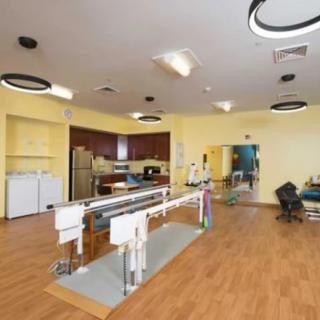
- Therapy is individualized and one-on-one, helping residents get strong and moving.
Cons
 The staff are terrible and rude.
- Management sucks.
- The food is awful.
- They don’t follow doctors’ orders and are inattentive to patients.
- The facility isn’t clean and has old, outdated equipment.
- They are understaffed, with long shifts and per diem staff unfamiliar with routines.
- Call buttons go unanswered and communication is poor.
- Residents are left in bed too long, resulting in bed sores.
Review
Woodlake at Tolland is best suited for families seeking a rehab-to-nursing transition where frontline caregiving and personal attention from the care team drive real progress. The community tends to work best when a loved one can benefit from consistent, hands-on support from nurses, aides, and therapists who appear engaged and motivated to help recover function. When staffing is stable and communication lines stay open, families report clear reassurance that a loved one is seen, heard, and cared for with dignity. This is not a universal fit, however: those who require unwavering consistency, strict adherence to medical orders, or highly predictable routines should consider alternatives and compare options carefully.
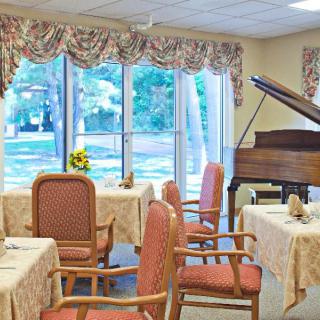
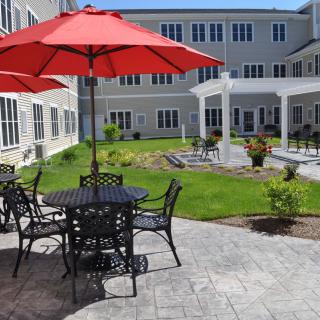
On the upside, the strongest recurring strength is the care team itself. Multiple reviews elevate the staff as phenomenal and genuinely compassionate, with the appeal of familiar faces and steady, respectful interactions. The rehab emphasis translates into observable gains when therapy and nursing work in concert, and several accounts praise the facility’s cleanliness and safety, which helps families feel comfortable about daily life and visits. The ability to integrate family involvement and social activities, gardens, outdoor space, meaningful recreation, adds a sense of belonging that can ease the transition from hospital to home-like living. When the stars align, the experience feels personalized, capable, and genuinely supportive of recovery.
Yet the negatives are persistent and prominent in many accounts. The most common alarms center on staffing levels, attentiveness, and management. Critics describe rude or overwhelmed staff, inconsistent follow-through, and poor communication, including missed call-backs and delayed care. Medication delivery and routine medical orders are cited as unreliable at times, and meals earn complaints ranging from being bland to unsatisfactory. More troubling notes include residents kept awake at night, bedsores from extended bed rest, and situations where help is slow or unavailable for basic needs. Several reviewers advise visiting in person to gauge real-day operations, warning that online representations can obscure the lived experience.
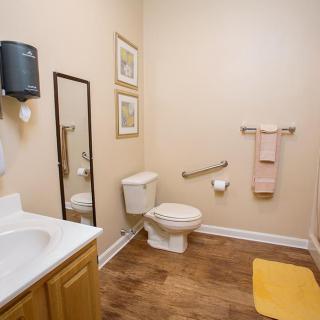
Despite these drawbacks, the advantages can offset trouble when the facility is operating at full strength. Families able to stay actively involved, talking with caregivers, observing shifts, and advocating for timely responses, often see the rehab and daily-care strengths emerge. Long-term residents and their families recount instances of proactive nursing, early disease detection, and responsive care teams that step up when conditions change. The campus’s cleanliness, safety protocols, and accessible outdoor spaces contribute to a dignified atmosphere where residents can engage meaningfully in therapy and daily routines. In such cases, Woodlake at Tolland delivers a credible, even compelling, option for recovery-focused living.
Decision-making should center on concrete oversight and reliable communication. Prospective families are encouraged to meet with administrators and the lead rehab staff, verify current staffing levels and turnover, and confirm that medical orders and medication delivery are consistently executed. Inquire about meal planning, dietary accommodations (important for diabetics and others), and the overall responsiveness to urgent needs. If memory care is a factor, probe the layout and navigation of the memory care options and which unit best fits a resident’s cognitive profile. Gather impressions from multiple current residents or families to distinguish between isolated incidents and broader patterns.
In sum, Woodlake at Tolland can be a strong choice for families prioritizing rehabilitation focus, personal attention, and a clean, safe environment, provided there is proactive supervision and a plan to address staffing and communication gaps. When care teams are aligned and oversight is effective, residents can achieve meaningful gains in mobility, safety, and daily life satisfaction. For those requiring uniform, consistently excellent staffing, reliable call-bell responsiveness, and highly predictable routines, especially for memory-care needs, alternatives should be weighed with diligence. This community is not universally perfect, but it offers a credible path to quality recovery when oversight, advocacy, and in-person evaluation guide the choice.
 Day Program
 Skilled Nursing Facility
 Bradley International (15 miles away)


 Engaging Brain Games and Innovative Apps to Keep Senior Minds Active
 Effective Strategies for Keeping Seniors' Minds Active: A Deep Dive into Brain Games and Apps
 In-Depth Look at the VA Aid and Attendance Program