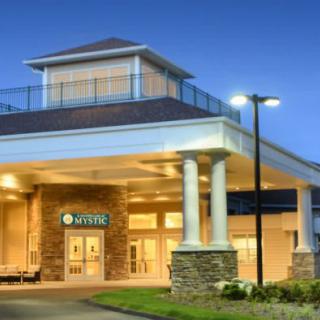
28 Broadway, Mystic, CT 06355
For more information about senior living options: (866) 208-4318
Overall Review of Apple Rehab Mystic
Pros
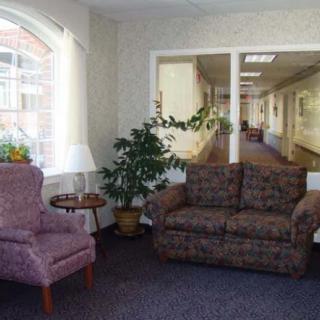
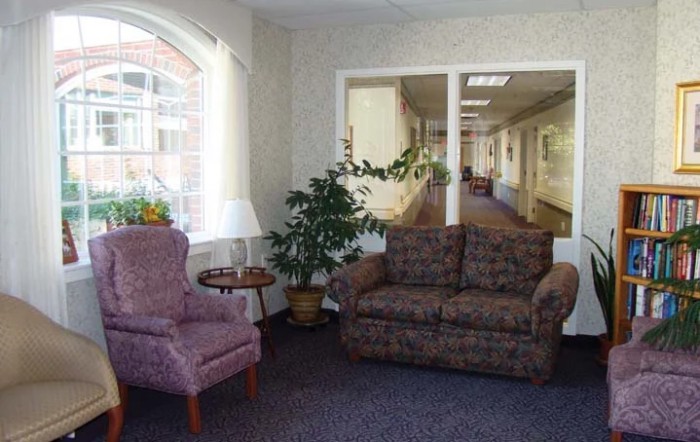
 The facility is clean and well-maintained, with murals in the hallways, friendly staff, and strong leadership; it is highly recommended.
- The staff are wonderful and the food is great.
- The service provided was excellent, concerns were addressed promptly and professionally, and there was clear communication about the care plan; the building is centrally located and impeccably clean.
- Apple Rehab's staff are professional and kind, and the facility makes people feel at home; it is highly recommended.
- The staff deserve ten stars for their outstanding work.
Cons
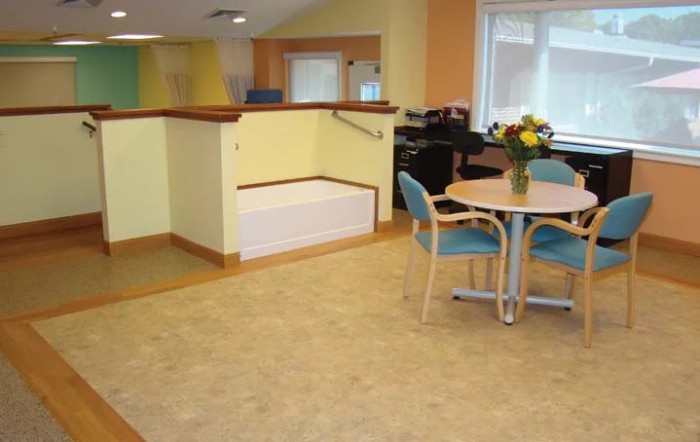
 The head nurse seemed overwhelmed, and rooms had peeling paint and rusty beds.
- The facility was described as awful and dirty, with inedible food.
- Apple seemed to care nothing for the facility or its patients.
- The place was the worst, with deplorable staff and medications not provided.
- Nurse calls took 20 to 45 minutes to be answered, and patients could die without anyone noticing.
- Nurses were awful and showed no compassion; bells were never answered; it seemed no one was working.
- A patient contracted COVID-19 after a week and died two weeks later.
- The kitchen was inflexible regarding dietary needs.
- The facility had not paid an invoice after more than two months, with back-and-forth finger-pointing.
- HIPAA violations occurred, with health information shared with an ex-spouse.
- Transfers were declined and calls were not returned, affecting the patient’s care.
Review
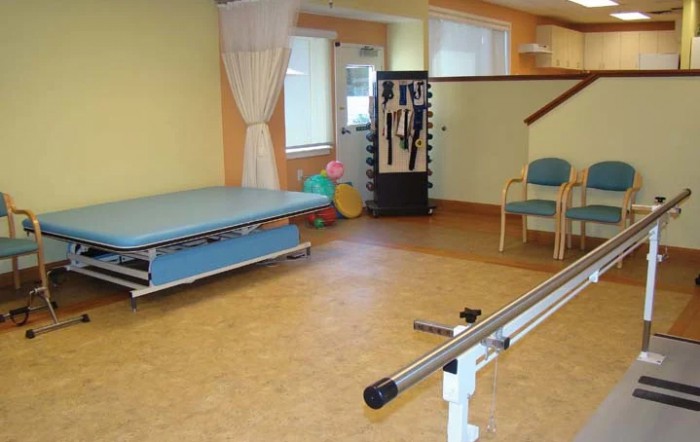
Apple Rehab Mystic is most appropriate for seniors recovering from surgery or illness who need a focused rehabilitation track and can benefit from a centrally located facility, provided there is strong family or caregiver involvement to supervise daily care and press for accountability. In practical terms, this community can work for residents whose primary goal is PT/OT-driven recovery, who appreciate access to wound care, and whose families are prepared to stay engaged, communicate clearly with the care team, and intervene when concerns arise. It is not a hands-off option for those who require near-constant nursing attention or an environment that feels consistently polished and distraction-free. Families with substantial medical needs or who require seamless, proactive advocacy will want to enter with clear expectations and a plan to monitor progress daily.
Likely alternatives should be considered for those who prioritize ironclad reliability, uninterrupted nursing coverage, and a consistently clean, well-maintained setting. If a resident’s safety and comfort hinge on immediate nurse responses, predictable dining, and uniform standards across shifts, other local options may deliver fewer headaches. Similarly, for families unwilling or unable to engage regularly with staff, insist on hourly or near-hourly updates, or demand uncompromising cleanliness and food quality, exploring otherrehab-focused communities will be prudent. The decision hinges on balancing rehabilitation goals with the ability to actively supervise care, rather than assuming routine excellence will emerge without deliberate oversight.
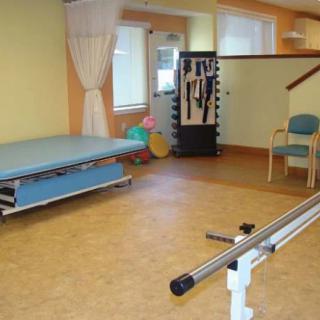
On the plus side, the strongest operational note is the rehabilitation and wound-care capability evident in several reviews. When functioning at its best, the staff demonstrated warmth, competence, and a capacity to support recovery, with some reviewers praising the administrator and director of nursing as accessible and effective. The building’s upkeep and location also appear favorable in many accounts, with mentions of a clean environment and recent visual upgrades that improve first impressions. In short, for post-acute needs where high-quality rehab input and professional oversight can be sustained, the facility can deliver meaningful gains and a workable care plan, especially if a resident’s needs stay within the scope of what a responsive, engaged team can manage.
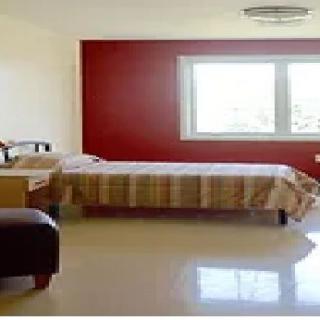
The most consequential drawbacks show up as gaps in reliability and everyday experience. A sizeable portion of reviews allege understaffing at times, slow nurse responses, and routines that fail to meet expectations for timely care. Diet and meal quality surface repeatedly as a concern, with descriptions of food that some residents and families found unpalatable or inflexible to dietary preferences. Structural maintenance and ambience also appear inconsistent, rooms with peeling paint or dated equipment, which undermines comfort and perceived safety. These factors matter: even strong rehabilitation protocols can be offset or nullified if basic daily care and environment do not meet standard expectations. Where consistent nursing responsiveness and a clean, welcoming setting are nonnegotiable, those gaps cannot be ignored.
Further complicating the decision are health-care process failures cited in several stories, including disputes over transfers, HIPAA concerns, and a few highly serious outcomes that resurface every time the topic comes up. These elements underscore a core risk: while a resident may benefit from rehab expertise, the overall safety net is not uniformly reliable, and communication can fracture when family members need answers or timely updates. For families considering this community, it becomes essential to frame questions around incident reporting, transparency of care plans, and the steps taken when a resident’s condition changes. Understanding how the facility handles hospital transfers, discharge planning, and family liaison will illuminate whether the care model can be trusted over the longer arc of recovery.
In the end, this community trends toward a mixed-use decision: it can serve well for a clearly defined rehabilitation pathway and for residents whose families are prepared to be proactive partners in care. The combination of capable wound care, rehabilitation potential, and occasional standout staff moments provides a credible foundation for recovery when conditions align. However, the recurrent impressions of inconsistent staffing, mixed food quality, and troubling operational gaps cannot be ignored. If the priority is consistent, predictable daily care, forthright communication, and a pristine living environment, alternatives are worth exploring. For a family willing to engage actively, ask sharp questions, and insist on ongoing oversight, Apple Rehab Mystic can still be a viable option, but only with a plan to patrol the basics as relentlessly as the rehab goals themselves.
 60 resident community capacity
 Skilled Nursing Facility
 Air-conditioning
 Beauty salon
 Cable or satellite TV
 Computer center
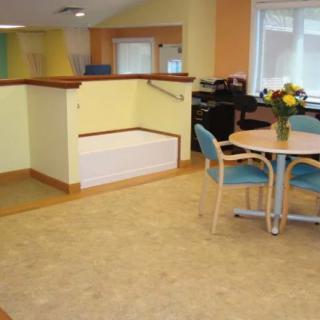
 Dining room
 Fitness room
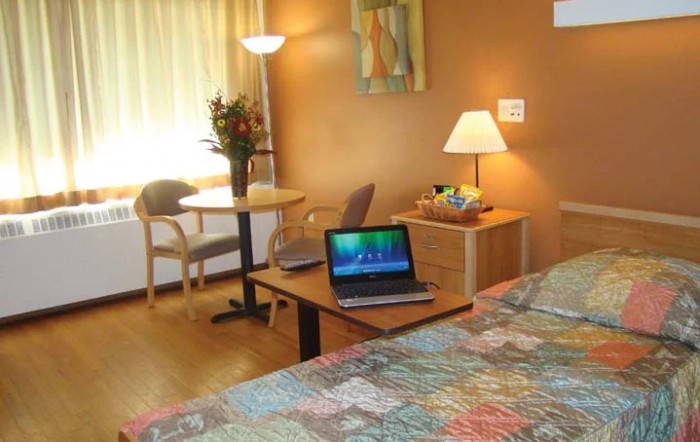
 Fully furnished
 Gaming room
 Garden
 Housekeeping services
 Kitchenette
 Move-in coordination
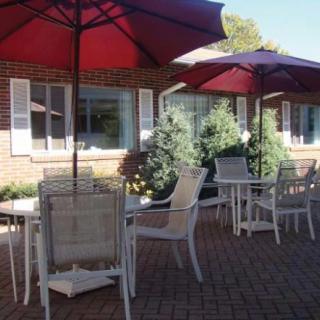
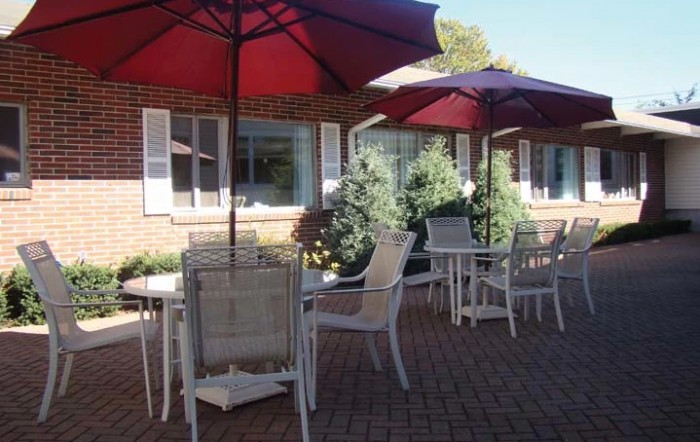
 Outdoor space
 Private bathrooms
 Restaurant-style dining
 Small library
 Telephone
 Wellness center
 Wi-Fi/high-speed internet available
 Community operated transportation
 12-16 hour nursing
 24-hour call system
 Activities of daily living assistance
 Assistance with bathing
 Assistance with dressing
 Assistance with transfers
 Diabetes diet
 Medication management
 Mental wellness program
 Special dietary restrictions
 Concierge services
 Planned day trips




 A Detailed Examination of Nursing Home Costs Across the U.S.
 Exploring Nonmedical Home Care: Understanding Services, Costs, and Financial Approaches
 Engaging Brain Games and Innovative Apps to Keep Senior Minds Active