
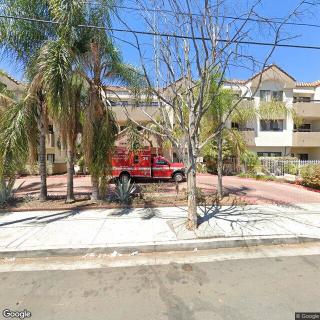
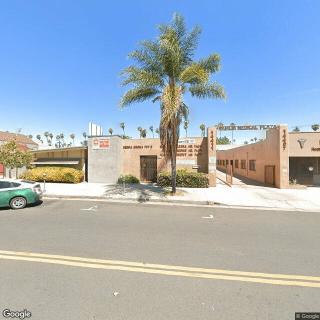
6835 Hazeltine Avenue, Van Nuys, CA 91405
For more information about senior living options: (866) 208-4318
Overall Review of Van Nuys Health Care Center
Pros
 The Care Center on Hazeltine made a six-week aggressive IV antibiotic program tolerable, comfortable, and pleasant.
 - The staff are attentive and genuinely care about residents’ comfort.
- The administrator is supportive and informative, the facility is clean, and the staff are competent with great nurses.
- The food is good, exceptional for a small facility.
- The caregivers are among the most compassionate staff the reviewers have experienced.
- The loving care shown by the staff supports rehabilitation, with professionals like Charmaine providing outstanding support and the entire staff delivering needed care.
- Nurses provide regular updates to families, and admissions, social work, and management coordinate smoothly.
- The facility is small but well-managed, consistently clean, and offers engaging activities, movies, and outings.
- Personal care services such as hair care and nail care are available, with daily activities to keep residents engaged.
Cons
 The reviewer felt the facility cares more about Medicare dollars than the elderly.
 - The facility was not clean.
- They delayed sending a patient to the hospital after a head injury, doing so only to remove her once benefits were exhausted.
- They failed to provide a doctor’s report or timely callbacks.
- They would not readmit the patient after discharge, despite an untreated UTI.
- The food quality was poor, with soggy eggs and cold sandwiches.
Review
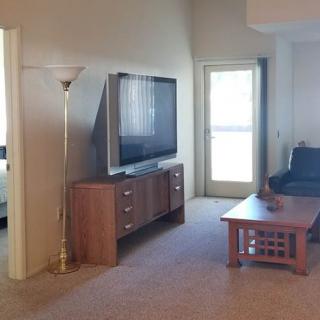
Van Nuys Health Care Center is best suited for families seeking a small, intimate skilled-nursing environment that prioritizes hands-on recovery and personal connection. The community shines for post-acute rehab, where patients arrive after surgery or illness and report meaningful, purposeful therapy progress delivered with patience and warmth. Staff are consistently described as attentive and genuinely focused on comfort, with nurses, CNAs, and therapists working as a coordinated unit. The setting is compact enough to feel homelike while still offering robust therapy services, and the dining experience is notably good for a facility of its size. For families prioritizing a relationship-driven, high-touch approach to rehabilitation and reintegration, this center often stands out.
But this facility may not fit every situation. Alternatives are worth considering for residents needing long-term custodial care with extensive memory-care programming or for those who require broader medical oversight beyond what a smaller campus can reliably provide. A larger campus with more on-site physicians or a dedicated dementia unit may better serve advanced cognitive needs or complex chronic conditions. Families operating on tight post-acute budgets should plan for potential cost transitions once Medicare or other benefits taper, as price dynamics can complicate long-term planning. In short, those seeking a very low-cost, high-volume operation or rigorous medical control may want to compare options.
The strongest positives offset several potential drawbacks. The care team’s compassion and competence are repeatedly cited as the facility’s defining strength: attentive, professional nurses; patient aides; and a care-forward attitude that makes comfort a primary goal. Administrative leadership is described as supportive and accessible, with a capable admissions coordinator and a thoughtful social worker who help coordinate transitions and family communications. The small size yields easier oversight, clearer accountability, and a sense that every resident is known personally. Cleanliness and a welcoming atmosphere recur in reviews, reinforcing a sense of stability that is especially valuable during rehab-focused stays.
Therapy and activity programming are core strengths. Residents typically have access to physical, occupational, and speech therapy, with multiple accounts of tangible improvements in mobility, independence, and daily function. Daily routines, shared activities, and accessible services, such as on-site hair care and other personal touches, help preserve dignity and normalcy. Families also appreciate flexible visitation and visible staff engagement, including regular updates from nursing and therapy teams. For families seeking a recovery-focused trajectory that emphasizes progressive goals, these elements translate into measurable peace of mind and smoother transitions back toward home life.
Red flags appear in a minority of reviews and warrant careful due diligence. One account questions cleanliness, and a recurring theme across the set concerns discharge timing and the financial implications after Medicare benefits end, which can pressure families to re-evaluate ongoing placement. Medical oversight surfaced as a worry in at least one case, including questions about timely treatment and hospital coordination for head injuries or infections. While many families report seamless communication and confident clinical management, these concerns should prompt prospective residents to request current quality metrics, tour with a critical eye, and ask pointed questions about physician supervision, hospital transfer protocols, and the facility’s cost-coverage policies.
Overall, Van Nuys Health Care Center presents a compelling option for families prioritizing a caring, rehab-centered environment in a small, well-staffed setting. For post-acute recoveries where therapy quality, staff warmth, and a homelike atmosphere are decisive, this community often outperforms larger operators. It is less well matched for those needing long-term custodial care with extensive memory-care programming, or for families who must strictly control ongoing costs and Medicare transitions. Prospective families should arrange a visit, speak with the administrator, and review recent resident satisfaction data and clinical performance before deciding. A thoughtful tour will reveal whether the daily reality aligns with the high-touch expectations that define recovery-focused care.
 58 resident community capacity
 Skilled Nursing Facility
 Air-conditioning
 Beauty salon
 Cable or satellite TV
 Computer center
 Dining room
 Fitness room
 Fully furnished
 Gaming room
 Garden
 Housekeeping services
 Kitchenette
 Move-in coordination
 Outdoor space
 Private bathrooms
 Restaurant-style dining
 Small library
 Telephone
 Wellness center
 Wi-Fi/high-speed internet available
 Burbank-Glendale-Pasadena (5 miles away)
 Community operated transportation
 12-16 hour nursing
 24-hour call system
 Activities of daily living assistance
 Assistance with bathing
 Assistance with dressing
 Assistance with transfers
 Diabetes diet
 Medication management
 Mental wellness program
 Special dietary restrictions
 Concierge services
 Planned day trips




 A Detailed Examination of Nursing Home Costs Across the U.S.
 Exploring Nonmedical Home Care: Understanding Services, Costs, and Financial Approaches
 Engaging Brain Games and Innovative Apps to Keep Senior Minds Active