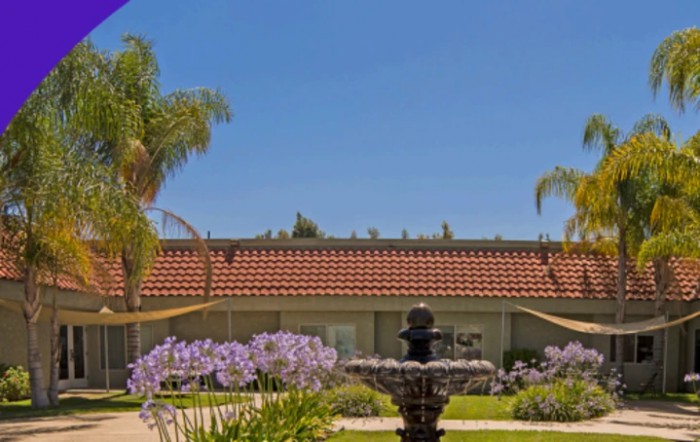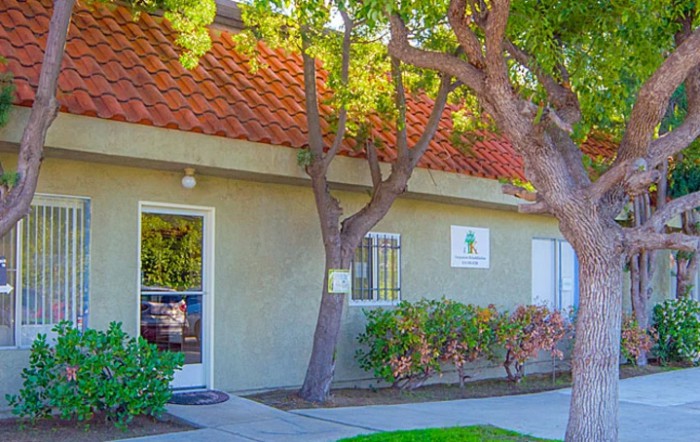
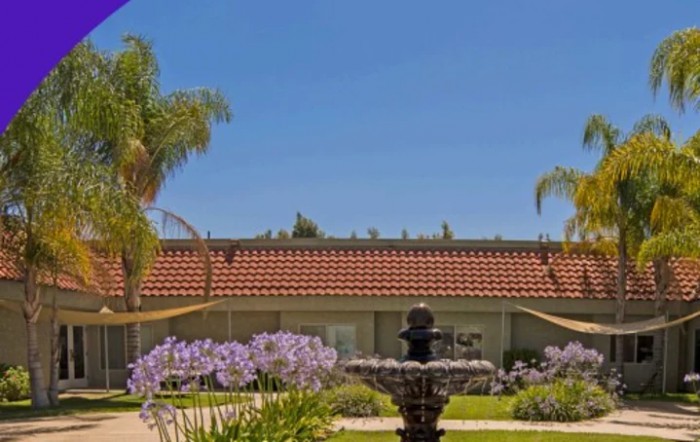
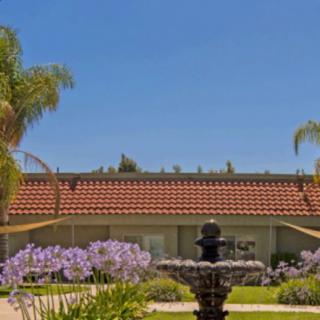

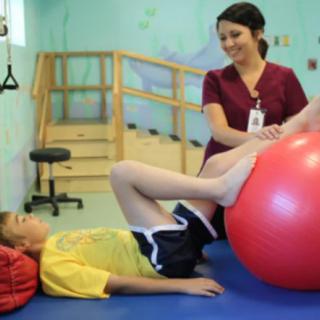

10716 La Tuna Canyon Road, Sun Valley, CA 91352
For more information about senior living options: (866) 208-4318
Totally Kids Specialty Healthcare - Sun Valley Costs & Pricing
Totally Kids Specialty Healthcare in Sun Valley offers competitive pricing for its various room types when compared to the broader market in Los Angeles County and the state of California. For a studio, the cost at Totally Kids stands at $3,480 per month, which is notably lower than both the county average of $4,172 and the state average of $4,145. Similarly, their one-bedroom units are priced at $4,590, which is slightly less than both the county's rate of $4,603 and the state's average of $4,340. In terms of two-bedroom accommodations, Totally Kids again provides an attractive option at $4,600 per month, significantly more affordable than Los Angeles County's average of $6,164 and even below California's statewide average of $5,270. Overall, these rates position Totally Kids Specialty Healthcare as a financially viable choice for families seeking specialized care in a supportive environment.
| Floor plans | Totally Kids Specialty Healthcare - Sun Valley | Los Angeles County | California |
|---|---|---|---|
| Studio | $3,480 | $4,172 | $4,145 |
| 1 Bedroom | $4,590 | $4,603 | $4,340 |
| 2 Bedrooms | $4,600 | $6,164 | $5,270 |
Skilled Nursing Facilities with a similar price nearby
-
from +$440 / mo

Sakura Gardens of Los Angeles
$3,920 to $4,535 / month15.5 miles away -
from +$170 / mo

Beverly Hills Carmel Retirement Hotel North
$3,650 to $6,250 / month11.2 miles away -
from -$515 / mo
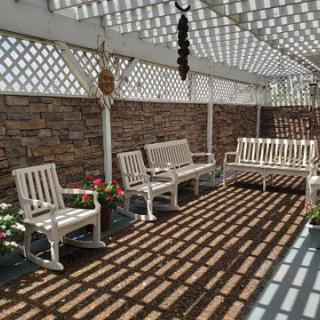
Pacifica Senior Living Northridge
$2,965 to $3,665 / month9.3 miles away -
from -$325 / mo
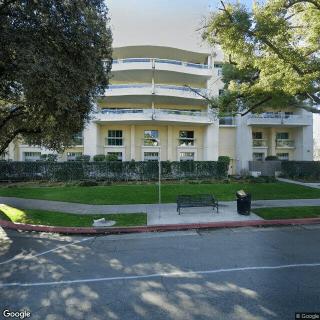
Villa Gardens
$3,155 to $5,590 / month14.2 miles away -
About the same
Ararat Convalescent Hospital
$3,540 to $5,050 / month10.5 miles away
Overall Review of Totally Kids Specialty Healthcare - Sun Valley
Pros
 They love the facility and describe the staff as very helpful, and their son loves it.
- They report that their son has been making big progress at Totally Kids and that they have had a really good experience with everyone on staff.
- They find the monthly care meetings valuable and productive.
- They express gratitude toward TK for the care.
- They describe the staff as friendly and professional, noting the receptionist and admin staff are flexible and professional.
- They observed generosity from the staff when gifts were exchanged, describing it as a blessing to witness.
Cons
 TK allegedly allowed ongoing neglect that led to the breakdown of healthy skin.
 - The staff are described as dishonest and unfriendly, with caseworkers and social workers appearing unhappy.
- A CNA allegedly left soiled diapers next to the son’s ice, and adherence to state rules is described as atrocious.
- The care is characterized as understaffed and underqualified for brain injuries.
- Management is portrayed as treating the facility like a business with little regard for patients, and staff are described as manipulative and unhealthy of mind.
- The meals and feeding practices are criticized as inappropriate and poorly prepared for brain injury recovery.
- Joel, a staff member, is accused of unprofessionalism and should be fired; the place is labeled the worst place to take kids.
- Nurses and social workers are accused of lacking ethics and acting like kindergartners.
Review
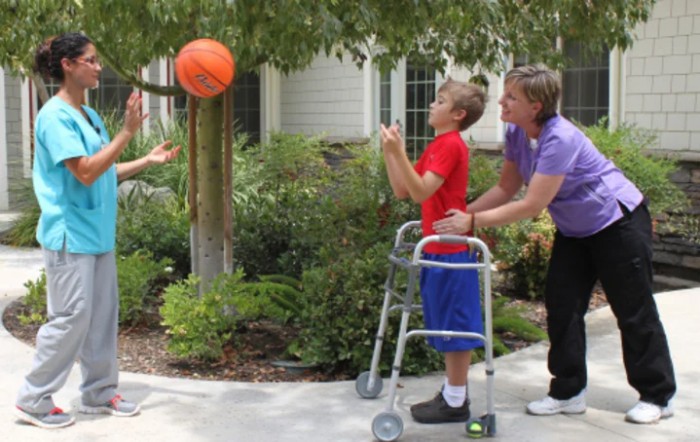
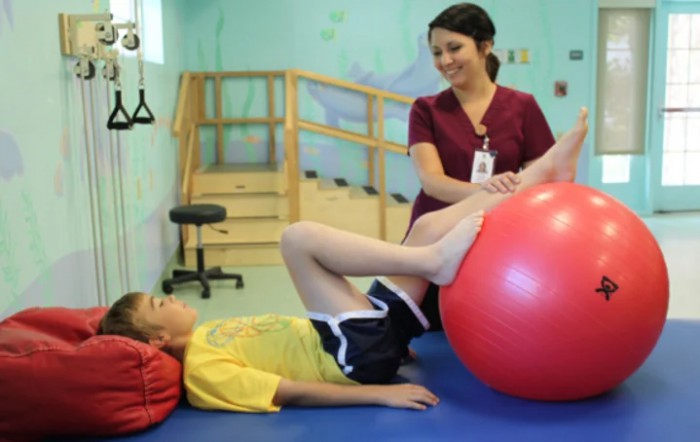
Totally Kids Specialty Healthcare in Sun Valley is best suited for families seeking pediatric neuro-rehabilitation and long-term supportive care for a child with brain injury or similar complex neurological needs, and who place real value on structured clinical involvement. The model centers on ongoing care planning and regular team conferences, with staff described as helpful and capable in the best moments. For families who want to see tangible progress and who are comfortable coordinating with a multidisciplinary team, the setting can deliver meaningful gains through coordinated therapies and consistent communication. The facility’s pediatric focus and emphasis on family engagement are strengths when the care pathway is well-executed and staffing is stable.
Yet there are warnings that cannot be ignored. Several reviews characterize the operation as unprofessional or neglectful, with reports of under-staffing and staff behavior that can degrade trust and safety. Claims range from inadequate supervision and hygiene lapses to meals and everyday routines that fail to meet basic standards, with families feeling compelled to stay vigilant through the night. While not every interaction fits this narrative, the presence of multiple harsh critiques, particularly from parents or guardians deeply involved in the child’s daily life, creates a credible signal about variability in care quality and reliability. In such a climate, some families will want to explore alternatives with stronger track records of consistent safety.
On the positive side, some families report genuine progress and appreciate the monthly care meetings that gather everyone around a productive planning table. Friendly administrative staff and a willingness to accommodate caregiving requests can ease the transition into a highly structured environment. For certain cases, the facility’s focused pediatric expertise and a culture of family advocacy enable hands-on involvement that helps families feel heard and informed. The presence of a supportive social-work component and opportunities for direct engagement with therapy teams can enhance accountability and clarity of goals. When these elements align with a child’s needs, meaningful improvements can occur, reinforcing the choice for families who prioritize collaboration and advocacy.
Decision-making should hinge on concrete assurances about safety and consistency. Prospective families should verify staffing ratios and turnover, qualifications of CNAs and nurses, and the competency to manage brain-injury–related needs such as tracheostomy care and seizure precautions. Request recent incident reports and a transparent, real-time access to daily schedules, nutrition plans, and hygiene protocols. Tour the facility at various times to observe bedside routines, cleanliness, and how caregivers respond to urgent requests. Ask for a clear escalation path if concerns arise and for access to independent reviews or accrediting bodies. Only by validating these operational elements can confidence be placed on the care path offered.
Consider alternatives when the emphasis shifts toward unwavering reliability and specialized brain-injury expertise. Other centers with proven pediatric neurorehab programs may provide more predictable staffing, longer-tenured caregivers, and stricter adherence to care plans, reducing the risk of lapses that can impact fragile patients. For families with children who require constant vigilance, a facility with demonstrable safety records and robust family-communication channels will likely outperform in critical moments. Yet for a family that negotiates care through collaboration, and where progress has been feasible under shared oversight, TK Sun Valley can still be a viable option, provided the right oversight and expectations are established from the outset.
In sum, Totally Kids Sun Valley serves a specific niche: families seeking active involvement, structured care planning, and a pediatric-focused environment where progress is plausible when staffing holds steady. The major caveat is the array of negative reports surrounding staff conduct, supervision, and basic daily care, issues that, if realized, can overshadow potential gains. The prudent route is to weigh the child’s vulnerability against the facility’s demonstrated strengths in care conferences and family engagement, while simultaneously demanding rigorous safeguards and clear accountability. If these safeguards cannot be guaranteed, the prudent decision favors alternatives with stronger, more consistent safety records and specialized brain-injury expertise.
 45 resident community capacity
 Skilled Nursing Facility
 Beauty salon
 Cable or satellite TV
 Dining room
 Fully furnished
 Garden
 Housekeeping services
 Kitchenette
 Move-in coordination
 Outdoor space
 Restaurant-style dining
 Small library
 Telephone
 Wi-Fi/high-speed internet available
 Burbank-Glendale-Pasadena (2 miles away)
 24-hour call system
 Activities of daily living assistance
 Assistance with bathing
 Assistance with dressing
 Assistance with transfers
 Diabetes diet
 Medication management
 Mental wellness program
 Special dietary restrictions


 Understanding the Nuances of Palliative Care and Hospice: A Comprehensive Exploration
 Is In-Home Healthcare Tax Deductible? Your Comprehensive Guide
 Nurturing Well-Being Through Gardening: A Detailed Guide for Senior Enthusiasts