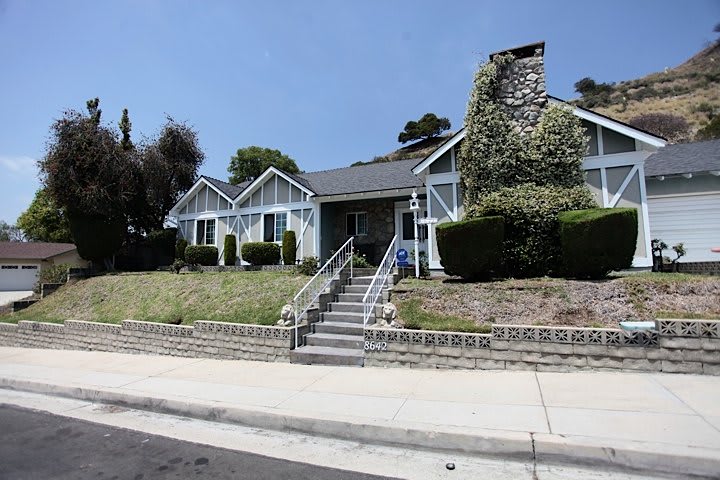
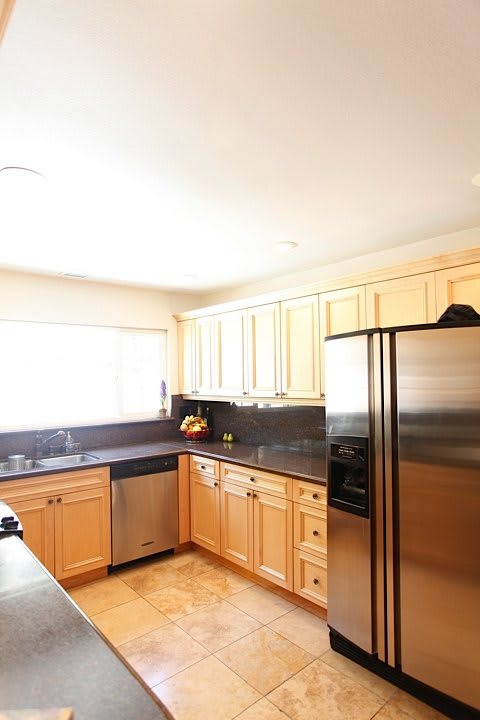
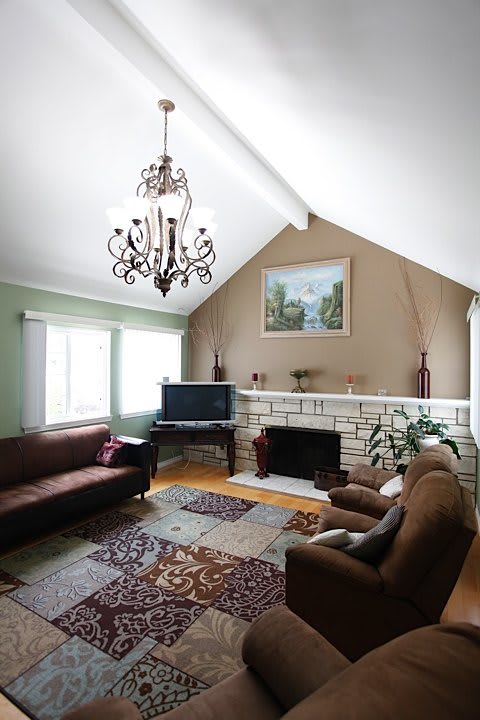
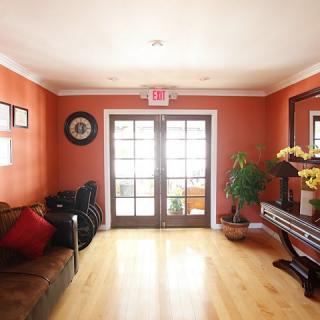
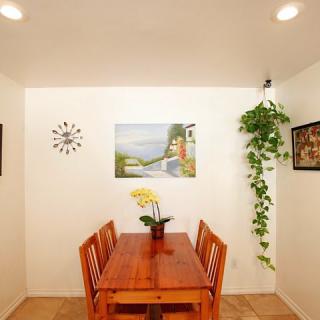
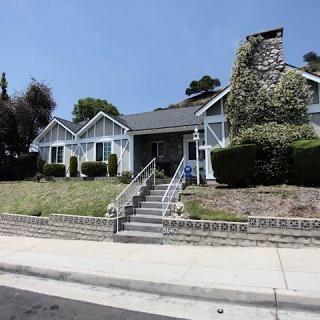

8642 Vine Valley Drive, Sun Valley, CA 91352
For more information about senior living options: (866) 208-4318
Vine Valley Homes Costs & Pricing
Vine Valley Homes offers a competitive pricing structure for its residential accommodations, with private rooms ranging from $2,500 to $9,000 per month. This flexibility allows for a variety of budgetary needs compared to Los Angeles County, where the average cost hovers around $4,197, and the state average at approximately $3,939. For semi-private rooms, Vine Valley Homes stands out with a fixed rate of $2,500, significantly lower than both Los Angeles County's average of $3,349 and California's statewide figure of $3,333. In the one-bedroom category, Vine Valley Homes again presents an attractive option at $2,800 per month, well below the county's average of $4,603 and California's average of $4,340. Overall, residents can find affordability and value at Vine Valley Homes while enjoying a quality living experience.
| Floor plans | Vine Valley Homes | Los Angeles County | California |
|---|---|---|---|
| Private | $2,500 to $9,000 | $4,197 | $3,939 |
| Semi-Private | $2,500 | $3,349 | $3,333 |
| 1 Bedroom | $2,800 | $4,603 | $4,340 |
Memory care communities with a similar price nearby
-
from +$250 / mo
Dignity Care Home 1
$2,750 to $4,150 / month7.4 miles away -
from -$300 / mo
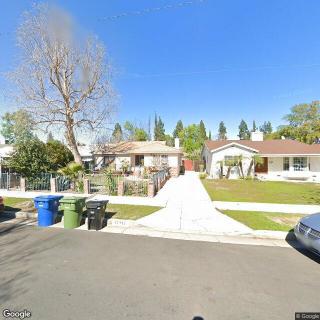
Granada Hills Gardens
$2,200 to $3,500 / month8.8 miles away -
About the same
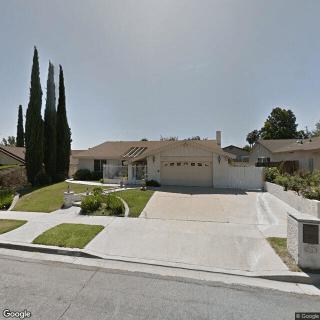
Sunrise Guest Home
$2,500 to $3,000 / month22.7 miles away -
from +$465 / mo
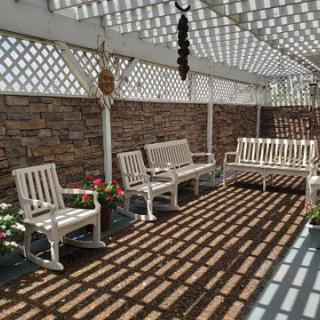
Pacifica Senior Living Northridge
$2,965 to $3,665 / month9.6 miles away -
from +$450 / mo

Astoria Park
$2,950 to $5,550 / month13.9 miles away
Overall Review of Vine Valley Homes
Pros
 Sada and Karina are very nice and do love their patients.
- They are easy to work with and helped get her in quickly during a time crunch.
- The facility is described as clean and friendly.
- The staff speak Armenian, which is great for the mother.
- The resident is being well fed and well taken care of, and seems to be in better shape.
Cons
 They do not recommend this facility for dementia or Alzheimer’s patients; it is described as an assisted-living house only.
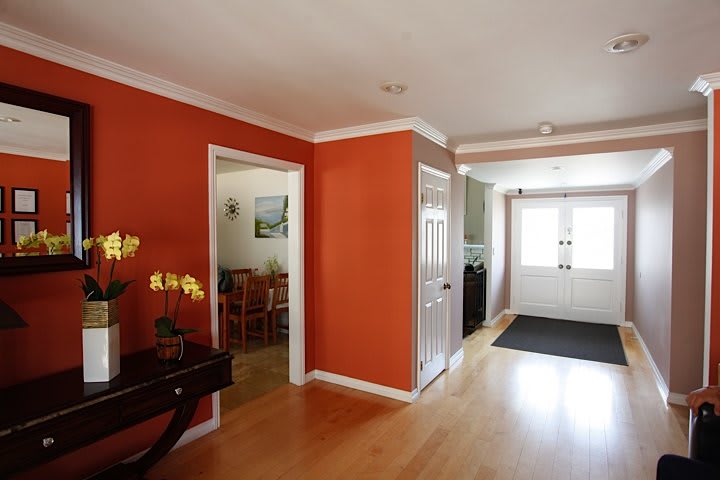
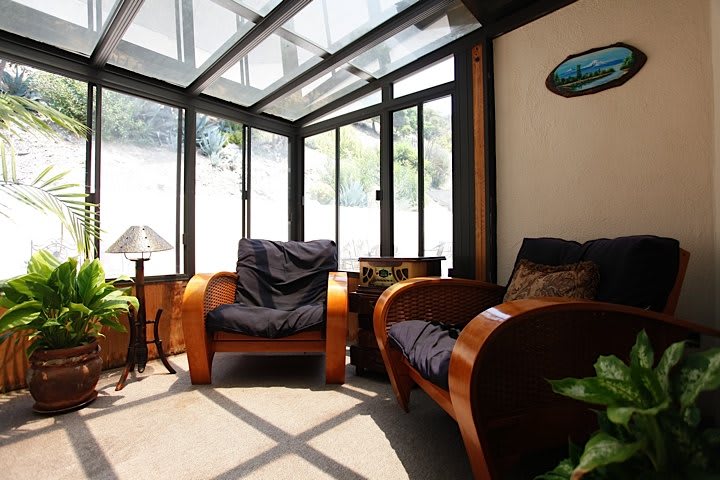
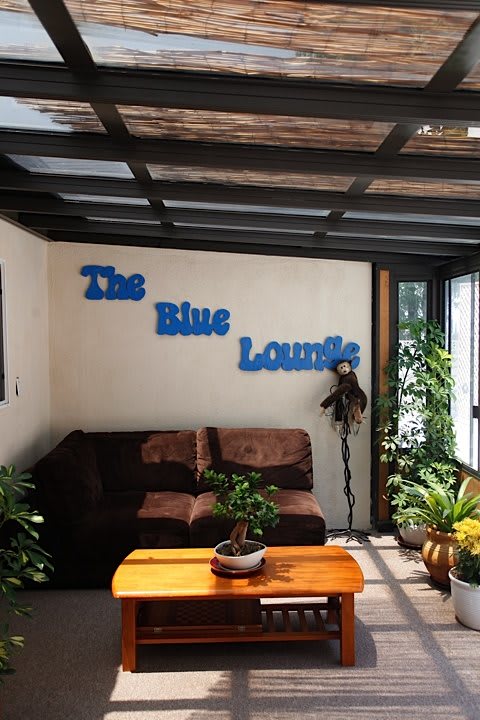
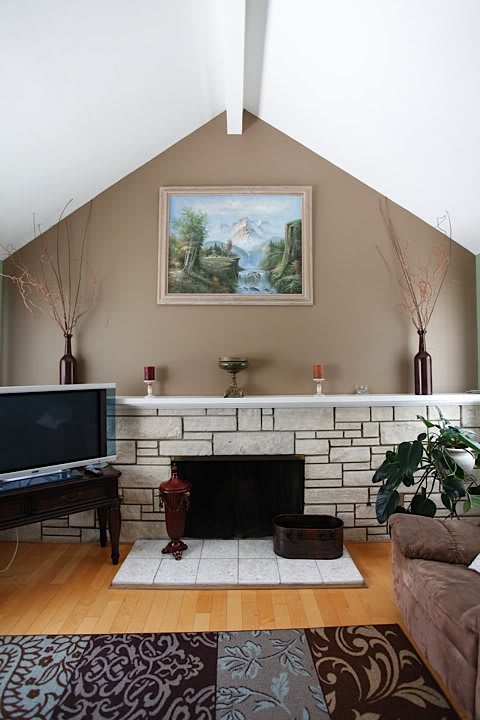
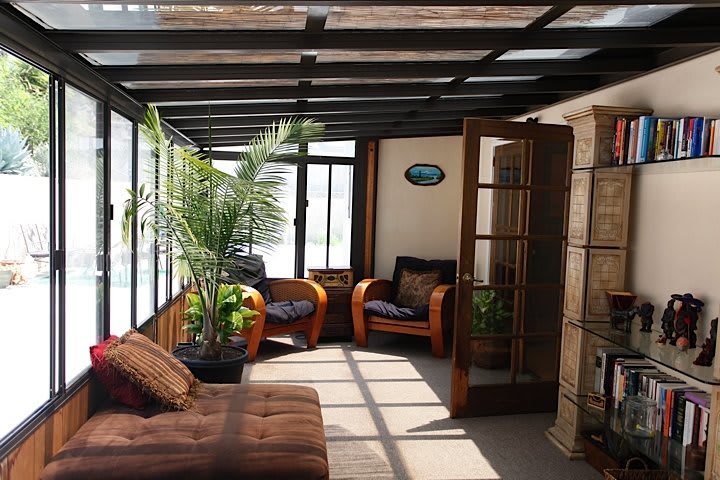
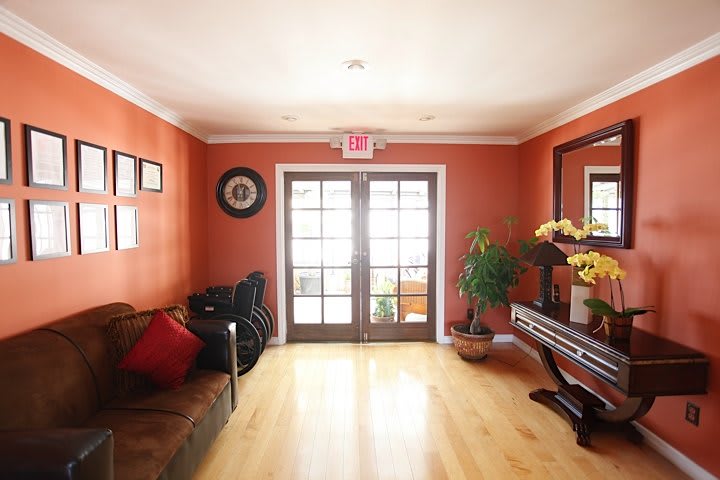
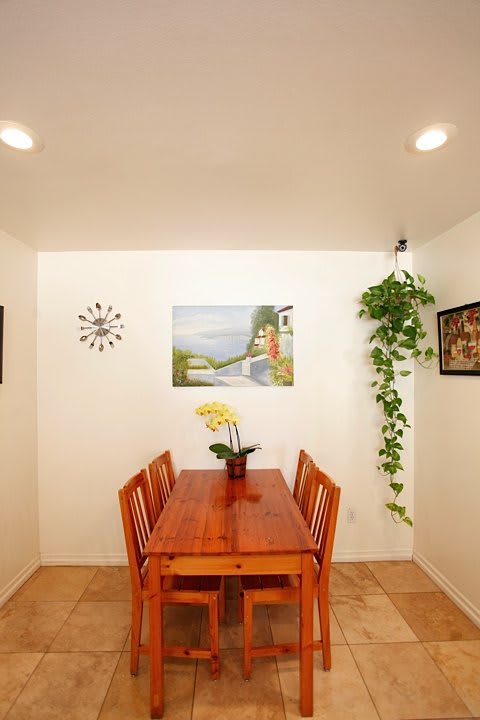
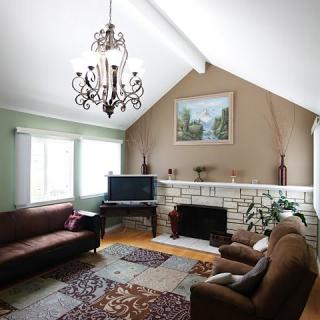
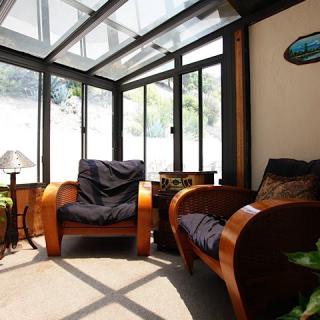
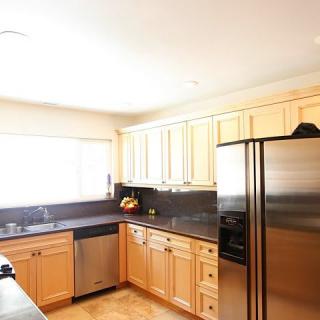
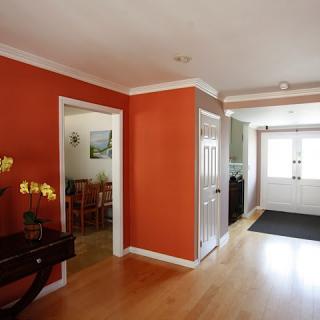
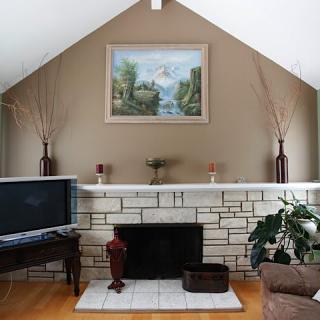
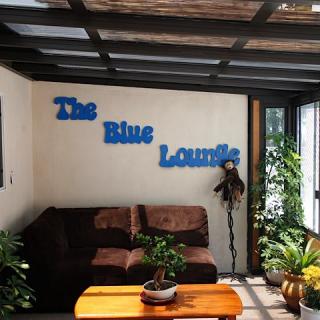
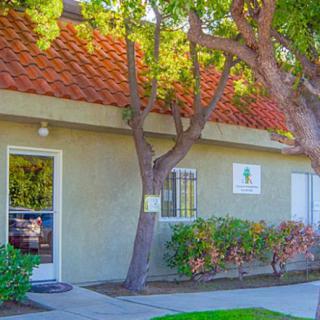
- The description of the house is very inaccurate, and the display photos are not accurate.
- There are no activities or cognitive-stimulation programs for residents; memory-care needs are not addressed.
- The caretakers are not trained CNAs and lack geriatric care experience; they are overworked.
- The staff speak little English and have limited ability to explain residents’ status; upper management is unresponsive.
- Vine Valley’s advertising claims (one-to-one nursing, various medical services, etc.) are false; there is usually only one caregiver for 6–8 patients.
- The listed services are not actually provided and many require extra fees; the facility feels like warehousing rather than care.
- Food-safety concerns exist: caregivers sometimes lack hair nets, gloves, and there is no visible food-handler certificate.
- Residents are moved around within the facility, have falls, and families receive little information about welfare.
- The environment is unfriendly to families and visitors; there is no true one-on-one nursing care and communication is often lacking.
Review
Vine Valley Homes in Sun Valley is best suited for seniors who need only light, day-to-day assistance and who value a small, home-like setting over formal, hospital-style care. The property appeals to families seeking a simple, less clinical atmosphere where staff appear kind and attentive at a basic level, and where independence remains relatively intact. It is not the right match for anyone who requires memory care, licensed nursing, or robust clinical oversight, nor for residents with significant safety or daily-care needs.
Those considering alternatives should especially look at options with certified memory-care programs and licensed nursing staff. The reviews consistently flag dementia or Alzheimer’s care as outside this facility’s wheelhouse, noting a lack of specialized training, routine cognitive stimulation, and structured activities. That misalignment between marketing claims and on-the-ground capabilities is a primary red flag for families with loved ones who have memory impairment, frequent incontinence, mobility challenges, or complex medication needs. For anyone needing skilled nursing or consistent one-to-one supervision, other communities are clearly the safer path.
The strongest positives revolve around the human touch and housekeeping basics. Caregivers described as pleasant and caring, a homey, non-institutional feel, and generally clean premises stand out in favorable notes. In urgent placement scenarios, the facility’s willingness to move quickly is a practical asset. Language compatibility for some residents, such as Armenian-speaking staff, also helps with daily communication and comfort. These elements can translate into meaningful daily life for residents with minimal supervision needs who prize warmth and companionship over clinical rigor.
However, the cons are persistent and substantial. The most consistent concern is staffing: reviewers report one caregiver tending to six to eight residents, limited English proficiency among staff, and a lack of formal CNA training or geriatric care education. The advertised scope of services, ranging from nursing to therapy to transportation, often contrasts with what is observed, with families describing understaffing, missed or vague communications, and gaps in essential care tasks. The absence of engaging activities, exercise, or cognitive stimulation is repeatedly cited for residents who would benefit from memory-care programming.
Safety and quality of life gaps compound the staffing issues. Families recount multiple falls, incomplete incident reporting, and the impression that residents may be left unfocused in a corner or not adequately supervised. Food quality and preparation are also flagged as inconsistent, with complaints about bland or unappealing meals and questionable food-handling practices. Taken together, these elements suggest a setting that functions more like warehousing than a carefully monitored, individually tailored care environment, particularly troubling for families wary of dementia progression or medical complications.
In the bottom line, Vine Valley Homes delivers a workable option only for a narrowly defined subset of seniors: those who need limited daily assistance, do not require memory care, and can tolerate a high degree of family oversight and active involvement in care decisions. For anyone facing dementia, complex medical needs, or a desire for proven, licensed nursing and therapeutic programming, alternatives are strongly advised. Pros offset only modestly when the resident’s needs align with the facility’s capabilities; the cons, by contrast, pose meaningful risks to safety, quality of life, and long-term wellbeing. A measured, skeptical approach, inspections, clear expectations, and decisive criteria for staff training, will be essential for families considering this option.
 6 resident community capacity
 Assisted Living
 Board and Care Home
 Memory Care
 Activities off-site
 Bath tubs
 Beautician on-site
 Cable or satellite TV
 Devotional services off-site
 Dining room
 Fully furnished
 Garden
 Housekeeping services
 Indoor common areas
 Move-in coordination
 Outdoor common areas
 Private
 Private bathrooms
 Telephone
 Wheelchair accessible showers
 Wi-Fi/high-speed internet available
 Burbank-Glendale-Pasadena (2 miles away)
 24-hour supervision
 Assistance with bathing
 Assistance with dressing
 Assistance with transfers
 Diabetes diet
 Diabetic care
 High acuity care
 Incontinence care
 Meal preparation and service
 Medication management
 Special dietary restrictions
 Transportation arrangement (medical)
 Transportation to doctors appointments

 5 Early Indicators of Dementia and What You Can Do
 8 Important Indicators That Memory Care May Be Necessary
 Delving into the Inner World of Dementia: Insights into Thoughts and Awareness