For more information about senior living options: (866) 208-4318
2.6 from 119 reviews
5 stars
38
4 stars
7
3 stars
5
2 stars
4
1 stars
65
Overall Review of San Mateo Medical Center
common14 reviews mention this
Caring, attentive staff stand out
Residents describe staff as caring, attentive, and helpful throughout visits.
Many reviewers emphasize warm, patient, and professional interactions with nurses, doctors, and other staff. Several mention being treated with empathy during difficult moments like emergency room visits, procedures, or inpatient stays. A few specifically call out helpful responsivenessā€”such as addressing comfort needs or communicating a plan.
caveat14 reviews mention this
Wait times and phone access frustrate
Residents report long waits and difficulty getting through on the phone.
A recurring issue is slow access to care and slow response once you arrive, with multiple reviews describing extended emergency room or appointment waits. Reviewers also describe phone and call-center problems, including being left on hold or having calls end or go unanswered. Several say the practical result is that appointments and scheduling feel harder than it should be.
common6 reviews mention this
Clean facilities and newer equipment
Residents frequently mention the hospital feels clean and well kept.
Multiple reviewers say the facility is clean and organized, sometimes pairing that with comments about newer equipment or a generally updated feel. A few also add that cleanliness is part of why they had a positive experience during procedures or after admission. One mixed review notes the need to walk more due to building work, but still calls out cleanliness.
caveat2 reviews mention this
Accessibility and parking concerns
Some residents report problems with accessible parking and wheelchair access.
Two reviews describe difficulty with disabled parking spaces being unavailable and with security directing people away from appropriate parking. One reviewer also mentions a lack of wheelchair availability at the front desks, while another describes being forced to park in less convenient areas without the right pass. Both frame these as real barriers that can lead to pain or missed appointments.
caveat4 reviews mention this
Billing and communication issues
Some residents report billing delays, repeated bills, or confusing account handling.
Several reviewers mention billing problems such as receiving repeated mailed bills, bills being handled in a way that leads to collections, or unclear coordination around payment plans. A separate complaint describes unexpectedly high charges after a brief visit. At least one reviewer also contrasts billing trouble with more positive staff interactions.
How we summarize
Counts show how many written reviews mention each theme; a review can touch several themes, and only frequently mentioned themes are displayed.
Features
Housing
345 resident community capacity
Types of Care
Skilled Nursing Facility
Amenities
Air-conditioning
Beauty salon
Cable or satellite TV
Computer center
Dining room
Fitness room
Fully furnished
Gaming room
Garden
Housekeeping services
Kitchenette
Move-in coordination
Outdoor space
Private bathrooms
Restaurant-style dining
Small library
Telephone
Wellness center
Wi-Fi/high-speed internet available
Transportation
San Francisco International (7 miles away)
Metropolitan Oakland International (14 miles away)
San Jose International (23 miles away)
Community operated transportation
Transportation arrangement
Transportation arrangement (non-medical)
Transportation to doctors appointments
Care Services
12-16 hour nursing
24-hour call system
24-hour supervision
Activities of daily living assistance
Assistance with bathing
Assistance with dressing
Assistance with transfers
Diabetes diet
Meal preparation and service
Medication management
Mental wellness program
Special dietary restrictions
Dining
Diabetes diet
Special dietary restrictions
Activities
Community-sponsored activities
Concierge services
Fitness programs
Planned day trips
Resident-run activities
Scheduled daily activities
Nearby Places of Interest
Hospitals
San Mateo Medical Center (0 miles)
Mills-Peninsula Radiology (2.7 miles)
Sequoia Hospital (4.3 miles)
Kaiser Permanente Redwood City Medical Center (5 miles)
Mills-Peninsula Health Services (6.2 miles)
A & C Convalescent Hospital (7.3 miles)
VA Medical Center-Menlo Park (8.9 miles)
Theaters
Cinepolis San Mateo (0.5 miles)
Pharmacies
Walgreens (0.5 miles)
CVS Pharmacy (0.6 miles)
CVS Pharmacy (1.5 miles)
CVS Pharmacy (2.1 miles)
CVS Pharmacy (2.2 miles)
CVS Pharmacy (2.3 miles)
Walgreens (2.7 miles)
Transportation
Hillsdale Station (0.5 miles)
San Carlos Airport (SQL) (2.9 miles)
San Carlos Airport Control Tower (3.1 miles)
Redwood City Caltrain Station (4.9 miles)
Millbrae Caltrain Station (6.7 miles)
Boarding Area C (7.4 miles)
Delta Sky Club (7.4 miles)
Parks
Laurelwood Park (1.4 miles)
Central Park (2.4 miles)
Leo J Ryan Memorial Park (2.4 miles)
Marlin Park (2.7 miles)
Highlands Park (3 miles)
Burton Park (3.2 miles)
Crestview Park (3.3 miles)
Cafes
Starbucks (2.1 miles)
Starbucks (4.9 miles)
Philz Coffee (5 miles)
Coffeebar (5 miles)
Starbucks (7.2 miles)
San Francisco Giants Clubhouse (7.9 miles)
Physicians
Urology: San Carlos Center: Palo Alto Medical Foundation (2.5 miles)
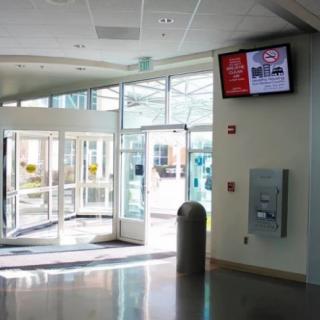
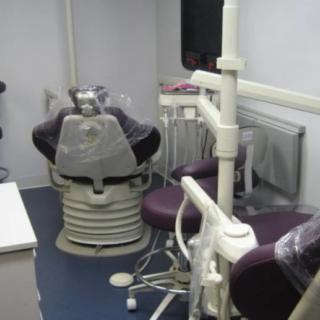
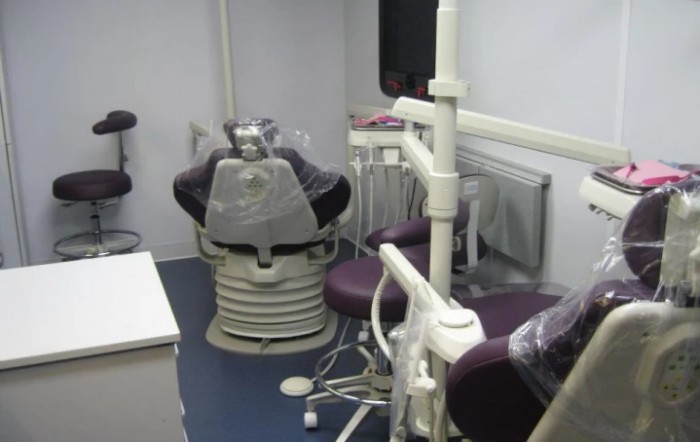
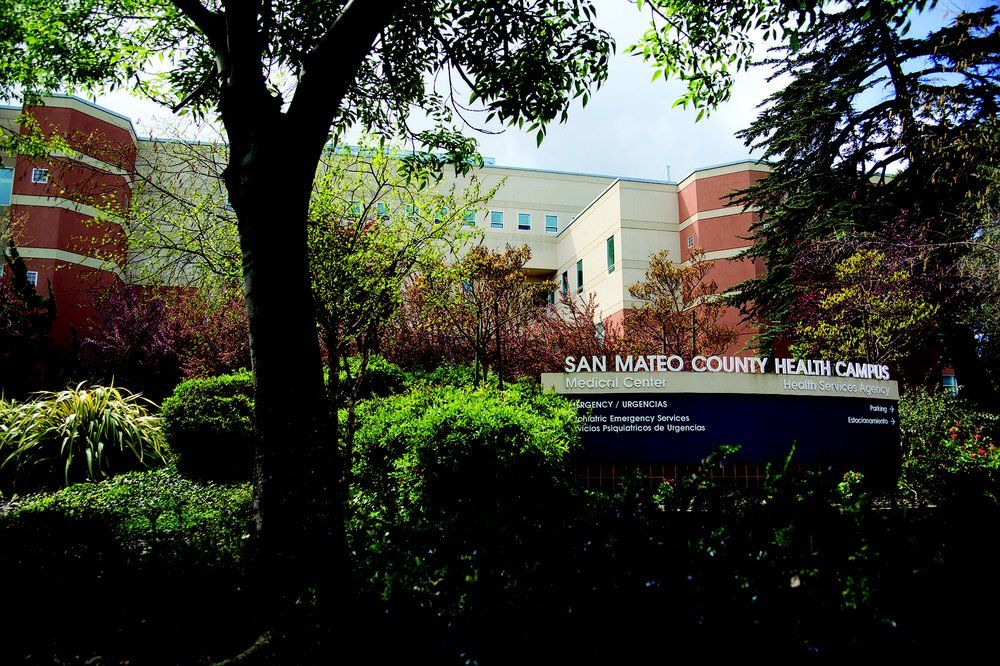
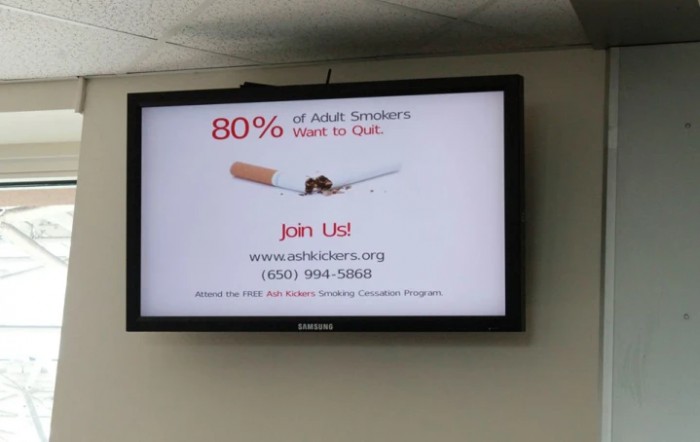
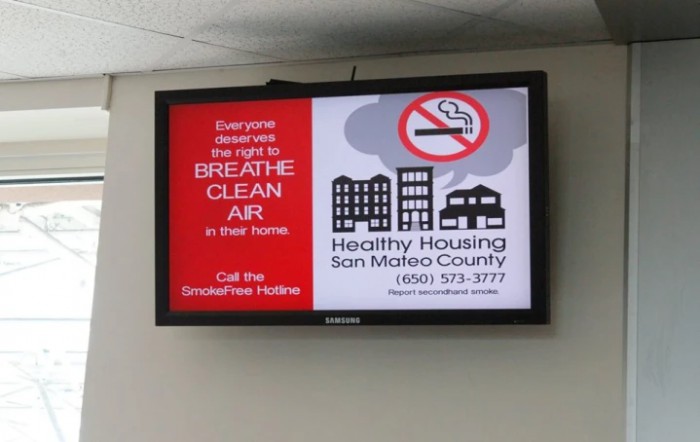
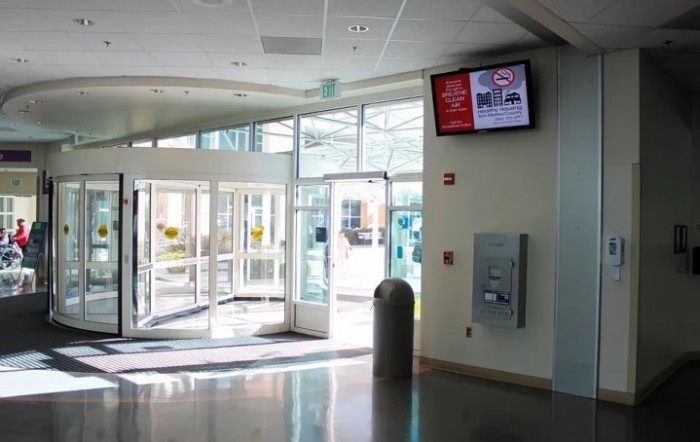
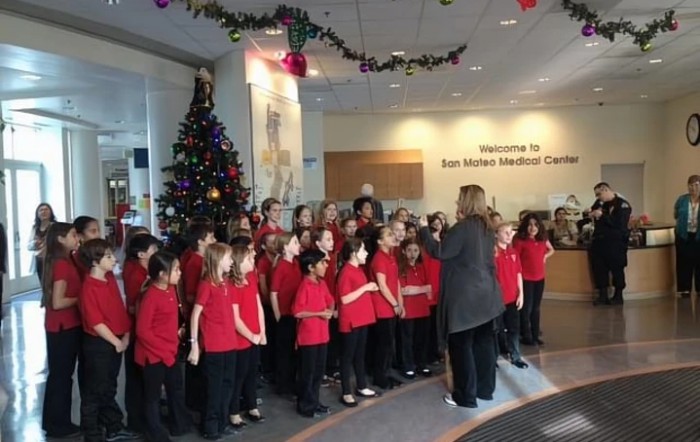
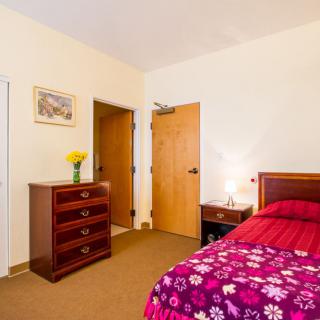
San Mateo Medical Center on seniors.fyi includes 6 photos including images showing interior, trees, building, outdoors, landscaping, entrance, lobby, modern architecture, and more.
Nearby Communities
J K Residential Care Home
San Mateo, CA
2.1 from 82 reviews
Convenient, secure living with close access to healthcare, dining, parks, and transportation.
Peninsula Elderly Care Home
San Mateo, CA
5 from 1 review
Personalized care with diabetes-friendly meals and engaging activities.
B & B Care Home
San Mateo, CA
4.7 from 3 reviews
$2,425 to $3,895 / month
Very affordable pricing for the area in a small, intimate setting.
B&B Residential Facilities (39 W)
San Mateo, CA
4.5 from 2 reviews
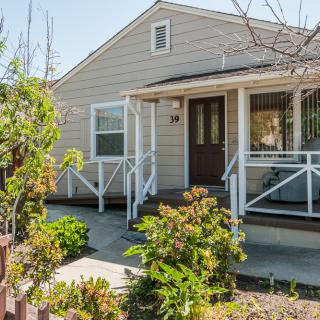
Small, home-like setting with comprehensive on-site care, meals, housekeeping, and organized activities.
B & B Care Home 2
San Mateo, CA
4.5 from 2 reviews
Small, personalized care with 24-hour supervision and daily activities.
B&B Residential Facilities (15 W)
San Mateo, CA
4.5 from 2 reviews
Fully furnished rooms with housekeeping, daily activities, and diabetes-friendly meals.
Bonnie Brae Terrace
Belmont, CA
4.3 from 24 reviews
Varied resident activities and a dedicated fourth-floor unit for higher care in a pleasant setting.
Atria at Foster Square
Foster City, CA
4.6 from 208 reviews
$7,000 to $12,900 / month
Bright, clean, upscale community with friendly staff and engaging activities.
Burlingame Villa
Burlingame, CA
3.7 from 19 reviews
$4,395 to $5,595 / month
Caring, attentive staff in a home-like setting with a well-kept garden and engaging activities.
Caregiver burnout is a common issue resulting from the intense physical, emotional, and mental demands of caregiving, leading to symptoms like fatigue and social withdrawal. To prevent burnout, caregivers should recognize early warning signs and implement self-care strategies, seek support, and prioritize their own well-being alongside that of those they care for.
Caregiver exhaustion, or burnout, stems from the relentless demands of caregiving, leading to emotional and physical depletion characterized by stress, frustration, and neglect of personal needs. Addressing this burden is essential to prevent long-term consequences, with early recognition and support being crucial for caregivers to maintain balance and implement self-care.
Hospice care at home provides specialized end-of-life support that focuses on comfort and dignity for individuals with life-limiting illnesses, offering a range of services including medical management, emotional and spiritual support, and logistical assistance tailored to the family's needs. It involves collaboration to create individualized care plans and extends to bereavement support after a loved one's passing.
Get PricingAsk A QuestionSchedule A TourContact Senior Advisor
By clicking submit, you agree to our Partner's Terms of Use. You
also consent to receive calls and texts, which may be autodialed, from our Partner. Your consent is not a condition to
using our Partner's service. Please visit our Partner's Privacy Policy for information about their privacy practices.

 345 resident community capacity
 Skilled Nursing Facility
 Air-conditioning
 Beauty salon
 Cable or satellite TV
 Computer center
 Dining room
 Fitness room
 Fully furnished
 Gaming room
 Garden
 Housekeeping services
 Kitchenette
 Move-in coordination
 Outdoor space
 Private bathrooms
 Restaurant-style dining
 Small library
 Telephone
 Wellness center
 Wi-Fi/high-speed internet available
 San Francisco International (7 miles away)
 Community operated transportation
 12-16 hour nursing
 24-hour call system
 Activities of daily living assistance
 Assistance with bathing
 Assistance with dressing
 Assistance with transfers
 Diabetes diet
 Medication management
 Mental wellness program
 Special dietary restrictions
 Concierge services
 Planned day trips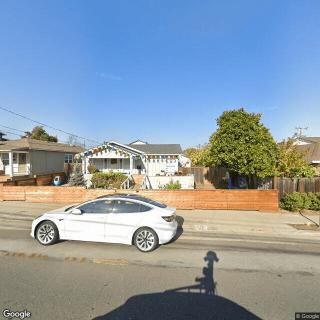
 Convenient, secure living with close access to healthcare, dining, parks, and transportation.

 Caring for Those Who Care: Recognizing, Understanding, and Overcoming Caregiver Burnout
 Caregiver Exhaustion: Recognizing the Signs and Restoring Your Well-Being
 Understanding Hospice Care at Home: Comprehensive Services, Key Benefits, and Eligibility