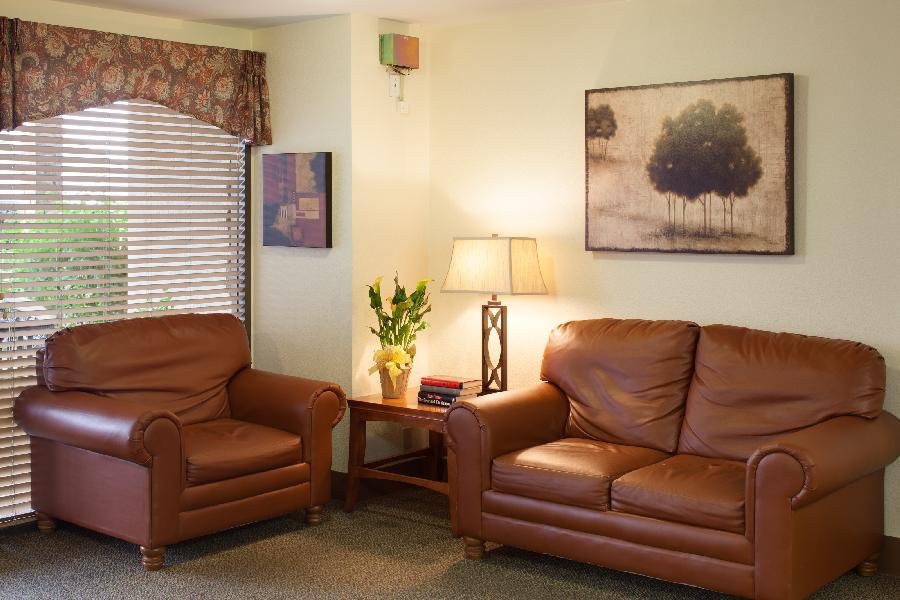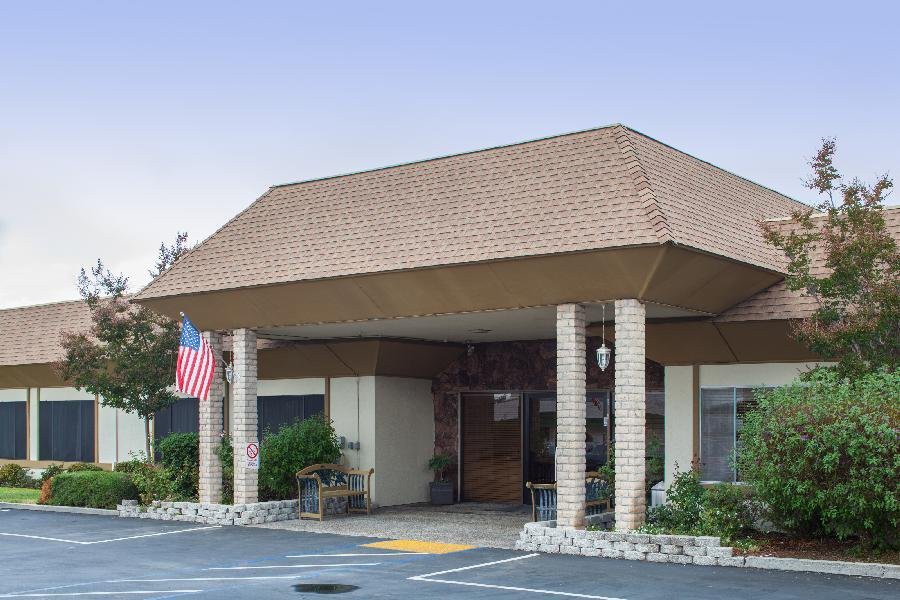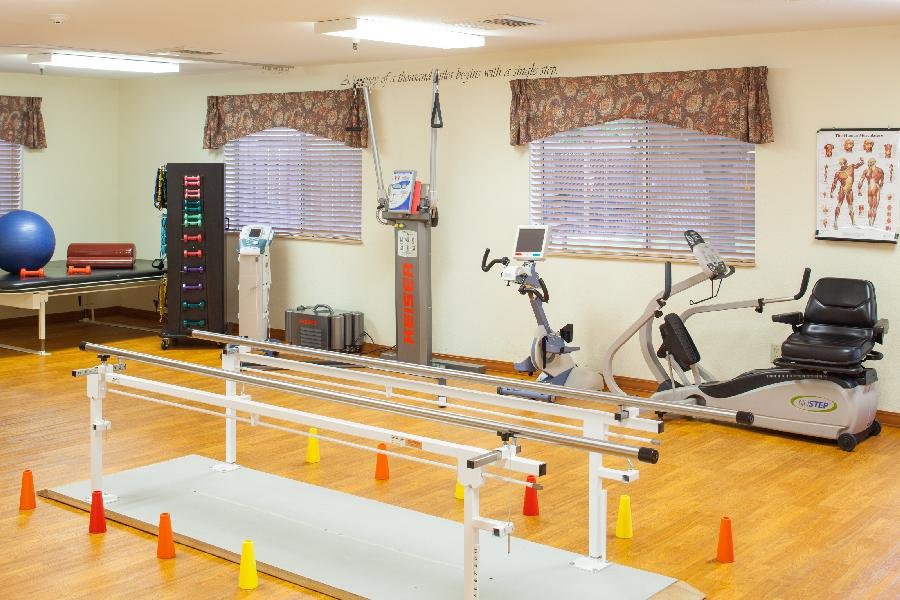
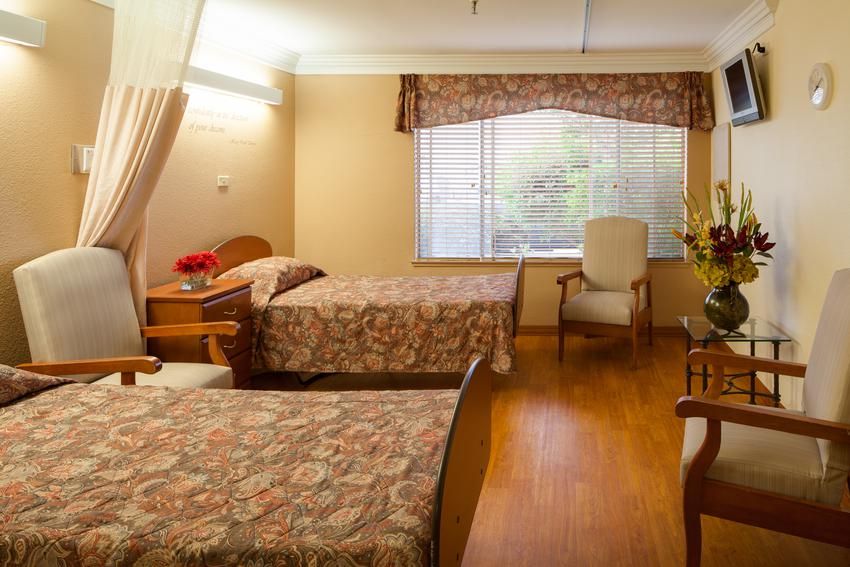
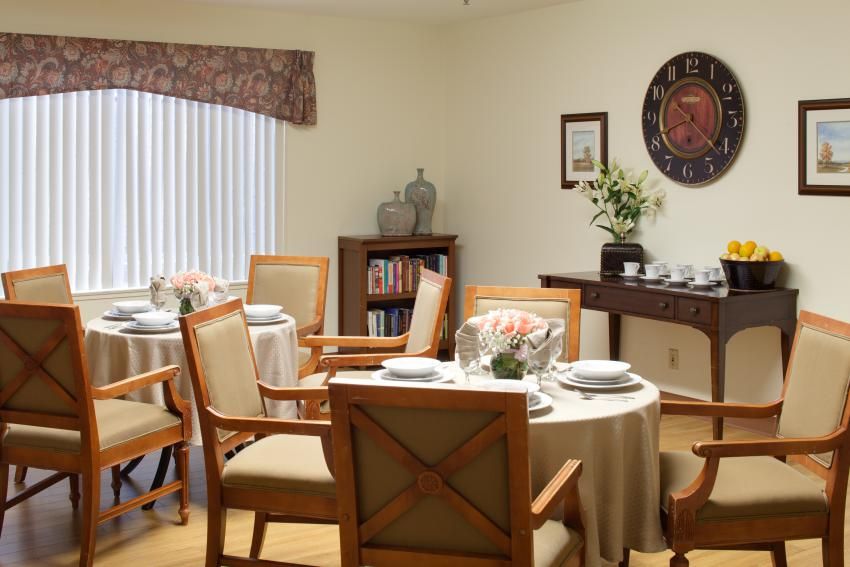
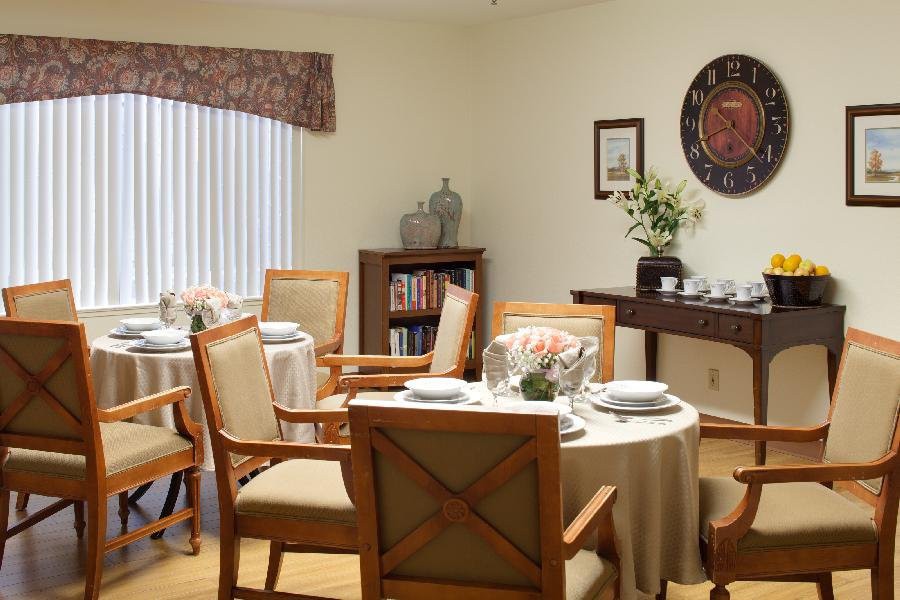
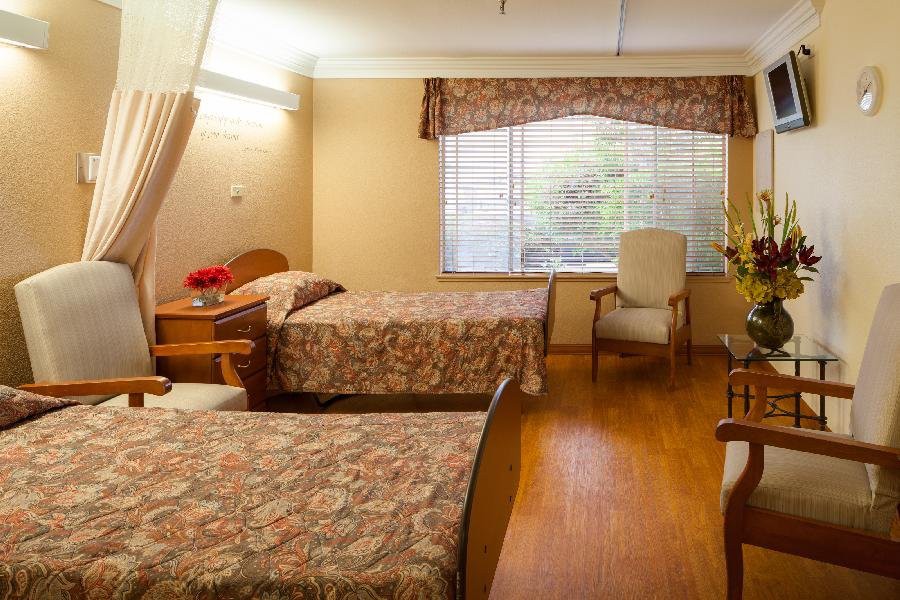
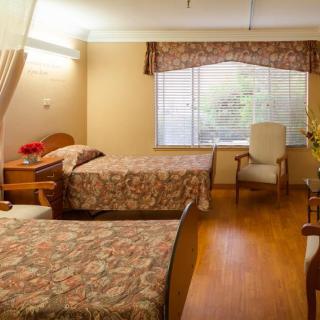
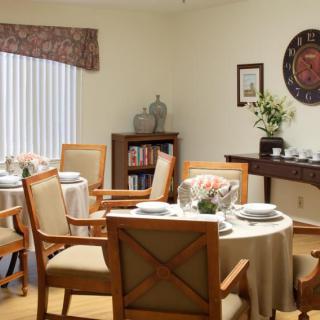
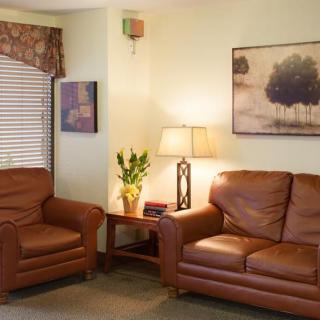
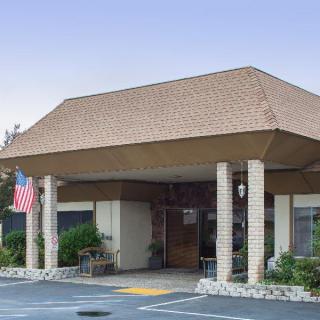
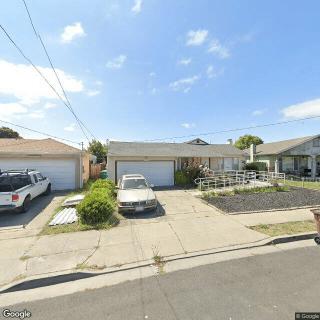
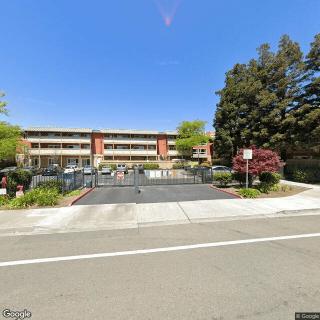
14766 Washington Avenue, San Leandro, CA 94578
For more information about senior living options: (866) 208-4318
Overall Review of Washington Center
Pros
 Freddie and Ofelia were outstanding and deserved a five-star rating.
- Nurses Roseline, Alice, and Alyza were outstanding in nursing Ronald back to good health and deserve a five-star rating.
- CNAs Shila, Ana Carrasco, and Omo are the best and deserve a five-star rating.
- CNAs Janett, Paola, Jocelyn Hernandez, and Paola Reyna provided outstanding service and deserve a five-star rating.
- The facility is clean and has a great nursing and therapy team that helped residents return home quickly.
- The staff are patient, kind, and dedicated, earning full five-star praise.
- The admissions team made the process smooth and welcoming, showing genuine care.
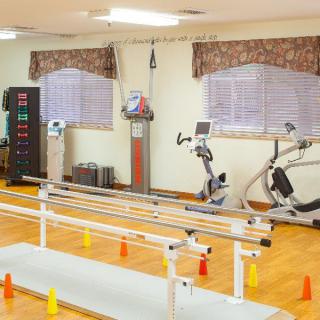
- The rehab team is amazing, and many patients regain their independence thanks to their efforts.
Cons
 The reviewer reported that her mother’s clothes were stolen during the stay.
- The reviewer stated that her mother was left in bed all the time.
- The reviewer described that her mother was drugged up during a visit, which scared her.
- The reviewer alleged that her daughter was given medications for ailments she didn’t have.
- They warned others not to place a loved one in this facility, criticizing the social worker as rude and unhelpful and accusing staff of lying.
- The reviewer cited understaffing and a lack of appreciation from management toward hard-working nurses and CNAs.
Review
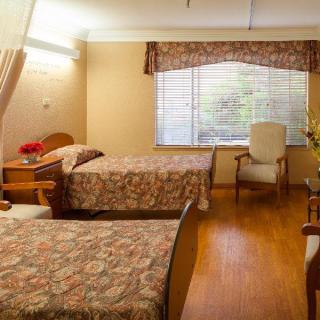
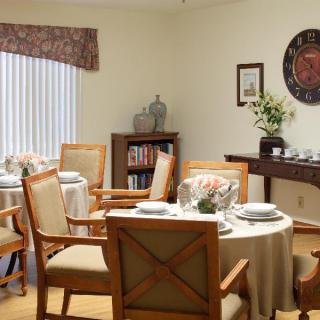
Washington Center is best suited for families seeking a rehab-forward transition for a loved one. It shines when the goal is to restore independence after surgery or injury, with a therapy team that can push toward meaningful recovery and discharge home. The reviews consistently praise clean facilities, capable nursing oversight, and a rehabilitation department capable of getting patients back on their feet. It also serves residents who benefit from a welcoming admissions process and a generally caring staff culture. This is not pitched as a luxury long-term residence; it is a practical, outcomes-driven option where progress in rehabilitation and daily living skills is the primary objective.
Those who may want to consider alternatives are clear-cut: anyone prioritizing highly consistent staffing and uniformly flawless day-to-day operations across all shifts should look elsewhere. A pattern runs through the feedback about staffing: while many nurses, CNAs, and therapists are praised, several accounts point to under-staffing and long hours, with frontline workers stretched thin. Families that require rock-solid, always-available social work guidance should note the occasional negative portrayal of the social worker, which suggests that some families may not receive the level of partner support they expect. For memory-care or dementia-specific needs, the facility can manage through, but there are other communities that emphasize dementia-centric programs and environments.
The strongest propellers here are the rehab and nursing strengths. Therapists Freddie and Ofelia, along with nursing staff Roseline, Alice, and Alyza, are repeatedly singled out for high-quality, hands-on care that helps residents regain function and confidence. CNAs such as Shila and others are described as dedicating themselves to patient comfort and recovery, and admissions teams are noted for making the transition into care smooth. The overall cleanliness and the absence of strong odors contribute to a sense of safety and dignity, and families repeatedly report appreciation for staff who stay patient and kind despite demanding workloads. When rehab priorities converge with attentive nursing, progress tends to be real and measurable.
Yet the cons carry weight in practical decision-making. Understaffing and the pressure it creates can color everyday experiences, visits may feel episodic rather than consistently supported, and some shifts can leave staff scrambling. A few guests recount troubling episodes, ranging from concerns about medication handling to incidences of theft and even allegations of residents being left in vulnerable states, that underscore the need for vigilant family oversight and clear communication with leadership. A handful of families also describe mixed experiences with social work, with one account labeling the social worker as unhelpful. These issues do not negate the rehab gains, but they do tilt the balance toward caution for families seeking unwavering daily reliability.
In practical terms, choosing Washington Center means confirming the expectations that matter most for the loved one’s trajectory. Prospective families should engage directly with the therapy team to map out a concrete, time-bound recovery plan and to establish a reliable cadence of progress updates. It is wise to request a dedicated point person from admissions and social work to ensure smooth navigation through the discharge planning process and post-acute supports. Inspect the environment for safety and cleanliness, discuss parking and access for family visits, and ask about incident reporting and safeguarding measures. If memory care or constant, seamless oversight is essential, compare options that place a stronger emphasis on these elements.
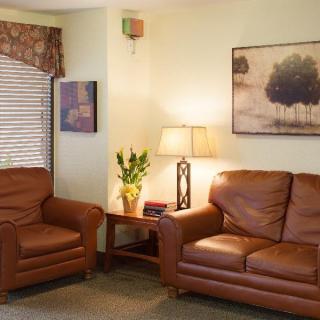
Overall, Washington Center presents a solid, rehab-focused option with notable strengths in therapy, nursing care, and a clean, welcoming environment. It is particularly well-suited for residents whose primary goal is meaningful recovery and reintegration at home, supported by capable clinicians and a generally responsive staff. The decision hinges on staffing stability and consistent, proactive social-work engagement. For families prioritizing rapid rehab outcomes and a transparent discharge path, this community delivers compelling value. For those who require near-perfect staffing reliability, relentless daily oversight, or dementia-specific programming, exploring alternatives with a tighter track record in those areas is prudent.
 21 resident community capacity
 Skilled Nursing Facility
 Beauty salon
 Cable or satellite TV
 Dining room
 Fully furnished
 Garden
 Housekeeping services
 Kitchenette
 Move-in coordination
 Outdoor space
 Telephone
 Wi-Fi/high-speed internet available
 Metropolitan Oakland International (5 miles away)
 24-hour call system
 Activities of daily living assistance
 Assistance with bathing
 Assistance with dressing
 Assistance with transfers
 Diabetes diet
 Meal preparation and service
 Medication management
 Mental wellness program
 Special dietary restrictions
 Transportation arrangement (medical)
 Transportation to doctors appointments






 Fecal Incontinence in Older Adults: A Comprehensive Guide
 Recognizing the Journey: Understanding and Navigating Anticipatory Grief
 Encouraging Participation in Adult Day Care: A Guide to Supporting a Hesitant Parent