
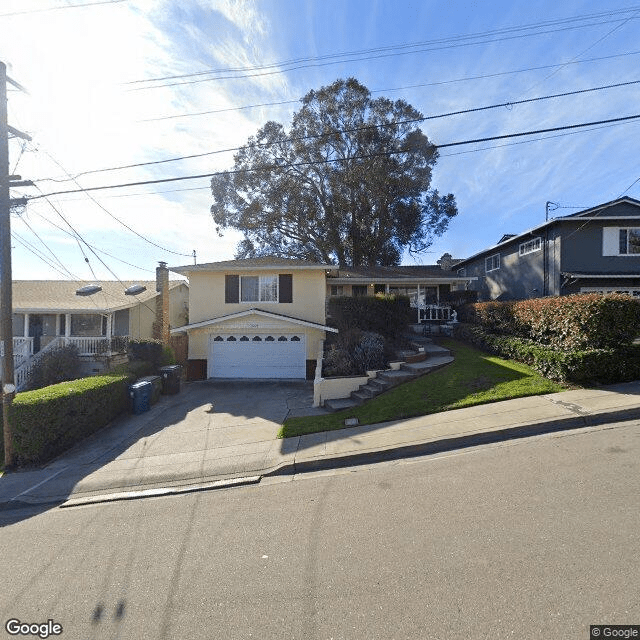
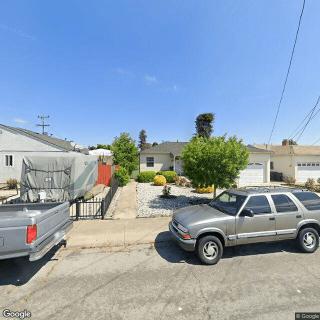
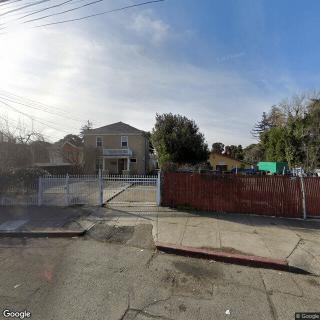
2723 Barlow Drive, Castro Valley, CA 94546
To contact a resident: (510) 727-1500
For more information about senior living options: (866) 208-4318
Lake Chabot Care Home Costs & Pricing
Lake Chabot Care Home offers competitive pricing for its residential care services, with semi-private rooms available at $3,500 per month. This rate is slightly above the average for Alameda County, which stands at $3,273, but remains in line with California's overall semi-private room costs of approximately $3,333. For those seeking more privacy, Lake Chabot offers private rooms at $4,500 per month. While this rate exceeds both the county average of $3,748 and the state average of $3,939, it reflects the quality of care and amenities provided by the facility. Overall, prospective residents can see that while Lake Chabot Care Home is priced higher than local averages for private accommodations, its semi-private options remain competitively priced within the broader market context.
| Floor plans | Lake Chabot Care Home | Alameda County | California |
|---|---|---|---|
| Semi-Private | $3,500 | $3,273 | $3,333 |
| Private | $4,500 | $3,748 | $3,939 |
Senior living communities with a similar price nearby
-
from -$500 / mo
Golden Harmony Elderly Care
$3,000 / month20.4 miles away -
from -$600 / mo
Parkside Manor
$2,900 to $3,600 / month13.1 miles away -
About the same
Gigi's Guest Home
$3,500 / month18.3 miles away -
from -$500 / mo

Palm Garden Home Care
$3,000 to $4,000 / month11.5 miles away -
About the same
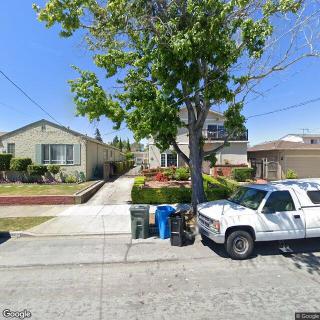
Apple Tree Home Care
$3,500 / month13.5 miles away
Overall Review of Lake Chabot Care Home
Pros
 The staff are friendly and the residents are welcoming, and communication is easy.
- The room sizes are great.
- They are smaller and provide more personalized care.
- The owner is warm, wonderful, and very helpful.
- The home is welcoming, clean, and quiet, with friendly and kind staff.
- The meals appear to be home-cooked with a menu that looks great.
- The smaller size and home-family environment allow residents to socialize comfortably and receive flexible, individualized care.
Cons
 The staff were unfriendly.
- There were no activities.
- The location on a steep hill was unsafe for mobile elderly.
- The food quality was poor; everything was processed and fried.
- Dinner consisted of leftovers that had sat out.
- They should never accept dementia patients.
- The caregivers were unprofessional and not very friendly.
- Amenities were limited.
Review
Lake Chabot Care Home in Castro Valley is best suited for families seeking a small, homey atmosphere where residents receive individualized attention and life inside the house feels more like a family routine than a facility schedule. The community shines when residents are relatively independent and comfortable with a gentle, low-traffic rhythm, because the setting emphasizes warmth and personal connections over formal programming. Its modest size translates into easy communication with caregivers and a sense that someone truly knows the resident beyond a chart note. For seniors who do not require 24/7 clinical oversight and who appreciate a calm, intimate vibe, this is a fitting option. Those chasing a bustling activity calendar or a wide range of on-site amenities may not find Lake Chabot rewarding, but for the right person it can feel like a real home away from home.
However, this is not a universal fit. Families with residents needing structured memory care, robust activity schedules, or constant supervision will want alternatives. Several reviews flag a lack of meaningful programming and even question staff warmth and consistency. The location on a steep hill raises practical safety concerns for mobile seniors, complicating trips outside and everyday mobility. Food quality is another critical factor cited by reviewers, with complaints about processed or fried meals and questions about whether home-style cooking is the norm. For dementia or more advanced cognitive needs, the consensus from some families is that Lake Chabot Care Home does not measure up to facilities designed for 24/7 monitoring and specialized care.
On the upside, several threads highlight a welcoming atmosphere, easy communication, and genuinely kind staff during visits, with many praising how the owner communicates details and how the home environment remains clean and cozy. The smaller scale, often described as five to seven residents, can translate into meaningful relationships, flexibility, and the sense that care is calibrated to individual routines rather than a one-size-fits-all schedule. Reviews repeatedly note room sizes that feel comfortable and home-like, which matters when a resident is transitioning from living alone to shared space. Taken together, these strengths create a buffer against common residential-care anxieties in a setting that radiates warmth and personal attention.
Yet the best-case strengths can be fragile if staffing consistency falters or if the day-to-day pace falls into idleness. Several accounts portray caregivers as unprofessional or unfriendly at times, and a few residents emphasized the absence of daily activities. When care teams aren’t consistently attentive, the small, homelike promise can fray quickly, especially for residents who crave engagement or for families who rely on predictable routines. The mismatch between a small, intimate home and expectations for 24/7 supervision or dementia-friendly programming is a critical tension. Prospective families should test both the social atmosphere and the care rhythms during a sit-down visit and, ideally, through a trial period that reveals whether staff responsiveness remains steady across shifts.
Operational realities matter here. The house-style configuration implies a max resident count on the lower end, which can be a boon for individual attention but a risk if demand rises or staffing is uneven. Prospective residents should ask for a detailed daily schedule, meal samples, and backup plans for nights and weekends. Inquire about safety, accessibility, and how mobility issues are managed on the steep terrain. If there are plans to admit dementia patients or to implement more structured activities, request a concrete program and evidence of staff training. The owner’s reputation for being helpful across multiple facilities is appealing, but it’s essential to confirm that the Castro Valley home matches those strengths consistently.
Bottom line: Lake Chabot Care Home will work best for residents who value a warm, intimate setting and can thrive with a high-touch, personalized care model, provided staffing and programming align with expectations. For families prioritizing a robust activity calendar, strong dementia care, and fortified safety on steeper terrain, exploring alternatives is prudent. Visit with a checklist: observe caregiver interactions, sample meals, verify activity offerings, inspect cleanliness, tour the grounds for safety on the hill, and request a transparent staffing schedule. If all checks pass and the tone stays consistently attentive, this community can feel like a carefully curated home that meets genuine needs, not a generic halfway point between independent living and full nursing care.
 Board and Care Home
 Activities on-site
 Bath tubs
 Indoor common areas
 Outdoor common areas
 Private
 Wheelchair accessible showers
 Metropolitan Oakland International (5 miles away)
 Ambulatory care
 Incontinence care
 Medication management
 Meals provided

 Encouraging Participation in Adult Day Care: A Guide to Supporting a Hesitant Parent
 Comprehensive Exploration of Living Wills and Other Advance Directives
 A Detailed Exploration of Living Wills and Advance Directives