

429 Linnell Avenue, San Leandro, CA 94578
To contact a resident: (510) 351-5997
For more information about senior living options: (866) 208-4318
Leslie's Care Home Costs & Pricing
Leslie's Care Home offers competitive pricing for its services, particularly when compared to the broader market in Alameda County and California as a whole. For semi-private rooms, Leslie's Care Home charges $2,000 per month, significantly lower than the county average of $3,273 and the state average of $3,333. Similarly, for private rooms, Leslie's rate of $2,500 stands favorably against the county's average of $3,748 and the state's average of $3,939. This positions Leslie's as an attractive option for families seeking quality care at more accessible prices while ensuring their loved ones receive the attention they deserve in a nurturing environment.
| Floor plans | Leslie's Care Home | Alameda County | California |
|---|---|---|---|
| Semi-Private | $2,000 | $3,273 | $3,333 |
| Private | $2,500 | $3,748 | $3,939 |
Senior living communities with a similar price nearby
-
About the same
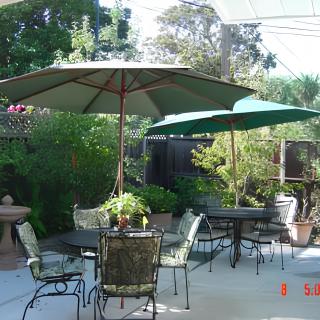
Sunny Orchard Place
$1,995 to $3,700 / month24.0 miles away -
from -$225 / mo

El Cerrito Royale
$1,775 to $3,775 / month18.1 miles away -
from +$300 / mo
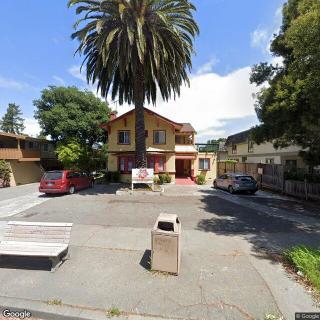
Jla Healthcare Services
$2,300 to $3,200 / month14.6 miles away -
from +$222 / mo
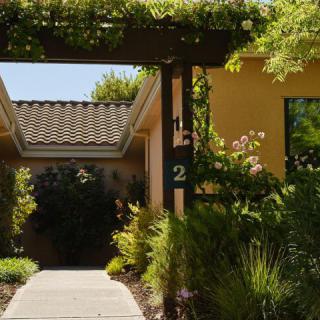
The Forum At Rancho San Antonio
$2,222 / month24.9 miles away -
About the same

Cogir of Fremont
$1,950 to $3,495 / month12.7 miles away
Overall Review of Leslie's Care Home
Pros
 The caretakers and nurses at SLHC are amazing and clearly care about their patients.
- The owner, Vinnie, is wonderful and always available to discuss any issue.
- Geraldine provides helpful, prompt, and clear communication; she is highly appreciated.
- The staff’s compassion and care have impressed families and shown in how they treat patients.
- The facility is warm, welcoming, and feels like a home.
- Reviewers describe the place as a “special little hidden gem.”
- Families feel confident recommending the center for rehab or nursing care.
Cons
 The facility deserves zero stars and should not be rated at all.
- A family member died there, suggesting the care provided was insufficient or unsafe.
- The staff are described as lacking professional competence and responsiveness.
- An ambulance was not called in a medical emergency.
- There are ongoing hot water, cleanliness, and odor problems.
- Patient neglect is reported to happen frequently on a daily basis.
- Belongings were reportedly stolen after a loved one’s death, with staff allegedly pocketing items.
- Front desk service is unhelpful, with long holds and irrelevant questions, and the administration is nonchalant.
Review
Leslie's Care Home is best suited for families seeking a small, home‑like environment where caregivers can form real relationships with residents and where owner involvement can translate into dependable advocacy when the staffing aligns. It appeals to those who prize warmth, personal attention, and a setting that feels less institutional than a large facility. The most favorable outcomes tend to occur when residents have straightforward daily needs, clear care plans, and family members who can serve as active partners in coordinating meals, activities, and medical oversight.
This community is not for everyone. Families prioritizing ironclad safety, rapid medical response, and consistently high staffing levels should consider alternatives. If caregiving needs are complex, if there is concern about neglect, delays in care, or lapses in cleanliness and hygiene, the drawbacks become decisive. Prospective residents who require rigorous, transparent communication with administration will want environments with stronger accountability. For those who demand a proven track record of steady, 24/7 responsiveness, this may not be the best fit.
On the plus side, the smallest footprint can translate into a surprisingly homey feel, with some residents enjoying rooms that offer privacy and a comfortable living area. Several accounts highlight compassionate staff and a culture of care when the team is fully staffed and engaged, with the owner and management often stepping in to address problems. For short-term rehab or palliative scenarios, where family oversight can supplement routine care, this setting can deliver meaningful comfort and stability in the moments when attention is available.
Yet the main concerns are substantial and consistently echoed. Allegations of patient neglect and delayed intervention underscore a dangerous risk when staff are overstretched or mismanaged. Recurrent reports describe cleanliness issues, odors, and occasional loss or misplacement of belongings, which erode trust and peace of mind for families. Front-desk interactions can feel unhelpful or burdensome, and administrative communication sometimes proves difficult to navigate, leaving families in a limbo while waiting for clarity. In many reviews, caregiver assignments are stretched thin, sometimes described as one caregiver for a dozen residents, compromising timely assistance and basic safety.
The key question is whether the positives can reliably offset the negatives. For families drawn to a warm, intimate environment and who can actively participate in oversight, there is potential for a good fit when staffing is sufficient and supervision is consistent. The presence of empathetic caregivers and a hands-on administrator can be a meaningful difference-maker in the right circumstances, particularly for transitional rehab or hospice where ongoing advocacy matters. However, the variability in care quality, communication gaps, and documented safety concerns means the risk of dissatisfaction is real and not easily dismissed.
Practical next steps are essential. Initiate a thorough, repeated onsite assessment at different times of day to observe staffing patterns and responsiveness. Ask the administration for hard data on caregiver ratios, staff turnover, and any incident history. Speak with current residents and family members to gauge consistency of care and transparency. Review care plans, medication management protocols, housekeeping routines, and the facility’s process for safeguarding personal belongings. If choosing Leslie's Care Home, demand clear, written expectations: a reliably available care team, a defined daily routine, transparent progress notes, and accountable leadership. For families prioritizing safety, consistent communication, and dependable response, this community should be explored only after due diligence confirms improvements and ongoing, measurable oversight.
 Board and Care Home
 Private
 Metropolitan Oakland International (5 miles away)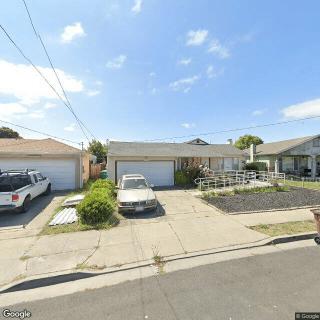





 Comprehensive Insights and Practical Strategies to Help Older Adults Avoid Falls
 6 Crucial Ways an Elder Law Attorney Assists Families
 Navigating the Tax Landscape of Caregiving: Credits, Deductions, and Beyond