
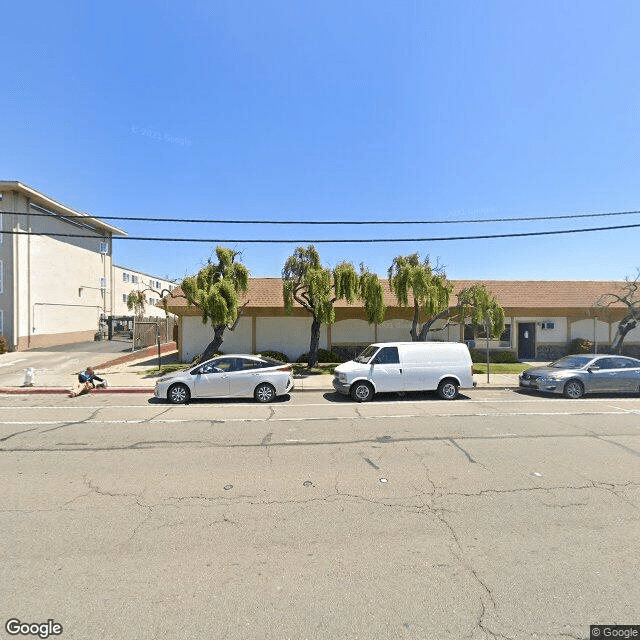
14766 Washington Ave, San Leandro, CA 94578
To contact a resident: (510) 352-2211
For more information about senior living options: (866) 208-4318
Washington Care & Rehabilitation Center Costs & Pricing
Washington Care & Rehabilitation Center offers competitive pricing for its services compared to both Alameda County and the broader state of California. For a semi-private room, residents enjoy a monthly rate of $2,400, significantly lower than the county average of $3,273 and the state average of $3,333. Those opting for a studio will find the cost at Washington Care & Rehabilitation Center to be $3,360, which is more economical than both Alameda County's average of $4,532 and California's average of $4,145. Finally, for private accommodations, the center charges $3,720 - a figure that remains reasonably close to the county's rate of $3,748 and below the state's average of $3,939. Overall, Washington Care & Rehabilitation Center presents an appealing option for individuals seeking quality care in a cost-effective manner within a challenging financial landscape.
| Floor plans | Washington Care & Rehabilitation Center | Alameda County | California |
|---|---|---|---|
| Semi-Private | $2,400 | $3,273 | $3,333 |
| Studio | $3,360 | $4,532 | $4,145 |
| Private | $3,720 | $3,748 | $3,939 |
Skilled Nursing Facilities with a similar price nearby
-
from +$100 / mo

San Carlos Elms
$2,500 to $5,880 / month15.0 miles away -
from +$400 / mo

Peninsula Reflections
$2,800 to $9,040 / month17.5 miles away -
from -$400 / mo
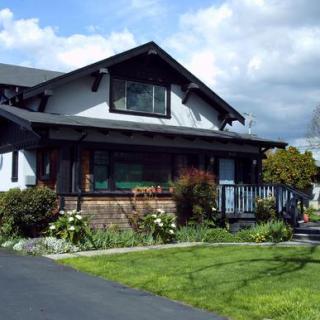
Bethesda Christian Retirement Center
$2,000 to $3,000 / month3.3 miles away -
from +$200 / mo
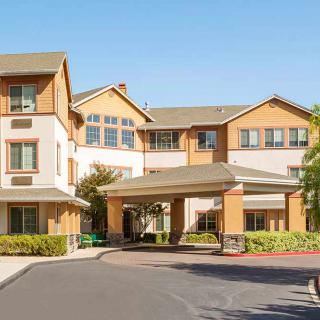
Atria Park Of Lafayette
$2,600 to $6,495 / month15.8 miles away -
About the same
East Bay Post-Acute
$2,425 to $4,560 / month2.8 miles away
Overall Review of Washington Care & Rehabilitation Center
Pros
 Freddie and OT Ofelia were outstanding and deserved a five-star rating for their professional performance in rehabilitation.
- Nurses Roseline, Alice, and Alyza were outstanding and helped Ronald recover back to good health.
- CNAs Shila, Ana Carrasco, and Omo are among the best and deserve five-star ratings.
- The admissions team made the entire process smooth and welcoming with friendly, patient, and attentive service.
- The facility is clean and has a great nursing and therapy team.
- The staff were patient and kind, delivering attentive care even in demanding situations.
- The rehab and therapy teams help many patients regain independence and return home.
- The social workers helped the family file IHSS and supported them through the process.
- The staff are described as some of the best in the county and truly care for residents.
Cons
 The facility is understaffed, and management shows no appreciation for hardworking nurses and CNAs.
- The social worker is described as rude, not doing her job, unwilling to meet with families, and accused of lying.
- Roselyn is described as just as bad as the social worker, casting doubt on the facility’s quality.
- A patient’s clothes were stolen and residents were left in bed for long periods, signaling neglect and safety concerns.
- One reviewer said a patient was drugged, which scared them.
- One reviewer strongly advised against placing a loved one in this facility.
Review
This community is best suited for families seeking a rehabilitation-forward environment where skilled therapists and attentive nursing care are the core strengths. Washington Care & Rehabilitation Center serves as a solid short-term recovery option for loved ones post-surgery or after a medical setback, with a clean, well-maintained setting that prioritizes getting residents back to independence. It tends to work best for those who value a structured rehab program and personal encouragement from staff, rather than a purely long-term, upscale living experience. For families prioritizing robust therapy outcomes and a straightforward admission process, this center delivers clear value, especially when the goal is to return home with regained function and confidence.
The rehab and nursing teams consistently emerge as standout assets in reviews. Families repeatedly applaud the rehabilitation department for effective physical therapy and occupational therapy, with therapists who push for progress and celebrate milestones. Nursing staff are described as capable and compassionate, delivering steady support during recovery. The admissions experience is often highlighted as welcoming and organized, easing anxiety at a stressful transition. When recovery is the primary objective, and the focus is on getting a loved one back on their feet and home-ready, the positive impressions of therapy and daily nursing care strongly outweigh the ordinary concerns that surface in any long-term care setting.
Yet, the center is not without its drawbacks, and the strongest caveat centers on staffing reality. Several families point to understaffing and long shifts that stretch caregivers thin, which can temper consistency and responsiveness at times. Mixed feedback about social work support reflects a broader tension: some families find the social services team helpful and proactive, while others encounter friction or perceive uneven guidance. There are also troubling anecdotes about safety and oversight, claims of belongings going missing, concerns about medication practices, and instances where residents appear overly sedated. These issues underscore a need for careful, proactive oversight by families and vigilant on-site management.
Despite these challenges, the core advantages often offset the cons for the right family profile. Cleanliness and a sanitary environment are consistently noted, with staff who are willing to go the extra mile to assist patients and families. The rehab-focused culture helps residents regain independence, and discharge planning is generally practical and supportive, enabling a smoother transition home. The admissions and frontline care teams are frequently described as compassionate and patient, contributing to a sense of security even when staffing strains are felt. For families prioritizing rehab efficacy and a warm, engaged care team, this facility remains a credible option.
Logistically, the facility sits in a hybrid space, half assisted living, half nursing home, with relatively small rooms and a dining environment that is functional rather than luxurious. Parking is limited, and room accommodations tend to be shared, which may matter to those who prize privacy and larger living spaces. Food quality is variable, though alternatives are offered, so culinary satisfaction is contingent on individual preferences and what’s available on any given day. The rehab gym and activity calendar do provide meaningful engagement, including opportunities to participate in group activities and structured routines that support recovery and routine-building, which can be a meaningful anchor for families during the recovery journey.
In deciding, space the focus on rehab outcomes and caregiver reliability against concerns about staffing stress and occasional care gaps. This community is especially compelling for families seeking a targeted rehab trajectory with measurable progress toward discharge. Consider alternatives if long-term stability, private accommodations, or a dementia-focused environment are non-negotiables, or if operational consistency feels uncertain after tours and conversations with current residents and staff. A targeted tour, direct questions about staffing ratios, recent incident history, and the specifics of discharge planning will illuminate whether this center aligns with the priorities and risk tolerance of each family’s unique situation.
 Memory Care
 Skilled Nursing Facility
 Metropolitan Oakland International (5 miles away)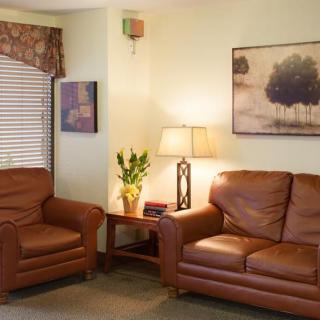


 Understanding Dementia Through Its Seven Stages: A Comprehensive Look at Progression and Expectations
 A Holistic Dementia Care Guide: Effective Strategies for Memory Support
 Memory Care Pathways: A Holistic Guide to Dementia Support