
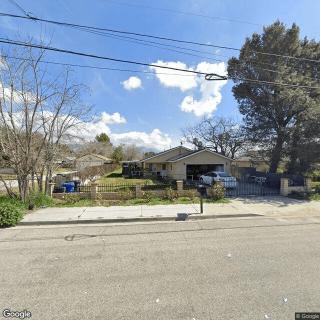
4280 Cypress Drive, San Bernardino, CA 92407
For more information about senior living options: (866) 208-4318
Overall Review of Hillcrest Nursing Home
Pros
 The father is receiving 24/7 care that his family appreciates.
- The staff are top notch and provide excellent care.
- The care is described as fantastic by the family.
Cons
 The grandmother has been neglected and suffering for weeks because the staff cannot do their jobs properly.
- She ended up in the hospital with severe bed sores that exposed bone.
- The staff take a long time to respond, and relatives are not informed about the patient's condition unless they ask.
- Neglect was obvious at the facility.
- The nurses called her daughter hours after the death because no one checked on her, showing a lack of oversight.
- The facility should have shut down for good; people should stay away from it.
- The county won’t address the issues because the licensing agent is friends with the staff; even if reported, nothing is done.
- The facility is understaffed, very loud, and operates as a lockdown environment with residents having various mental health problems.
- It is described as the worst level of care in the county, with residents likely to be neglected and abused.
- The ombudsman office is unhelpful; complaints are not acted upon.
- The sister was force placed there; while clean, it is understaffed and takes forever to get assistance, and it is a lockdown facility with problematic behavior and noise.
Review
Hillcrest Nursing Home in San Bernardino is best suited for families that demand vigilant oversight and are prepared to actively manage care. It is not a hands-off option; outcomes appear highly contingent on staffing levels and how diligently families push for timely attention and clear communication. For loved ones who require constant advocacy to ensure decent response times and ongoing condition updates, this community can deliver when things align. However, those seeking a consistently dependable tone of care with minimal family involvement should look elsewhere, as the reviews repeatedly flag wide swings in responsiveness and accountability.
Alone, the positive notes are not enough to carry the decision. Some families report that certain residents receive attentive, around-the-clock care and that staff can be “top notch” when present. A minority perspective also praises cleanliness and the potential for robust daily monitoring, suggesting that the facility can function at a higher level under the right conditions. But these favorable impressions are consistently undercut by broader, earned concerns about neglect and mismanagement. Pros in isolation do not offset the core risk presented by frequent, unresolved care gaps and inconsistent staffing that color the overall experience.
The overwhelming majority of feedback centers on serious drawbacks that demand candid consideration. Recurrent claims describe delayed responses to requests for assistance, with residents left waiting long enough to develop preventable complications. Bed sores and hospitalizations are cited as tangible consequences of delays and inattentiveness. Communication with families is described as sporadic at best, with essential updates requiring prodding or direct inquiry. The sentiment conveyed is not merely about the occasional forgetful staff member but about systemic gaps that leave vulnerable residents inadequately protected and under-responded to in urgent moments.
Equally troubling are narratives about understaffing, loud or disruptive environments, and a lockdown designation that compounds behavioral and safety challenges. One reviewer cites mental health issues and troubling dynamics that create an unsafe-feeling atmosphere for a dependent individual, underscoring the risk profile associated with insufficient supervision. A separate account suggests a pattern where management and licensing oversight may be at odds with daily caregiving realities, fueling skepticism about sustained quality. Taken together, these issues paint a coherent risk picture: care quality appears to hinge on unpredictable variables, and the default is not consistently reliable protection or proactive escalation.
In weighing the pros and cons, the key takeaway is clear: Hillcrest can deliver solid care in favorable staffing conditions, but the downsides are pervasive enough to overwhelm potential benefits for anyone without strong, ongoing advocacy. The best fit is a family capable of frequent onsite oversight, rapid escalation, and persistent follow-through on care plans. For most residents who require reliable, regular updates and steady, responsive assistance, alternatives with demonstrated staffing stability and transparent communication will reduce risk and stress.
For families moving forward, concrete steps reduce exposure to risk. Schedule multiple visits across different days and shifts to observe nurse response times and how staff communicate about changes in condition. Request a detailed, written care plan with explicit escalation routes and daily goals, and insist on visibility into staffing ratios on each shift. Check with state licensing and the ombudsman for recent performance records and any substantiated complaints; verify how incidents, falls, and wound care are tracked and resolved. If these assurances cannot be obtained promptly, it is prudent to explore other facilities with stronger, more consistent track records, in-home care, or alternative arrangements that align with the loved one’s needs and the family’s capacity for oversight.
 59 resident community capacity
 Skilled Nursing Facility
 Air-conditioning
 Beauty salon
 Cable or satellite TV
 Computer center
 Dining room
 Fitness room
 Fully furnished
 Gaming room
 Garden
 Housekeeping services
 Kitchenette
 Move-in coordination
 Outdoor space
 Private bathrooms
 Restaurant-style dining
 Small library
 Telephone
 Wellness center
 Wi-Fi/high-speed internet available
 Ontario International (19 miles away)
 Community operated transportation
 12-16 hour nursing
 24-hour call system
 Activities of daily living assistance
 Assistance with bathing
 Assistance with dressing
 Assistance with transfers
 Diabetes diet
 Medication management
 Mental wellness program
 Special dietary restrictions
 Concierge services
 Planned day trips



 Highly Beneficial Low-Impact Exercises for Senior Living Residents
 Is In-Home Healthcare Tax Deductible? Your Comprehensive Guide
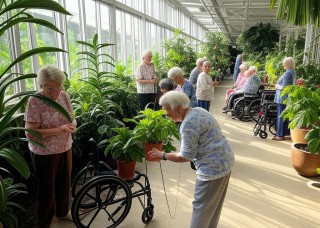 Nurturing Well-Being Through Gardening: A Detailed Guide for Senior Enthusiasts