For more information about senior living options: (866) 208-4318
3.8 from 70 reviews
5 stars
40
4 stars
8
3 stars
5
2 stars
3
1 stars
14
Loma Linda Springs Costs & Pricing
Loma Linda Springs offers a compelling value in terms of monthly housing costs when compared to both the San Bernardino County and state averages. For instance, a one-bedroom apartment at Loma Linda Springs is priced at $845, significantly lower than the county average of $3,548 and the state average of $4,340. Similarly, the two-bedroom option at Loma Linda Springs costs $905, which again stands in stark contrast to the higher averages of $3,893 for San Bernardino County and $5,270 across California. These figures suggest that Loma Linda Springs not only provides affordable living options but also an attractive alternative for those seeking quality and affordability in a competitive market.
Floor plans
Loma Linda Springs
San Bernardino County
California
1 Bedroom
$845
$3,548
$4,340
2 Bedrooms
$905
$3,893
$5,270
Senior living communities with a similar price nearby
from +$145 / mo
Fountain Glen at Terra Vista
4.5 from 121 reviews
$990 to $1,320 / month
16.6 miles away
from +$30 / mo
Victoria Springs
4.5 from 33 reviews
$875 to $910 / month
11.9 miles away
from -$50 / mo
Tyler Springs Apartments
4.3 from 79 reviews
$795 to $995 / month
14.5 miles away
from -$140 / mo
River Run Senior Apartments
4.1 from 105 reviews
$705 to $840 / month
20.0 miles away
from -$157 / mo
Vintage at Kendall
4.2 from 70 reviews
$688 to $770 / month
8.3 miles away
Overall Review of Loma Linda Springs
common29 reviews mention this
Staff feels responsive and professional
Residents consistently describe the office and maintenance teams as responsive and professional.
Across many reviews, residents say the leasing office and staff are friendly, attentive, and easy to reach when something comes up. Multiple reviewers describe staff walking them through processes (like moving in or online payments) and following through on work orders. Maintenance is also repeatedly described as prompt and efficient once issues are reported.
common18 reviews mention this
Grounds and common areas stay clean
The property condition is a frequent positive, especially landscaping and cleanliness.
Many residents mention well-kept grounds and a clean, presentable environment, including landscaping work and overall upkeep of common areas. Several reviews describe the complex as peaceful and tidy, and one notes the pool area as clean and well maintained. A smaller set of reviews adds that upkeep can vary by building, with some saying certain areas were not as well cleaned or maintained.
common14 reviews mention this
On-site amenities support active days
Residents point to on-site amenities like pool, gym, and organized activities.
Reviews frequently reference the on-site lifestyle, including a swimming pool and exercise options, along with regular activities. Residents also describe spaces to stay active during the day, and some mention specific activity types. This aligns with the community amenities listing, which includes on-site activities and a swimming pool/hot tub along with other basic facility features.
common10 reviews mention this
Maintenance follow-through is a standout
Maintenance responsiveness is repeatedly praised in day-to-day issue reporting.
Several residents describe getting help quickly when something breaks or needs attention, with examples ranging from bathroom fixes to assistance during parking disruptions. Others specifically call out maintenance as efficient and helpful in addressing apartment issues. A minority of reviews raises concerns about how maintenance and follow-through handled work orders or move-out matters.
caveat16 reviews mention this
Pricing can be affordable, but disputes arise
Pricing is often described as more affordable, but some residents report costly disputes.
Many reviewers describe the community as reasonably priced compared with what they saw elsewhere and mention discounts for low income in at least one review. At the same time, some residents report negative experiences tied to move-out charges and deposits, including claims about withheld refunds or disputed fees. Another review also argues the overall value isnā€™t worth it for the accessibility support they felt was missing.
caveat6 reviews mention this
Parking and steep access can frustrate
Steep walkways and limited parking come up as recurring frustrations.
A number of reviews raise concerns about the physical layout, including steep access that can make everyday tasks harder for some residents. Parking is also mentioned as a common pain point, with reviewers describing limited visitor parking and congestion. While some residents focus on the quiet and peaceful setting, these access concerns show up often enough to affect how livable people find the location day to day.
How we summarize
Counts show how many written reviews mention each theme; a review can touch several themes, and only frequently mentioned themes are displayed.
Features
Types of Care
Active Adult Communities (55+)
Pets
Cats allowed
Dogs allowed
Amenities
Activities on-site
Bath tubs
Swimming pool / hot tub
Transportation
Ontario International (19 miles away)
Activities
Activities on-site
Nearby Places of Interest
Places of Worship
National Association of Seventh Day Adventist Dentists (0.5 miles)
Crosswalk Church (2.2 miles)
Azure Hills Seventh-Day Adventist Church (2.4 miles)
Packinghouse Church (4 miles)
The Refuge Bible Fellowship (5.6 miles)
The River Christian Reformed Church (6.1 miles)
The Labyrinth At Memorial Chapel. University Of Redlands (6.3 miles)
Physicians
Loma Linda University Children's Hospital (0.6 miles)
Loma Linda University Physician Referral (0.7 miles)
Pacific Eye Institute ( Formerly Inland Eye Institute) (1.2 miles)
Loma Linda University Family Medical Group (1.4 miles)
Elmer Reymond Symonett (2.1 miles)
Macias Eye Medical Centers (2.1 miles)
Bones and Spine Surgery (2.2 miles)
Pharmacies
Rite Aid (1.1 miles)
Rite Aid (1.8 miles)
Walmart Pharmacy (1.8 miles)
Mountain View Pharmaceuticals (1.8 miles)
CVS Pharmacy (2.4 miles)
Walgreens (2.5 miles)
Caremark Rx (2.6 miles)
Restaurants
Najwa's Mediterranean Cuisine (1.1 miles)
McDonald's (1.2 miles)
Poke Bar (1.2 miles)
BJ's Restaurant & Brewhouse (1.2 miles)
In-N-Out Burger (1.4 miles)
A Dong Vietnamese Cuisine (2 miles)
P&G World Famous Burgers (3.2 miles)
Hospitals
Jerry L Pettis Memorial (1.3 miles)
Loma Linda Ambulatory Care Center (2.3 miles)
Mountain View Surgery Center (2.4 miles)
San Bernardino Medical Group (5.6 miles)
Vantage Oncology (6 miles)
Pacific Park Convalescent Center of San Bernardino (6.3 miles)
Loma Linda Springs offers a compelling value in terms of monthly housing costs when compared to both the San Bernardino County and state averages. For instance, a one-bedroom apartment at Loma Linda Springs is priced at $845, significantly lower than the county average of $3,548 and the state average of $4,340. Similarly, the two-bedroom option at Loma Linda Springs costs $905, which again stands in stark contrast to the higher averages of $3,893 for San Bernardino County and $5,270 across California. These figures suggest that Loma Linda Springs not only provides affordable living options but also an attractive alternative for those seeking quality and affordability in a competitive market.
Skilled nursing facilities (SNFs) provide high-level medical care and rehabilitation for short-term recovery, typically covered by Medicare after hospitalization, while nursing homes focus on ongoing custodial care for chronic conditions, mainly funded by Medicaid or private payments. The staffing and regulatory structures differ significantly between the two, necessitating clarity for families in choosing appropriate long-term care options.
Nursing home care costs in the U.S. vary significantly based on location, level of care, and amenities, with private room prices ranging from approximately $6,700 to over $30,000 monthly. Families need to explore various payment options and conduct thorough research to manage these expenses effectively.
Nonmedical home care provides assistance with daily activities and companionship for individuals wishing to maintain independence and quality of life at home, without medical intervention. Its growing popularity is driven by an aging population, the need for supportive environments for recovery, and the emotional benefits of caregiver companionship, while costs vary based on service frequency and location.
Get PricingAsk A QuestionSchedule A TourContact Senior Advisor
By clicking submit, you agree to our Partner's Terms of Use. You
also consent to receive calls and texts, which may be autodialed, from our Partner. Your consent is not a condition to
using our Partner's service. Please visit our Partner's Privacy Policy for information about their privacy practices.

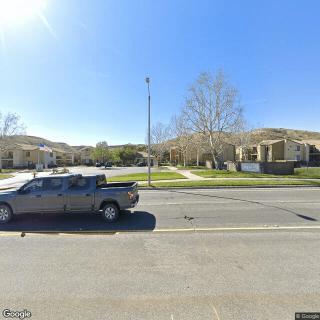
 Active Adult Communities (55+)
 Cats allowed
 Dogs allowed
 Activities on-site
 Bath tubs
 Swimming pool / hot tub
 Ontario International (19 miles away)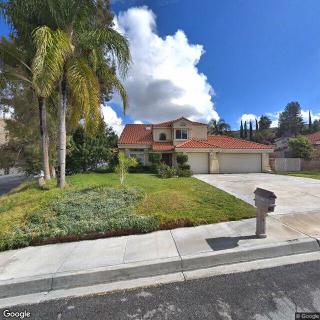
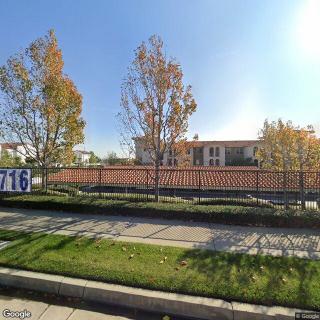
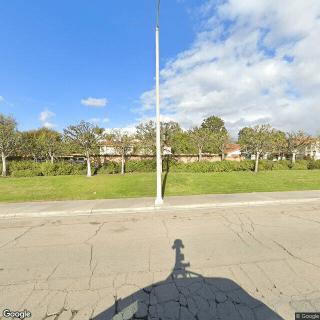
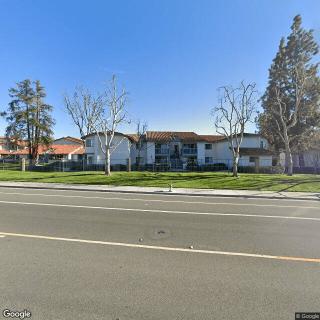
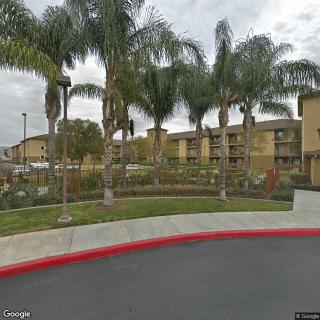
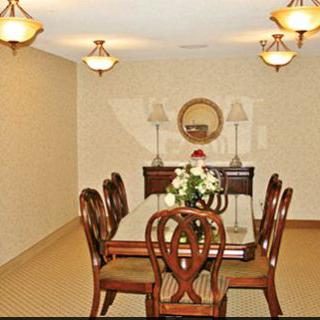
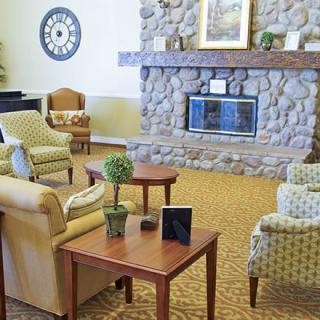
 Peaceful assisted living with easy access to cafes, parks, pharmacies, restaurants, theaters, and hospitals.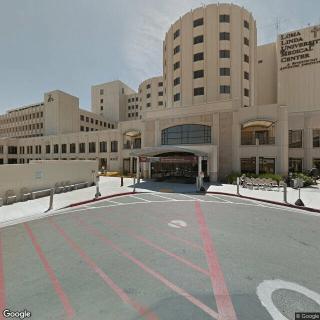


 Skilled Nursing Facilities vs. Nursing Homes: Making Sense of the Differences
 A Detailed Examination of Nursing Home Costs Across the U.S.
 Exploring Nonmedical Home Care: Understanding Services, Costs, and Financial Approaches