Canyon Vista Care Home is an assisted living community in Colton, CA.
Information last verified:
3049 Canyon Vista Drive, Colton, CA 92324
For more information about senior living options: (866) 208-4318
4.3 from 119 reviews
5 stars
96
4 stars
2
3 stars
4
2 stars
0
1 stars
17
Overall Review of Canyon Vista Care Home
differentiator2 reviews mention this
Private rooms are a big plus
Private rooms are specifically called out as a standout benefit for comfort and rest.
Several reviewers appreciated that rooms are not shared, especially for residents who need downtime while recovering. One family also highlighted private rooms as a major factor in choosing the community. For at least some residents, that privacy supported a smoother rehab experience.
caveat3 reviews mention this
Wound care is a mixed focus
Wound care comes up both as a strength and as a concern depending on the resident.
Some reviewers praised the wound care team and described healing-focused care. Others raised serious concerns about skin breakdown, including bedsores, and questioned whether wound-related equipment or treatment was helping. This makes wound-related outcomes feel inconsistent across residents.
caveat4 reviews mention this
Family communication feels uneven
Communication with family members is described as inconsistent, with some families needing to chase updates.
At least one family said communication after admission needed improvement and that updates were difficult to get without repeatedly contacting staff. Other reviewers described poor responsiveness, including difficulty reaching the case manager and not getting call backs. Taken together, families often want clearer ownership for updates and more timely follow-up.
caveat4 reviews mention this
Call light response varies a lot
Residents and families describe noticeable differences in how quickly help is provided.
Some reviewers said staff are attentive and respond promptly to call lights, citing quick assistance. Others reported long waits for help and described situations where residents were left for extended periods before getting support. That mix suggests response times can be hit-or-miss depending on the shift and staffing.
How we summarize
Counts show how many written reviews mention each theme; a review can touch several themes, and only frequently mentioned themes are displayed.
Features
Housing
6 resident community capacity
Types of Care
Assisted Living
Amenities
Cable or satellite TV
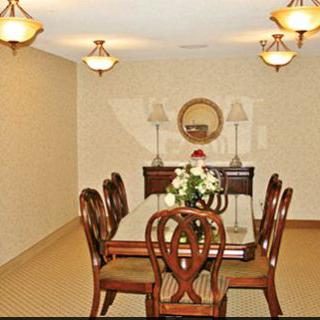
Dining room
Fully furnished
Garden
Housekeeping services
Move-in coordination
Outdoor space
Telephone
Wi-Fi/high-speed internet available
Transportation
Ontario International (19 miles away)
Care Services
24-hour supervision
Activities of daily living assistance
Assistance with bathing
Assistance with dressing
Assistance with transfers
Coordination with health care providers
Diabetes diet
Meal preparation and service
Medication management
Special dietary restrictions
Transportation arrangement (medical)
Transportation to doctors appointments
Dining
Diabetes diet
Special dietary restrictions
Activities
Community-sponsored activities
Scheduled daily activities
Nearby Places of Interest
Physicians
Loma Linda University Physician Referral (0.9 miles)
Loma Linda University Children's Hospital (0.9 miles)
Pacific Eye Institute ( Formerly Inland Eye Institute) (1.4 miles)
Loma Linda University Family Medical Group (1.5 miles)
Elmer Reymond Symonett (2.3 miles)
Bones and Spine Surgery (2.3 miles)
Macias Eye Medical Centers (2.7 miles)
Places of Worship
National Association of Seventh Day Adventist Dentists (1 miles)
Azure Hills Seventh-Day Adventist Church (2.2 miles)
Crosswalk Church (2.7 miles)
Packinghouse Church (4.4 miles)
The Refuge Bible Fellowship (5.1 miles)
The River Christian Reformed Church (6.1 miles)
The Labyrinth At Memorial Chapel. University Of Redlands (6.5 miles)
Medicaid coverage for assisted living varies by state and is primarily available to low-income individuals, with eligibility dependent on strict income and asset limits. Some states offer HCBS waivers for specific services in assisted living, but families must generally cover room and board costs, and should verify facility acceptance of Medicaid while considering potential waiting lists.
Medicaid waivers for assisted living services provide vital support for seniors and individuals with disabilities in need of long-term care, with varying state-specific eligibility criteria and benefits. These waivers cover personal care and case management but often do not fully cover room and board, leading to waiting lists for many applicants.
The article examines the complexities of assisted living for individuals with disabilities, emphasizing the need for tailored care solutions that enhance quality of life and social inclusion, while addressing financial challenges and advocating for community integration. It discusses various housing options, the importance of financial assistance through public benefits, and highlights trends towards integrated and technology-driven solutions in disability-focused housing.
Get PricingAsk A QuestionSchedule A TourContact Senior Advisor
By clicking submit, you agree to our Partner's Terms of Use. You
also consent to receive calls and texts, which may be autodialed, from our Partner. Your consent is not a condition to
using our Partner's service. Please visit our Partner's Privacy Policy for information about their privacy practices.

 6 resident community capacity
 Assisted Living
 Cable or satellite TV
 Dining room
 Fully furnished
 Garden
 Housekeeping services
 Move-in coordination
 Outdoor space
 Telephone
 Wi-Fi/high-speed internet available
 Ontario International (19 miles away)
 24-hour supervision
 Activities of daily living assistance
 Assistance with bathing
 Assistance with dressing
 Assistance with transfers
 Diabetes diet
 Meal preparation and service
 Medication management
 Special dietary restrictions
 Transportation arrangement (medical)
 Transportation to doctors appointments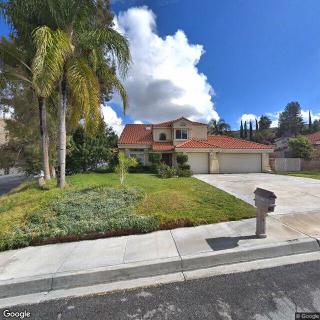
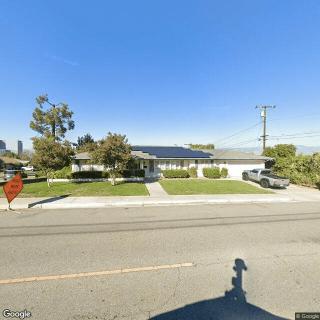
 Peaceful assisted living with easy access to cafes, parks, pharmacies, restaurants, theaters, and hospitals.


 How and When Medicaid May Cover Assisted Living Costs
 A Detailed Exploration of Assisted Living Medicaid Waivers Across the United States
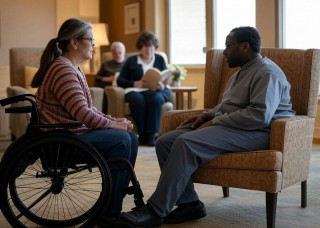 Comprehensive Residential Support and Assisted Living Solutions for Individuals with Disabilities