

25010 Lewton Ave., Loma Linda, CA 92354
To contact a resident: (909) 796-0666
For more information about senior living options: (866) 208-4318
Overall Review of Loma Leisure Home II
Pros
 The staff are welcoming and helpful.
- Residents are cared for and happy.
- There is always someone available to help residents and answer questions.
- The food is great and the activities are wonderful.
- The facility is clean, organized, and safe.
- Families feel at ease knowing loved ones are well cared for.
- The staff are compassionate, attentive, and go above and beyond.
- The community feels like a family, with residents treated with kindness and respect.
- The location near the VA and Loma Linda Hospital is a plus.
- The home is highly recommended for care of loved ones.
- Residents thrive thanks to the supportive community and quality care.
- The staff are professional and friendly.
Cons
 The staff were very rude to the reviewer and seemed more interested in making money than helping the parent; the reviewer would avoid the place.
- The staff were horrible.
- Management was heavy-handed, lacking compassion and respect; the reviewer would give 0 stars.
- Billing was padded after charging her twice.
- The reviewer had to remove a friend from the facility.
Review
Loma Leisure Home II in Loma Linda is best suited for families seeking a genuinely warm, hands-on caregiving environment for an older adult who requires assisted living with the option of memory care, and who prioritizes a newer, clean building, reliable dining, and a robust slate of daily activities. The community’s character from resident and family impressions centers on staff who are welcoming, accessible, and clearly engaged in care. Proximity to local resources, the VA and Loma Linda Hospital, adds practical value for families who want convenient access to medical support. For those prioritizing a sincere sense of belonging and a facility that feels less institutional and more like a supportive home, this location often checks the right boxes.
Yet there are caveats to weigh. While the prevailing sentiment among most reviewers is overwhelmingly positive about the care staff, a minority describe experiences that raise red flags: one account paints interactions as rude and fiscally motivated, culminating in a decision to move a loved one elsewhere; another points to a management style perceived as heavy-handed and, in one instance, a disputed billing situation. These concerns are isolated but real, underscoring that the administrative climate and billing transparency can vary by experience. For families with a low tolerance for perceived pressure, or who insist on flawless billing accuracy and a consistently collaborative management approach, alternatives may be worth comparing.
The strongest pros, compassionate, attentive staff; a clean, well-organized environment; and a caregiving culture that many families describe as family-like, tend to dominate the decision calculus. Residents appear well cared for, clean, well-fed, and respected, with staff who are praised for going above and beyond to ensure comfort and safety. The dual emphasis on assisted living and memory care is a meaningful advantage for couples or multi-need families, since transitions between levels can be smoother when a single campus provides cohesive routines, familiar faces, and integrated programming. Add to that the reputation for solid activities and noteworthy dining, and the value proposition becomes stronger for those who want meaningful daily engagement.
These strengths can offset the negatives for families who can tolerate the rare friction described in a handful of reviews. When care staff form personal connections, communicate clearly, and maintain a welcoming atmosphere, concerns about management style or billing disputes often recede in importance. The practical benefits, the near-term accessibility to hospital-level resources, the sense of continuity for memory-impaired residents, and the perceived attentiveness of caregivers, remain compelling for households prioritizing stability and comfort over high-volume administrative smoothness. In short, the core experience at LLAL tends to deliver reliable day-to-day quality that many families prioritize above all else.
Given the mixed experiences voiced in a small minority of reviews, it is prudent to outline who may want to explore alternatives. Families with a particular sensitivity to billing transparency or to a management approach that feels rigid or aggressive should benchmark others before committing. If verification of consistent, courteous management and clear, error-free billing is non-negotiable, a comparison with communities that foreground open-book billing practices and resident advocacy may be wise. In such cases, cultivating direct conversations with a care coordinator and requesting a tour during peak and off-peak hours can illuminate whether the day-to-day experience aligns with expectations.
The practical path forward is clear. Pursue a thorough, hands-on evaluation: observe interactions between staff and residents, assess whether caregivers know residents by name and respond promptly to requests, and review memory-care programming specifics and staffing ratios. Demand transparency on billing and contract terms, and seek opportunities to speak with current families about their ongoing satisfaction and any changes over time. If these checks align with the resident’s needs and family standards, Loma Leisure Home II offers a compelling, reliable option that blends compassionate care with a supportive, home-like atmosphere in a well-maintained setting near essential medical resources.
 Board and Care Home
 Ontario International (20 miles away)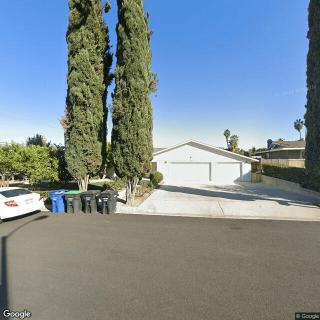



 Comprehensive Insights into Palliative Home Care: What It Is and What to Expect
 Skilled Nursing Facilities vs. Nursing Homes: Making Sense of the Differences
 A Detailed Examination of Nursing Home Costs Across the U.S.